Scholars › Philosopher / Thinker

Liu Xie

Liang-dynasty critic who catalogued Buddhist scriptures under the monk Sengyou, wrote The Literary Mind and the Carving of Dragons, and became a monk in old age

Also known as Zi Yanhe

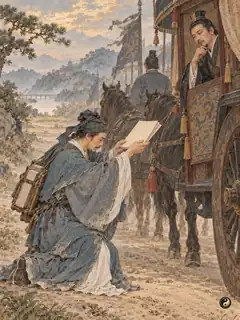
Liu Xie, courtesy name Yanhe, came from Ju in Dongguan; his grandfather was a younger brother of the Liu-Song minister Liu Xiuzhi. Orphaned and too poor to marry, he lived for more than ten years with the monk Sengyou, mastered the Buddhist canon and sorted the scriptures held at Dinglin Monastery. Early in the Tianjian era he entered Liang service as secretary to Xiao Hong, magistrate of Taimo, palace secretary to the crown prince and colonel of foot, and won approval for ending animal offerings at the suburban altars. His fifty-chapter The Literary Mind and the Carving of Dragons (Wenxin diaolong), was ignored until he waylaid Shen Yue's carriage with it; Shen judged that it grasped the principles of writing and kept it on his desk. Late in life, after editing scriptures at Dinglin by imperial order, he burned off his hair, took vows under the name Huidi and died within a year. The bibliography of the History of the Sui lists the work in ten scrolls.

Life and times

  1. c. 465 CEBornNorthern and Southern
  2. c. 532 CEDieddeath by another account c. 520

Works

  1. Literature · Criticism61
    1. The Literary Mind and the Carving of DragonsNorthern and SouthernLiu Xie's fifty-chapter treatise in parallel prose on literature's origins, genres and craft
    2. The Literary Mind and the Carving of Dragons: Tracing the Dao to Its SourceNorthern and Southern
    3. The Literary Mind and the Carving of Dragons: Spiritual ThoughtNorthern and Southern
    4. The Literary Mind and the Carving of Dragons: Wind and BoneNorthern and Southern
    5. The Literary Mind and the Carving of Dragons: Emotion and OrnamentNorthern and Southern
    6. +25 more
      1. The Literary Mind and the Carving of Dragons: The Understanding CriticNorthern and Southern
      2. The Literary Mind and the Carving of Dragons: Juan 1 (Chapters 1–5)Northern and Southern
      3. The Literary Mind and the Carving of Dragons: Learning from the SagesNorthern and Southern
      4. The Literary Mind and the Carving of Dragons: Honoring the ClassicsNorthern and Southern
      5. The Literary Mind and the Carving of Dragons: Rectifying the ApocryphaNorthern and Southern
      6. The Literary Mind and the Carving of Dragons: Discriminating the SaoNorthern and Southern
      7. The Literary Mind and the Carving of Dragons: Juan 2 (Chapters 6–10)Northern and Southern
      8. The Literary Mind and the Carving of Dragons: Elucidating PoetryNorthern and Southern
      9. The Literary Mind and the Carving of Dragons: Music Bureau SongsNorthern and Southern
      10. The Literary Mind and the Carving of Dragons: Explaining the FuNorthern and Southern
      11. The Literary Mind and the Carving of Dragons: Eulogies and EncomiaNorthern and Southern
      12. The Literary Mind and the Carving of Dragons: Invocations and CovenantsNorthern and Southern
      13. The Literary Mind and the Carving of Dragons: Juan 3 (Chapters 11–15)Northern and Southern
      14. The Literary Mind and the Carving of Dragons: Inscriptions and AdmonitionsNorthern and Southern
      15. The Literary Mind and the Carving of Dragons: Dirges and Stele InscriptionsNorthern and Southern
      16. The Literary Mind and the Carving of Dragons: Laments and CondolencesNorthern and Southern
      17. The Literary Mind and the Carving of Dragons: Miscellaneous WritingsNorthern and Southern
      18. The Literary Mind and the Carving of Dragons: Humor and RiddlesNorthern and Southern
      19. The Literary Mind and the Carving of Dragons: Juan 4 (Chapters 16–20)Northern and Southern
      20. The Literary Mind and the Carving of Dragons: Historical WritingNorthern and Southern
      21. The Literary Mind and the Carving of Dragons: The MastersNorthern and Southern
      22. The Literary Mind and the Carving of Dragons: Treatises and PersuasionsNorthern and Southern
      23. The Literary Mind and the Carving of Dragons: Edicts and PatentsNorthern and Southern
      24. The Literary Mind and the Carving of Dragons: War Proclamations and DispatchesNorthern and Southern
      25. The Literary Mind and the Carving of Dragons: Juan 5 (Chapters 21–25)Northern and Southern
    7. Open all works→
  2. Literature · Sayings11
    1. In High SpiritsNorthern and SouthernIdiom from Wenxin Diaolong: first of lofty writing, now of high spirits
    2. Running Neck and NeckNorthern and SouthernIdiom from Wenxin Diaolong: running neck and neck, evenly matched
    3. Thought Reaching Across a Thousand YearsNorthern and SouthernAphorism from The Literary Mind and the Carving of Dragons: imagination spans a thousand years
    4. Spirit Vigorous and Bright in WritingNorthern and SouthernAphorism from The Literary Mind and the Carving of Dragons on wind and bone in writing
    5. Great Is the Power of Literary PatternNorthern and SouthernAphorism opening The Literary Mind and the Carving of Dragons: pattern born with the cosmos
    6. +6 more
      1. How Hard It Is to Find a True Listener: Liu Xie's LamentNorthern and SouthernFamous line from The Literary Mind and the Carving of Dragons: true critics are rare
      2. Lavish Ornament, Scant Feeling: Liu Xie on Hollow WritingNorthern and SouthernAphorism from The Literary Mind, Emotion and Ornament: showy words with little true feeling
      3. Framing Words Straight and Upright: Liu Xie's Bone of WritingNorthern and SouthernAphorism from The Literary Mind, Wind and Bone: upright, firm wording gives writing its bone
      4. Vision Reaching Ten Thousand Li: Liu Xie on the ImaginationNorthern and SouthernAphorism from The Literary Mind, Spiritual Thought: imagination that sees ten thousand li
      5. The Patterning of the Dao in NatureNorthern and SouthernFamous line from Liu Xie's Literary Mind: the beauty of nature is the pattern of the Dao
      6. Pattern Rests on SubstanceNorthern and SouthernLine from The Literary Mind and the Carving of Dragons: ornament depends on substance

Records

Wrote the Wenxin diaolong in fifty chapters

Liang, Southern Dynasties

The Book of Liang says Liu Xie, courtesy name Yanhe, of Ju in Dongguan, was poor and did not marry, and lived with the monk Sengyou for over ten years, becoming widely versed in the sutras and treatises; the scripture collection of Dinglin Temple was arranged by him. He wrote the Wenxin diaolong in fifty chapters on literary forms past and present and wished Shen Yue to approve it. Shen Yue had it brought, valued it highly, judged that it grasped the principles of writing, and kept it on his desk.

References (1)