Scholars › Philosopher / Thinker

Dai Sheng

Western Han ritual scholar credited with transmitting the 49-chapter Book of Rites later canonized among the Five Classics.

Also known as Zi Cijun · Xiao Dai

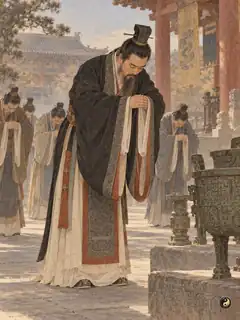
Dai Sheng, courtesy name Cijun, came from Liang and studied ritual under Hou Cang together with his uncle Dai De, hence the name 'Younger Dai'. Under Emperor Xuan he was appointed an Erudite, took part in the Shiqu Pavilion conference and later became Grand Administrator of Jiujiang. He is credited with compiling the 49-chapter Book of Rites, which after Zheng Xuan's commentary became one of the Five Classics.

Life and times

  1. UnknownBornHanactive under Emperor Xuan of Western Han (73–49 BCE)
  2. UnknownDied

Works

  1. Literature · Prose52
    1. Book of RitesHanForty-nine Confucian essays on ritual, traditionally compiled by Dai Sheng; a Three Rites text
    2. Book of Rites: Summary of the Rites, Part IHan
    3. Book of Rites: Summary of the Rites, Part IIHan
    4. Book of Rites: Tan Gong, Part IHan
    5. Book of Rites: Tan Gong, Part IIHan
    6. +25 more
      1. Book of Rites: Royal RegulationsHan
      2. Book of Rites: Monthly OrdinancesHan
      3. Book of Rites: Questions of ZengziHan
      4. Book of Rites: King Wen as Heir ApparentHan
      5. Book of Rites: The Evolution of RitesHan
      6. Book of Rites: Rites as VesselsHan
      7. Book of Rites: The Single Victim at the Suburban SacrificeHan
      8. Book of Rites: Domestic RegulationsHan
      9. Book of Rites: Jade Pendants of the CapHan
      10. Book of Rites: Positions in the Hall of LightHan
      11. Book of Rites: Lesser Record of Mourning DressHan
      12. Book of Rites: The Great TreatiseHan
      13. Book of Rites: Minor Rules of DeportmentHan
      14. Book of Rites: Record on LearningHan
      15. Book of Rites: Record of MusicHan
      16. Book of Rites: Miscellaneous Records, Part IHan
      17. Book of Rites: Miscellaneous Records, Part IIHan
      18. Book of Rites: Greater Record of Mourning RitesHan
      19. Book of Rites: Laws of SacrificeHan
      20. Book of Rites: Meaning of SacrificeHan
      21. Book of Rites: Summary Account of SacrificeHan
      22. Book of Rites: Explaining the ClassicsHan
      23. Book of Rites: Questions of Duke AiHan
      24. Book of Rites: Confucius at LeisureHan
      25. Book of Rites: Confucius at HomeHan
    7. Open all works→
  2. Literature · Sayings11
    1. New Every Day, Different Every MonthZhouIdiom from the Great Learning: changing day by day, progressing at speed
    2. Joy, Anger, Sorrow, and DelightZhouIdiom from the Doctrine of the Mean: joy, anger, sorrow and delight, all human feelings
    3. Unable to Live under the Same SkyZhouIdiom from the Book of Rites: unable to live under the same sky, deadly enmity
    4. The World Belongs to AllHanIdiom from the Book of Rites' Great Unity passage: the world belongs to all
    5. Teaching and Learning Grow TogetherHanIdiom from the Book of Rites: teaching and learning advance each other
    6. +6 more
      1. Uncarved Jade Makes No VesselHanFamous line from the Book of Rites: like uncut jade, people need education to be of use
      2. Food Offered with a Contemptuous CallHanIdiom from the Book of Rites: a starving man refuses food thrown with scorn
      3. Doors Unbarred at Night in the Age of Great UnityHanIdiom from the Book of Rites' vision of Great Unity: a world with no need to lock doors
      4. Courtesy Demands a Return: The Rule of ReciprocityHanIdiom from the Book of Rites: courtesy must flow both ways
      5. Keeping Faith and Cultivating Harmony: Confucius on the Great UnityHanIdiom from the Book of Rites: in the age of Great Unity people kept faith and lived in harmony
      6. Choosing the Worthy and Employing the AbleHanIdiom from the Book of Rites: in the Great Unity the worthy and able are chosen to govern

Records

Dai Sheng rises to governor of Jiujiang

Reign of Emperor Xuan, Western Han

Hou Cang expounded the Rites in tens of thousands of words and taught them to Dai De and Dai Sheng of Liang, among others. Dai De was called the Elder Dai and Dai Sheng the Younger Dai. Dai Sheng took part in the Shiqu discussions as an erudite and rose to governor of Jiujiang. Thereafter the Rites had Elder Dai, Younger Dai and Qing schools.

References (1)