

Scholars › Philosopher / Thinker

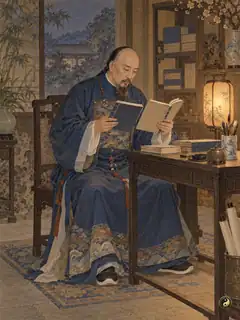
Wang Niansun

Grandmaster of Qianjia philology, phonology, and textual criticism who authored Dushu Zazhi and Guangya Shuzheng.

Also known as Zi Huaizu · Master Shiqu

Wang Niansun (1744 CE–1832 CE) was a paramount figure of the Qianjia textual research school. His rigorous linguistic, phonological, and semantic methodologies in classic texts elevated historical philology to unprecedented heights.

Life and times

  1. 1744 CEBornQing
  2. 1773Compilation of Siku QuanshuTook partage 29Compiled over eleven years under the Qianlong emperor, the Siku Quanshu assembled 3,503 works in 79,337 juan as a vast imperially sponsored collection.
  3. 1832 CEDied

Works

  1. Literature · Prose12
    1. Miscellaneous Notes from ReadingQingWang Niansun's 82 juan of textual notes correcting the Shiji, Hanshu, Xunzi and other texts
    2. Miscellaneous Notes from Reading: Yi ZhoushuQing
    3. Miscellaneous Notes from Reading: Zhanguo CeQing
    4. Miscellaneous Notes from Reading: ShijiQing
    5. Miscellaneous Notes from Reading: Book of HanQing
    6. +7 more
      1. Miscellaneous Notes from Reading: GuanziQing
      2. Miscellaneous Notes from Reading: Yanzi ChunqiuQing
      3. Miscellaneous Notes from Reading: MoziQing
      4. Miscellaneous Notes from Reading: XunziQing
      5. Miscellaneous Notes from Reading: Huainan Inner ChaptersQing
      6. Miscellaneous Notes from Reading: Gleanings of Han Clerical InscriptionsQing
      7. Miscellaneous Notes from Reading: Shiji 1 · Annals of the Five Emperors: 'Xiling'Qing

Family tree

  1. Direct kin
    Wang Niansun

Records

Reading Notes written after leaving office

Qianlong to Jiaqing years, Qing

The Draft History of the Qing says Wang Niansun passed the metropolitan examination in the fortieth year of Qianlong, was chosen a Hanlin bachelor, and after the course became a secretary in the Ministry of Works. After he left office he amused himself with writing and made the Reading Notes, with sections on the Lost Book of Zhou, the Intrigues of the Warring States, Guanzi, Xunzi, Master Yan's Annals, Mozi, Huainanzi, the Records of the Historian and the Book of Han, plus Han Clerical Script Gleanings, 82 scrolls in all.

References (1)