Scholars › Philosopher / Thinker

Laozi (Lao-Tzu)

Traditional author of the Daodejing, described by Sima Qian as Li Er, keeper of the Zhou archives, though the same biography records rival identifications

Also known as Li Er · Lao Dan · Bo Yang

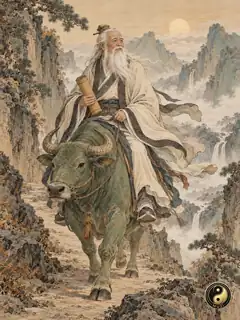
Little is known of Laozi for certain. His biography in the *Records of the Grand Historian* (*Shiji*) says he came from Quren village in Ku county of Chu, bore the surname Li, the personal name Er and the courtesy name Dan, and kept the archives of the Zhou court. The same chapter says Confucius visited Zhou and asked him about ritual. It adds that, seeing Zhou in decline, he left and at the frontier pass wrote a book in two parts of some five thousand words on the Way and its virtue at the request of the gatekeeper Yin Xi, after which no one knew where he went. Sima Qian also records that some identified Laozi with Lao Laizi or with the Zhou grand historian Dan, admitting that no one could tell. The received *Laozi*, also called the *Classic of the Way and Virtue* (*Daodejing*), remains disputed in date. In 666 Emperor Gaozong of Tang gave Laozi the title Most High Emperor of Mysterious Origin.

Life and times

  1. UnknownBornZhoulate Spring and Autumn period
  2. 500 BCEHundred Schools ContentionTook partConfucian, Mohist, Daoist, Legalist, and other thinkers debated ethics, human nature, and government across the rival states.
    1. Laozi Authoring Tao Te Ching516 BCEPhilosopher Laozi authored the canonical 5,000-word Tao Te Ching at Hangu Pass, establishing Daoist philosophy.
  3. UnknownDied

Works

  1. Literature · Prose86
    1. Classic of the Way and VirtueZhouFounding Daoist classic attributed to Laozi, eighty-one chapters on the Dao and its virtue
    2. Classic of the Way and Virtue: Essential Chapters on DaoZhou
    3. Classic of the Way and Virtue: Essential Chapters on De (Virtue)Zhou
    4. Classic of the Way and Virtue: Classic of the DaoZhou
    5. Classic of the Way and Virtue: Classic of VirtueZhou
    6. +25 more
      1. Classic of the Way and Virtue: Embodying the DaoZhou
      2. Classic of the Way and Virtue: Nourishing the SelfZhou
      3. Classic of the Way and Virtue: Pacifying the PeopleZhou
      4. Classic of the Way and Virtue: The SourcelessZhou
      5. Classic of the Way and Virtue: The Use of EmptinessZhou
      6. Classic of the Way and Virtue: Completing the ImageZhou
      7. Classic of the Way and Virtue: Concealing the LightZhou
      8. Classic of the Way and Virtue: Easy NatureZhou
      9. Classic of the Way and Virtue: Moving Toward EaseZhou
      10. Classic of the Way and Virtue: What Can Be DoneZhou
      11. Classic of the Way and Virtue: The Use of NothingZhou
      12. Classic of the Way and Virtue: Restraining DesiresZhou
      13. Classic of the Way and Virtue: Loathing DisgraceZhou
      14. Classic of the Way and Virtue: Praising the MysteryZhou
      15. Classic of the Way and Virtue: Manifesting VirtueZhou
      16. Classic of the Way and Virtue: Returning to the RootZhou
      17. Classic of the Way and Virtue: Simple CustomsZhou
      18. Classic of the Way and Virtue: Customs Grown ThinZhou
      19. Classic of the Way and Virtue: Returning to SimplicityZhou
      20. Classic of the Way and Virtue: Apart from the CommonZhou
      21. Classic of the Way and Virtue: Emptying the HeartZhou
      22. Classic of the Way and Virtue: The Benefit of HumilityZhou
      23. Classic of the Way and Virtue: Emptiness and NothingnessZhou
      24. Classic of the Way and Virtue: Bitter FavorZhou
      25. Classic of the Way and Virtue: Image of the OriginZhou
    7. Open all works→
  2. Literature · Sayings12
    1. The Highest Good Is Like WaterZhouIdiom from the Daodejing: the highest good is like water, humble, nourishing, uncontending
    2. The Way Follows NatureZhouIdiom from the Daodejing: the Way models itself on nature, without forced action
    3. Braving Life and DeathZhouIdiom from the Daodejing: braving death, heedless of one's own safety
    4. Great Vessels Take Long to MakeZhouIdiom from the Daodejing: great talents take long to mature
    5. Deep-Rooted and Firmly EstablishedZhouIdiom from the Daodejing: deep-rooted and firmly established
    6. +7 more
      1. A Journey of a Thousand Miles Begins with a Single StepZhouFamous line from the Daodejing: great undertakings begin with small, steady steps
      2. Like Cooking a Small FishZhouIdiom from the Daodejing: govern as you cook small fish, with care and restraint
      3. Great Skill Seems ClumsyZhouIdiom from the Daodejing: great skill seems clumsy, true talent stays modest
      4. As Careful at the End as at the BeginningZhouIdiom from the Daodejing, chapter 64: careful from first step to last
      5. Being and Non-Being Give Rise to Each OtherZhouFamous line from the Daodejing, chapter two: opposites arise together and depend on each other
      6. Mystery Upon Mystery, the Gate of All WondersZhouIdiom from the first chapter of the Daodejing: mystery upon mystery, deep and hard to fathom
      7. Governing a Great State Like Cooking a Small FishZhouFamous line from the Daodejing, chapter sixty: govern gently and do not meddle

Records

Wrote on the meaning of the Way and its Power

Late Spring and Autumn

The Records of the Grand Historian says Laozi was a man of Quren hamlet in Li district, Ku county of Chu, surnamed Li, personal name Er, courtesy name Dan, and a historian of the Zhou archives. He cultivated the Way and its Power, and his teaching aimed at self-effacement and namelessness. After long residence in Zhou he saw its decline and left; at the pass, the keeper Yin Xi asked him to write a book, and he composed two parts, speaking of the Way and its Power in over five thousand characters, then departed, and no one knew where he ended.

References (1)