
Literature

Literary Forms Poetry
 Four-Character Verse
 Chu Elegies
 Yuefu Ballads
 Old-Style Songs
 Regulated Quatrains
 Regulated Octaves
 Bamboo-Branch Songs
 Palindrome Verse
 Lyrics
 Short Lyrics
 Mid-Length Lyrics
 Long Lyrics
 Self-Composed Tunes
 Drama
 Sanqu Songs
 Song Suites
 Yuan Zaju Drama
 Chuanqi Drama
 Southern Drama
 Storytelling Ballads
 Rhapsodies
 Grand Han Rhapsodies
 Short Rhapsodies
 Parallel Prose
 Prose RhapsodiesAdmonitions, Inscriptions & Eulogies
 Prose
 Pre-Qin Masters
 Historical Narrative
 Essays & Memorials
 Travel Writing
 Letters & Prefaces
 Informal Essays
 Epitaphs & Elegies
 Notebooks
 Fiction
 Tales of the Strange
 Tang–Song Tales
 Vernacular Stories
 Chapter Novels
 Qing Tales of Wonder
 Satirical Novels
 Fables
 Philosophers' Fables
 Satirical Parables
 Historical Allusions
 Ancient Myths
 Folk Legends
 Criticism
 Literary Theory
 Poetry Talks
 Drama Criticism
 Rhetoric & Style
 Sayings
 Idioms
 Proverbs
 Common Sayings
 Aphorisms
 Couplets
 Rhymes & JinglesCivilizational Canons
 Values & Ethics
 Cosmos & Nature
 Poetry & Lyrical Spirit
 Melodies & Performing Arts
 Crafts & Material Wisdom
 Culinary & Gastronomy
 Strategies
 Education
 Sciences
 Architecture
 Infrastructure
 CommerceThrough the Dynasties
 Xia
 Shang
 Zhou
 Qin
 Han
 Three Kingdoms
 Jin
 Northern and Southern
 Sui
 Tang
 Five Dynasties and Ten Kingdoms
 Song
 Yuan
 Ming
 QingMasters & Authors
 PoetryFour-Character VerseChu ElegiesYuefu BalladsOld-Style SongsRegulated QuatrainsRegulated OctavesBamboo-Branch SongsPalindrome VerseLyricsShort LyricsMid-Length LyricsLong LyricsSelf-Composed TunesDramaSanqu SongsSong SuitesYuan Zaju DramaChuanqi DramaSouthern DramaStorytelling BalladsRhapsodiesGrand Han RhapsodiesShort RhapsodiesParallel ProseProse RhapsodiesAdmonitions, Inscriptions & EulogiesProsePre-Qin MastersHistorical NarrativeEssays & MemorialsTravel WritingLetters & PrefacesInformal EssaysEpitaphs & ElegiesNotebooksFictionTales of the StrangeTang–Song TalesVernacular StoriesChapter NovelsQing Tales of WonderSatirical NovelsFablesPhilosophers' FablesSatirical ParablesHistorical AllusionsAncient MythsFolk LegendsCriticismLiterary TheoryPoetry TalksDrama CriticismRhetoric & StyleSayingsIdiomsProverbsCommon SayingsAphorismsCoupletsRhymes & JinglesCivilizational Canons
 Values & EthicsCosmos & NaturePoetry & Lyrical SpiritMelodies & Performing ArtsCrafts & Material WisdomCulinary & GastronomyStrategiesEducationSciencesArchitectureInfrastructureCommerceThrough the Dynasties
 XiaShangZhouQinHanThree KingdomsJinNorthern and SouthernSuiTangFive Dynasties and Ten KingdomsSongYuanMingQingMasters & Authors

Prose · LT501
Pre-Qin Masters
Foundational philosophical treatises from the Hundred Schools of Thought.
28works
5dynasties
26authors
Mural guide
Three philosophers debate beneath an ancient tree, their contrasting gestures gathering around blank teaching cloths.
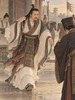 Duke of Zhou (Ji Dan)Zhou
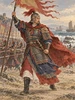 Qi JiguangMing
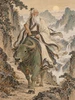 Laozi (Lao-Tzu)Zhou
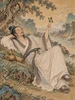 Zhuangzi (Chuang-Tzu)Zhou
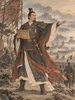 Sun Wu (Sun Tzu)Zhou
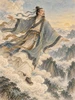 Lie ZiZhou
 He YanThree Kingdoms
 Liu AnHan
 Lu BuweiZhou
 King Wen of Zhou (Ji Chang)Shang
 Shang YangZhou
 MoziZhou
 Jiang ZiyaZhou
 Zi SiZhou
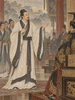 Mencius (Mengzi)Zhou
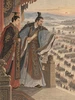 Wei LiaoZhou
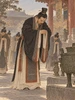 Dai ShengHan
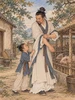 ZengziZhou
 Zhu XiSong
 Wang ShourenMing
 Wang BiThree Kingdoms
 Guan ZhongZhou
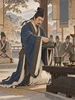 XunziZhou
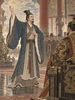 Dong ZhongshuHan
- Zhuangzi
 Heaven and Earth were born together with me, and the ten thousand things and I are one.
- Classic of the Way and Virtue
 The Way that can be spoken of is not the constant Way; the name that can be named is not the constant name.
- The Analects
 To learn and practice it in due season—is that not a joy? To have friends come from afar—is that not a delight?
- MenciusNot corrupted by wealth, not swayed by poverty, not bowed by force: this is what I call a great man.
- XunziBlue dye comes from the indigo plant, yet it is bluer than the plant.
- Han FeiziWhen the age changes, affairs change; when affairs change, the measures must change too.
- The Art of War
 War is a vital matter of the state: the ground of life and death, the road to survival or ruin. It must be studied with care.
- MoziWhen all under heaven love one another universally there is order; when they hate one another there is chaos.
- The Great LearningThe way of great learning lies in illuminating bright virtue, in renewing the people, and in resting in the highest good.
- Doctrine of the MeanBefore joy, anger, sorrow and delight arise, there is equilibrium; when they arise in due measure, there is harmony.
- Book of ChangesHeaven moves with vigor; the noble person, accordingly, strives to strengthen himself without ceasing.
- LieziWho says you know so much?
- Six Secret TeachingsThe world is not the world of one man; it is the world of all the world. Whoever shares the benefits of the world gains the world; whoever monopolises them loses the world.
- Rites of ZhouThe king establishes the state, distinguishes the directions and fixes positions, lays out the capital and the fields, sets up offices and divides duties, as a standard for the people.
- GuanziWhen the granaries are full, people know ritual and propriety; when food and clothing are sufficient, they know honour and disgrace.
- Book of Lord ShangThere is no single way to govern the world; to benefit the state one need not imitate antiquity.
- WeiliaoziThe Yellow Emperor's method was simply human effort.
- Ceremonial RitesIn a good month on an auspicious day, the first cap is placed upon you.
- Master Lü's Spring and Autumn AnnalsTwelve almanacs, eight surveys and six discourses drawing on all the schools.
- Huainanzi (The Masters of Huainan)The Way covers Heaven and upholds Earth; it extends the four directions and opens the eight extremities; so high it cannot be reached, so deep it cannot be fathomed.
- Book of RitesWhen the Great Way prevailed, the world belonged to all.
- Luxuriant Dew of the Spring and AutumnThe three bonds of the kingly Way can be sought in Heaven.