


 Liu ZongyuanTang
 Fan ZhongyanSong
 Confucius (Kongzi)Zhou
 Meng YuanlaoSong
 Ying ShaoHan
 Dai ZhenQing
 Zhu Bolu (Zhu Yongchun)Qing
 Zhu DiMing
 Zhu XiSong
 Li DeyuTang
 Li ShizhenMing
 Yi Sun-sinMing
 Shen FuQing
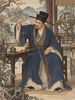 Shen KuoSong
 Kangxi EmperorQing
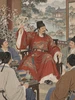 Wang ShizhenMing
 Wang NiansunQing
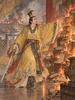 Xiao YiNorthern and Southern
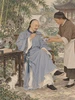 Yuan MeiQing
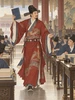 Jie JinMing
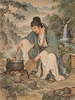 Lu Yu (Hongjian)Tang
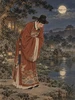 Gao PanlongMing
Literature
Literary Forms Poetry
 Four-Character Verse
 Chu Elegies
 Yuefu Ballads
 Old-Style Songs
 Regulated Quatrains
 Regulated Octaves
 Bamboo-Branch Songs
 Palindrome Verse
 Lyrics
 Short Lyrics
 Mid-Length Lyrics
 Long Lyrics
 Self-Composed Tunes
 Drama
 Sanqu Songs
 Song Suites
 Yuan Zaju Drama
 Chuanqi Drama
 Southern Drama
 Storytelling Ballads
 Rhapsodies
 Grand Han Rhapsodies
 Short Rhapsodies
 Parallel Prose
 Prose RhapsodiesAdmonitions, Inscriptions & Eulogies
 Prose
 Pre-Qin Masters
 Historical Narrative
 Essays & Memorials
 Travel Writing
 Letters & Prefaces
 Informal Essays
 Epitaphs & Elegies
 Notebooks
 Fiction
 Tales of the Strange
 Tang–Song Tales
 Vernacular Stories
 Chapter Novels
 Qing Tales of Wonder
 Satirical Novels
 Fables
 Philosophers' Fables
 Satirical Parables
 Historical Allusions
 Ancient Myths
 Folk Legends
 Criticism
 Literary Theory
 Poetry Talks
 Drama Criticism
 Rhetoric & Style
 Sayings
 Idioms
 Proverbs
 Common Sayings
 Aphorisms
 Couplets
 Rhymes & JinglesCivilizational Canons
 Values & Ethics
 Cosmos & Nature
 Poetry & Lyrical Spirit
 Melodies & Performing Arts
 Crafts & Material Wisdom
 Culinary & Gastronomy
 Strategies
 Education
 Sciences
 Architecture
 Infrastructure
 CommerceThrough the Dynasties
 Xia
 Shang
 Zhou
 Qin
 Han
 Three Kingdoms
 Jin
 Northern and Southern
 Sui
 Tang
 Five Dynasties and Ten Kingdoms
 Song
 Yuan
 Ming
 QingMasters & Authors
PoetryFour-Character VerseChu ElegiesYuefu BalladsOld-Style SongsRegulated QuatrainsRegulated OctavesBamboo-Branch SongsPalindrome VerseLyricsShort LyricsMid-Length LyricsLong LyricsSelf-Composed TunesDramaSanqu SongsSong SuitesYuan Zaju DramaChuanqi DramaSouthern DramaStorytelling BalladsRhapsodiesGrand Han RhapsodiesShort RhapsodiesParallel ProseProse RhapsodiesAdmonitions, Inscriptions & EulogiesProsePre-Qin MastersHistorical NarrativeEssays & MemorialsTravel WritingLetters & PrefacesInformal EssaysEpitaphs & ElegiesNotebooksFictionTales of the StrangeTang–Song TalesVernacular StoriesChapter NovelsQing Tales of WonderSatirical NovelsFablesPhilosophers' FablesSatirical ParablesHistorical AllusionsAncient MythsFolk LegendsCriticismLiterary TheoryPoetry TalksDrama CriticismRhetoric & StyleSayingsIdiomsProverbsCommon SayingsAphorismsCoupletsRhymes & JinglesCivilizational CanonsValues & EthicsCosmos & NaturePoetry & Lyrical SpiritMelodies & Performing ArtsCrafts & Material WisdomCulinary & GastronomyStrategiesEducationSciencesArchitectureInfrastructureCommerceThrough the DynastiesXiaShangZhouQinHanThree KingdomsJinNorthern and SouthernSuiTangFive Dynasties and Ten KingdomsSongYuanMingQingMasters & AuthorsProse · LT508
Notebooks
Scholarly miscellanies recording scientific discoveries, anecdotes, and arts.
48works
11dynasties
46authors
Mural guide
A naturalist studies a cicada, seed pod, and mineral beside field tools in a quiet notebook room.
- Monthly Ordinances for the Four ClassesAn Eastern Han household almanac of farming, chores and rites month by month.
- Comprehensive Meaning of CustomsExplaining the names of things and clearing up doubts about popular custom.
- Shuowen jiezi (Explaining Simple Graphs and Analyzing Compound Characters)A "wen" is the root of the images of things; a "zi" is what breeds and multiplies from it.
- Shanghan zabing lun (Treatise on Cold Damage and Miscellaneous Diseases)Each time I read of Yueren's diagnosis at Guo and of how he read the complexion of the Marquis of Qi, I could not help sighing in admiration at his talent.
- Chuci ZhangjuLi means parting; sao means sorrow; jing means a path.
- The Nine Chapters on the Mathematical ArtIn the old days Paoxi first drew the eight trigrams, in order to reach the virtue of the spirits.
- Sunzi SuanjingArithmetic is the warp and weft of heaven and earth, the head of living beings, the root and branch of the five constants, the parent of yin and yang.
- Biography of Camel Guo the Tree PlanterI only follow the tree's nature so as to bring out what it is.
- The Classic of TeaTea is a fine tree of the South.
- Further Old Tales from the Liu FamilyHe witnessed all of it himself; it is not hearsay; it is reliable and attested and may serve as a true record.
- Wujing zhengyi (Correct Meanings of the Five Classics)The sage looked up and looked down to observe, modeling himself on heaven and earth to nurture the multitude of beings.
- Correct Meanings of the Book of RitesRitual is what weaves heaven and earth: traced to its root it lies in the first oneness, and followed from beginning to end it embodies what human feeling desires.
- Preface to the Inscription on the Stone BridgeThe stone bridge over the Xiao River in Zhao commandery is the work of the Sui craftsman Li Chun; its making is extraordinary, and no one knows how it was done.
- Brush Talks from Dream BrookA commoner named Bi Sheng went further and made movable type. His method was to carve characters in sticky clay, each as thin as the rim of a coin.
- Classified Conversations of Master ZhuBefore Heaven and Earth existed there was after all only principle.
- Record of a Dream of Splendour in the Eastern CapitalPeace had long prevailed and people and goods were plentiful.
- Old Affairs of WulinZhou Mi's recollection of court ceremony and city life in Southern Song Hangzhou.
- Menglianglu (Record of the Millet Dream)Thinking back on past times, it is almost like a dream, and so I call it the Record of the Millet Dream.
- Yingzao fashi (Building Standards)Your servant has heard that the ridgepole above and the eaves below were, in the Changes, the time of "Great Strength"; setting the positions and telling the directions is truly a rite of an age of peace.
- Hundred Family SurnamesZhao, Qian, Sun, Li; Zhou, Wu, Zheng, Wang.
- Pingzhou KetanThe pilots know the lie of the land: at night they watch the stars, by day the sun, and in murk and gloom the compass needle.
- Rules of the Charitable EstateWhat is given for clothing and food and for weddings and funerals is called the charitable estate.
- Illustrated Account of the Xuanhe Embassy to GoryeoIn all over three hundred entries in forty juan: each thing drawn in its form, each matter explained.
- Wujing ZongyaoI have heard that the way of Heaven favours arms, showing thunder and light to proclaim its might; affairs of state rest on the army, so camps and guards are set up to order its ranks.
- Ducheng JishengWhat I have seen and heard has been no matter of a day, so I could not but gather and record it.
- Gazetteer of XijinA late-Yuan gazetteer of Dadu, now known only from quotations.
- Zhongyuan YinyunTo set speech right, one must take the sound of the Central Plain as the model.
- NongshuFarming is the lifeblood of the world: if one man does not plough, someone goes hungry; if one woman does not weave, someone goes cold.
- Compendium of Materia MedicaBroad yet not cluttered, detailed yet to the point, thoroughly examined to the end: it looks straight into the depths of the sea.
- Yongle EncyclopediaRhymes order the characters, and characters link the matters.
- War Diary (Nanjung Ilgi)Driving on from victory to victory as if into an empty land.
- Surviving Writings of Master GaoWhat is called reverence is this; what is called benevolence is this; what is called sincerity is this: it is the way of returning to one's nature.
- Sights and Scenes of the Imperial CapitalA late-Ming account of Beijing's sights and customs in eight juan.
- Jihe yuanben (Elements of Geometry)A scholar's learning presses on to the fullest knowledge, and that knowledge must come from a clear grasp of the principles of things.
- Maxims for Managing the HomeOver a bowl of congee or rice, reflect upon the arduous labor that produced it; holding half a strand of silk, keep in mind the difficulty of material resources.
- Recipes from the Garden of ContentmentIn learning one must first know and then act — and so it is with food and drink.
- Six Records of a Floating LifeI remember that as a small child I could look straight into the sun with my eyes wide open and make out the tip of an autumn hair.
- Evidential Study of the Meaning of Terms in the MenciusIf I understand it and do not speak, that is disloyal.
- A Study of the Forged Classics of the Xin LearningThe loss of the Six Classics was blamed on the Qin burning; that is Liu Xin's false story.
- Maxims from the Family InstructionsI thought: if I do not know it myself, how can I judge who is right? So, stung by this, I set myself to learn.
- Miscellaneous Notes from ReadingNiansun notes: after Xiling the character shi ('clan') has dropped out.
- Annual Customs and Festivals in PekingA late-Qing record of the festival year in Beijing.