














 Historical Villages & Towns
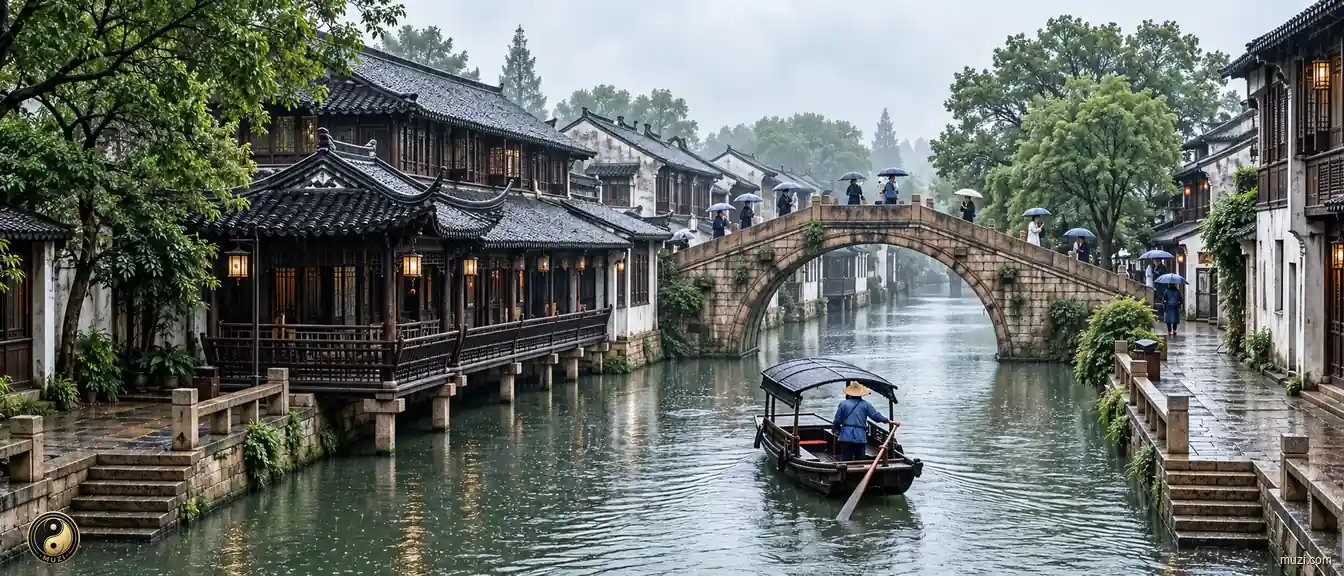
Wuzhen
Wuzhen's bridges, streams, waterside homes, and covered corridors preserve a lived-in Jiangnan water-town character.
 MUZIChinese Matrix
Historical villages and towns retain vernacular streets, local lifeways, and built landscapes shaped through generations.

Mountain ranges and massifs define the relief, climate, habitats, and horizons of an expansive landscape.

Basins gather mountains, rivers, settlements, and routes within a shared geographic bowl.

Plains open broad, level ground where rivers, soils, settlements, and cultivation can extend across wide horizons.

Plateaus rise as broad elevated lands, joining distinctive climates, grasslands, watersheds, and highland ways of life.

Rivers trace the land’s living arteries, linking headwaters, valleys, floodplains, and the communities shaped by flowing water.

Lakes gather water into enduring basins, shaping shorelines, wetlands, local climates, and the life around their shores.

Gorges compress rivers, cliffs, habitats, and routes into dramatic corridors carved through resistant terrain.

Deserts are arid landscapes where wind, stone, sand, sparse water, and resilient life define the regional character.

Forests weave trees, soils, water, wildlife, and layered habitats into a living ecological landscape.

Grasslands stretch across open country, where seasonal water, grazing, wind, and wildlife shape a mobile living landscape.

Wetlands hold water between land and aquatic worlds, supporting migratory routes, nurseries, flood storage, and rich habitats.

Saltwater forests where tidal roots shelter the living edge of land and sea.

Danxia terrain links red sandstone relief with forests, streams, and living mountain habitats.

Mountain passes turn difficult relief into traversable gateways, guiding movement, exchange, and the history of connected regions.

Civil works reshape terrain through canals, walls, roads, irrigation, and other engineered systems that organize movement and water.

Bridges link separated shores and landscapes, becoming infrastructure systems that carry movement, exchange, and shared regional life.

Regional corridors connect diverse terrains and communities through routes of movement, exchange, and shared geographic identity.

Harbors are sheltered waters where coastlines, shipping routes, working waterfronts, and urban exchange meet.

Islands are landforms set apart by water, carrying distinctive coastlines, ecosystems, settlements, and connections across the sea.

Coastal regions bring land, sea, estuaries, islands, and shore-based communities into one connected geographic system.

Historic cities preserve urban fabrics where streets, buildings, memories, and living communities carry accumulated history.

Historical villages and towns retain vernacular streets, local lifeways, and built landscapes shaped through generations.

Historic sites anchor a place in tangible remains, archaeological traces, and memories of events or communities.

Imperial tombs combine funerary landscapes, ceremonial architecture, burial grounds, and dynastic memory at territorial scale.

Temples are living sacred complexes where worship, architecture, landscape, and community traditions meet.

Grottoes unite carved stone spaces, sacred images, geology, and artistic traditions within a monumental cultural landscape.

Churches are active sacred buildings and complexes where worship, architecture, community life, and local history remain intertwined.

Ceremonial sites give collective rites a physical setting, joining sacred practice, public memory, and designed space.
Historical Villages & Towns
Wuzhen's bridges, streams, waterside homes, and covered corridors preserve a lived-in Jiangnan water-town character.
 Historical Villages & Towns
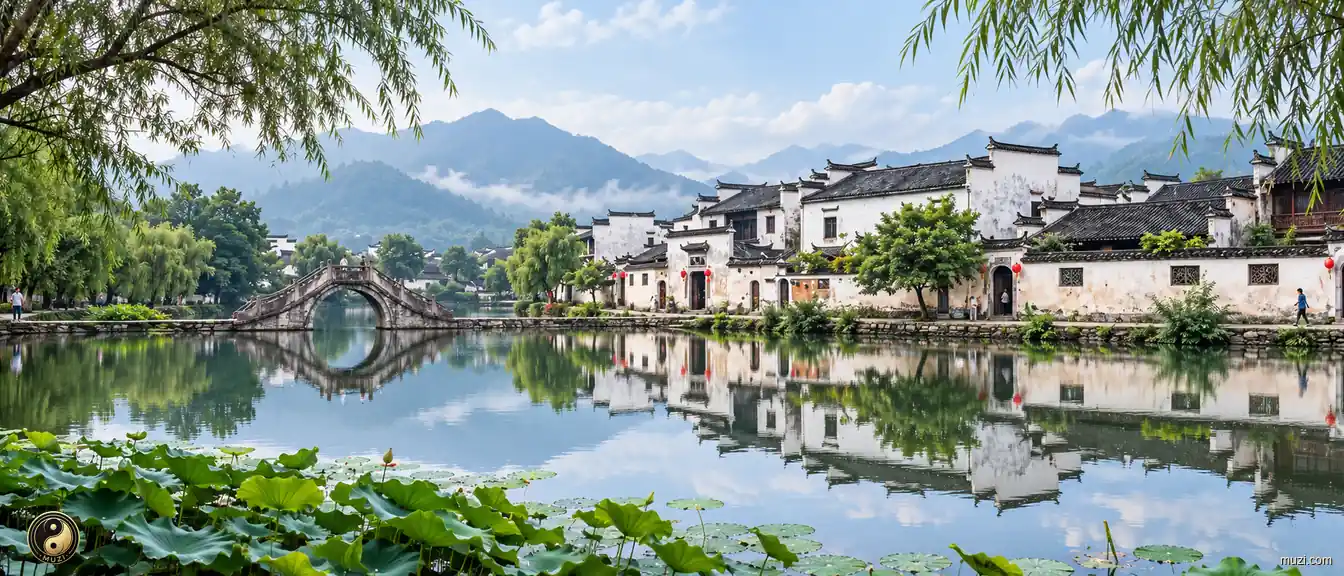
Hongcun's ox-shaped layout, Moon Pond, and water channels turn gravity-fed planning into a distinctive Huizhou village landscape.
 Historical Villages & Towns
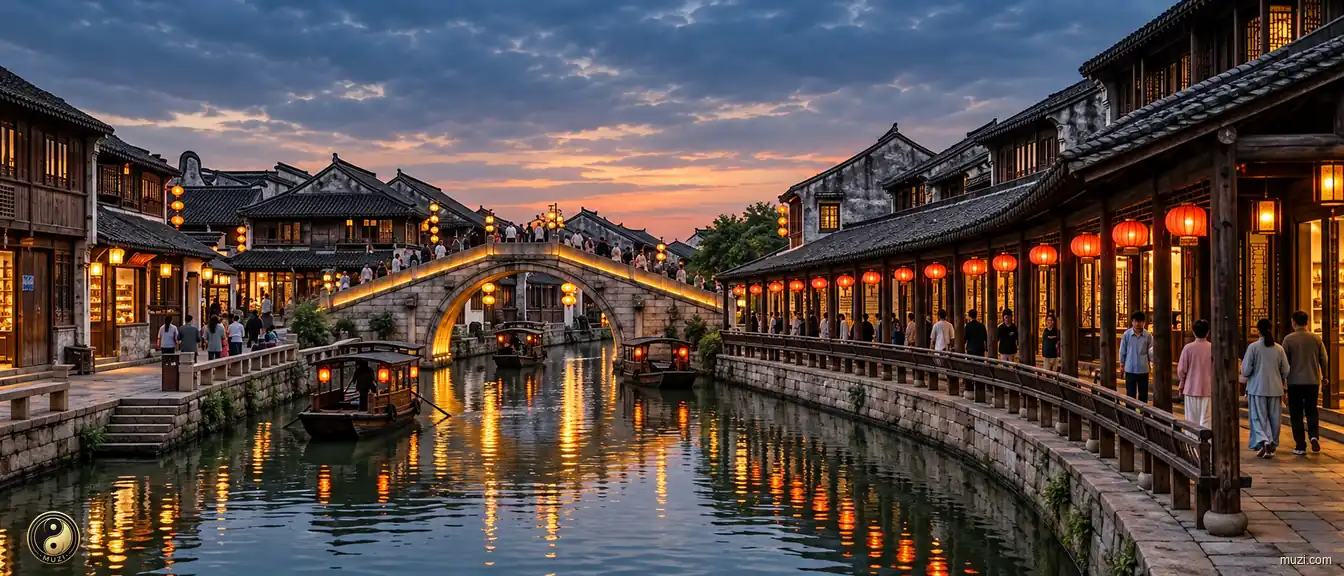
Xitang's Misty Rain Corridor — kilometers of covered waterside arcades winding like a dragon, a bottom-up human-scale commercial interface self-organized by commoners without any official planning.
 Historical Villages & Towns
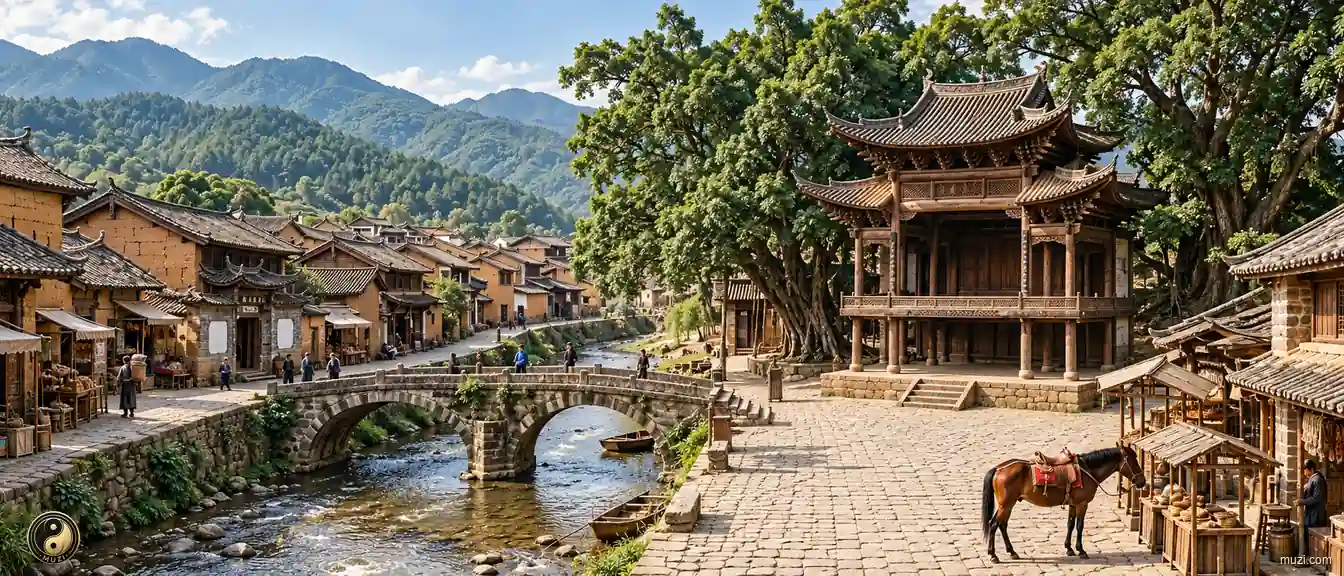
The only surviving market town on the Tea Horse Road — a dense plaza unit of red-earth fortress, ancient stage, and horse inns, a high-altitude international trade router carved by muleteers' flesh and blood.
 Historical Villages & Towns
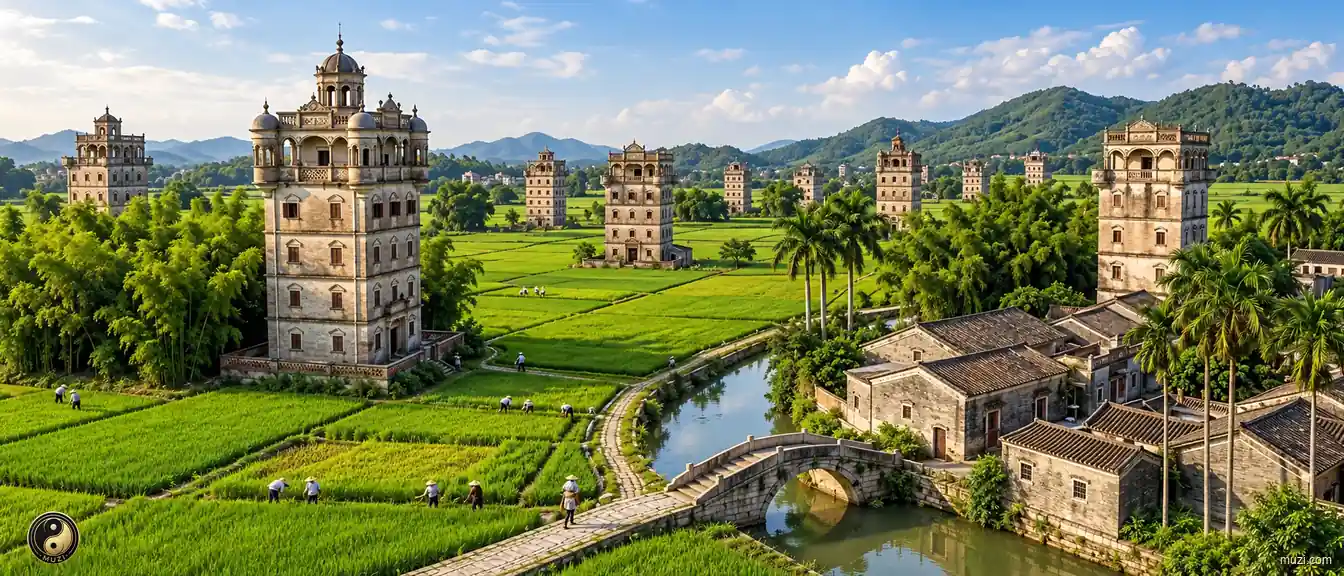
Fortified tower clusters built by returned overseas Chinese in Guangdong's Siyi region — reinforced concrete castles blending Chinese and Western architecture, recording a century of diaspora and homecoming.
 Historical Villages & Towns
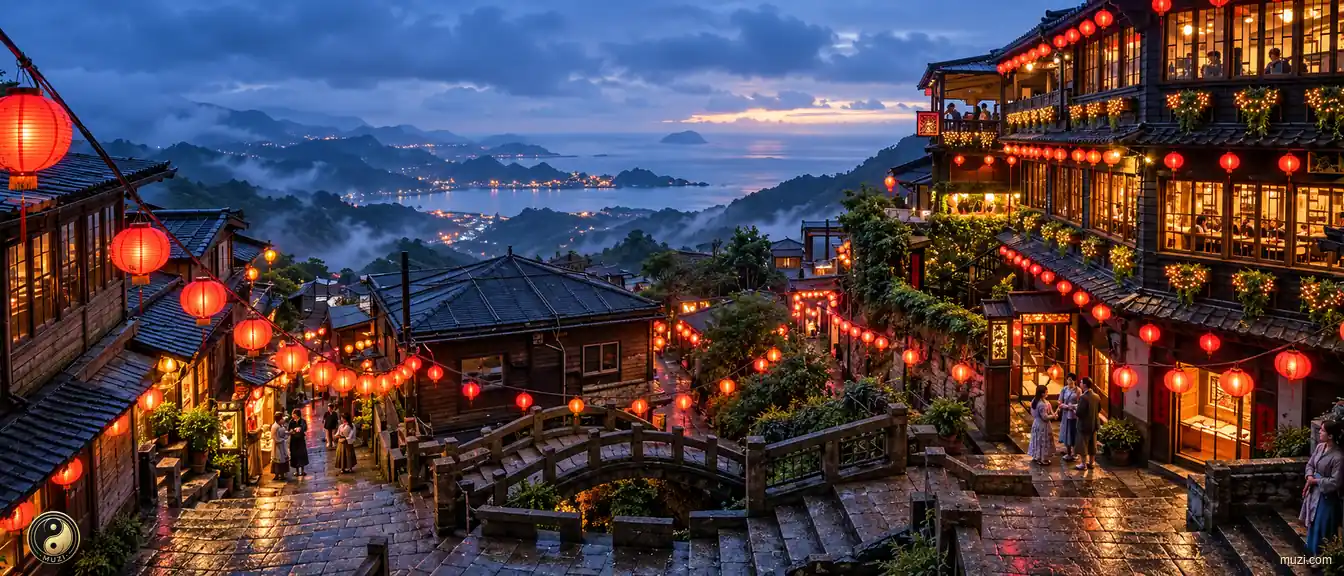
A mountainside mining town in Taiwan — narrow stone steps and red lanterns sketching a Spirited Away fantasy of mountain-and-sea nightscape.
 Historical Villages & Towns
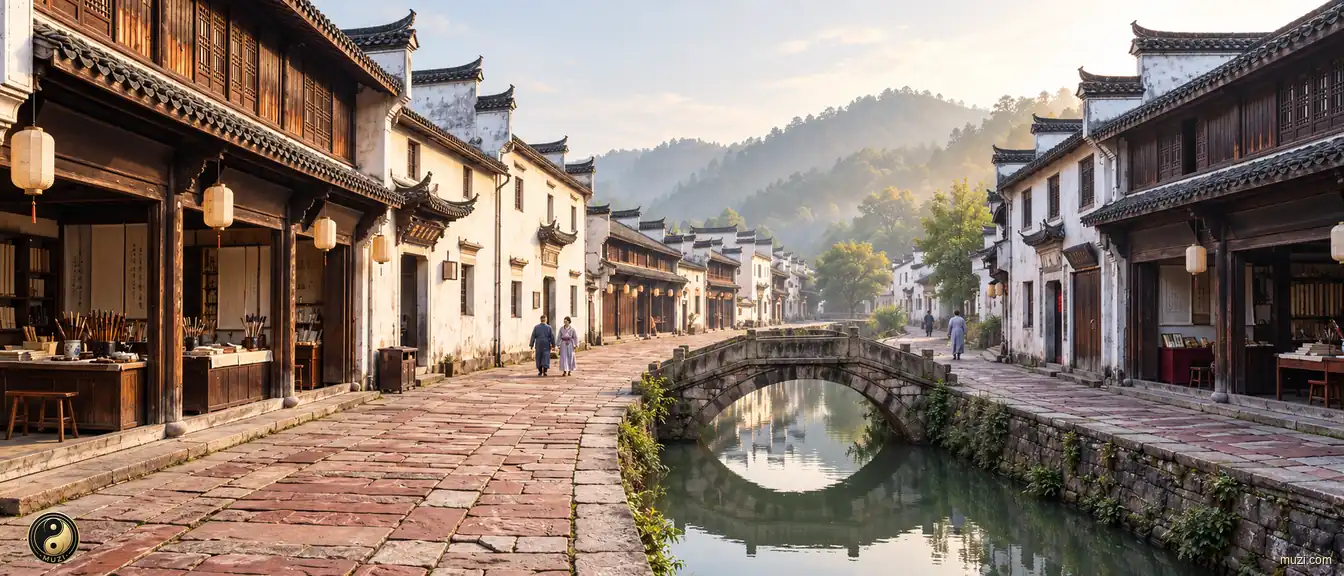
A fishbone-shaped old street on the Xin'an River crystallized by Huizhou merchant mountain-goods wharfs — the starting line from which Huizhou's white silver was pumped outward along the Xin'an bus.
 Historical Villages & Towns
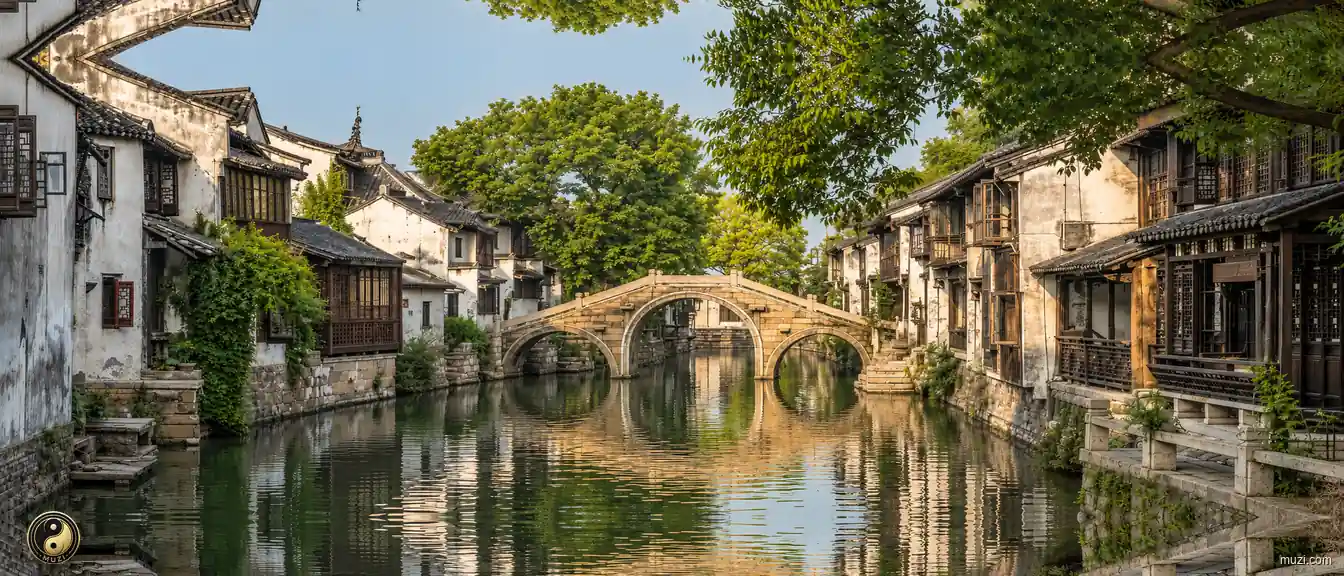
Zhouzhuang's Double Bridges, Shen Hall, and Zhang Hall preserve a millennium of Jiangnan water-town and merchant history.
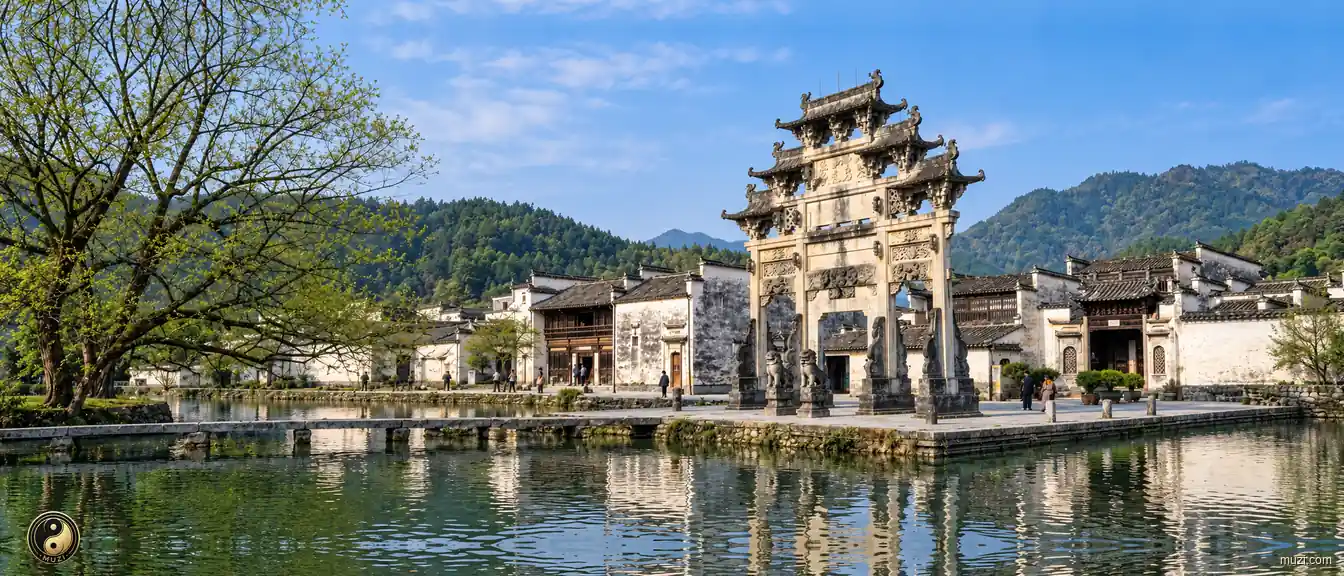 Historical Villages & Towns
UNESCO World Heritage; well-preserved Ming-Qing Hui-style houses; Hu Wenguang Archway and Pursuit Hall carry the Hu clan's ancestral glory.
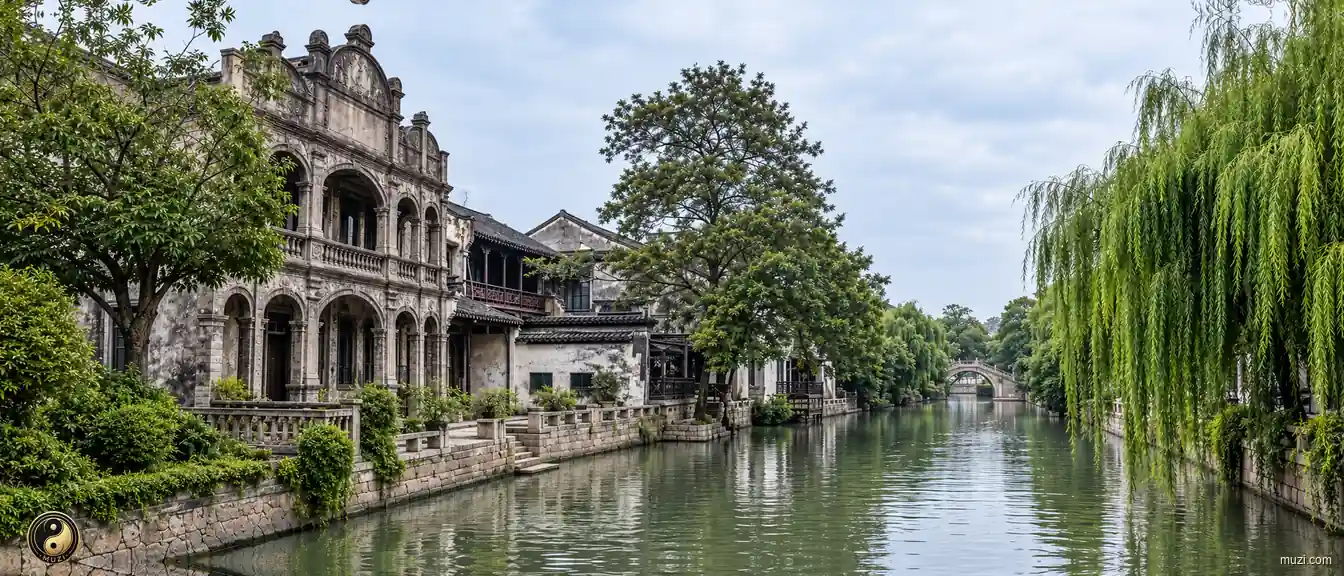 Historical Villages & Towns
Jiangnan water town as a Chinese-Western architectural fusion; silk magnate Zhang Shiming's former residence and Hundred Rooms Alley showcase modern Jiangnan prosperity.
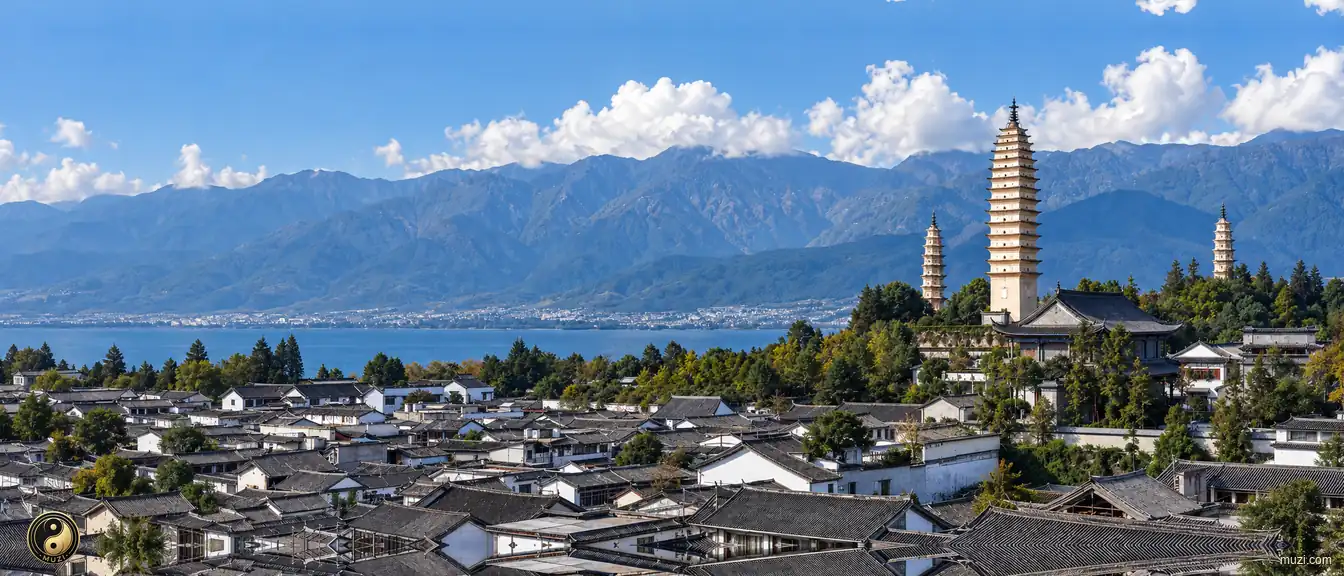 Historical Villages & Towns
Capital of the Nanzhao and Dali kingdoms; a scholarly city between Cangshan and Erhai; the Three Pagodas of Chongsheng Temple embody a millennium of Buddhist heritage.
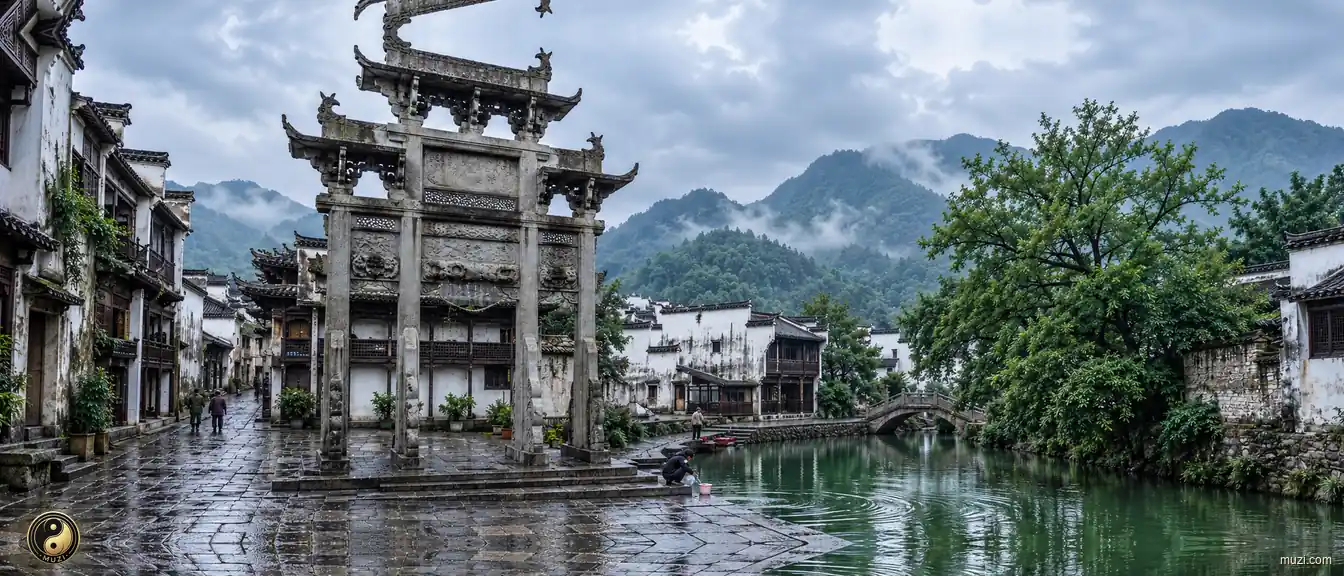 Historical Villages & Towns
Cradle of Hui culture; the Xu Guo Stone Archway and Huizhou merchants' hometown condense a thousand years of Huizhou heritage and commerce.
 Historical Villages & Towns
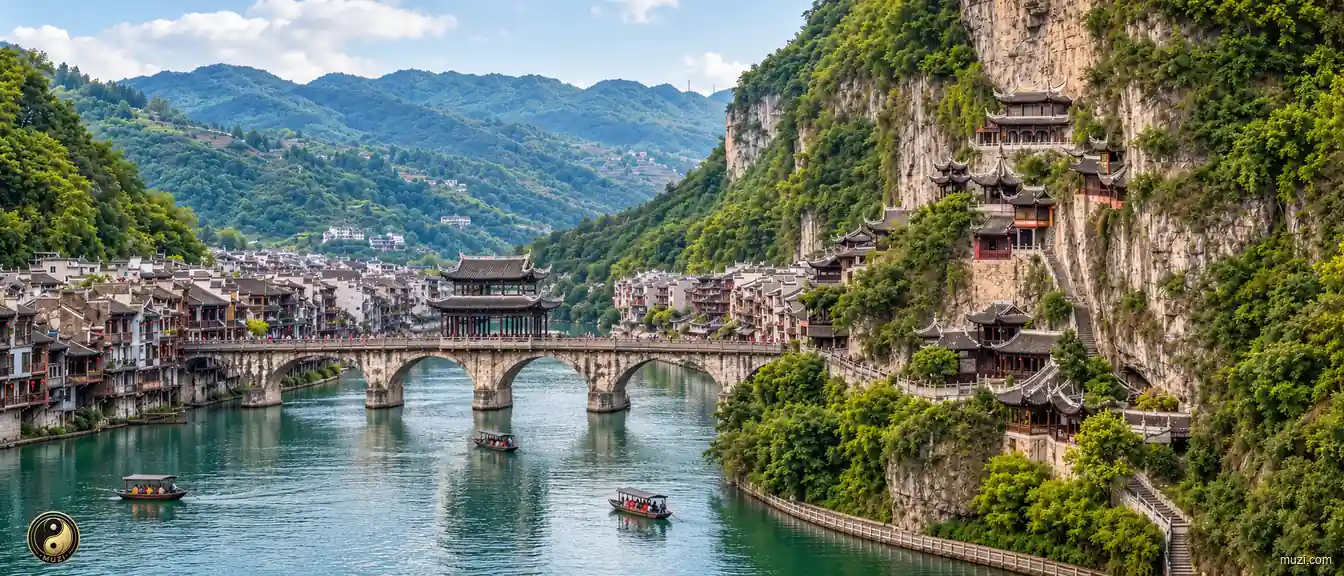
Millennium-old military-trade post on the Wulong River; the Qinglong Cave complex hangs from sheer cliffs; Zhusheng Bridge spans the two banks.
 Historical Villages & Towns
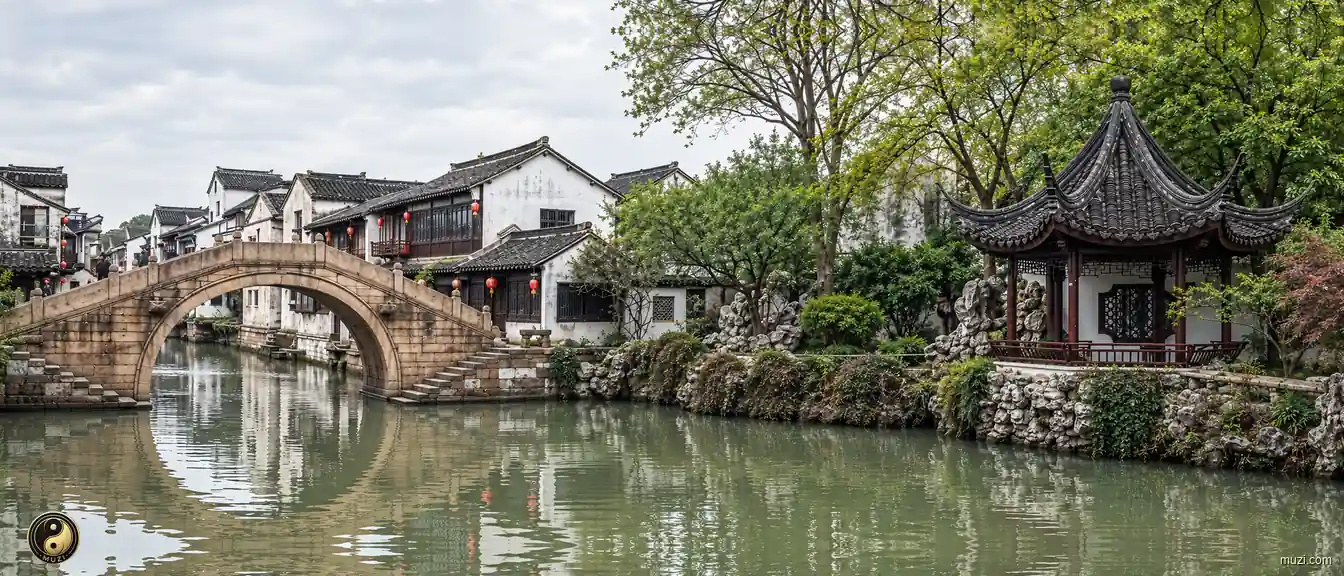
Shanghai's premier water town; Fangsheng Bridge arches over Caogang River; Kezhi Garden epitomizes Jiangnan garden elegance.
 Historical Villages & Towns
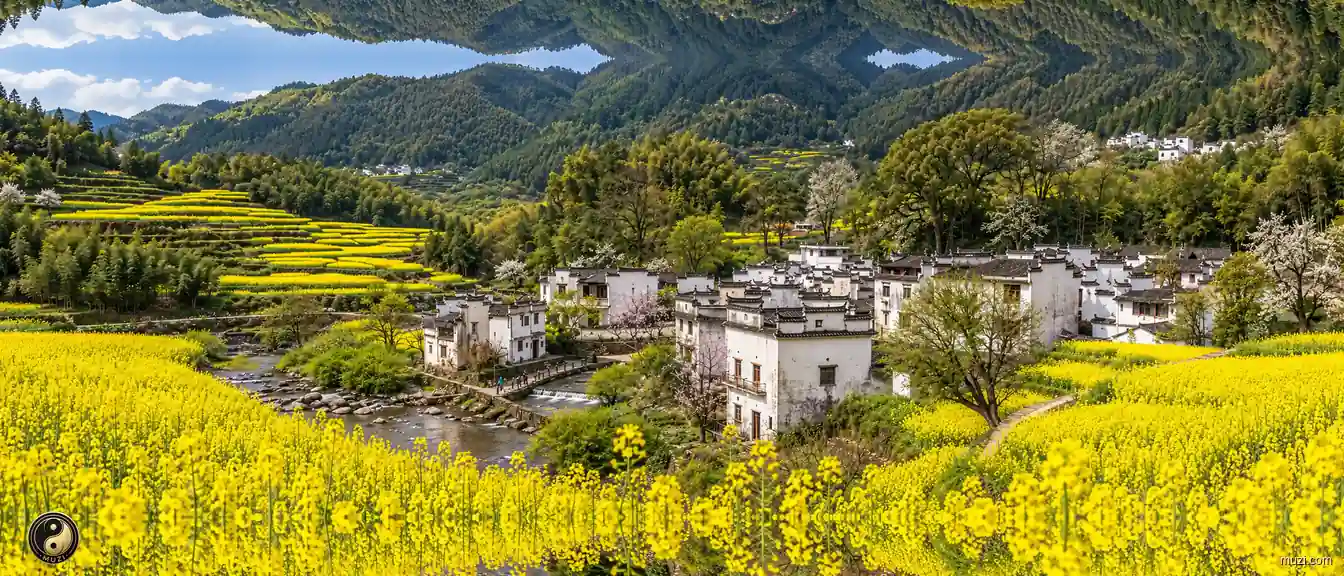
Wuyuan's rapeseed fields and white-walled Huizhou houses compose a golden Jiangnan countryside.
 Historical Villages & Towns
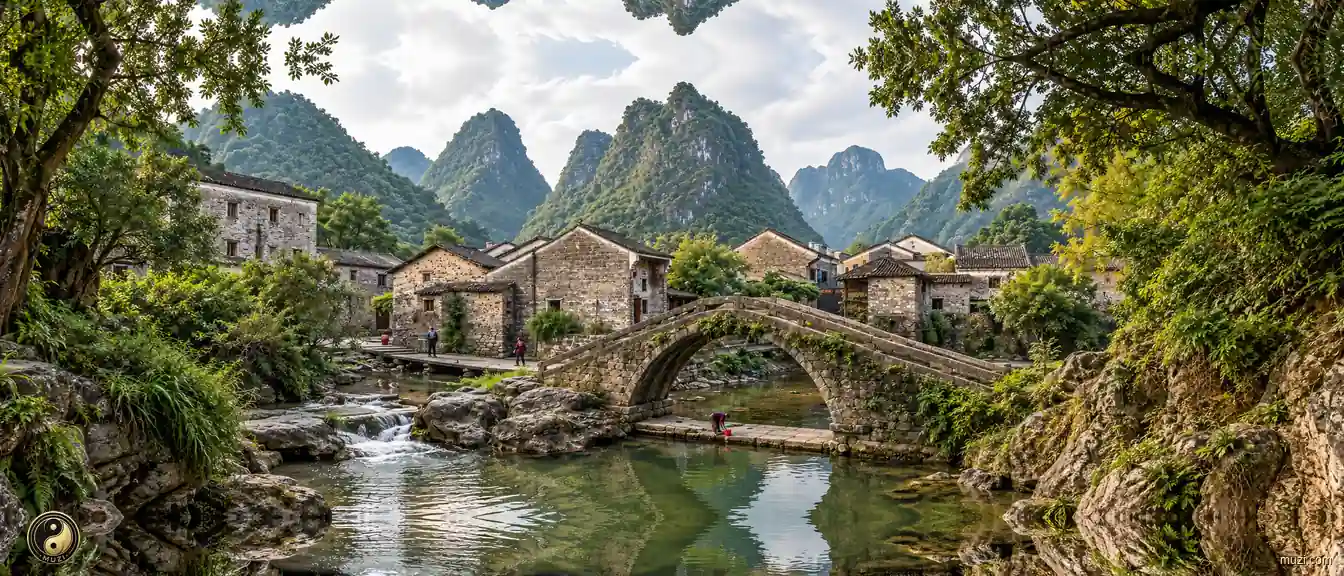
Millennium-old town embraced by karst peaks; Dailong Bridge and the Immortal's Ancient Well preserve authentic Lingnan life.
 Historical Villages & Towns
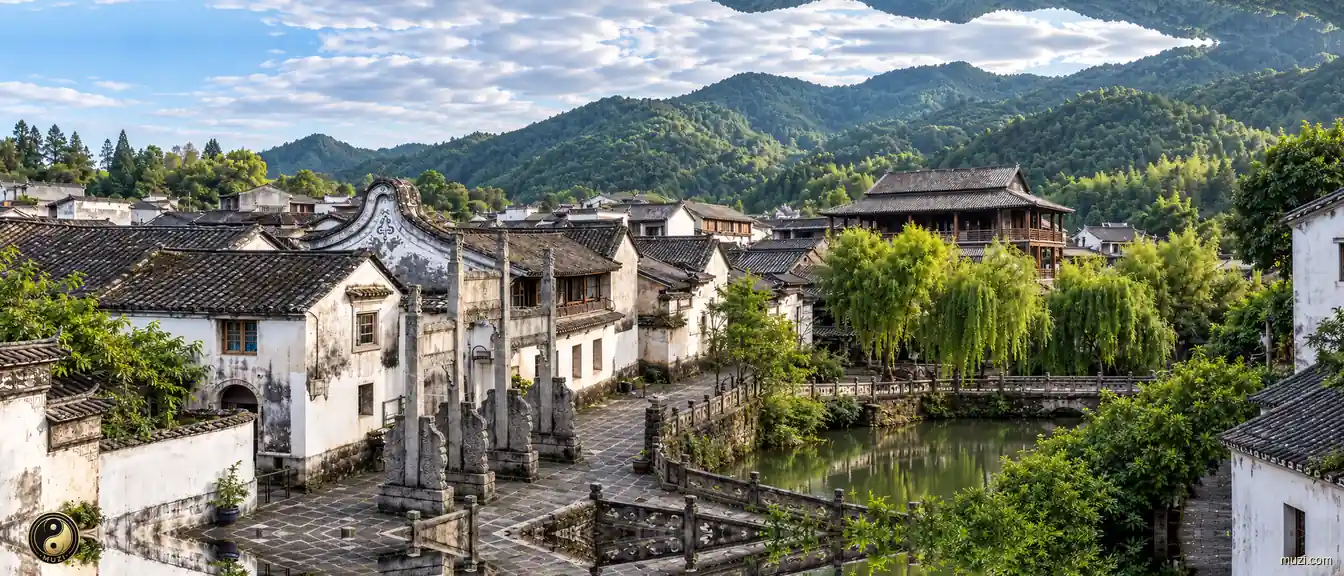
Heshun's Southwest Silk Road heritage, rural library, and Ai Siqi residence anchor a borderland cultural town.
 Historical Villages & Towns
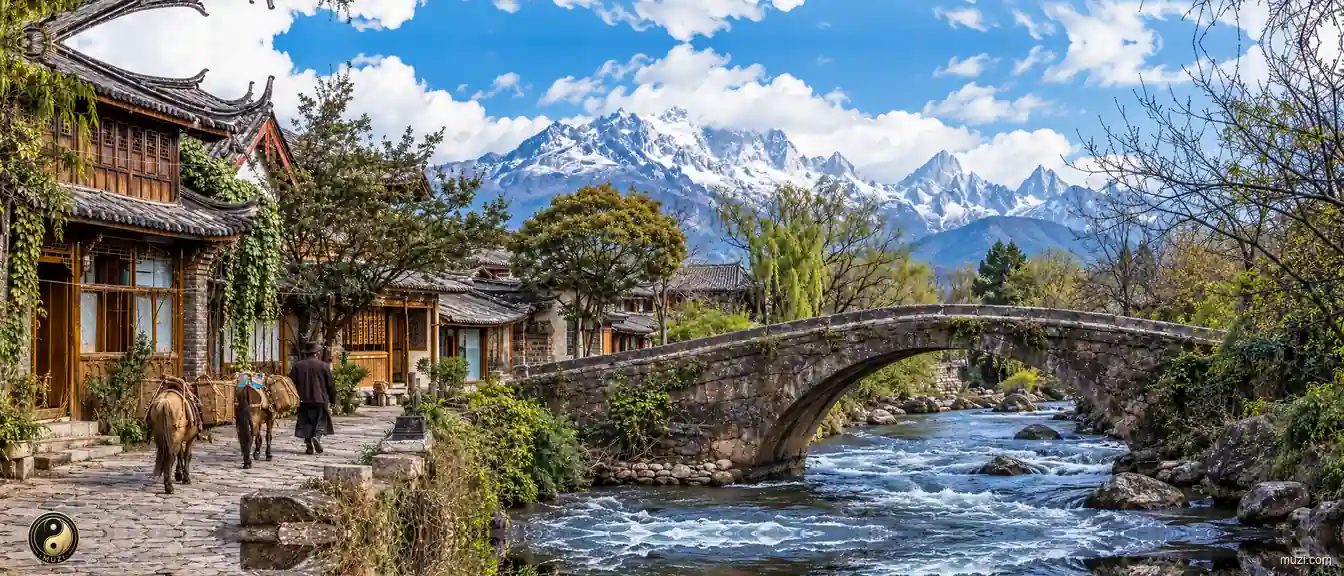
Best-preserved caravan stop on the Ancient Tea Horse Road; Qinglong Bridge and Naxi houses retain the rustic charm of horse-caravan days.
 Historical Villages & Towns
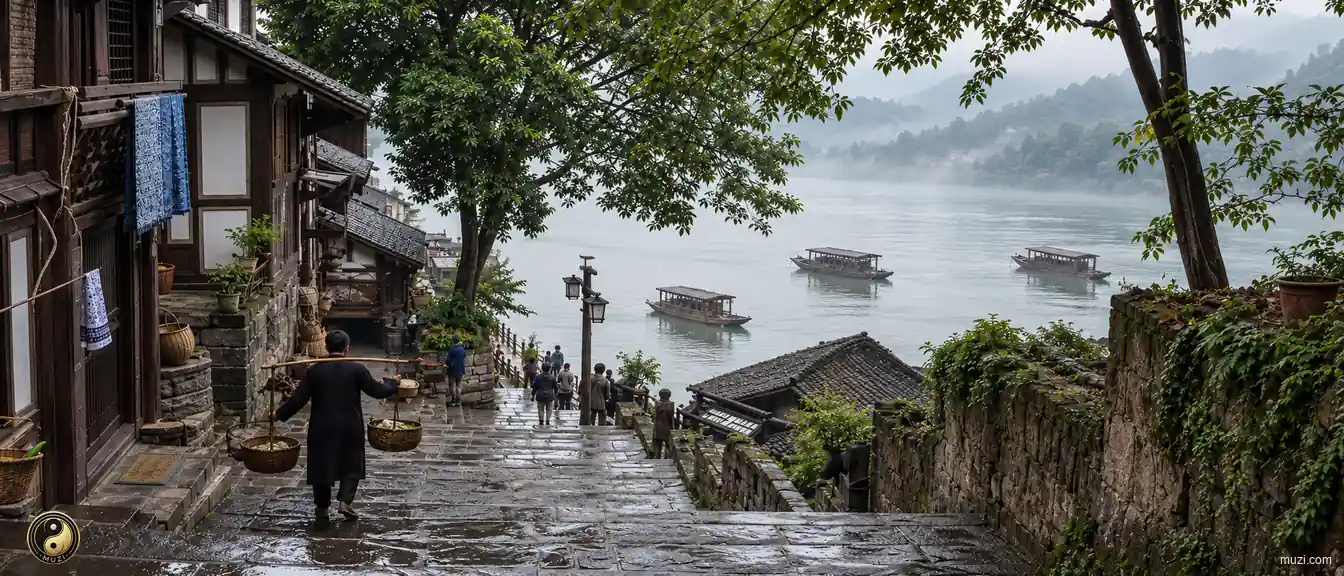
Chongqing's thousand-year-old dock town; Bayu folkways and mountain-city life converge; Chen Mahua twists and Maoxuewang tripe are famous far and wide.
 Historical Villages & Towns
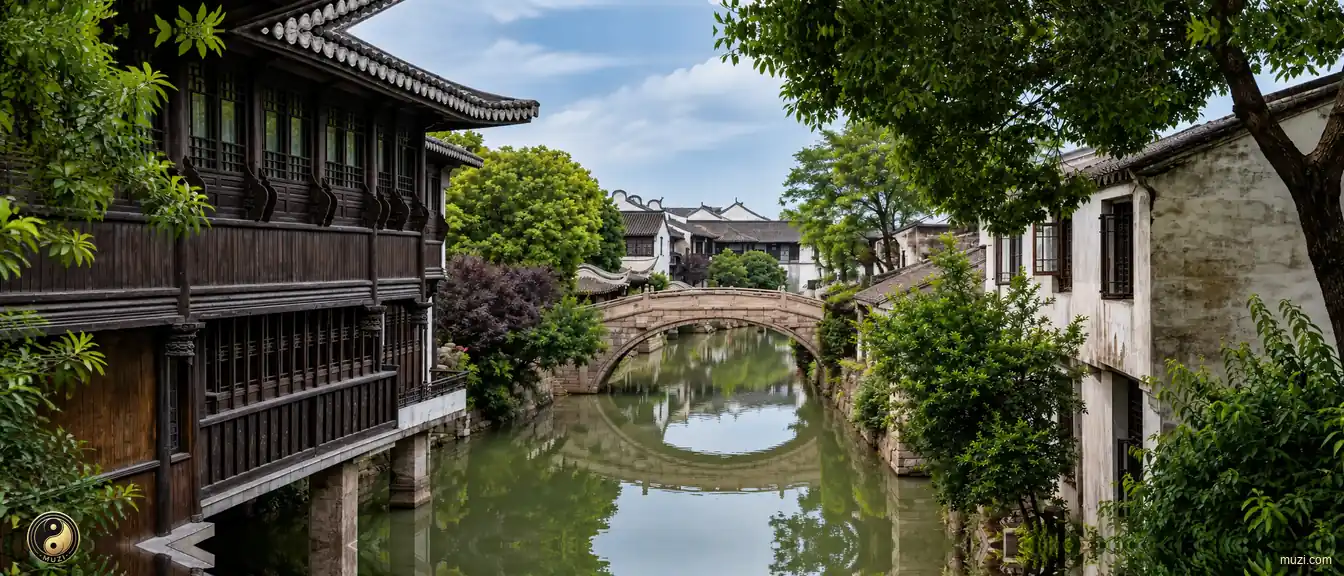
Foremost garden town of central Wu; Emperor Qianlong visited six times; Yan's Garden and Hongyin Mountain House epitomize Jiangnan refinement.
 Historical Villages & Towns
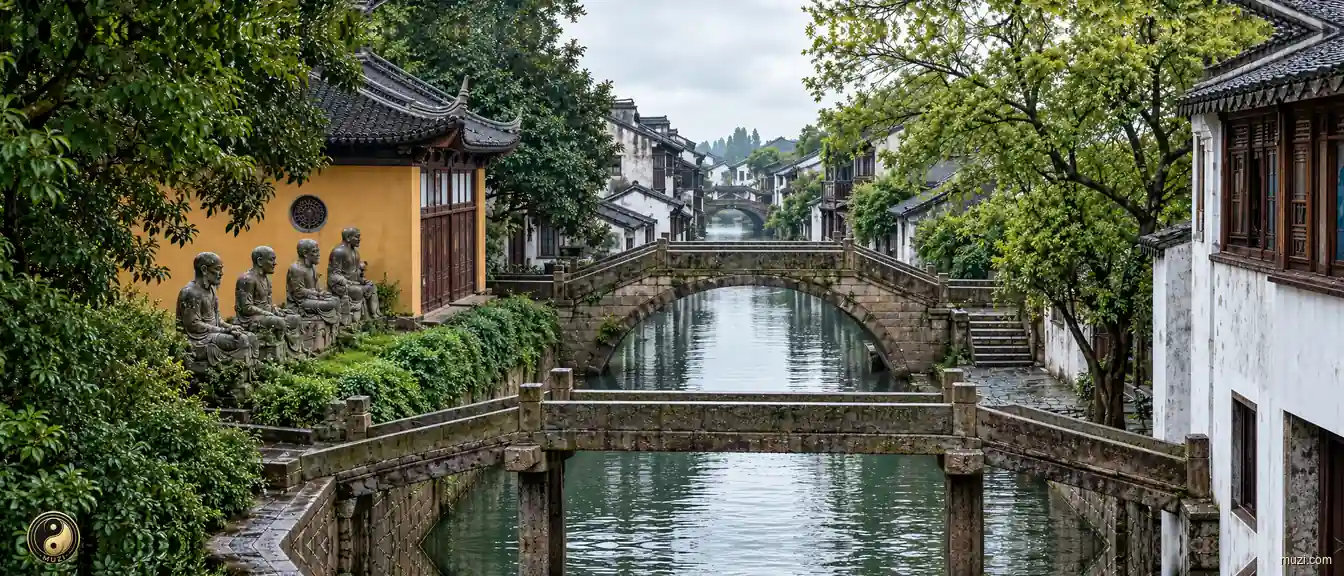
Tang-dynasty arhat sculptures at Baosheng Temple are national treasures; a bridge every few steps in this water town; Ye Shengtao taught and wrote here.
 Historical Villages & Towns
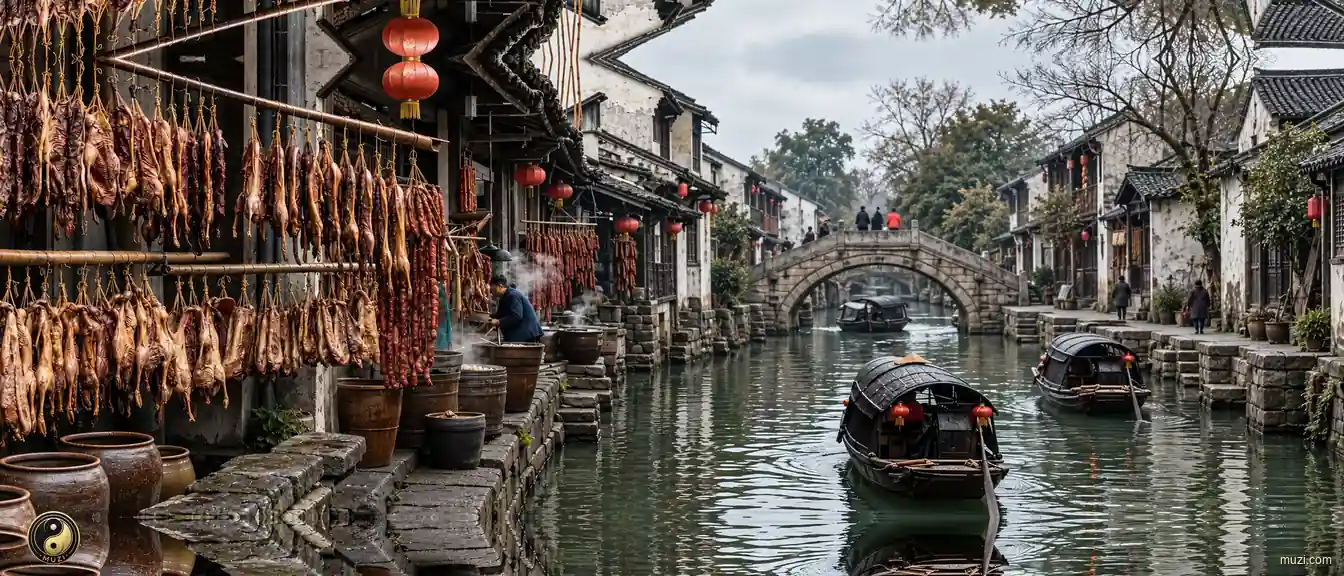
Hometown of shifu private advisers and Shaoxing rice wine; the December festival drapes streets with cured duck and sausage — Jiangnan's most lived-in water town.
 Historical Villages & Towns
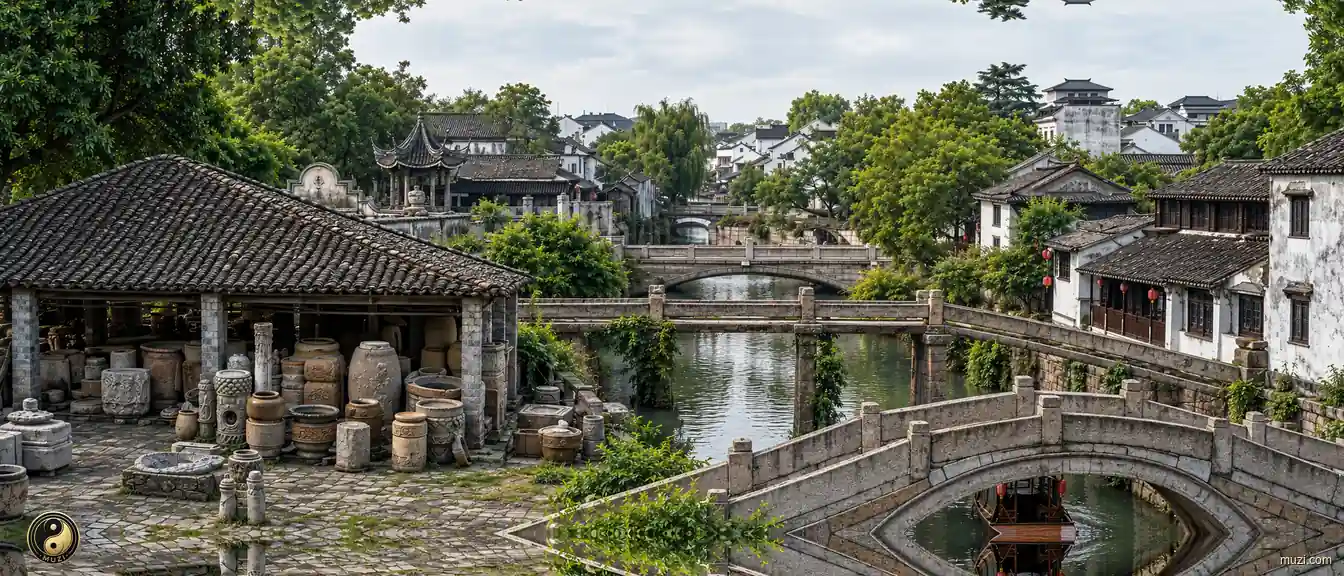
Jinxi's folk museums, ancient kilns, and Southern Song heritage give the town a distinctive cultural profile.
 Historical Villages & Towns
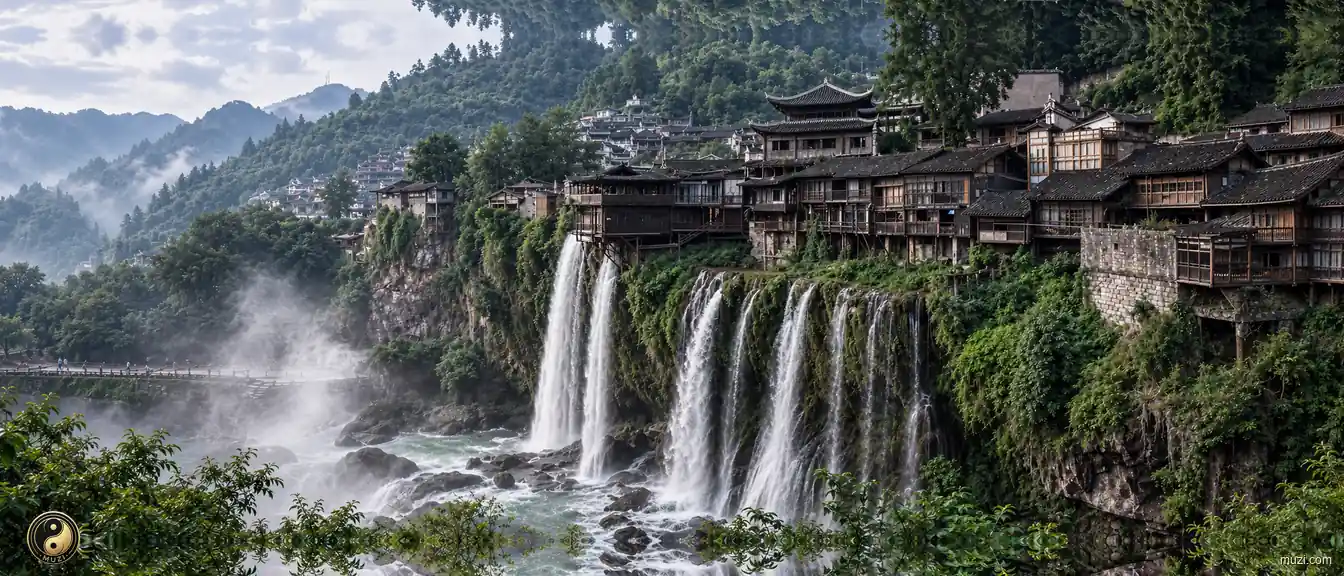
Thousand-year-old town suspended over a waterfall; the Qin-Han Western Youyang city site; Tujia stilted houses hang over the great cascade.
 Historical Villages & Towns
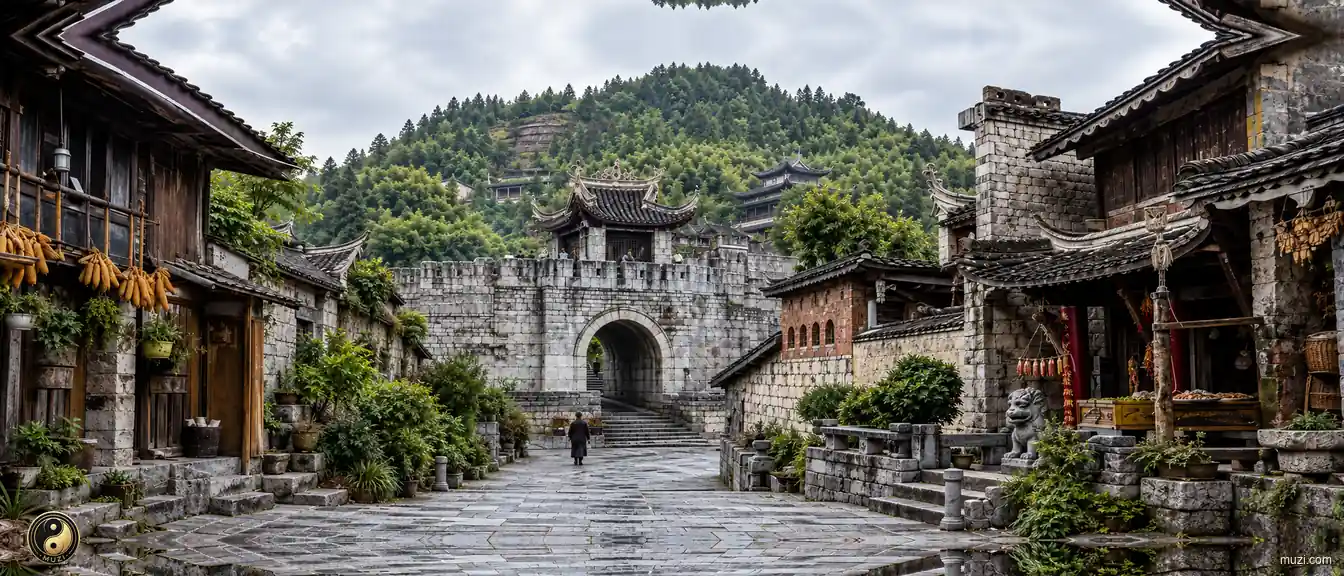
Ming-dynasty military stronghold where Confucianism, Buddhism and Taoism coexist; the ancient wall and lu zhu jiao (braised pig trotters) are Qingyan's icons.
 Historical Villages & Towns
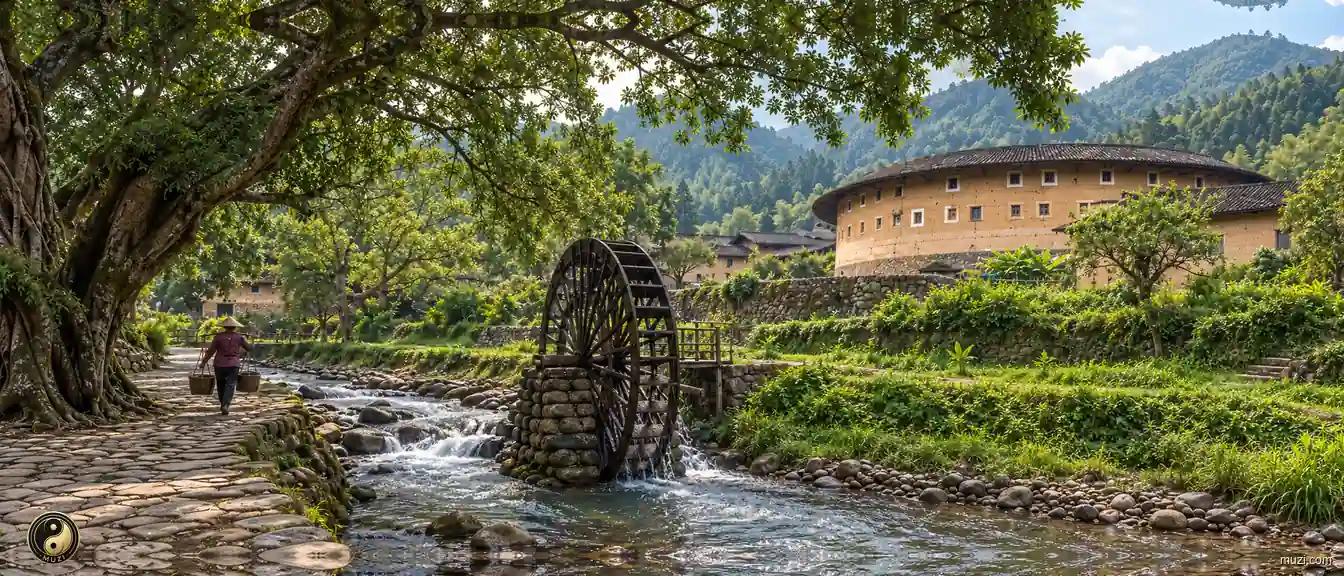
Part of the UNESCO Fujian Tulou World Heritage site; Yunshuiyao ancient path and waterwheels compose a pastoral idyll.
 Historical Villages & Towns
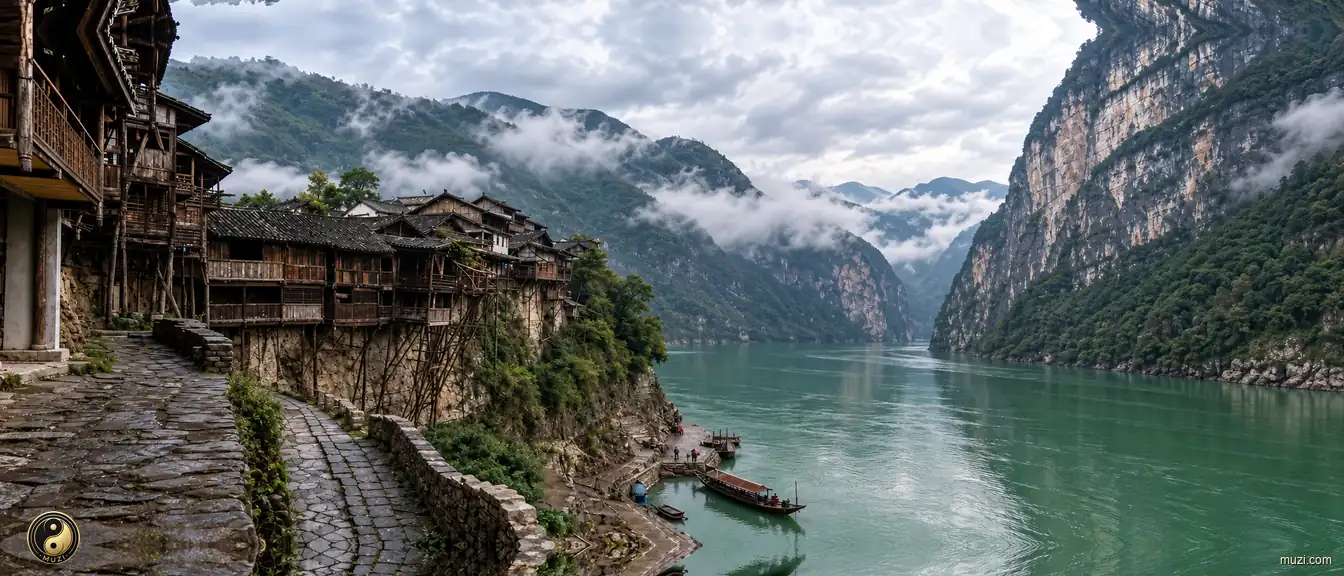
Sheer-cliff town on the Wujiang Gallery; Tujia stilted houses tier down the slope; the flagstone old street continues a salt-trade legacy since Three Kingdoms.
 Historical Villages & Towns
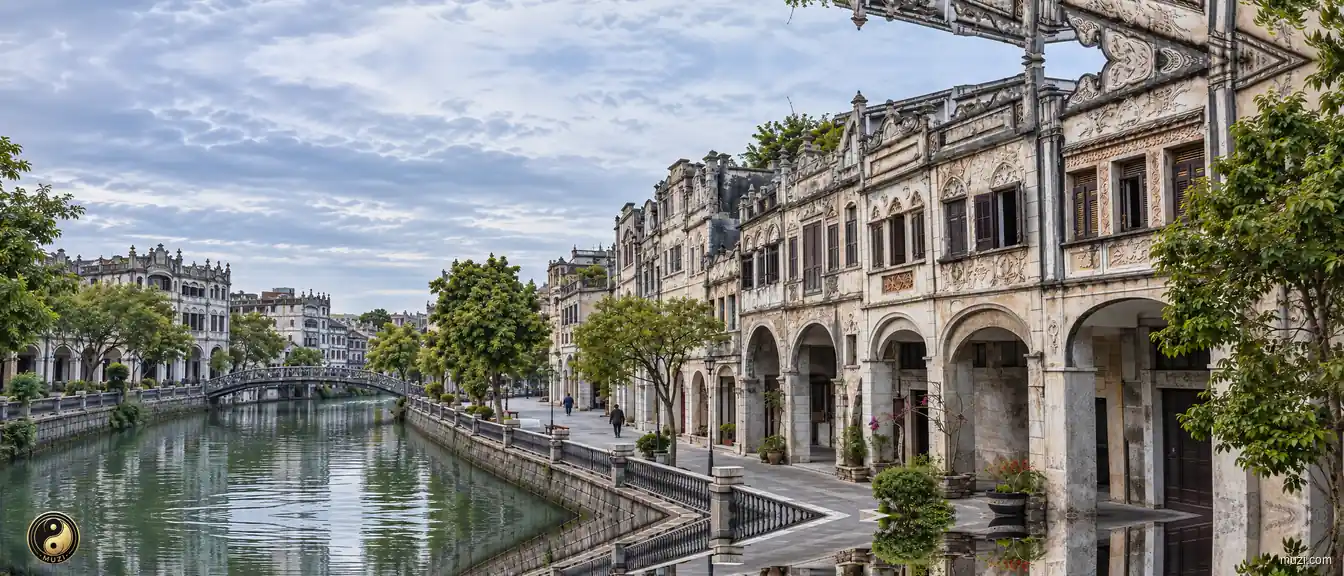
Lingnan arcade-building museum; overseas Chinese culture crystallized in Guan Library and European-style villas.
 Historical Villages & Towns
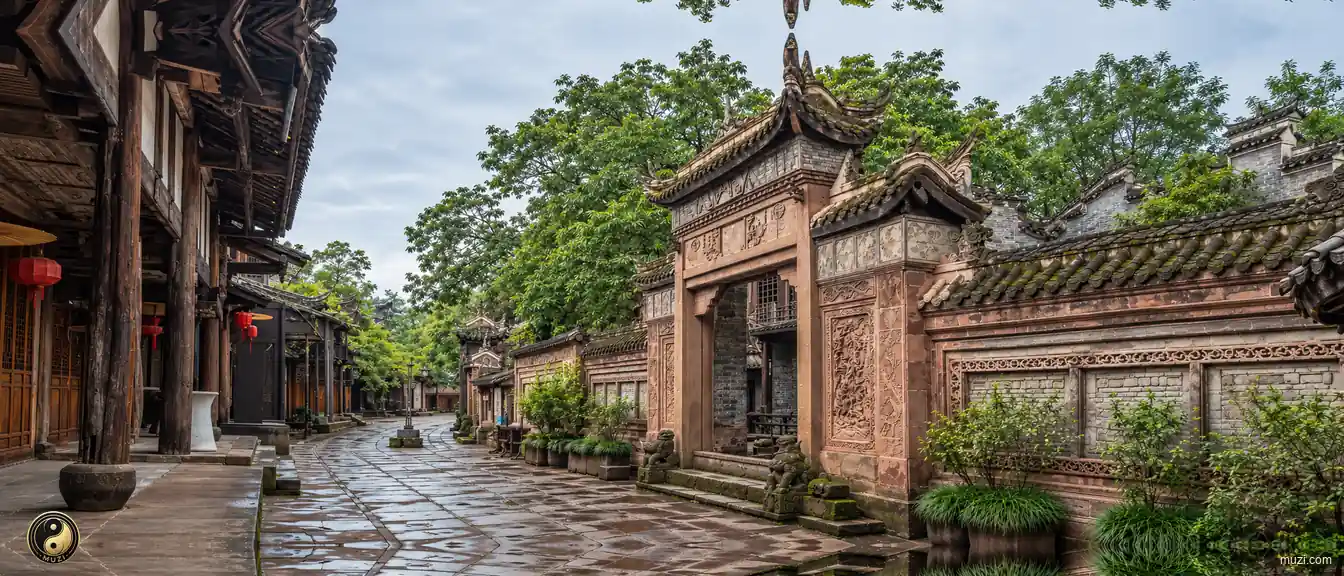
Luodai's Hakka guildhalls, foodways, and community traditions anchor a cultural town west of Chengdu.
 Historical Villages & Towns
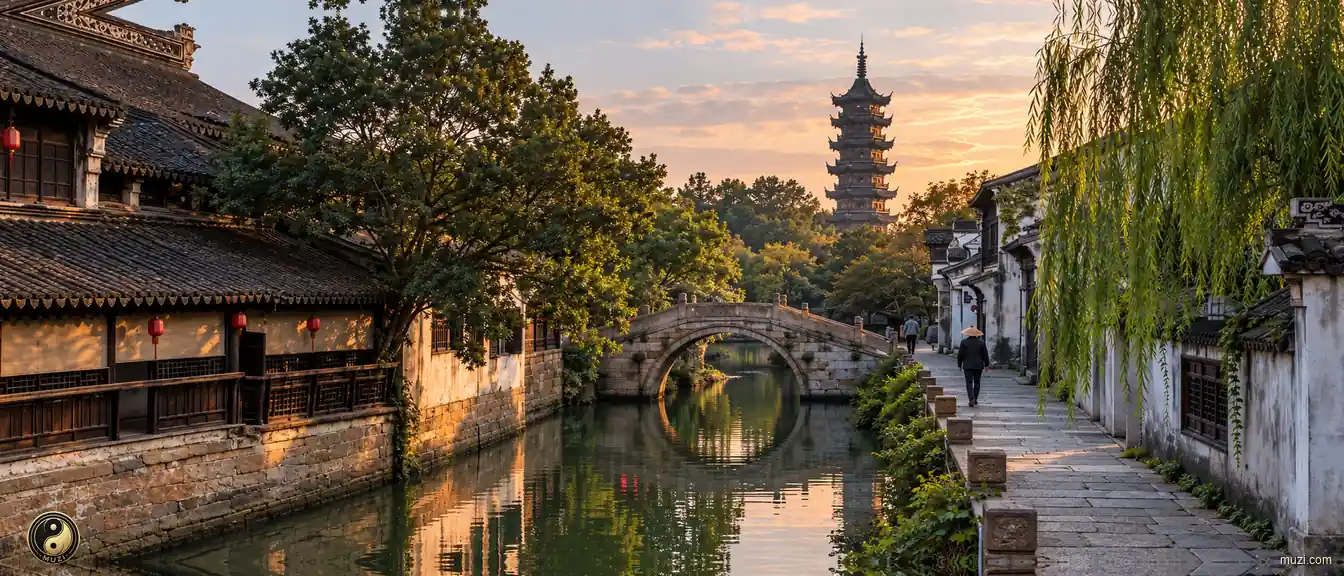
Birthplace of Kunqu opera and hometown of Gu Yanwu; Qinfeng Pagoda and the flagstone street witness 2,500 years of Wu-region heritage.
 Historical Villages & Towns
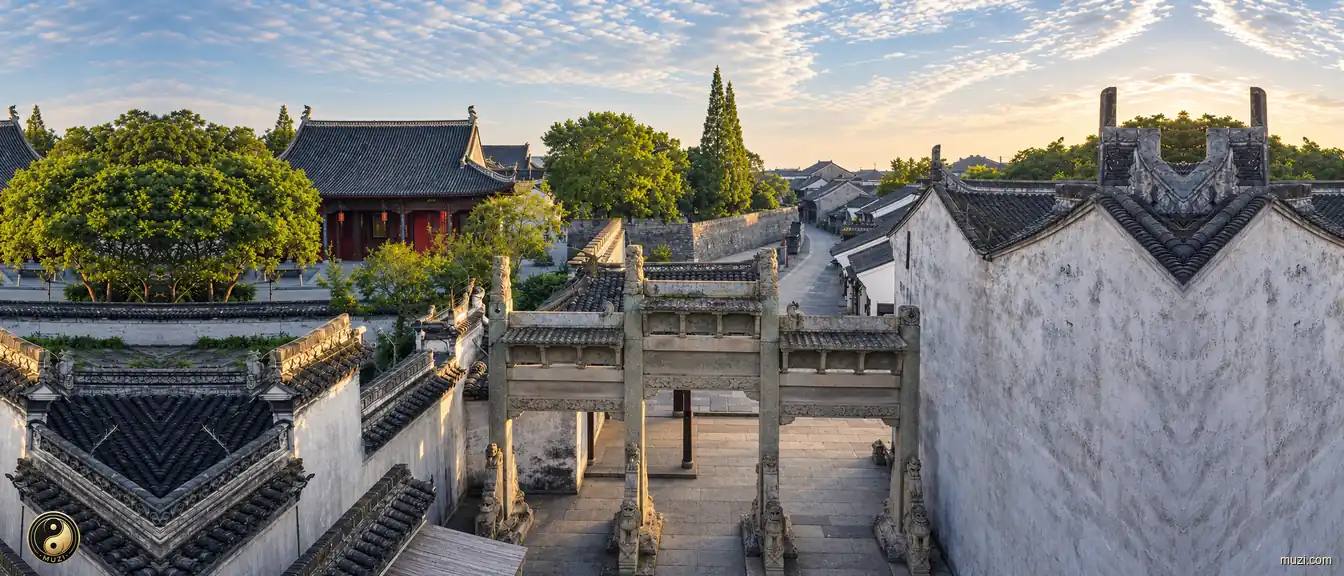
Foremost ancient county town in Jiangnan; Tang-dynasty urban layout preserved intact; filial piety culture and the Confucian Temple carry a thousand-year lineage.
 Historical Villages & Towns
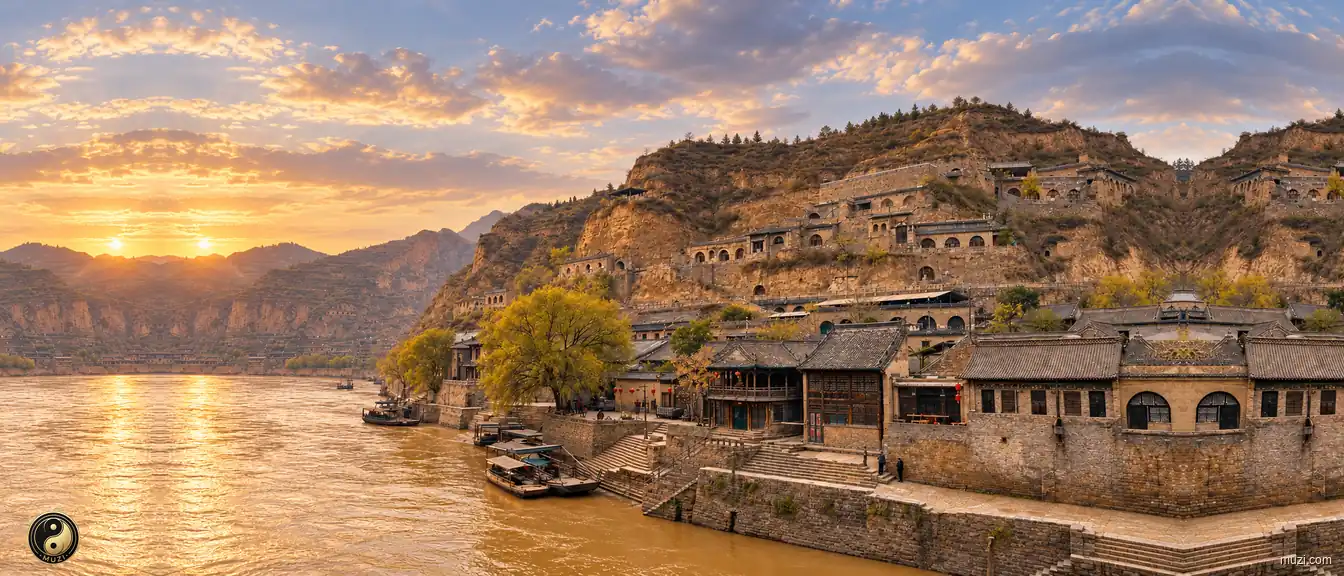
No.1 town on the Yellow River's nine bends; key ferry port for western Shanxi merchants; Lijiashan cave dwellings are the Potala Palace of the Loess Plateau.
 Historical Villages & Towns
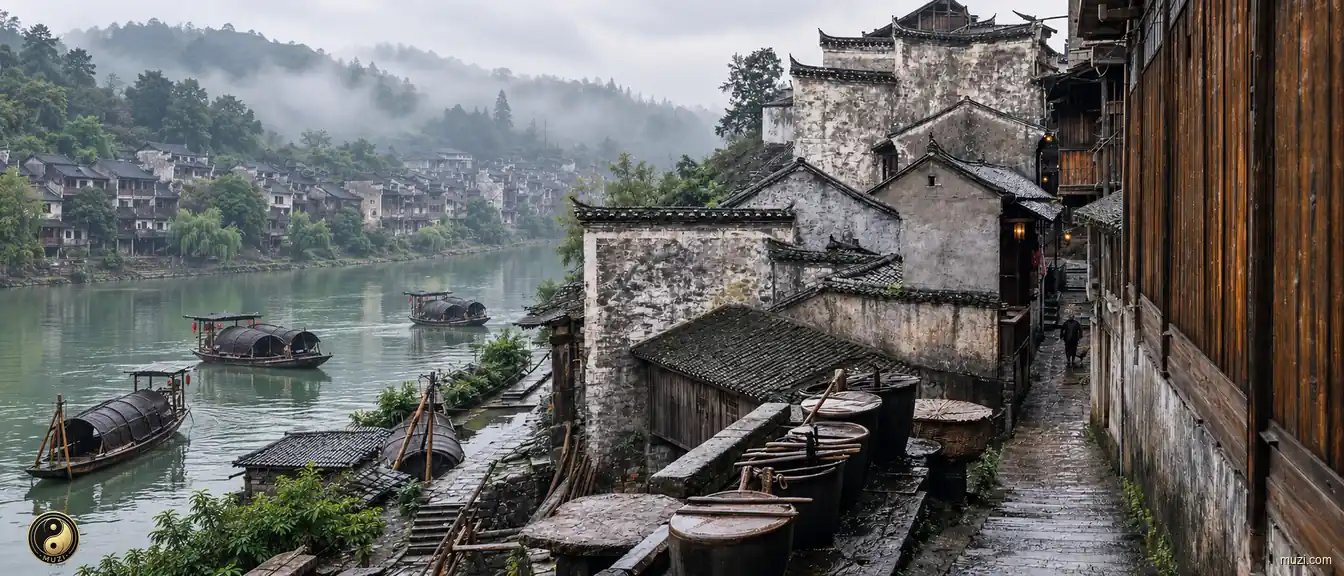
Hongjiang preserves Ming-Qing commercial streets, Yinzhiwu houses, and the tung-oil trade history of western Hunan.
 Historical Villages & Towns
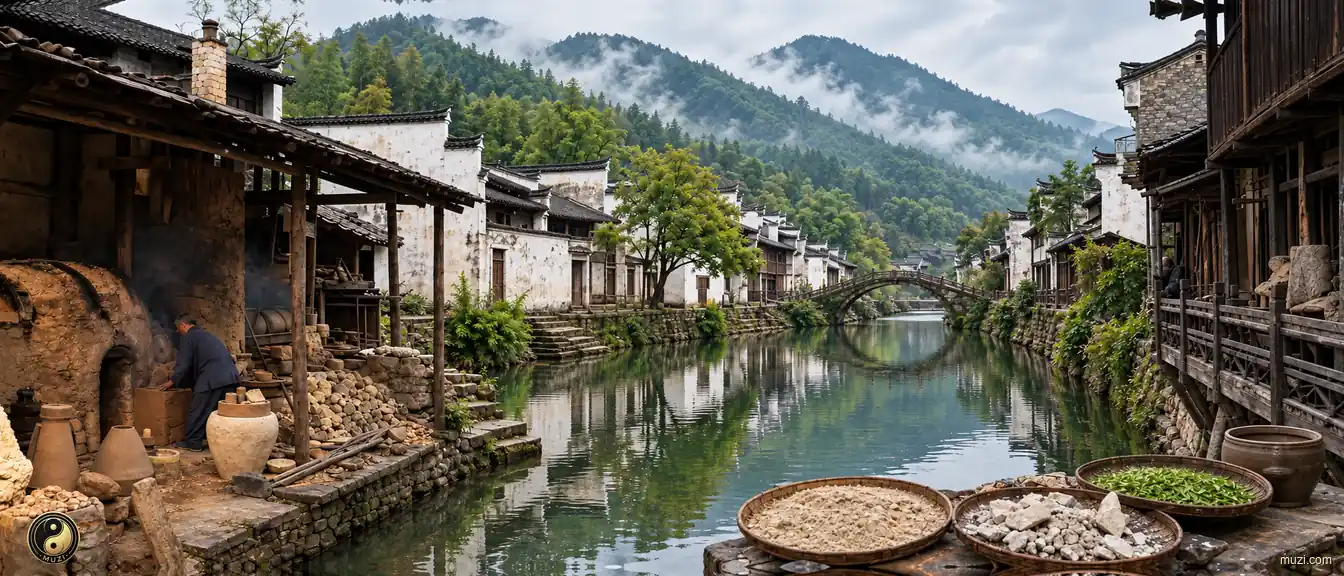
Source of porcelain, homeland of tea, sea of forests; the raw material origin for Jingdezhen ceramics; Ming-Qing commercial street testifies to bygone bustle.
 Historical Villages & Towns
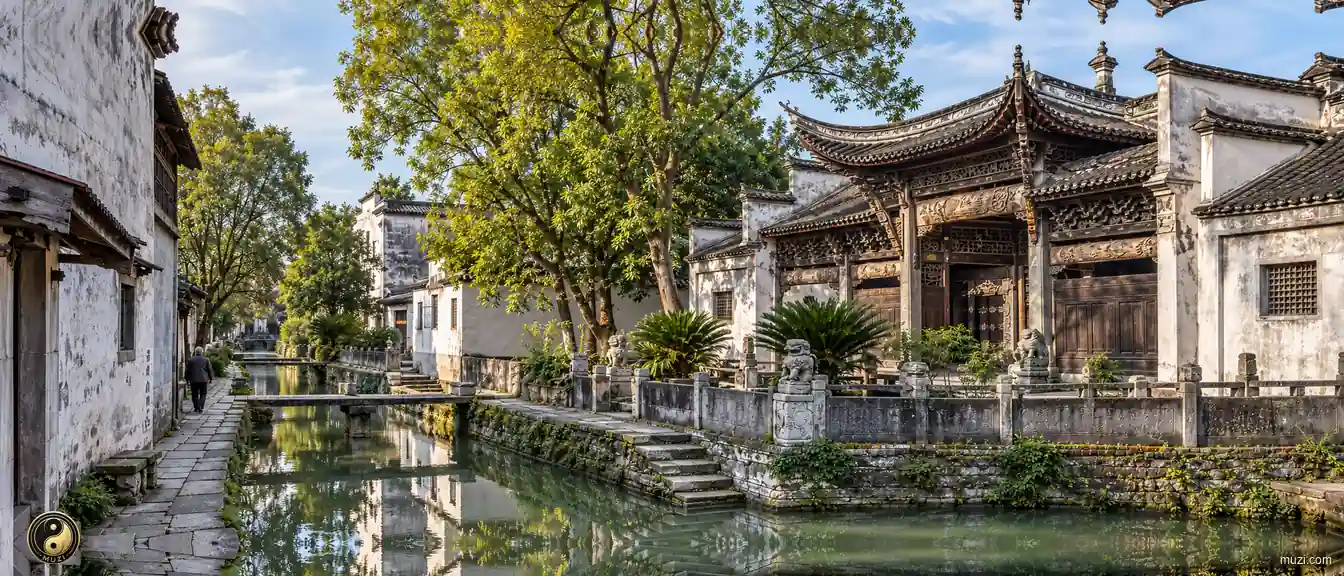
Ming-Qing village in Jiangnan threaded by a Bagua water system; the Tong clan ancestral hall and exquisite carvings showcase eastern Zhejiang clan culture.
 Historical Villages & Towns
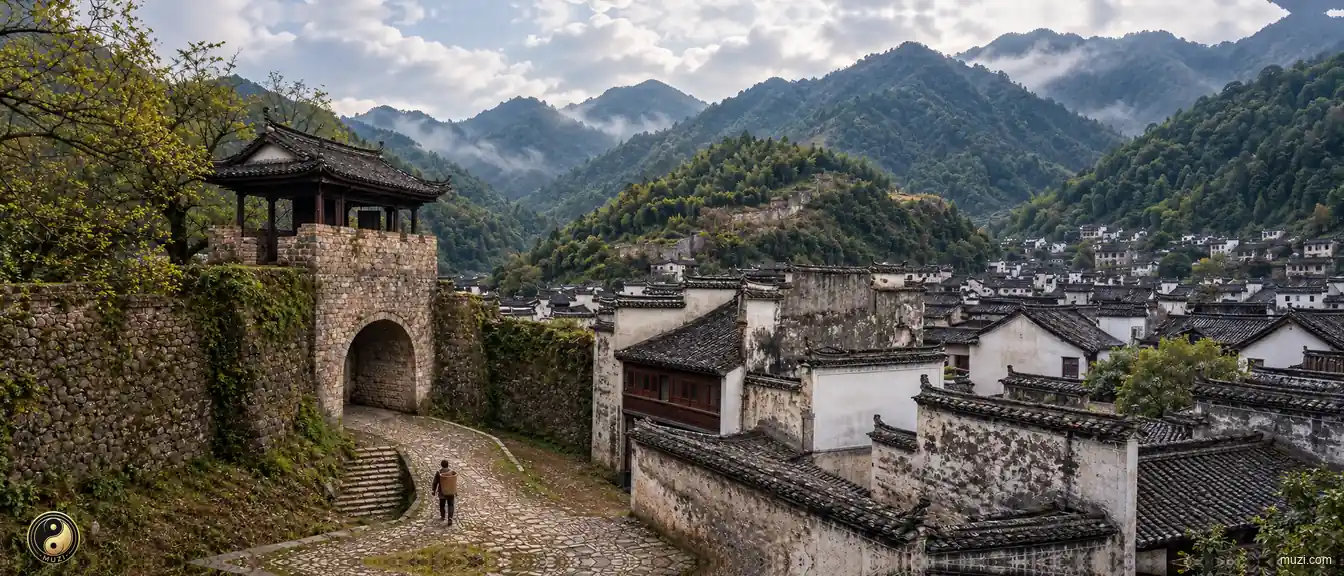
Unique ancient town straddling three provinces where a hundred surnames gather; Fengling Pass and Ming-Qing buildings are living fossils of military-commercial hybrid history.
 Historical Villages & Towns
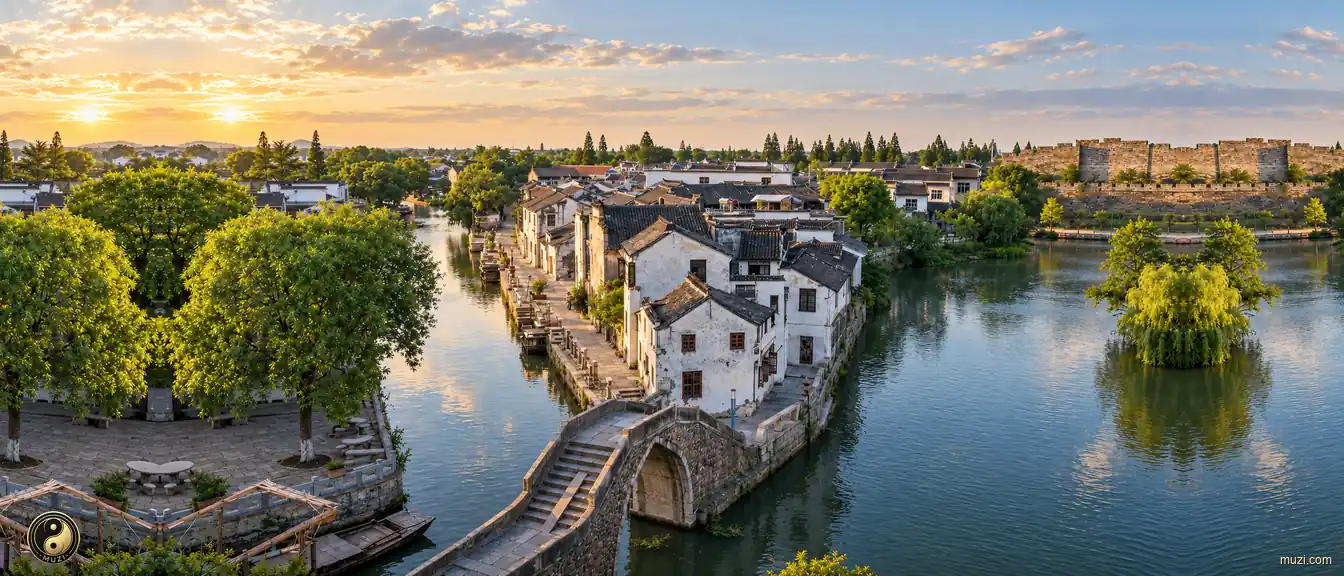
Water town where the Fengle and Hangbu rivers meet; Yang Zhenning's former residence and the Taiping army ancient wall carry deep history.
 Historical Villages & Towns
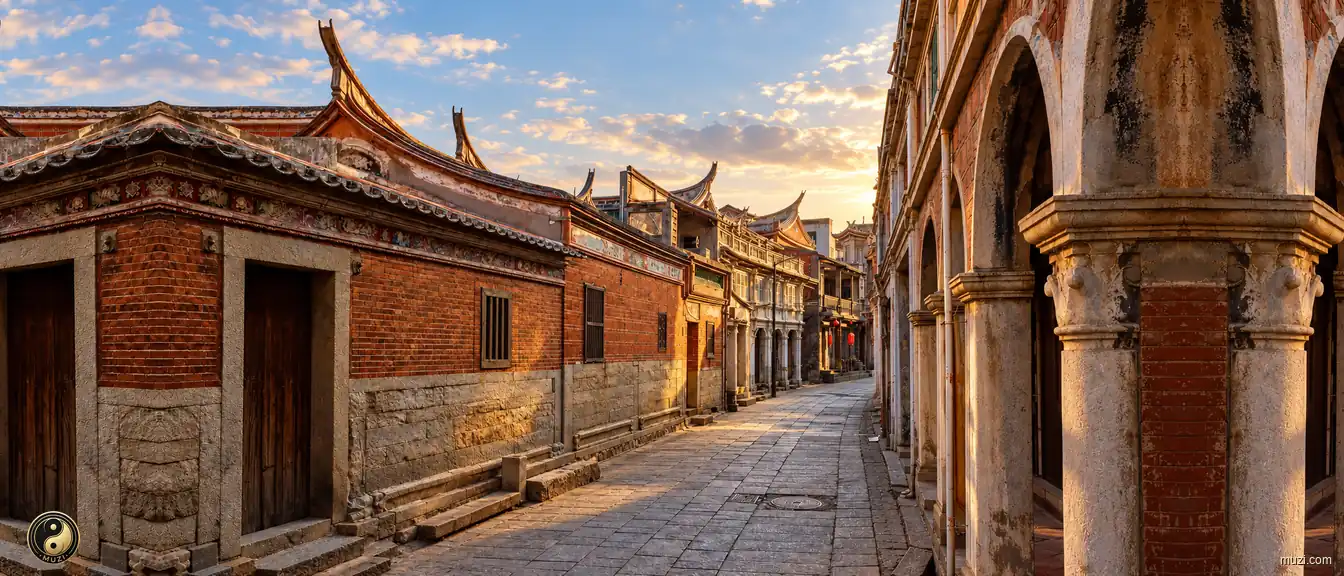
Core region of southern Fujian culture; Tang-Song city layout coexists with Ming-Qing arcade buildings; Taiwan Road old street testifies to Fujian-Taiwan kinship.
 Historical Villages & Towns
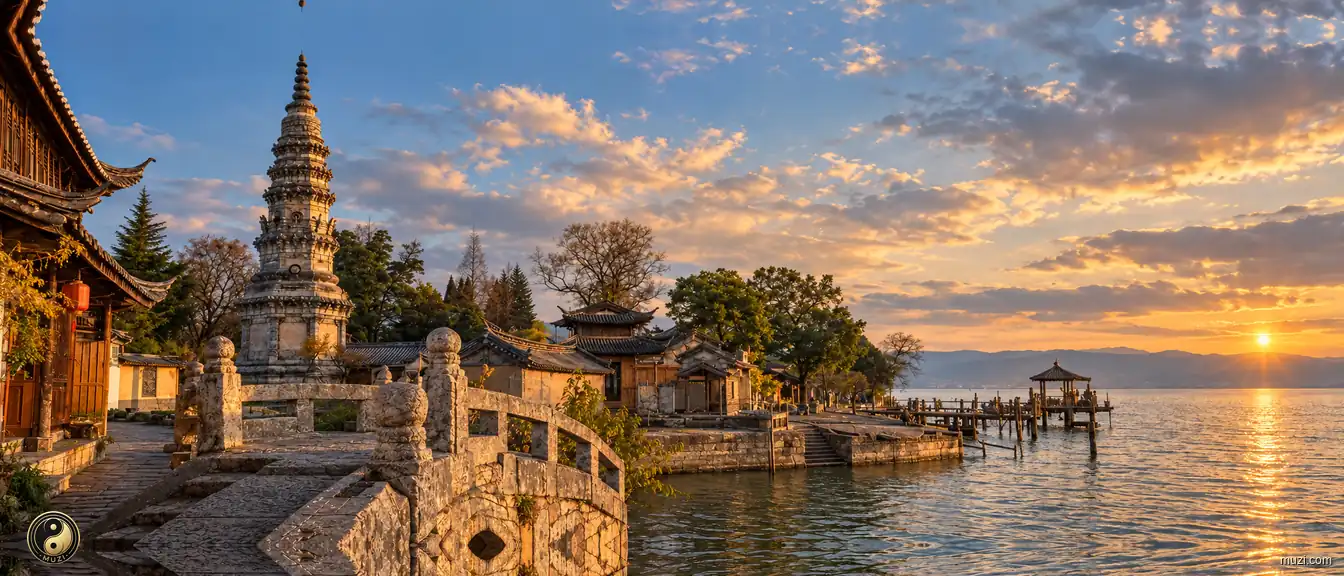
Tang-dynasty Nanzhao ferry port; Miaozhan Temple Diamond Throne Pagoda is the foremost vajra throne pagoda in central Yunnan; once the busiest trade port on Lake Dian.
 Historical Villages & Towns
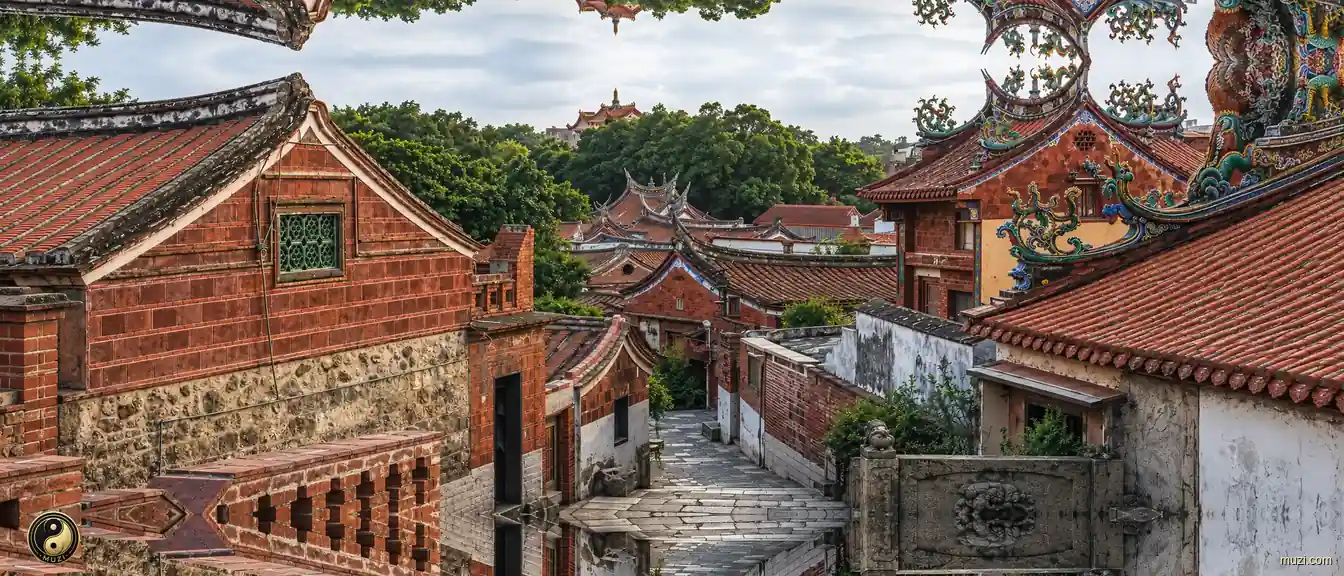
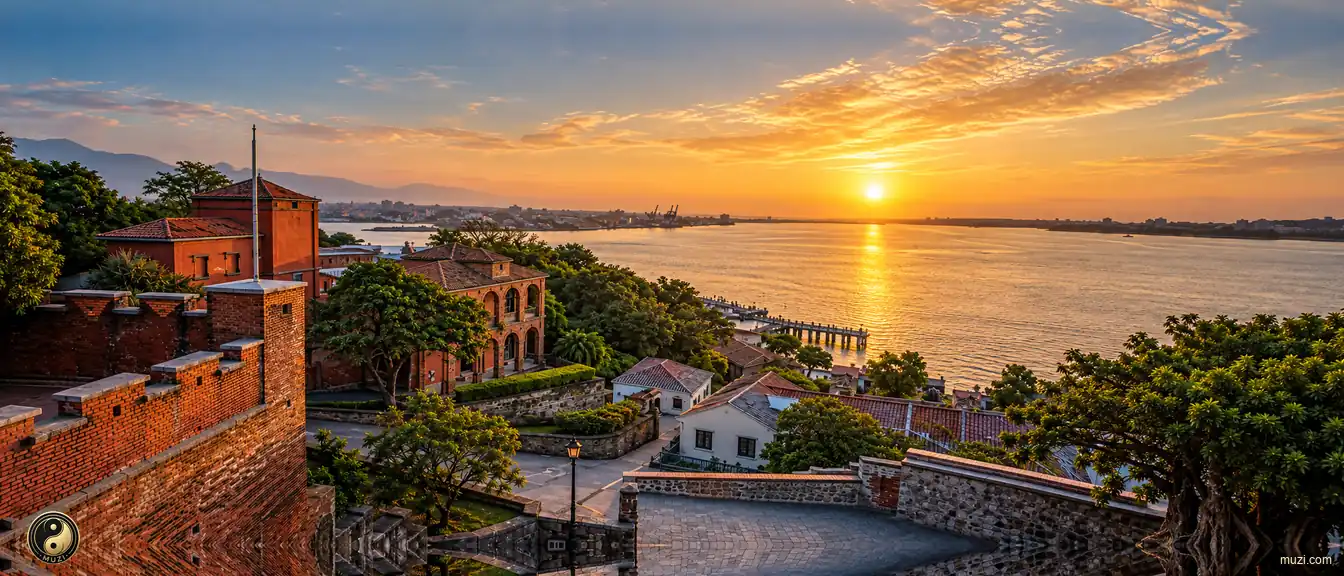
Taiwan's most historic port town; officially opened for trade during the Qing era; dense temples and southern Fujian-style old houses bear witness to its golden age as 'one government, two deer, three Monga'.
 Historical Villages & Towns
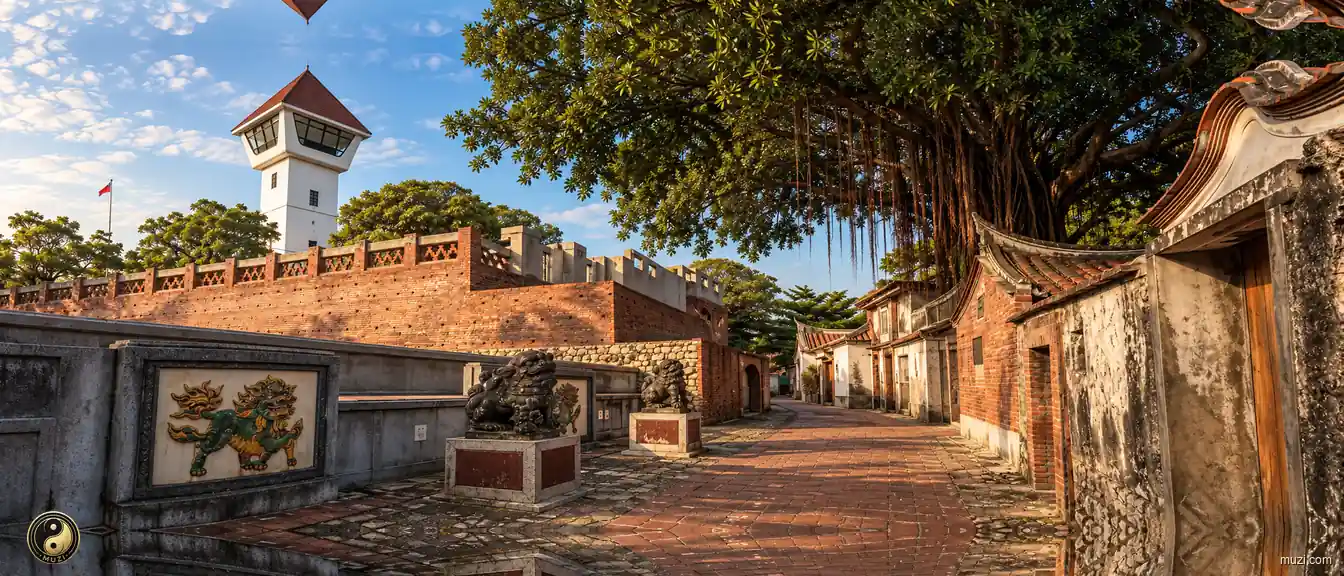
Port town at the mouth of the Tamsui River; Fort Santo Domingo and consulate buildings tell the story of modern Taiwan's international trade; Dr. George Mackay preached and practiced medicine here.
 Historical Villages & Towns
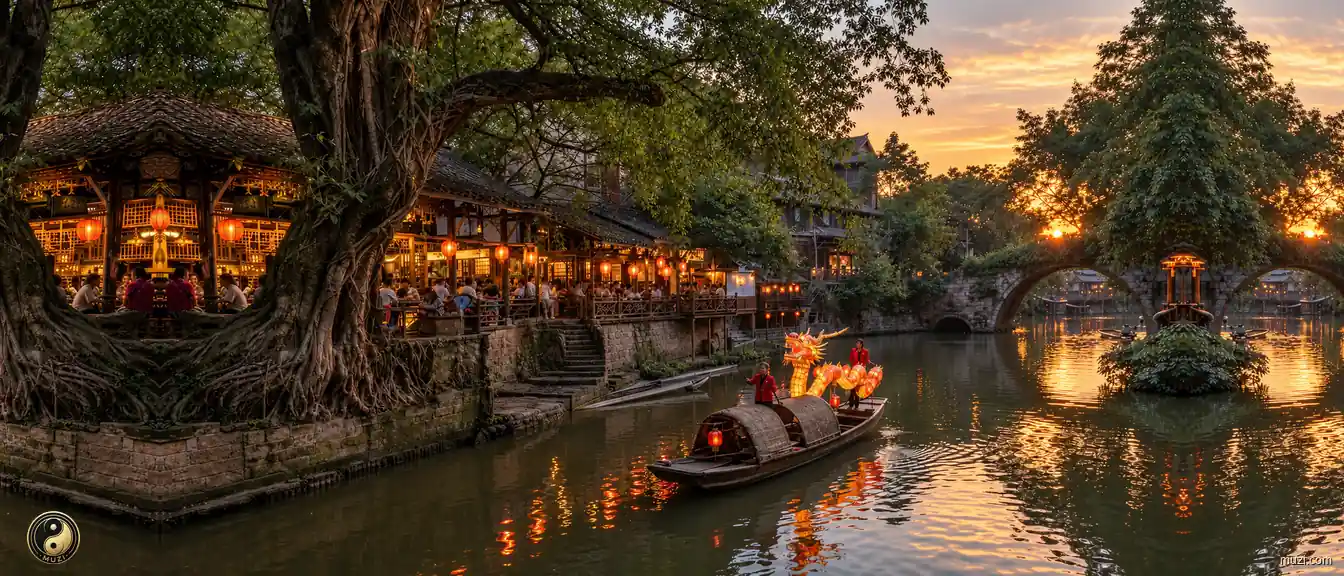
The earliest Han Chinese settlement in Taiwan; Sword Lion tablets and Anping Fort carry Ming-Zheng-era memories; narrow lanes and old walls are living fossils of Taiwan's pioneering history.
 Historical Villages & Towns
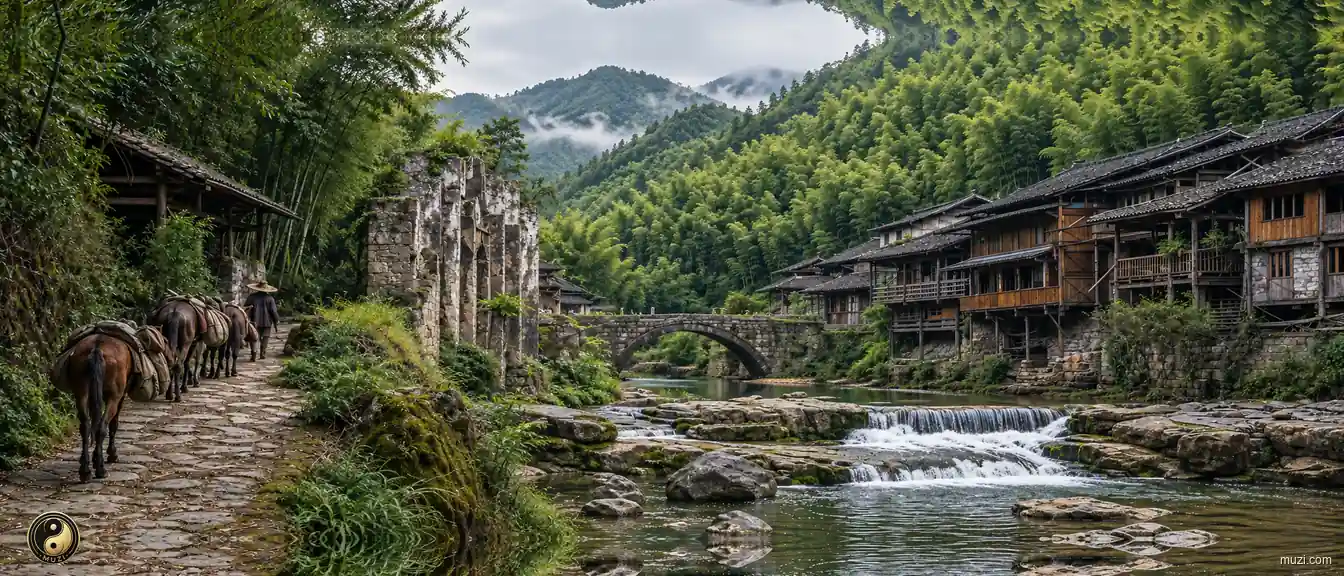
Best-preserved thousand-year-old river-wharf town in western Sichuan; ancient banyan trees and stilted houses line the Fu River; fire-dragon lantern dance and 'one-noodle' are the town's living cultural icons.
 Historical Villages & Towns
Top-ranked town in western Sichuan on the Ancient Tea Horse Road; Qin-Han post roads and ancient paper-making workshops survive; ten thousand mu of bamboo sea encircles the town like a green wall.
 Historical Villages & Towns
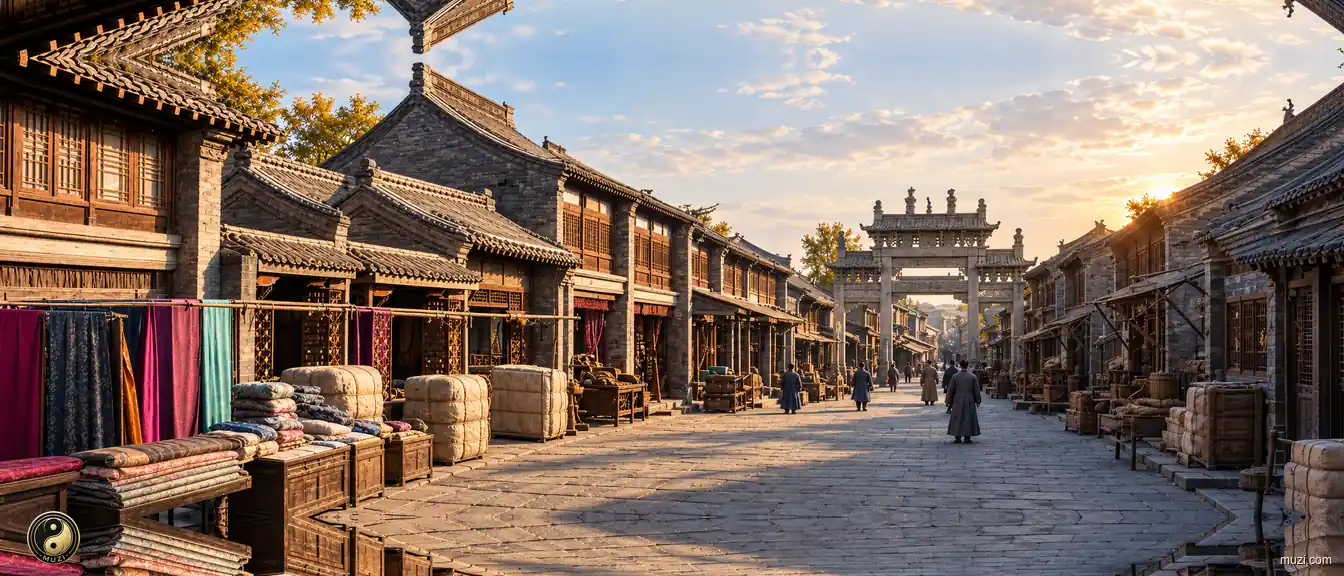
Known as 'No.1 village under heaven' and 'dry dock'; Ming-Qing era cradle of Lu merchants and northern silk distribution center; filming location for The Dyeing House and other TV dramas.
 Historical Villages & Towns
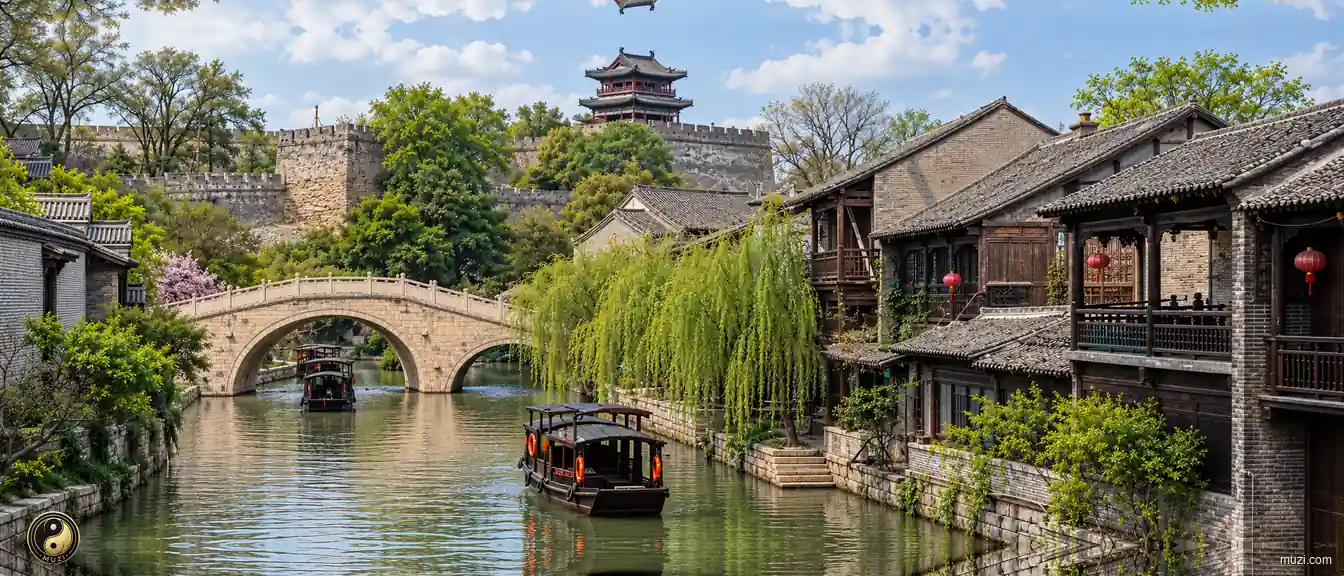
Grand Canal town once famous for 'merchants gathering, river full of fishing lanterns'; rebuilt after the Battle of Taierzhuang in WWII; now a world-renowned memorial ancient city.
 Historical Villages & Towns
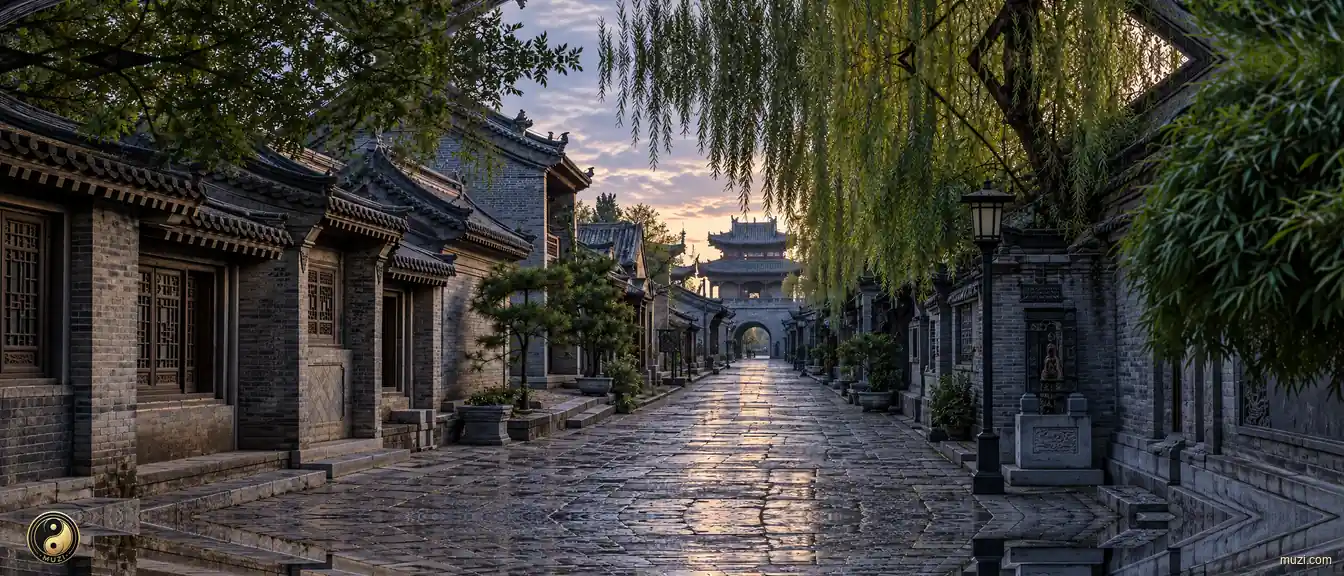
One of the Nine Ancient Provinces; centuries-old hub between sea and Mount Tai; Ming-Qing old streets and Occasional Garden preserve the complete ancient city pattern.
 Historical Villages & Towns
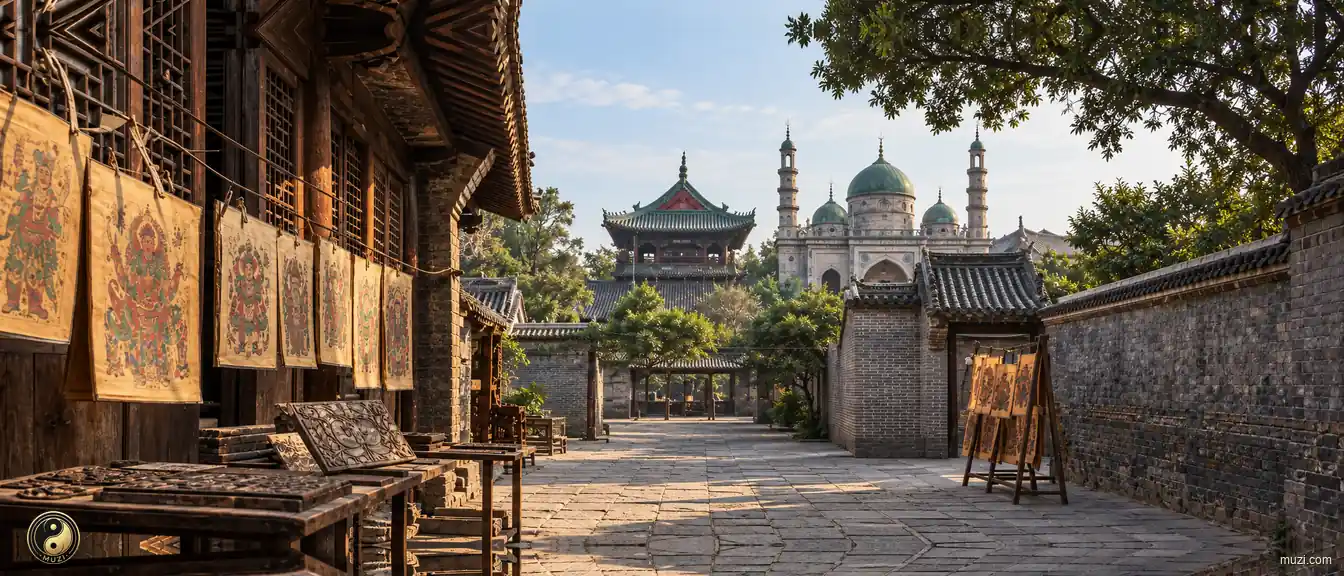
Zhuxian Town preserves woodblock New Year prints, Yue Fei-era military history, and multi-ethnic trade heritage around its mosque and ancient temple.
 Historical Villages & Towns
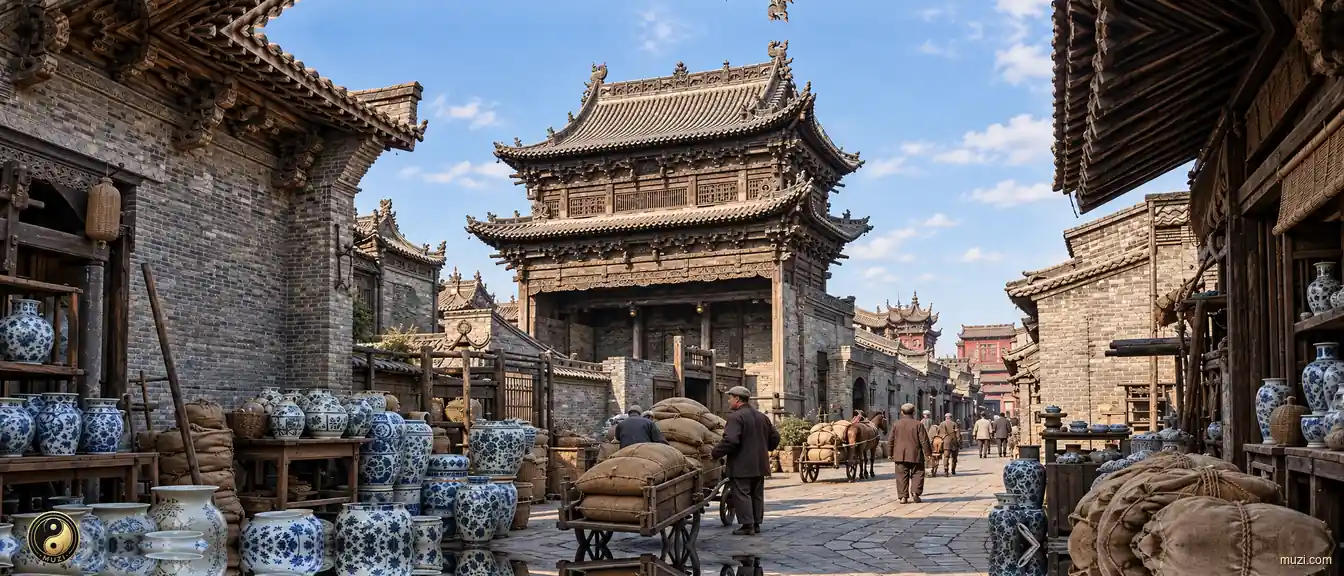
Key transfer station on the Ten-Thousand-Mile Tea Road and porcelain trade hub; the Shaanxi-Shanxi Guildhall and Fire God Temple preserve exquisite commercial architecture unrivaled in central China.
 Historical Villages & Towns
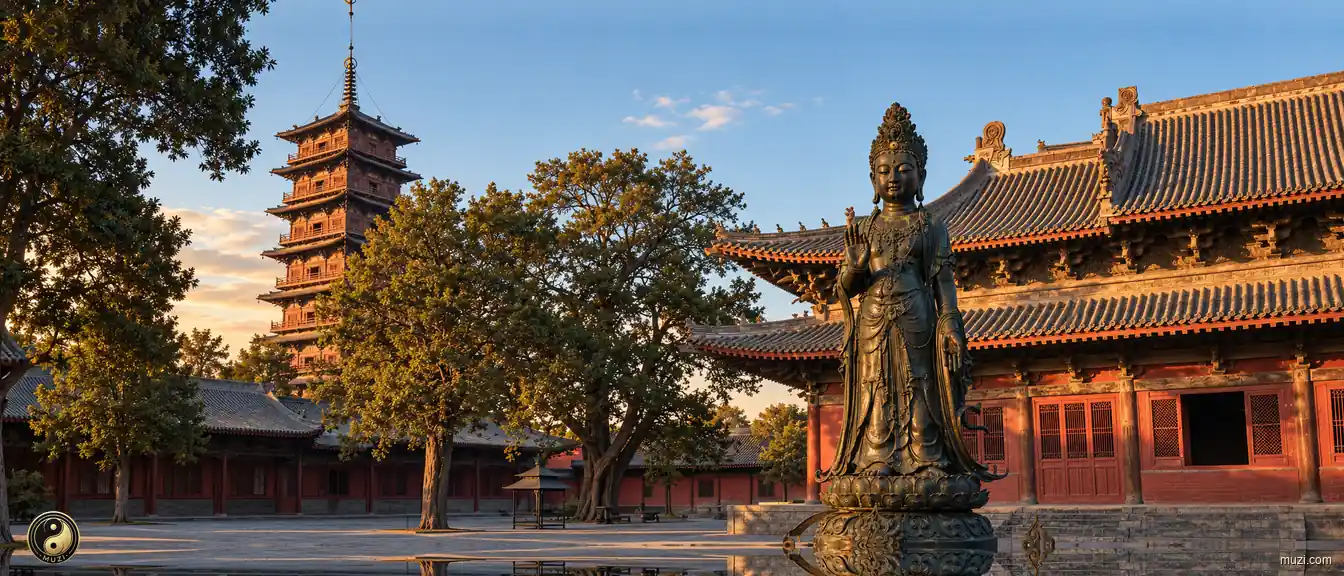
Zhengding preserves an ancient Buddhist landscape, Longxing Temple's cast-bronze Guanyin, Linji Temple heritage, and a Dream of the Red Chamber film set.
 Historical Villages & Towns
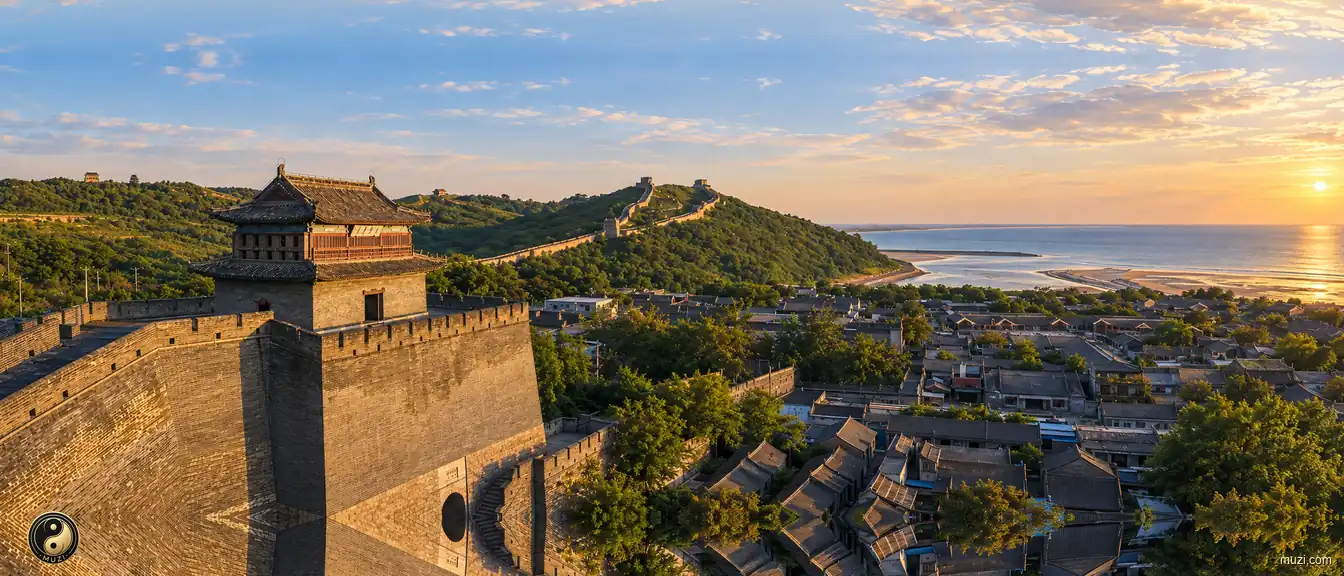
Eastern starting point of the Great Wall; 'No.1 Pass Under Heaven' commands the mountains and sea; Ming-Qing military fortress and city layout preserved intact; iconic Great Wall landmark.
 Historical Villages & Towns
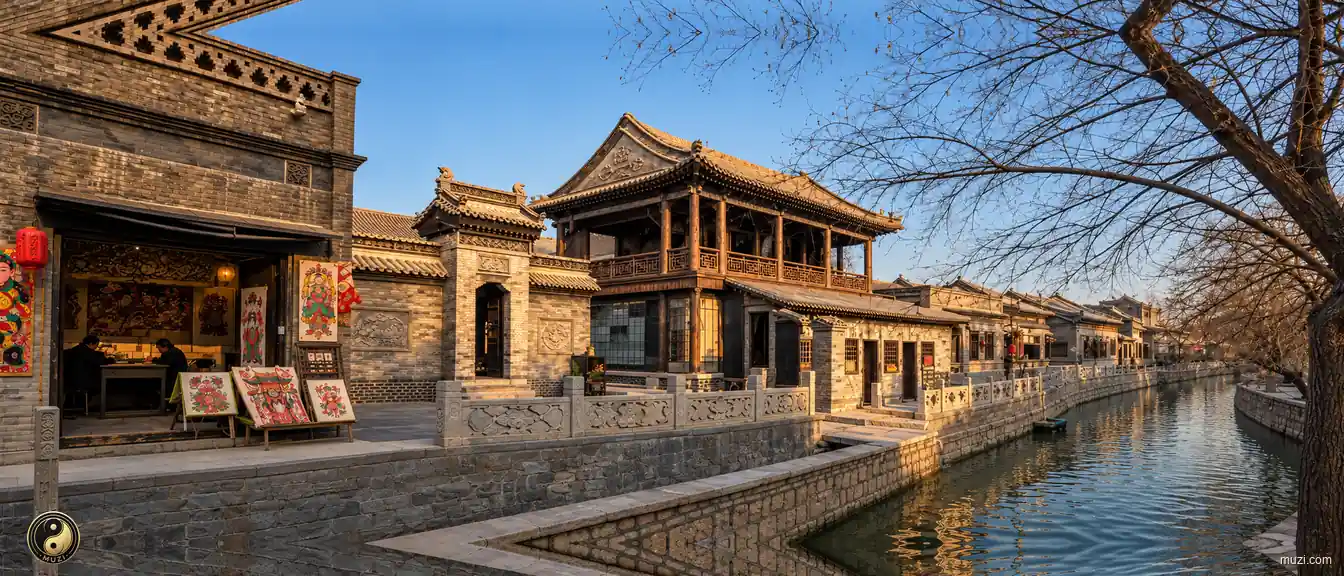
Hometown of China's woodblock New Year prints; northern folk-custom town nourished by the Grand Canal; Shi Family Mansion and opera stage showcase Tianjin merchant refinement.
 Historical Villages & Towns
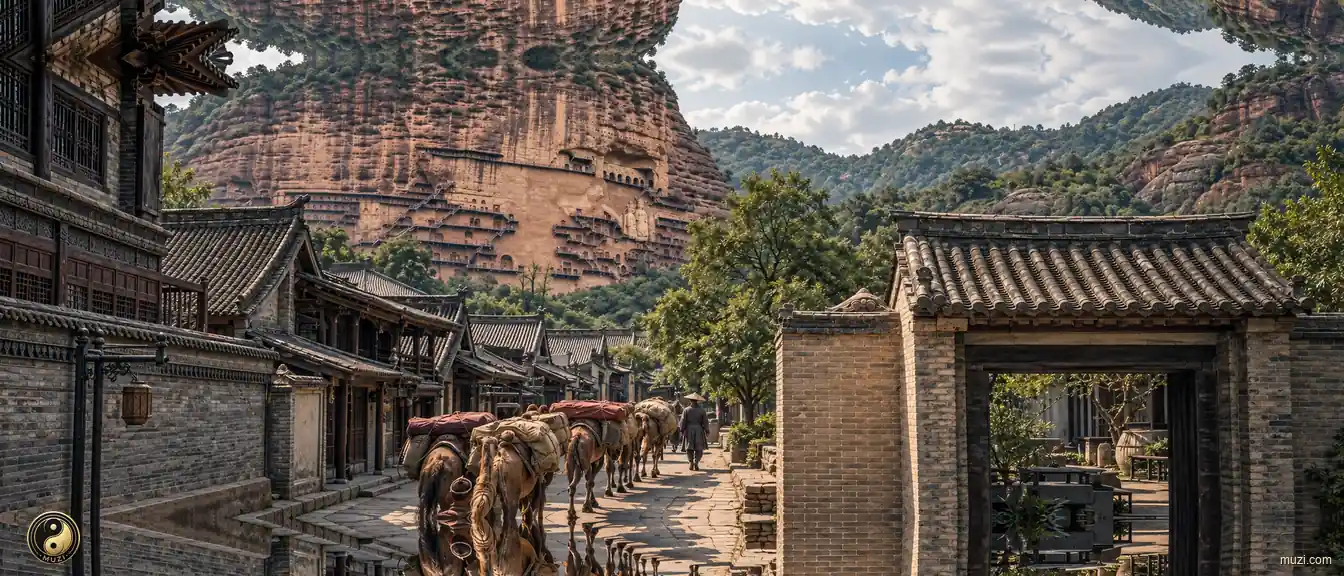
Tianshui joins Fuxi and Silk Road heritage with the Maijishan Grottoes, ancient streets, and Hu's Residence.
 Historical Villages & Towns
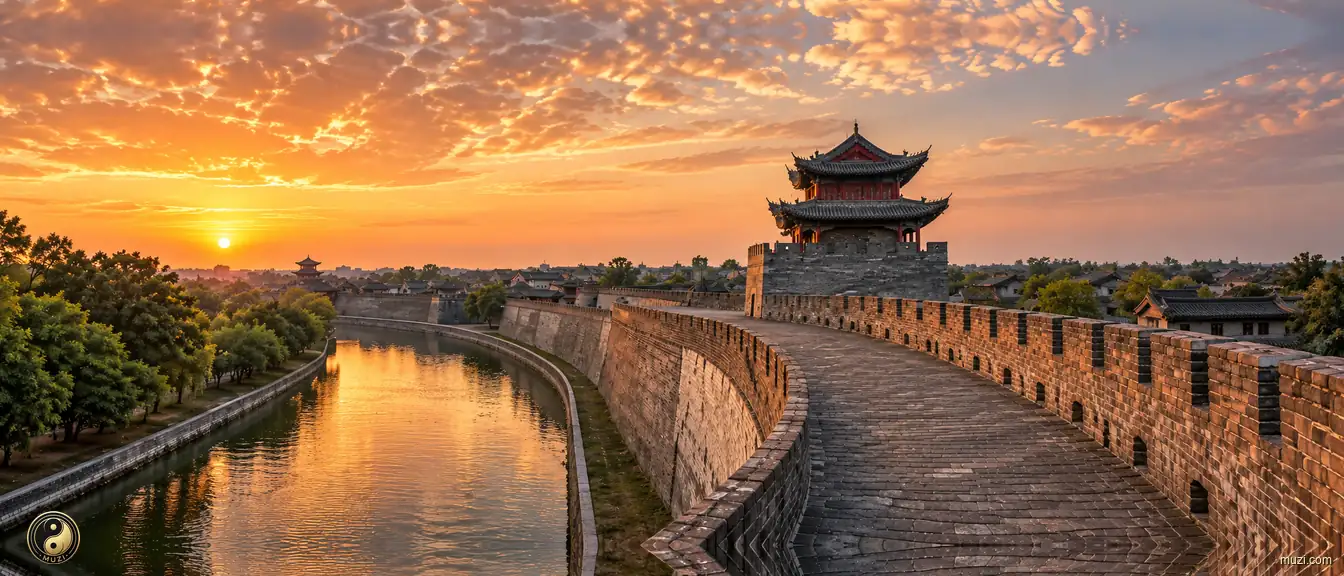
Jingzhou preserves Chu and Three Kingdoms heritage, with a Ming wall among the best-preserved city walls in the Jianghan region.
 Historical Villages & Towns
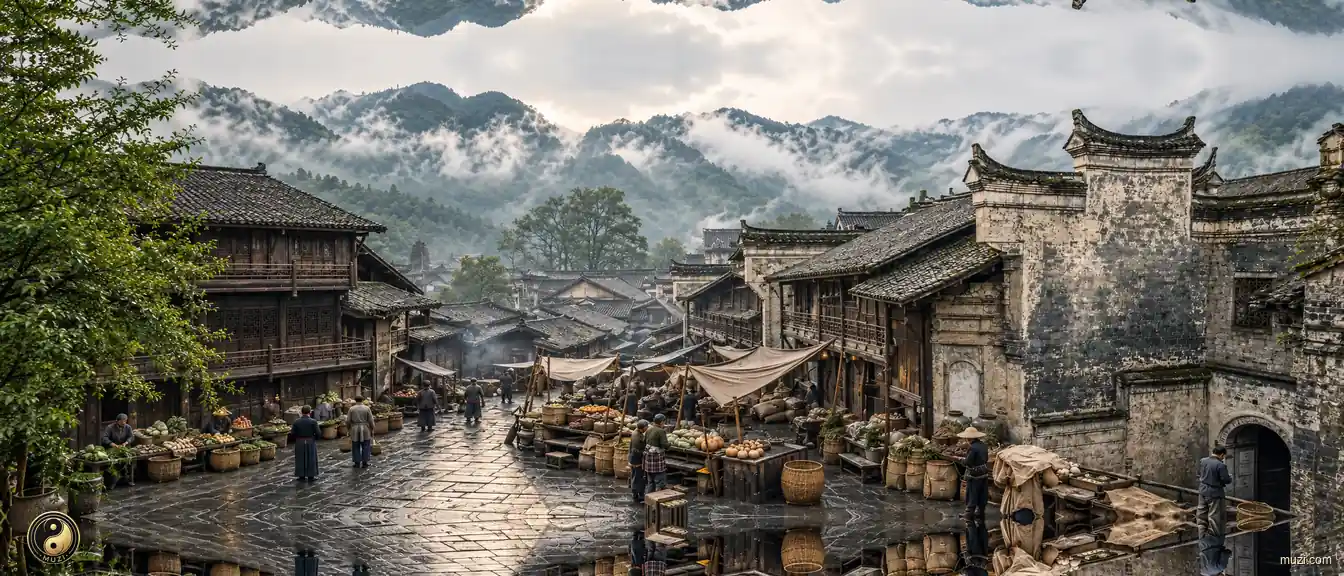
Where Shaanxi, Gansu and Sichuan meet — a town where three provinces converge; Wei Fuxuan's mansion and Huilongchang Old Street witness Republican-era border trade prosperity under a local 'warlord'.
No Matrix entries match this region.