

 Atlas
Atlas Jingdezhen
 Yangzhou
 Wuzhen
 Suzhou
 Pingyao Ancient City
 Fenghuang Ancient Town
 Hongcun
 Xitang
 Langzhong Ancient City
 Shaxi Ancient Town
 Lijiang Ancient Town
 Kaiping Diaolou
 Jiufen
 Wudianshi
 Foshan
 Tunxi Old Street
 Zhouzhuang
 Xidi
Xidi Nanxun Ancient Town
 Dali Ancient City
 Huizhou Ancient City
 Zhenyuan Ancient City
 Zhujiajiao Ancient Town
 Wuyuan Ancient Town
 Huangyao Ancient Town
 Heshun Ancient Town
 Shuhe Ancient Town
 Ciqikou Ancient Town
 Mudu Ancient Town
 Luzhi Ancient Town
 Anchang Ancient Town
 Jinxi Ancient Town
 Furong Ancient Town
 Qingyan Ancient Town
 Yunshuiyao Ancient Town
 Gongtan Ancient Town
 Chikan Ancient Town
 Luodai Ancient Town
 Qiandeng Ancient Town
 Cicheng Ancient Town
 Qikou Ancient Town
 Hongjiang Ancient Commercial City
 Yaoli Ancient Town
 Qiantong Ancient Town
 Nianbadu Ancient Town
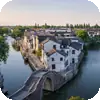 Sanhe Ancient Town
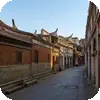 Zhangzhou Ancient City
 Guandu Ancient Town
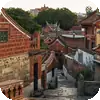 Lukang Old Street
 Tamsui Old Street
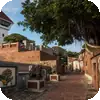 Anping Old Street
 Huanglongxi Ancient Town
 Pingle Ancient Town
 Zhoucun Ancient Commercial City
 Taierzhuang Ancient City
 Qingzhou Ancient City
 Zhuxian Town
 Sheqi Ancient Town
 Zhengding Ancient City
 Shanhaiguan Ancient City
 Yangliuqing Ancient Town
 Tianshui Ancient City
 Jingzhou Ancient City
 Qingmuchuan Ancient Town












 JingdezhenYangzhouWuzhenSuzhouPingyao Ancient CityFenghuang Ancient TownHongcunXitangLangzhong Ancient CityShaxi Ancient TownLijiang Ancient TownKaiping DiaolouJiufenWudianshiFoshanTunxi Old StreetZhouzhuangXidiNanxun Ancient TownDali Ancient CityHuizhou Ancient CityZhenyuan Ancient CityZhujiajiao Ancient TownWuyuan Ancient TownHuangyao Ancient TownHeshun Ancient TownShuhe Ancient TownCiqikou Ancient TownMudu Ancient TownLuzhi Ancient TownAnchang Ancient TownJinxi Ancient TownFurong Ancient TownQingyan Ancient TownYunshuiyao Ancient TownGongtan Ancient TownChikan Ancient TownLuodai Ancient TownQiandeng Ancient TownCicheng Ancient TownQikou Ancient TownHongjiang Ancient Commercial CityYaoli Ancient TownQiantong Ancient TownNianbadu Ancient TownSanhe Ancient TownZhangzhou Ancient CityGuandu Ancient TownLukang Old StreetTamsui Old StreetAnping Old StreetHuanglongxi Ancient TownPingle Ancient TownZhoucun Ancient Commercial CityTaierzhuang Ancient CityQingzhou Ancient CityZhuxian TownSheqi Ancient TownZhengding Ancient CityShanhaiguan Ancient CityYangliuqing Ancient TownTianshui Ancient CityJingzhou Ancient CityQingmuchuan Ancient Town
Xidi
UNESCO World Heritage; well-preserved Ming-Qing Hui-style houses; Hu Wenguang Archway and Pursuit Hall carry the Hu clan's ancestral glory.
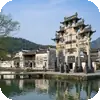
The carved Hu Wenguang archway rises beside Xidi’s reflecting pond, whitewashed houses and village figures.
Sculpture1

- Hu Wenguang Governor Stone Arch in Xidi
Carved in 1578 from local Yixian bluestone, this four-pillar, five-tier memorial archway with a hip-and-gable roof marks the entrance to Xidi.
Temple1

- Jing'aitang Hu Clan Ancestral Hall in Xidi
Xidi's largest clan hall has upturned eaves and a huge character for filial piety attributed to the calligraphy of Zhu Xi.
Residence2

- Lüfutang & Kuanggu Zhai in Xidi
Lufutang is a model Qing Huizhou merchant home, known for a couplet saying good deeds sustain a family and study is the finest pursuit.
- Dafudi Mansion & Embroidery Tower in Xidi
Former home of Qing official Hu Wenzhao, this mansion features an overhanging embroidery tower above the street that recalls old Huizhou folk customs.
Ming2

- Hu Wenguang Memorial Archway Built1578 CE
In 1578, the Wanli court approved a merit archway for Hu Wenguang in his home village of Xidi, and local clans subsequently funded its construction.
- Xidi Hu Commerce and Jing'ai HallMing–Qing period
In the Ming–Qing period, Xidi's Hu clan combined commerce, education, and ancestral-hall ethics, with Jing'ai Hall preserved as a key clan heritage site.
Modern1
- Xidi and Hongcun Inscribed2000 CE
In 2000, Xidi and Hongcun were inscribed for their exceptionally preserved traditional settlements, street plans, water systems, and Huizhou residences.