



































 County-level
Tun Xi District
Centuries-old paved alleys of Tunxi Ancient Street preserve living Song and Ming architecture in Tunxi, along scenic waters of Xin'an River.
 MUZIChinese Matrix
Pines, granite peaks, clouds and hot springs make Mount Huangshan world famous, while Xidi, Hongcun and Tunxi Old Street carry on Huizhou heritage.
For Huangshan, the relationship between place and life becomes visible in “Pines, granite peaks, clouds and hot springs make Mount Huangshan world famous, while Xidi, Hongcun and Tunxi Old Street carry on Huizhou heritage.” This evidence connects landform, movement, settlement, and cultural expression instead of treating them as isolated details. The present profile of Huangshan reflects environmental adaptation and local stewardship built up over an extended period rather than a short-lived change. This process explains how Huangshan remains connected to its surrounding region while retaining a recognizable local character. That is why Huangshan matters: local detail can illuminate environmental setting, social process, and cultural memory together.
County-level
Centuries-old paved alleys of Tunxi Ancient Street preserve living Song and Ming architecture in Tunxi, along scenic waters of Xin'an River.
County-level
The northern approach to Mount Huangshan winds past Furong Valley in Huangshan District, bordering the turquoise waters of Lake Taipinghu.
County-level
The Fengshui Bagua grid of Chengkan Ancient Village preserves Song and Ming timber residences in Huizhou District, beside Qiankou Ancient Mansions.
County-level
The eight-legged stone archway of Xu Guo Stone Arch towers in Shexian, ancient capital of Huizhou along the Xin'an River Landscape Gallery.
County-level
Famed as Top Scholar County with nineteen imperial first-rank scholars, Xiuning cradles Taoist Danxia precipices on Mount Qiyunshan.
County-level
World Heritage villages of Hongcun and Xidi reflect white-walled Hui mansions in emerald waters in Yixian, praised as the Village in Ink Paintings.
County-level
Aromatic Keemun Black Tea reigns as the Queen of Black Teas in Qimen, bordered by primeval cascading torrents in Mount Guniujiang Nature Reserve.
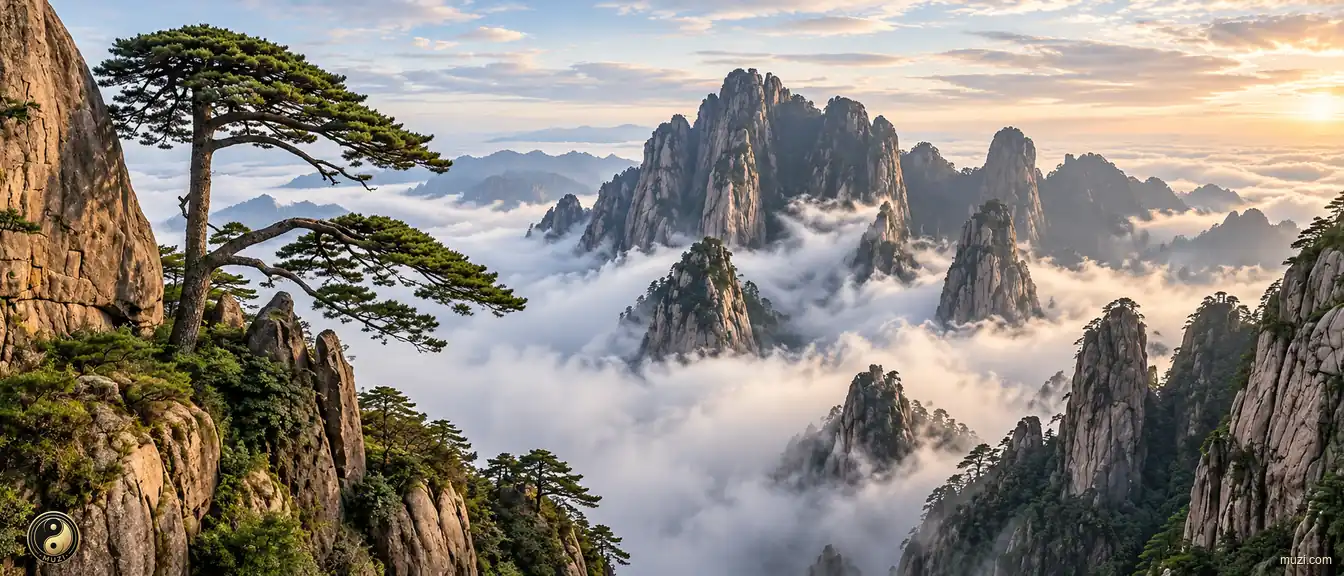
Famed for its peculiar pines, grotesque rocks, sea of clouds, and hot springs — the aesthetic matrix and inspiration wellspring of Chinese landscape painting.
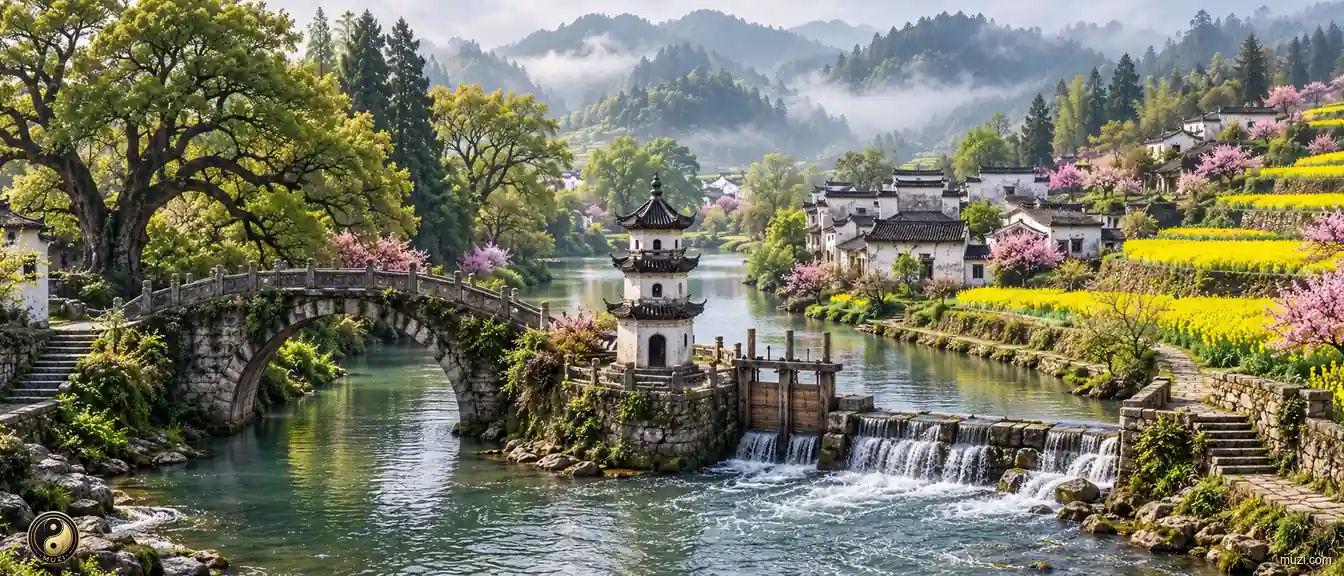
The main Huizhou Weir Dam section in Xixinan Town, Huizhou District, forms a carefully integrated irrigation system of weirs, ponds, channel outlets, water streets, and wells that follows the natural terrain and reflects the historical change and cultural continuity of the Huizhou (Huangshan) region.
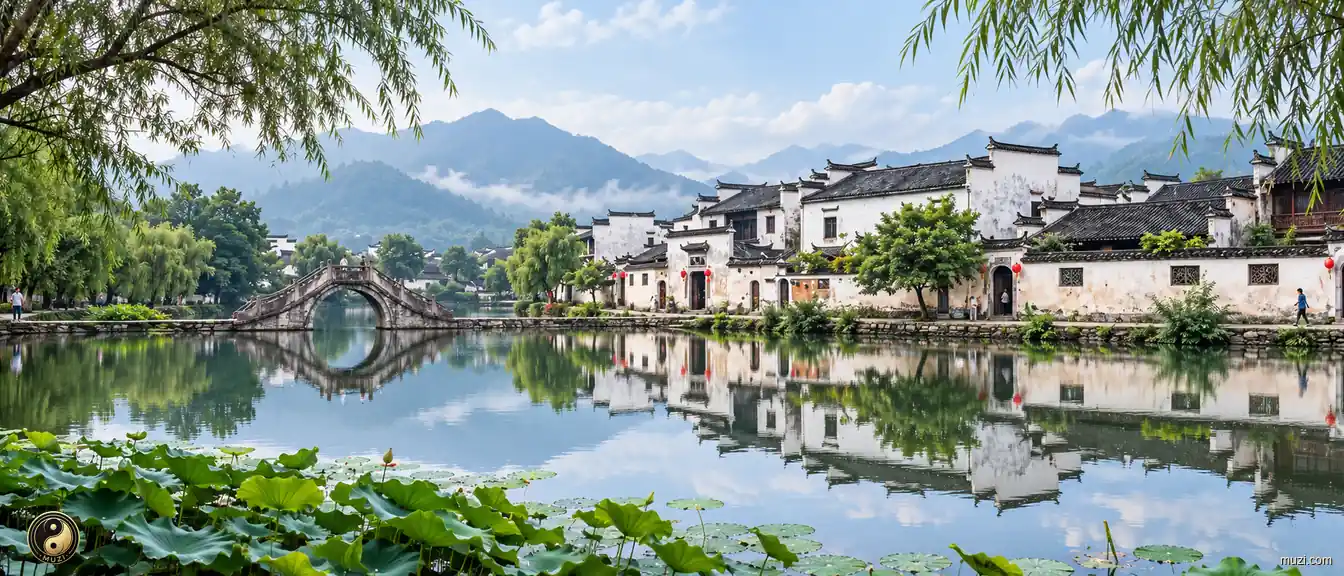
Hongcun's ox-shaped layout, Moon Pond, and water channels turn gravity-fed planning into a distinctive Huizhou village landscape.
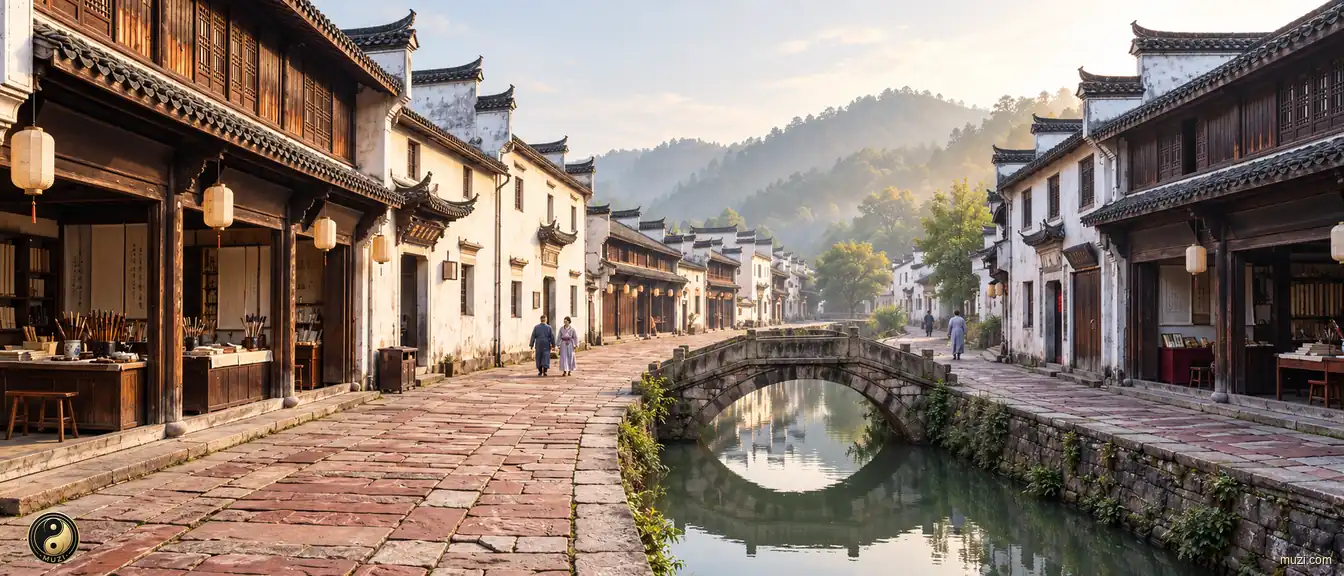
A fishbone-shaped old street on the Xin'an River crystallized by Huizhou merchant mountain-goods wharfs — the starting line from which Huizhou's white silver was pumped outward along the Xin'an bus.
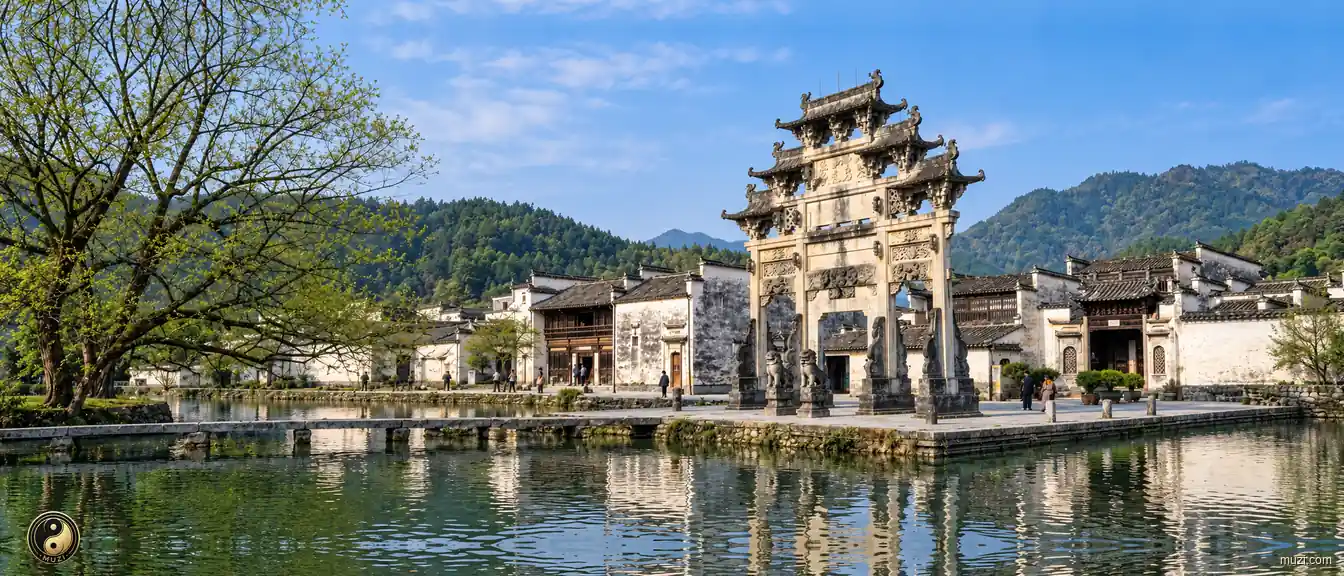
UNESCO World Heritage; well-preserved Ming-Qing Hui-style houses; Hu Wenguang Archway and Pursuit Hall carry the Hu clan's ancestral glory.
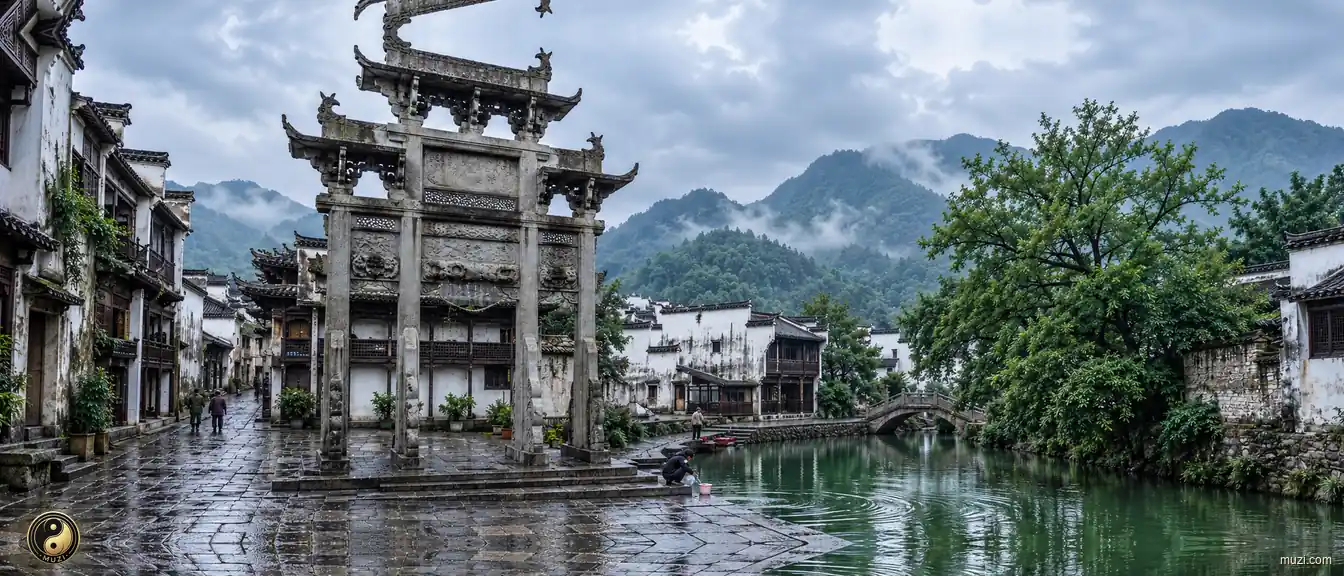
Cradle of Hui culture; the Xu Guo Stone Archway and Huizhou merchants' hometown condense a thousand years of Huizhou heritage and commerce.
Core weir of the World Heritage Irrigation Structure, built in 327 CE as the earliest documented stone diversion weir in the Xin'an River basin.
View attraction
Specialized museum in Xixinan historic buildings, curating Huizhou hydraulic engineering methods, ancient water contracts, and ecological management.
View attractionClutching grass and brambles up Tiandu, ten thousand peaks below and a sea of cloud rising and falling.
