





































 Prefecture-level
Jinan
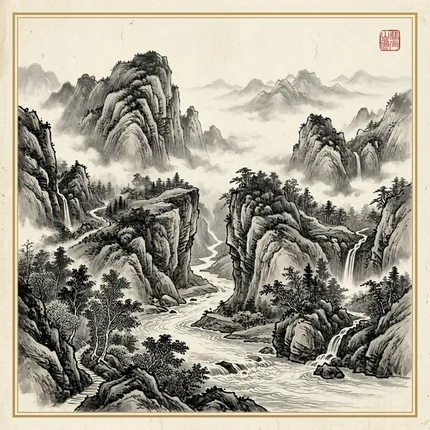
Baotu Spring, Daming Lake and Thousand Buddha Mountain define Jinan, the Spring City famed for its seventy-two named springs.
 MUZIChinese Matrix

The Qilu Peninsula reaches into the Yellow Sea, joining lower-Yellow-River plains, farming traditions, and port cities.
In regional terms, the clearest first clue to Shandong is “The Qilu Peninsula reaches into the Yellow Sea, joining lower-Yellow-River plains, farming traditions, and port cities.” Together, environmental, historical, and cultural elements give Shandong a profile that can be distinguished from nearby places. Continuing local life gave inherited spaces new uses and memories, allowing historical layers and contemporary activity to coexist. Today, the interaction between environment and society remains visible in landscape, urban texture, daily activity, and local memory. These details make Shandong a clear case of how a wider region is built from specific places and sustained lives.
Prefecture-level
Baotu Spring, Daming Lake and Thousand Buddha Mountain define Jinan, the Spring City famed for its seventy-two named springs.
 Prefecture-level
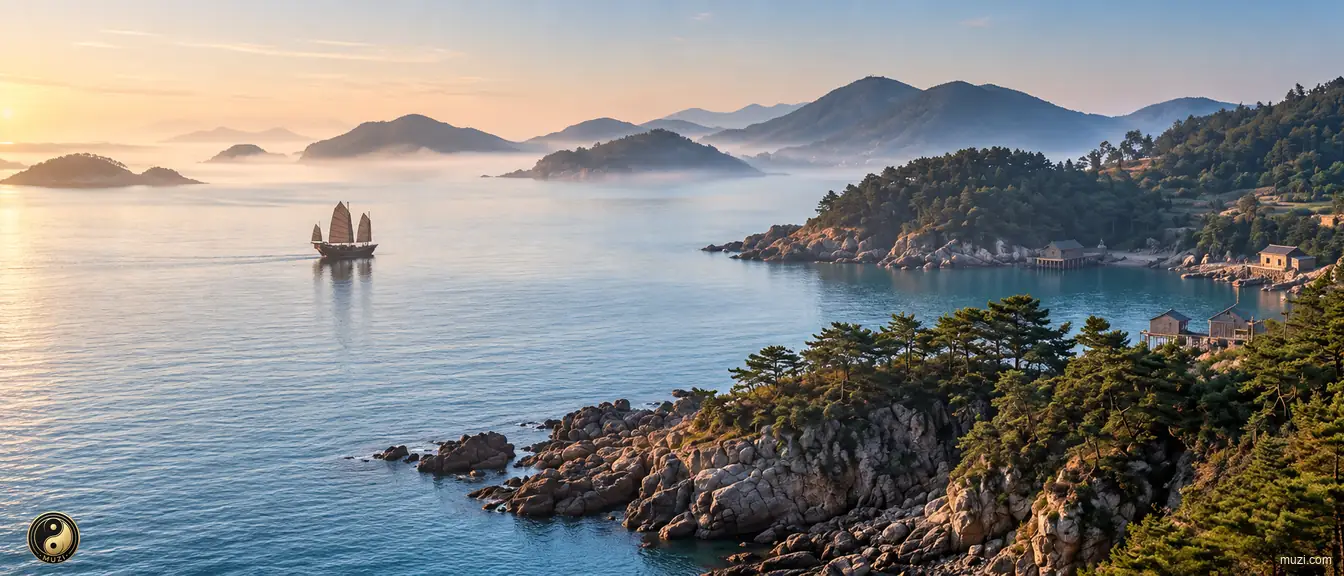
Red roofs above a blue sea mark Qingdao, home of Zhanqiao Pier, the Badaguan villas, sacred Mount Laoshan and Tsingtao beer.
 Prefecture-level
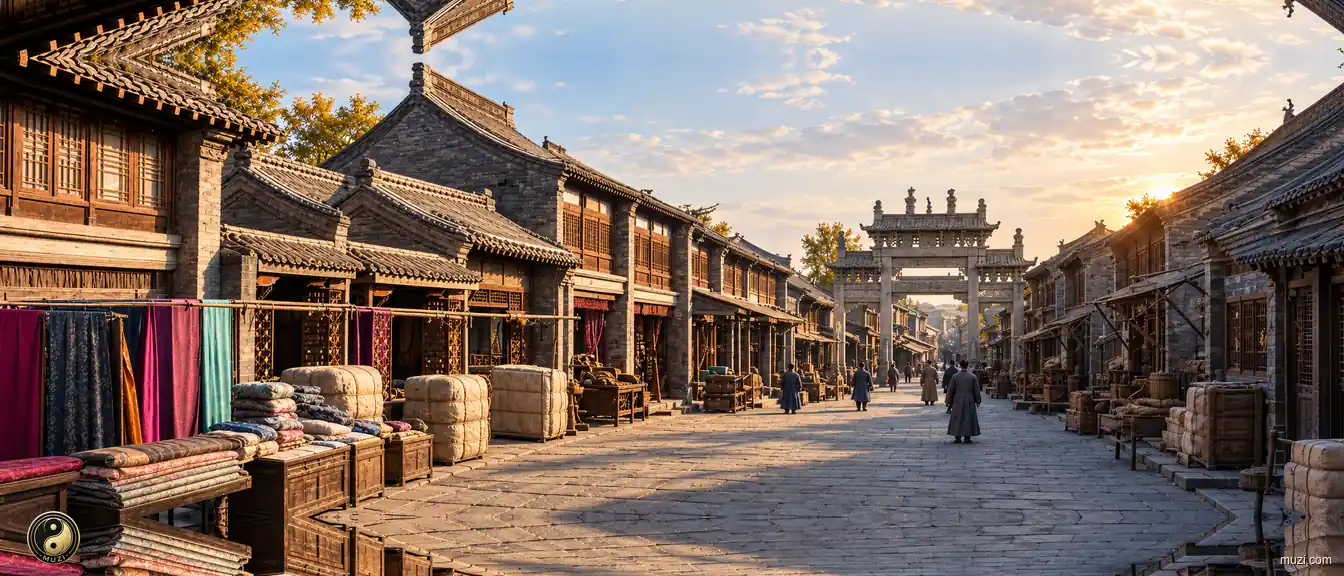
Zibo holds Linzi, capital of the ancient Qi state, the hometown of Pu Songling, and a long tradition of Boshan glass and ceramics.
 Prefecture-level
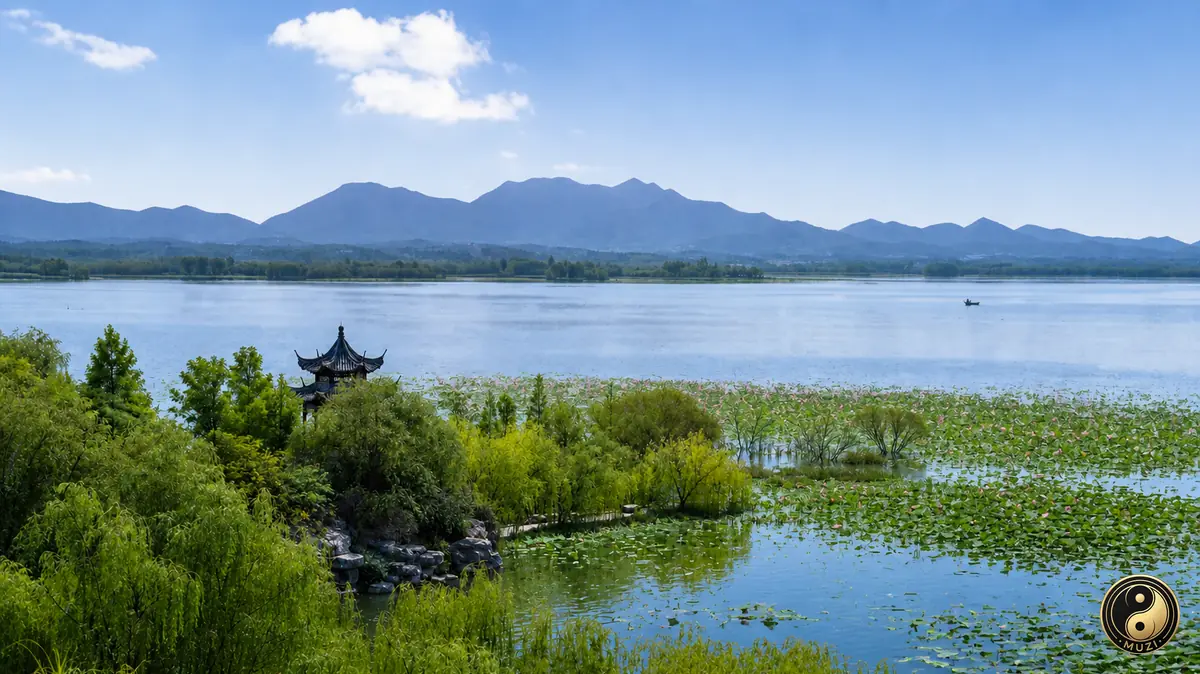
Zaozhuang offers the canal-side Taierzhuang Ancient Town, Baodugu peak, the vast pomegranate orchards of Yicheng and the legend of the Railway Guerrillas.
Prefecture-level
Where the Yellow River meets the Bohai Sea, Dongying combines the vast Yellow River Delta wetlands with the Shengli Oilfield.
 Prefecture-level
Penglai Pavilion gazes over the sea at Yantai, a coastal city known for wine, apples, Yangma Island and the Kunyu Mountains.
 Prefecture-level
Weifang, the world kite capital, is famed for Yangjiabu woodblock New Year prints, the ancient city of Qingzhou and Shouguang vegetables.
Prefecture-level
Jining is the homeland of Confucius and Mencius, with Qufu's Confucian temple complex, Zoucheng's Mencius sites, Weishan Lake and Mount Liangshan.
 Prefecture-level
Tai'an lies at the foot of Mount Tai, foremost of the Five Great Mountains, alongside the Dai Temple and Dawenkou Neolithic sites.
Prefecture-level
Weihai recalls the 1894 naval war on Liugong Island, and offers the End of the Earth cape at Chengshantou and seaweed-thatched houses in Rongcheng.
Prefecture-level
Rizhao, named for the first sunlight, offers the golden beaches of Wanpingkou, seaside green tea gardens and the ancient ginkgo of Fulai Mountain.
Prefecture-level
Linyi, birthplace of calligrapher Wang Xizhi, yielded the Yinqueshan Han bamboo slips and anchors the Yimeng uplands with Mount Meng and Menglianggu.
Prefecture-level
Dezhou braised chicken is famous nationwide, while this Grand Canal city also keeps the Tomb of the Sulu King and the Sinüsi water works.
Prefecture-level
Liaocheng, the water city north of the Yangtze, has Guangyue Tower by Dongchang Lake, the Linqing canal customs house and Wu Song's Jingyang Ridge.
Prefecture-level
Binzhou is known for the castle-like Wei Family Manor in Huimin, Zhanhua winter jujubes, the Wudi shell ridges and Yellow River scenery.
Prefecture-level
Caozhou peonies make Heze famous, along with Yuncheng, home county of the Water Margin heroes, and the rich mutton soup of Shanxian.
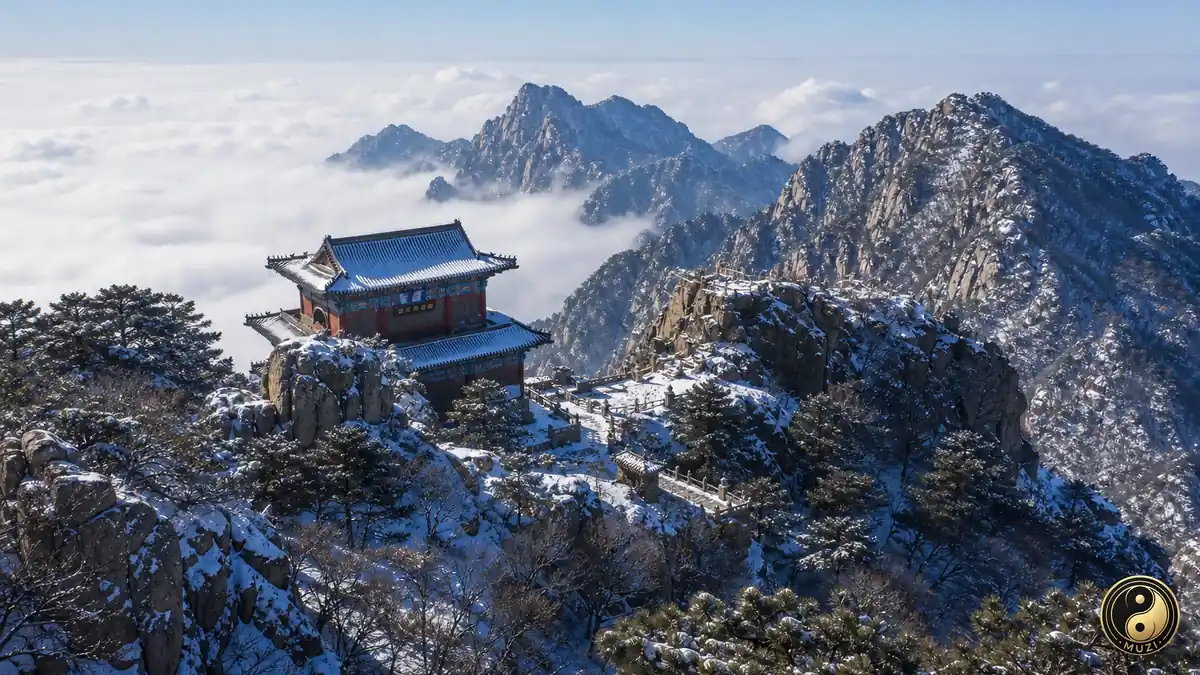
Foremost of the Five Sacred Peaks, where emperors performed the Fengshan rites — rising abruptly from the North China Plain, symbolizing dynastic stability and legitimacy.
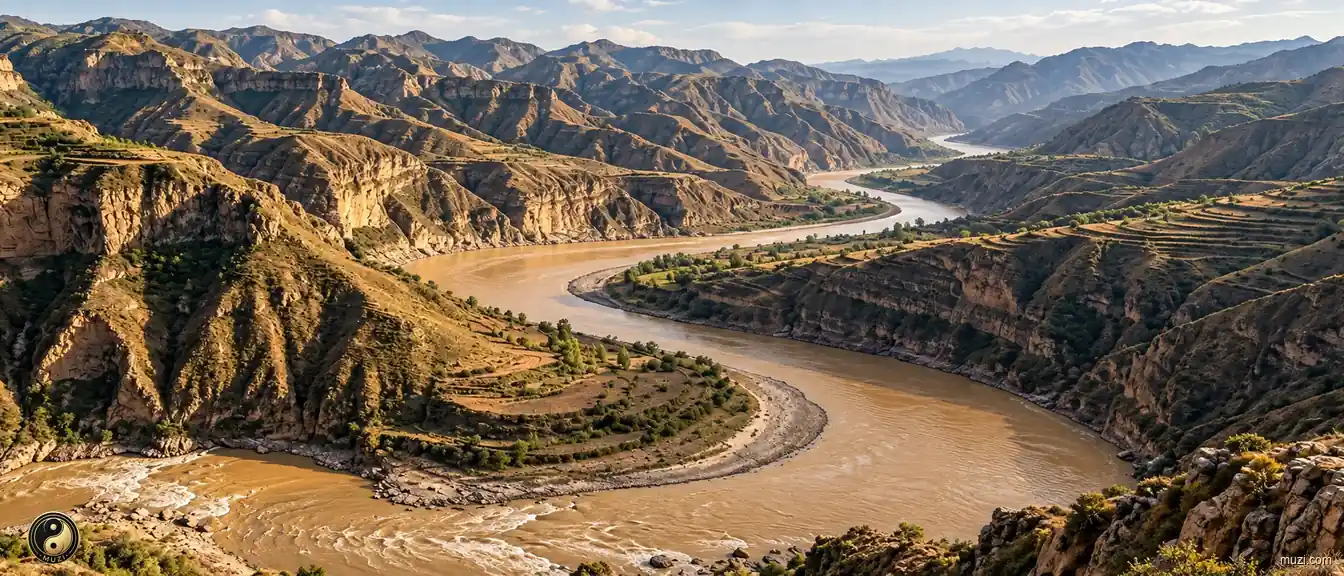
The Yellow River carries loess to the sea and remains a major river in the history of Chinese agrarian civilization.
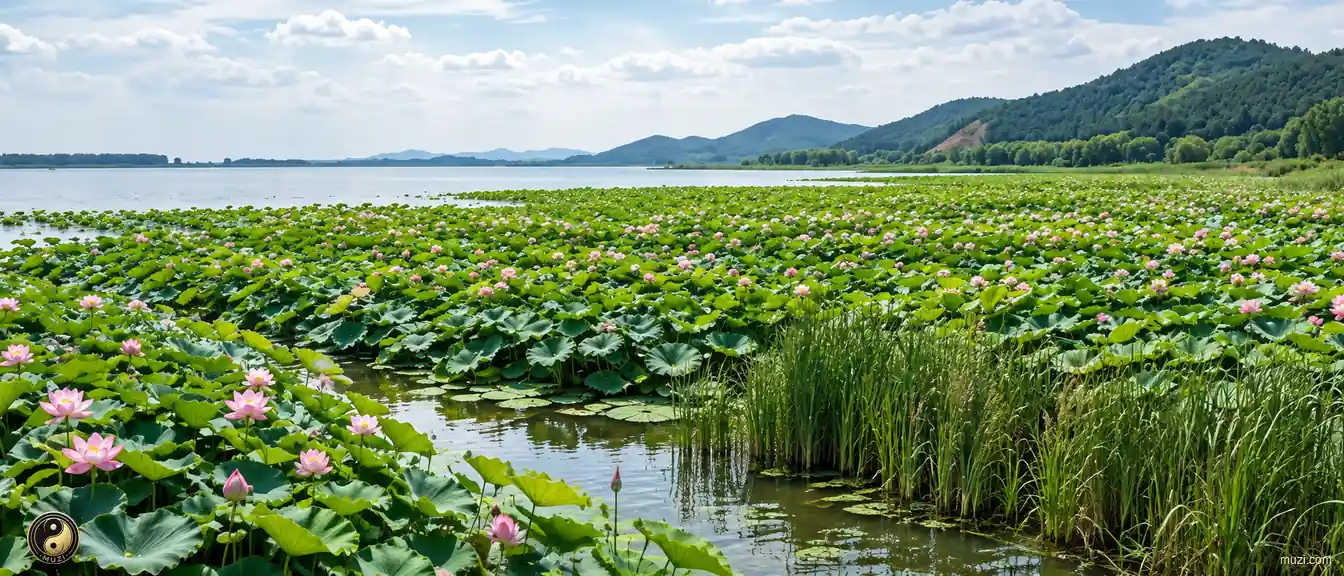
The largest lake north of the Yangtze, strung together by the Grand Canal — ten thousand acres of lotus, a thousand sails racing, guarding the throat of north-south water transport.
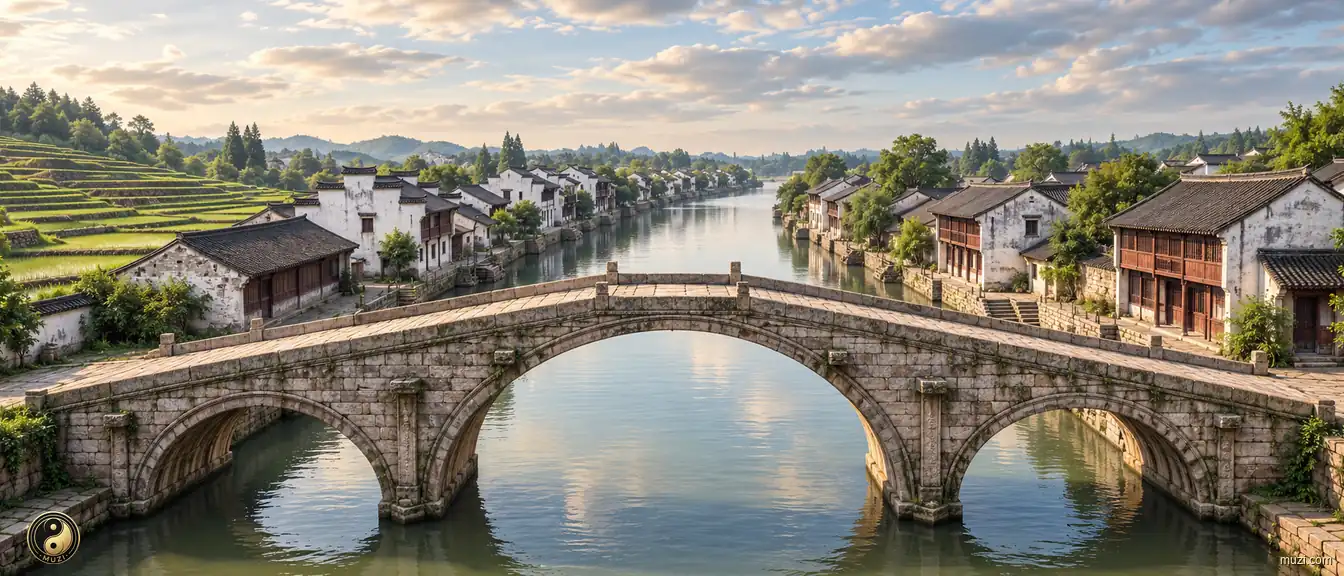
The world's longest man-made waterway — crossing five major river systems to connect north and south, continuously pumping southern grain and wealth into the empire's heart.
A natural deep-water harbor on the southern Shandong coast, where maritime trade and modern-era conflicts left a layered historical record.
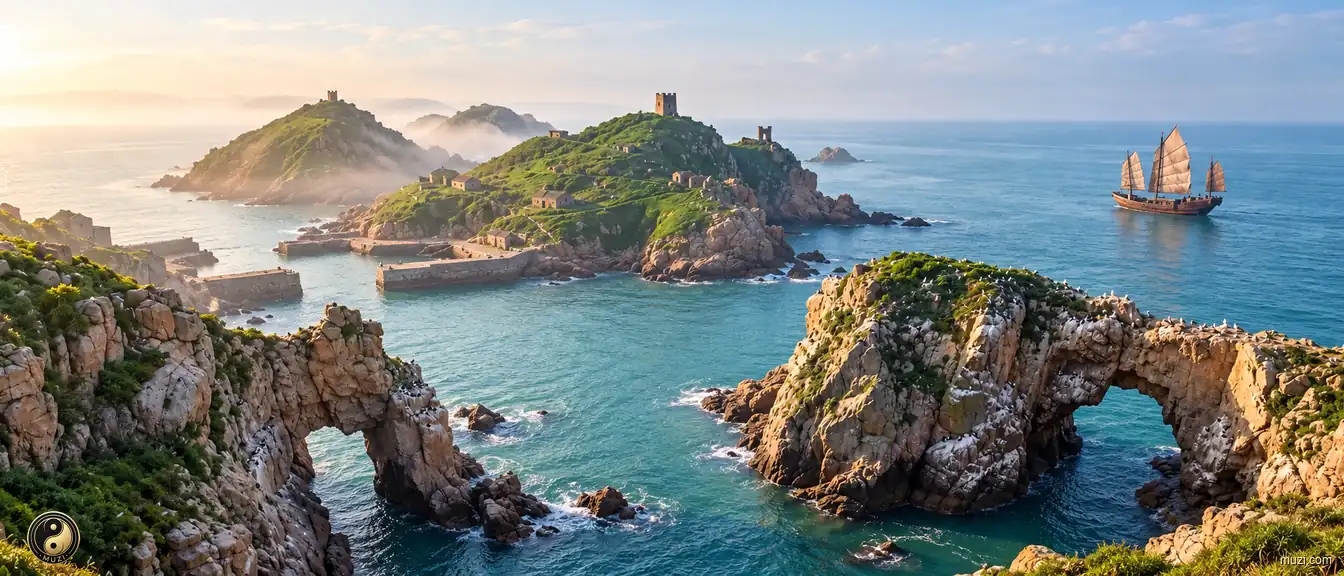
A chain of stepping-stone islets locking the Bohai Strait between the Shandong and Liaodong peninsulas — the final iron chain of maritime defense guarding the capital region.
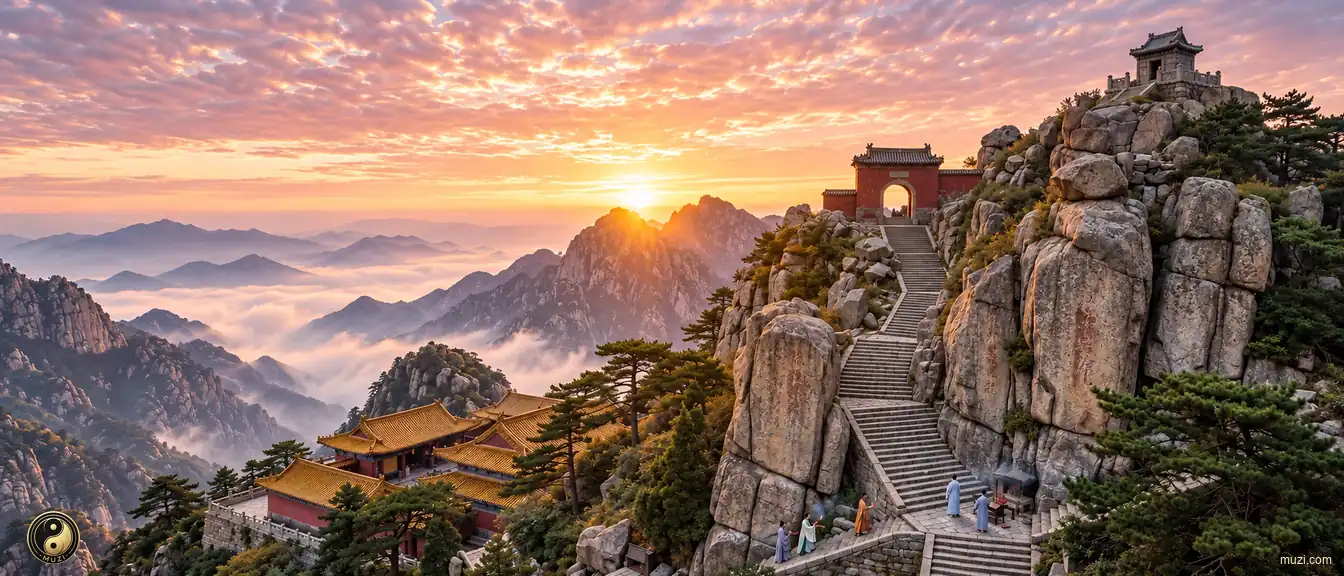
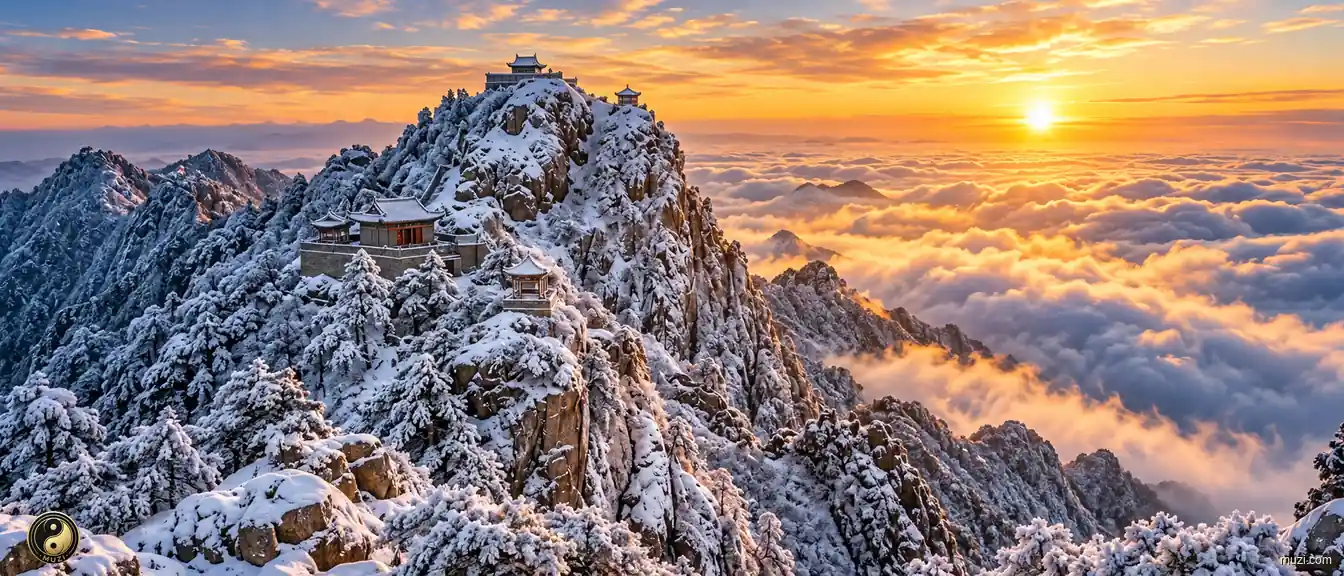
The Fengshan altar at the summit of Mount Tai — where every dynastic emperor must ascend in the flesh to sacrifice to Heaven and Earth, broadcasting to the cosmos the mandate of legitimate rule.
Known as 'No.1 village under heaven' and 'dry dock'; Ming-Qing era cradle of Lu merchants and northern silk distribution center; filming location for The Dyeing House and other TV dramas.
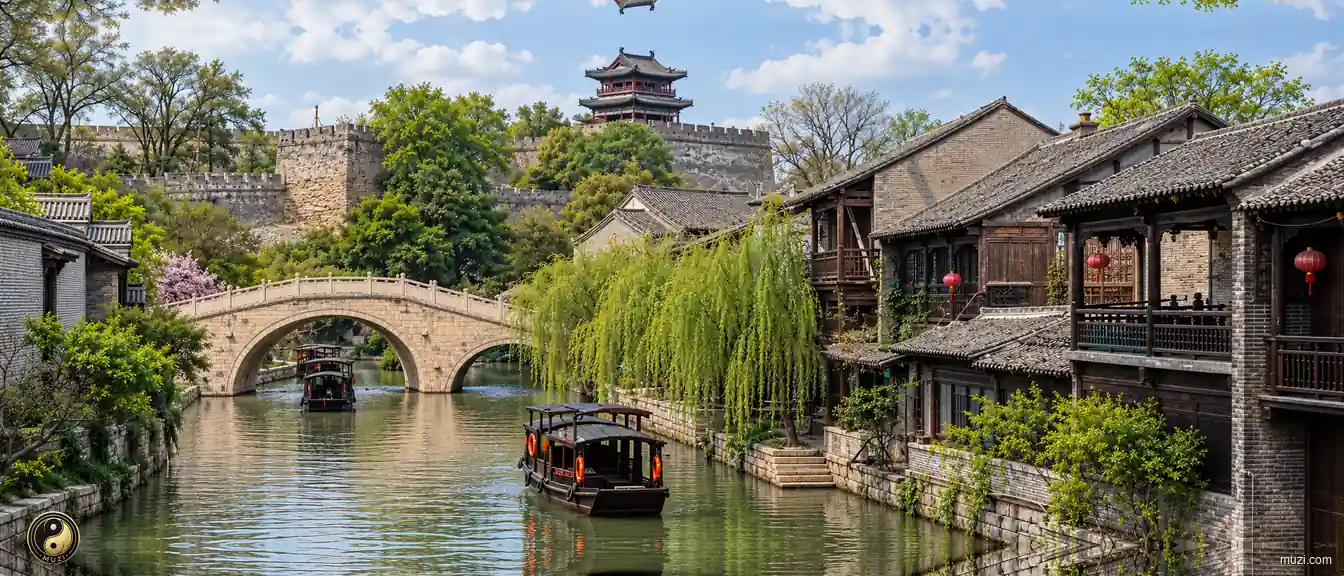
Grand Canal town once famous for 'merchants gathering, river full of fishing lanterns'; rebuilt after the Battle of Taierzhuang in WWII; now a world-renowned memorial ancient city.
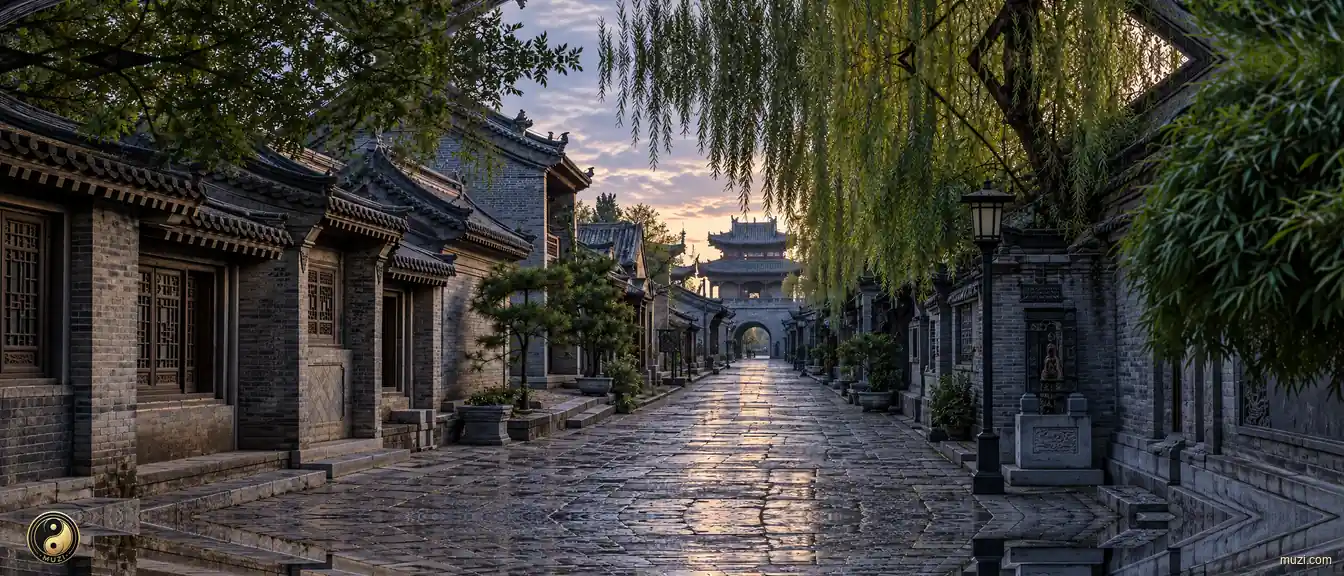
One of the Nine Ancient Provinces; centuries-old hub between sea and Mount Tai; Ming-Qing old streets and Occasional Garden preserve the complete ancient city pattern.
Tian Wenjing, following the emperor's wishes, governed with severity and harshness.