





 Prefecture-level
Jinan
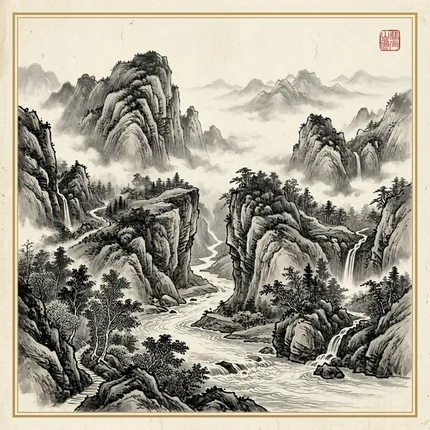
Jinan is readily recognized through river valleys and inherited local memory.
 MUZIChinese Matrix
The Qilu Peninsula reaches into the Yellow Sea, joining lower-Yellow-River plains, farming traditions, and port cities.
In regional terms, the clearest first clue to Shandong is “The Qilu Peninsula reaches into the Yellow Sea, joining lower-Yellow-River plains, farming traditions, and port cities.” Together, environmental, historical, and cultural elements give Shandong a profile that can be distinguished from nearby places. Continuing local life gave inherited spaces new uses and memories, allowing historical layers and contemporary activity to coexist. Today, the interaction between environment and society remains visible in landscape, urban texture, daily activity, and local memory. These details make Shandong a clear case of how a wider region is built from specific places and sustained lives.
Prefecture-level
Jinan is readily recognized through river valleys and inherited local memory.
 Prefecture-level
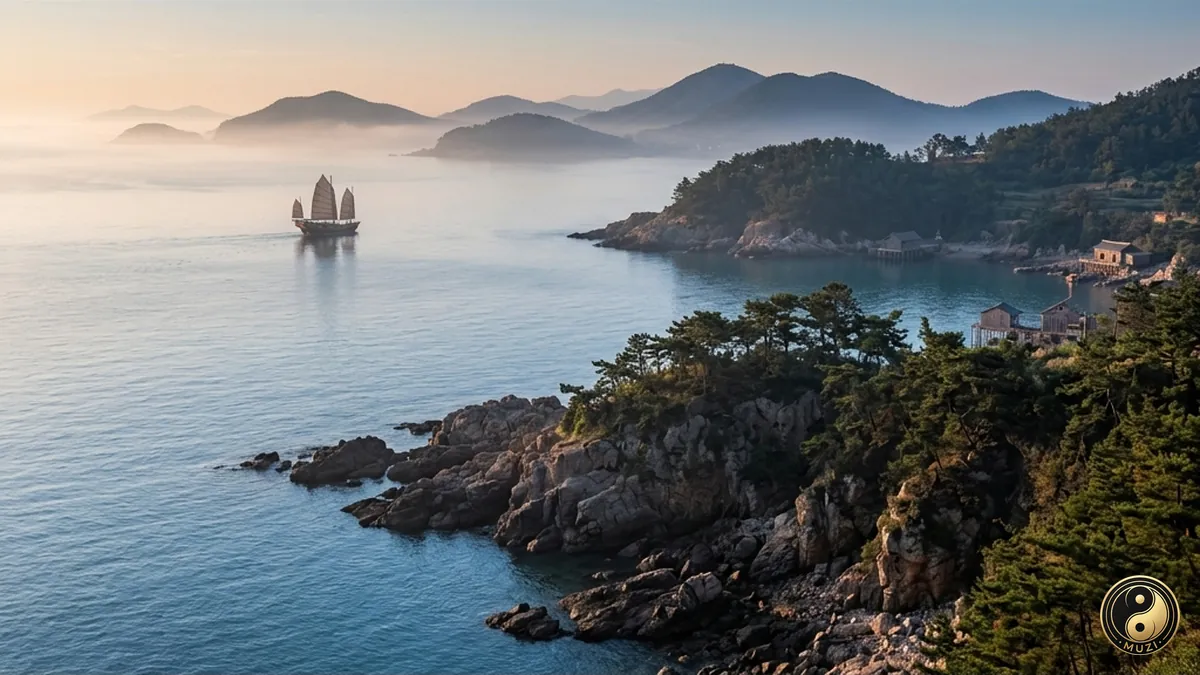
Think of Qingdao, and estuarine routes and port traditions are among the first things that come to mind.
 Prefecture-level
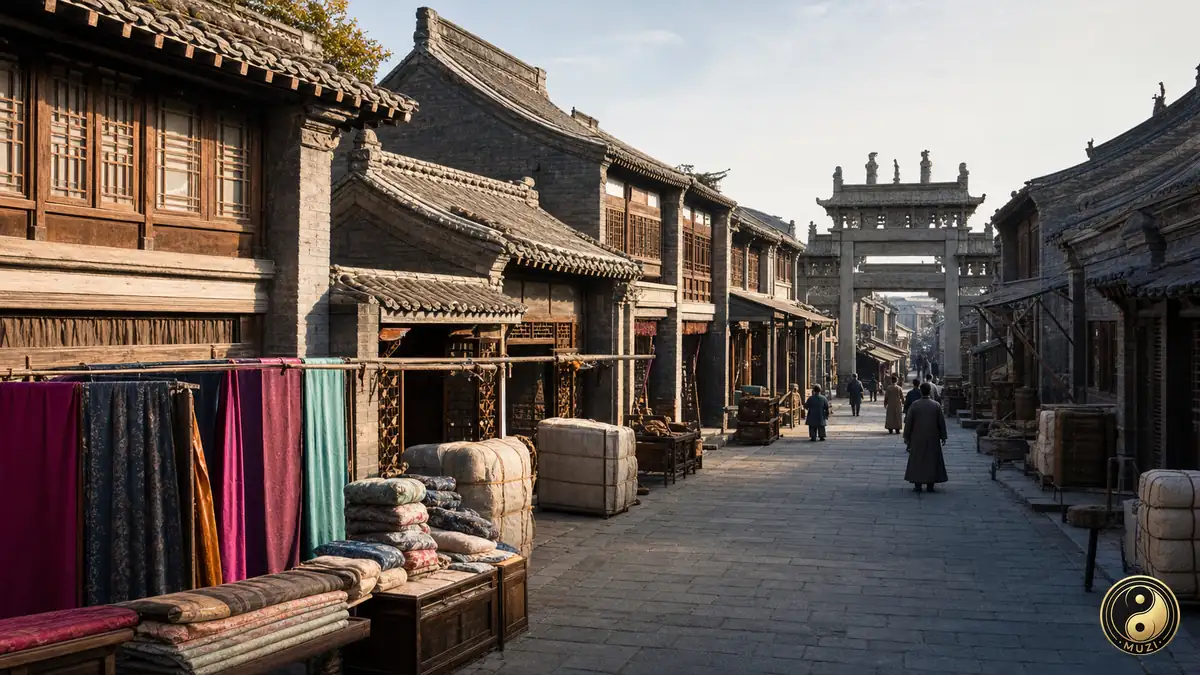
highland scenery and pastoral culture offers the clearest regional clue to Zibo.
 Prefecture-level
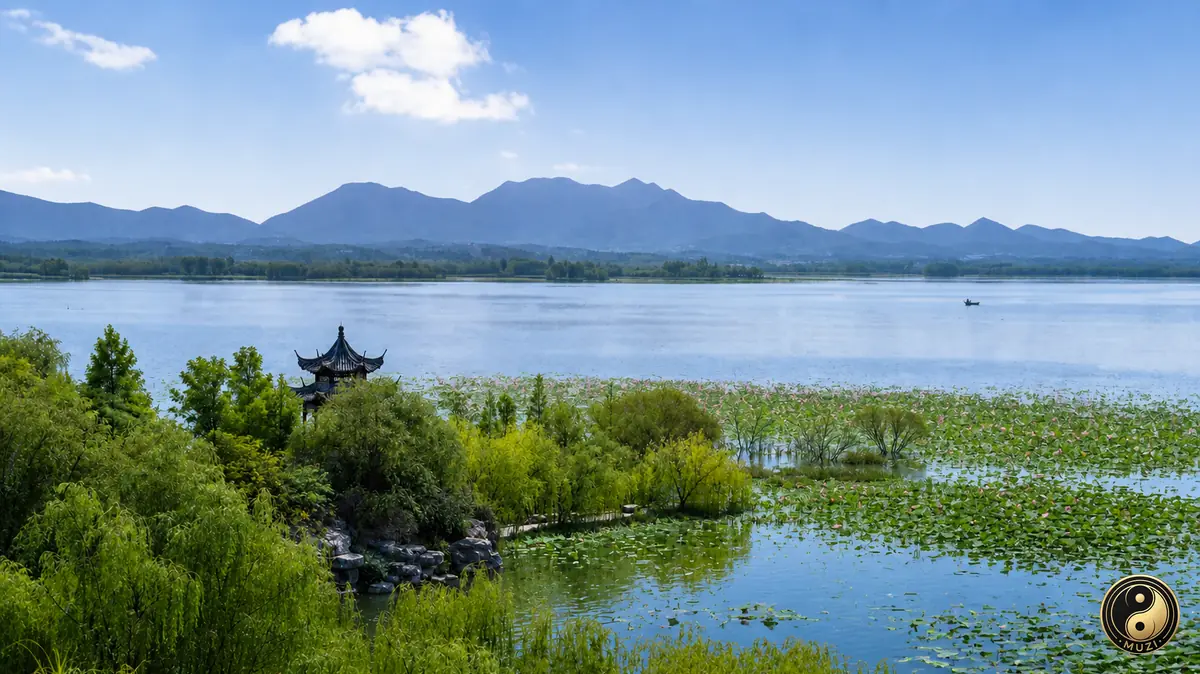
For Zaozhuang, plain-country farming and old town remains forms an essential setting.
Prefecture-level
mountain corridors and frontier life write a distinctive line into Dongying's urban profile.
 Prefecture-level
Through valley settlements and industrial memory, Yantai gains a geographical signature.
 Prefecture-level
In Weifang, wetland habitats and waterside routines reveal a deeper local trajectory.
Prefecture-level
Jining finds its regional character in garden landscapes and scholarly traditions.
 Prefecture-level
A useful way into Tai'an is through bay shores and fishing practice.
Prefecture-level
Weihai's local story begins with canyon terrain and rural settlements.
Prefecture-level
forest resources and cold-climate life give Rizhao a recognizable regional character.
Prefecture-level
Linyi retains the imprint of steppe pasture and seasonal movement.
Prefecture-level
Follow lakeside wetlands and water-town craft, and Dezhou's regional layers come into view.
Prefecture-level
Liaocheng turns basin fields and historic post roads into everyday life and local memory.
Prefecture-level
From geography to culture, hill tea country and handcraft history help define Binzhou.
Prefecture-level
island routes and maritime custom leave a double trace of nature and society in Heze.
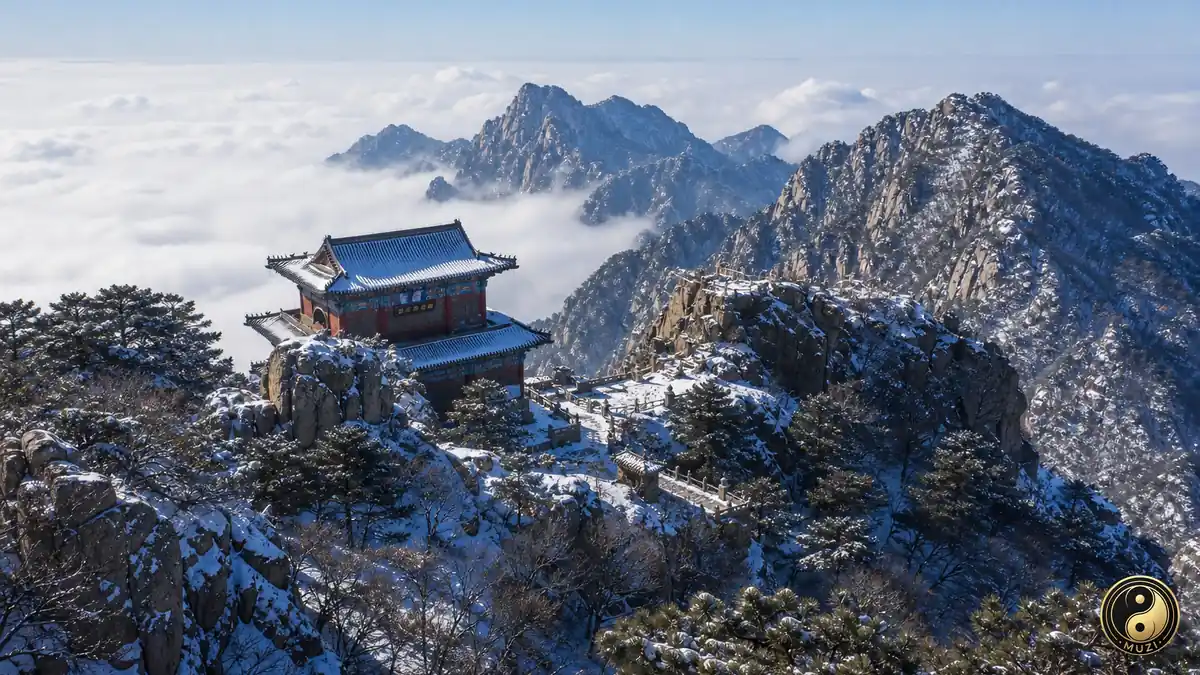
Foremost of the Five Sacred Peaks, where emperors performed the Fengshan rites — rising abruptly from the North China Plain, symbolizing dynastic stability and legitimacy.
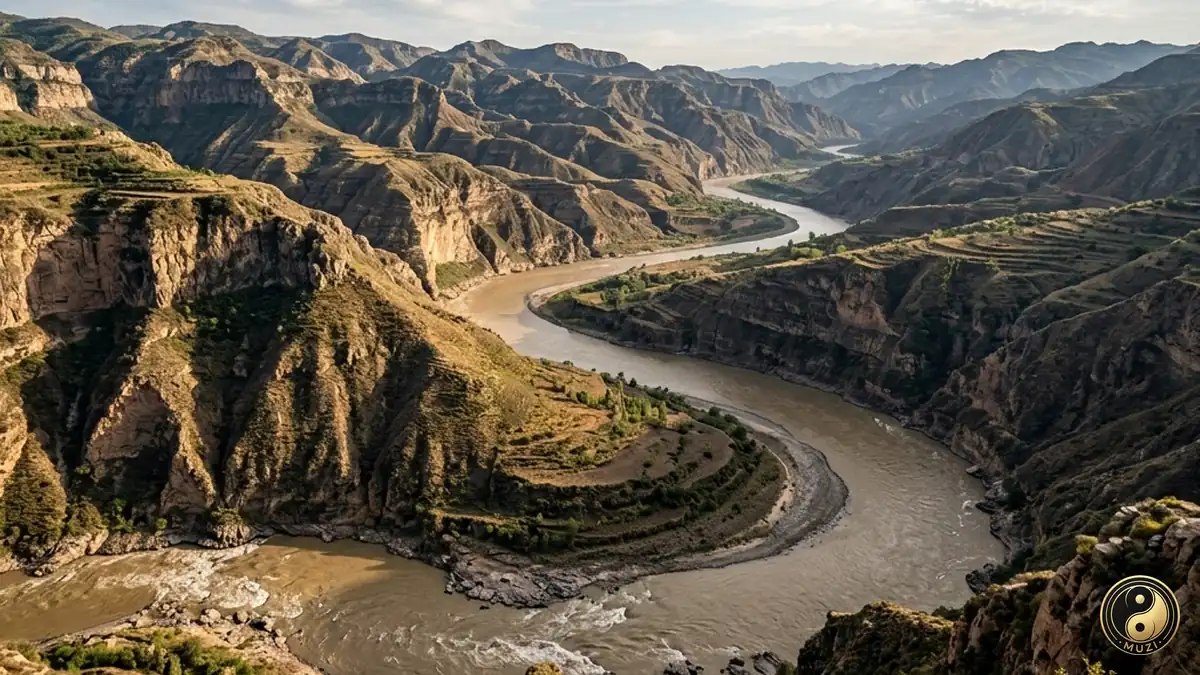
The Yellow River carries loess to the sea and remains a major river in the history of Chinese agrarian civilization.
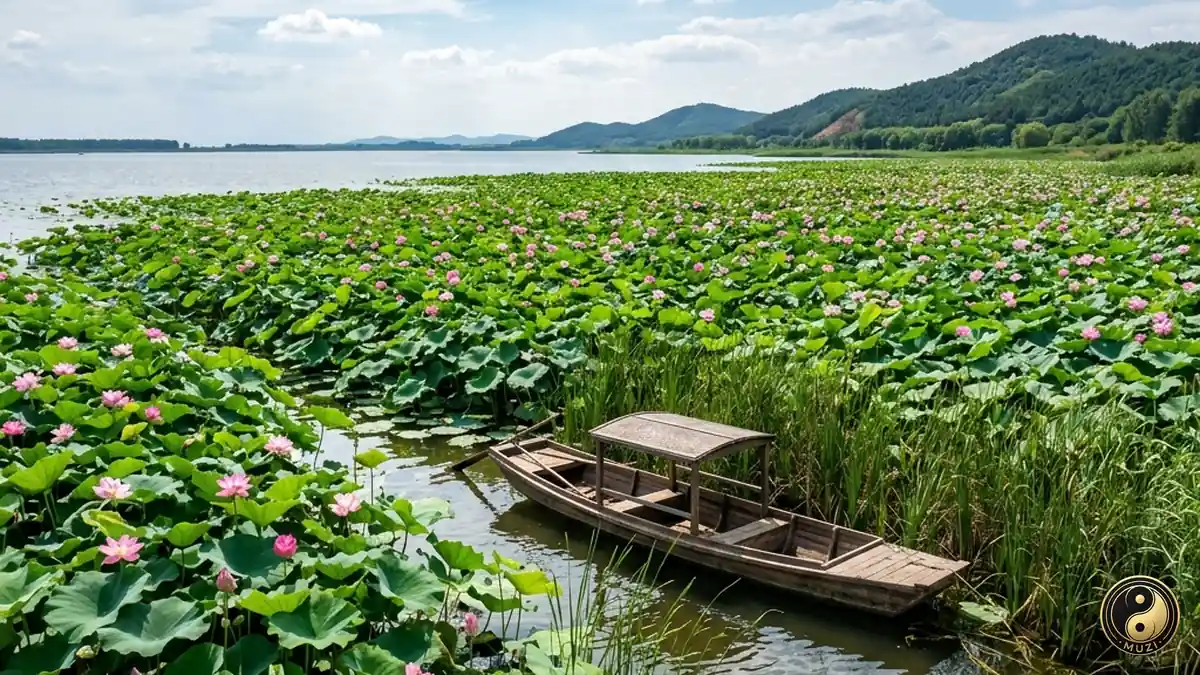
The largest lake north of the Yangtze, strung together by the Grand Canal — ten thousand acres of lotus, a thousand sails racing, guarding the throat of north-south water transport.
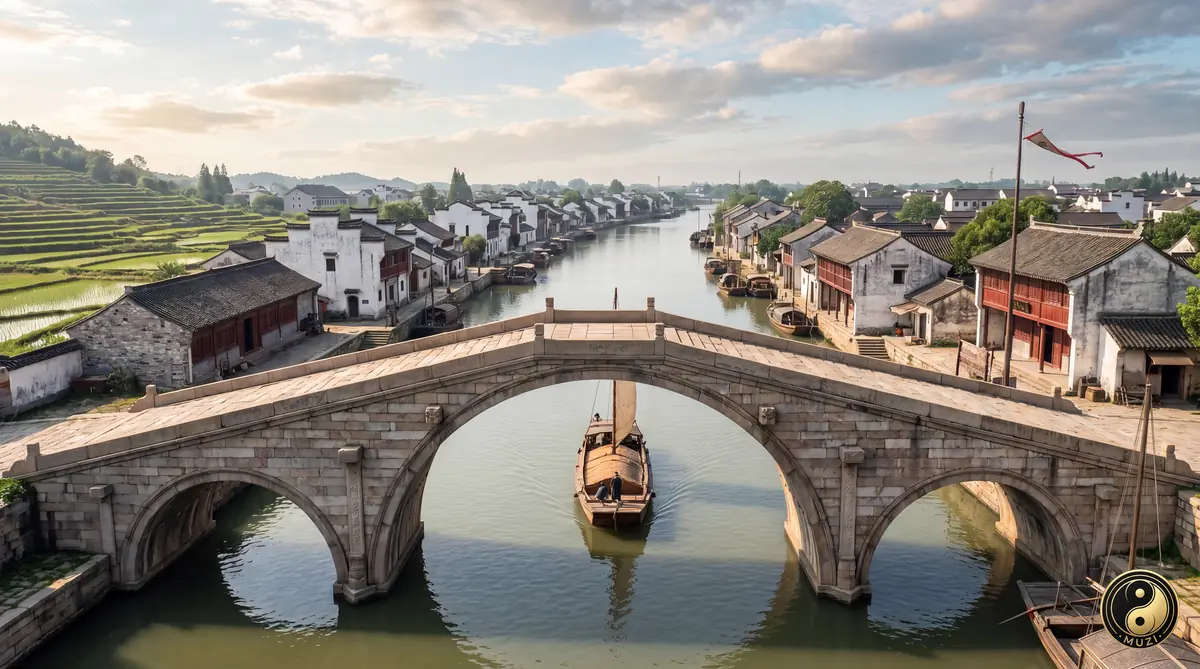
The world's longest man-made waterway — crossing five major river systems to connect north and south, continuously pumping southern grain and wealth into the empire's heart.
A natural deep-water harbor on the southern Shandong coast, where maritime trade and modern-era conflicts left a layered historical record.
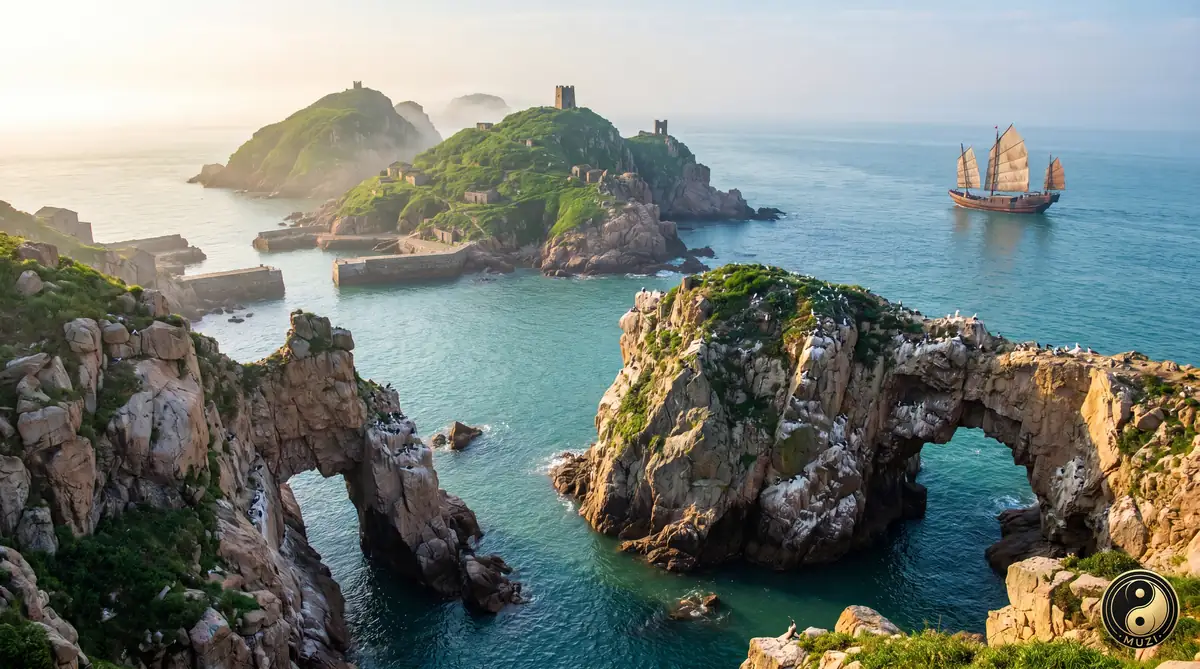
A chain of stepping-stone islets locking the Bohai Strait between the Shandong and Liaodong peninsulas — the final iron chain of maritime defense guarding the capital region.
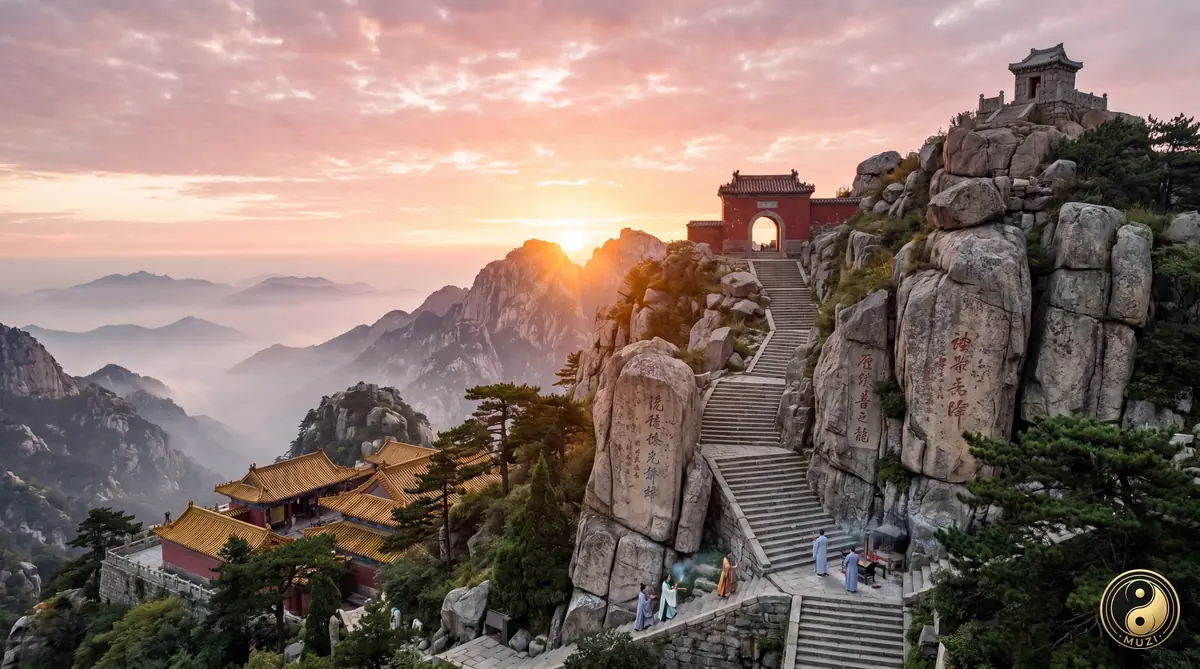
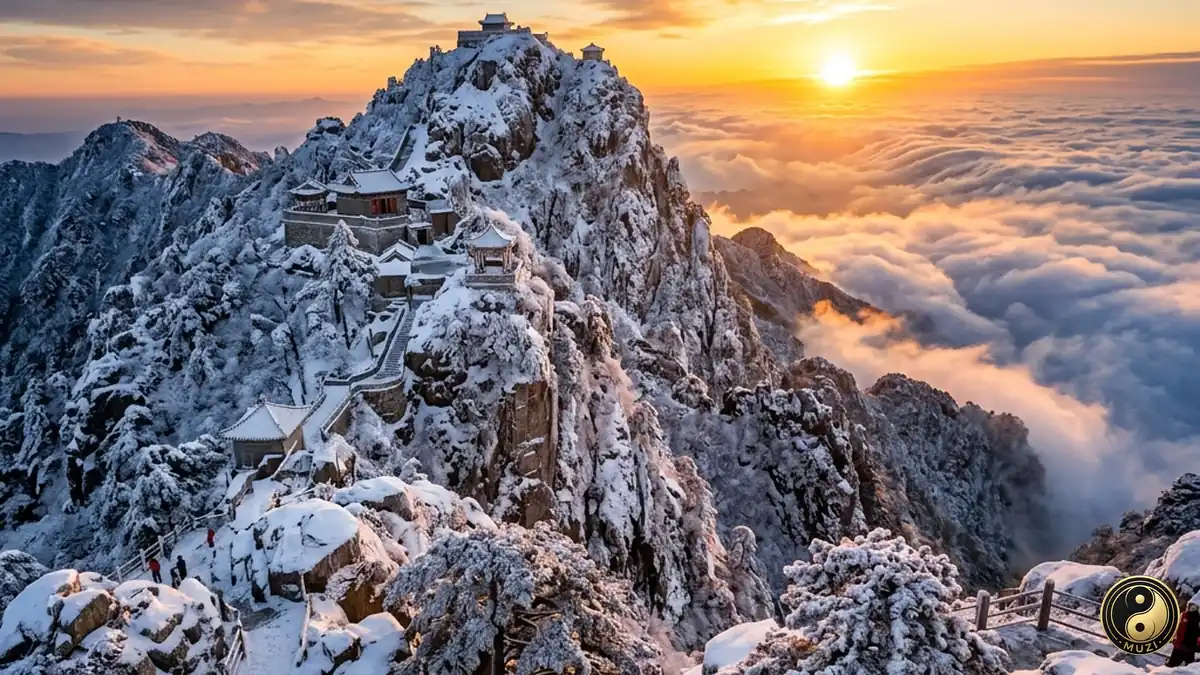
The Fengshan altar at the summit of Mount Tai — where every dynastic emperor must ascend in the flesh to sacrifice to Heaven and Earth, broadcasting to the cosmos the mandate of legitimate rule.
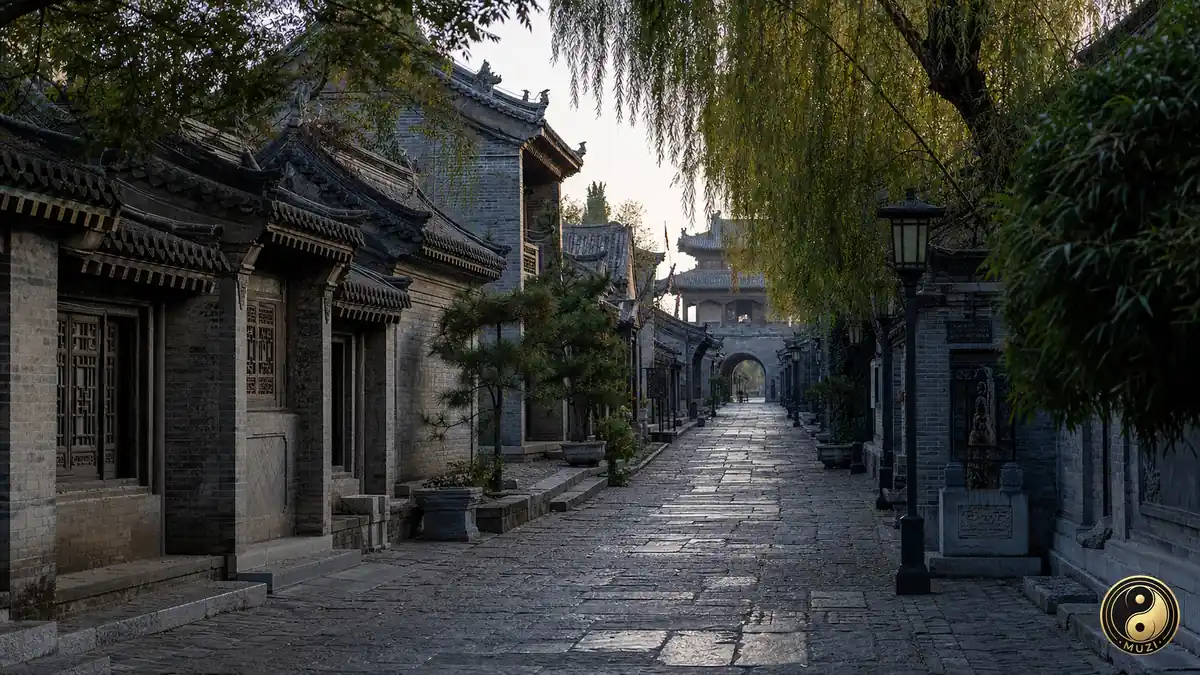
Known as 'No.1 village under heaven' and 'dry dock'; Ming-Qing era cradle of Lu merchants and northern silk distribution center; filming location for The Dyeing House and other TV dramas.
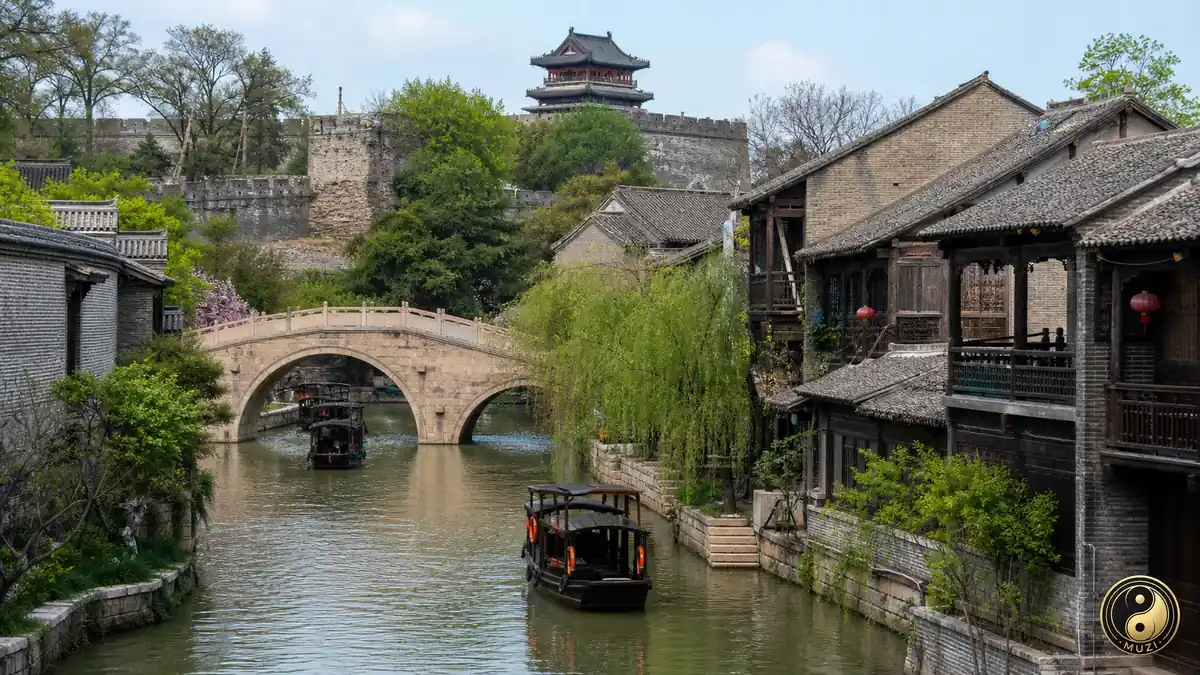
Grand Canal town once famous for 'merchants gathering, river full of fishing lanterns'; rebuilt after the Battle of Taierzhuang in WWII; now a world-renowned memorial ancient city.
One of the Nine Ancient Provinces; centuries-old hub between sea and Mount Tai; Ming-Qing old streets and Occasional Garden preserve the complete ancient city pattern.