


































 Prefecture-level
Wuhan
Wuhan, the river city of three towns, is crowned by Yellow Crane Tower above the Yangtze, the broad waters of East Lake and hot dry noodles.
 MUZIChinese Matrix

The Jianghan Plain gathers the Yangtze, Han River, and lake country, with Chu heritage visible in its landscapes and cities.
For Hubei, the relationship between place and life becomes visible in “The Jianghan Plain gathers the Yangtze, Han River, and lake country, with Chu heritage visible in its landscapes and cities.” This evidence connects landform, movement, settlement, and cultural expression instead of treating them as isolated details. The present profile of Hubei reflects environmental adaptation and local stewardship built up over an extended period rather than a short-lived change. This process explains how Hubei remains connected to its surrounding region while retaining a recognizable local character. That is why Hubei matters: local detail can illuminate environmental setting, social process, and cultural memory together.
Prefecture-level
Wuhan, the river city of three towns, is crowned by Yellow Crane Tower above the Yangtze, the broad waters of East Lake and hot dry noodles.
Prefecture-level
Huangshi, a mining city, has the 3,000-year-old Tonglüshan copper mine site in Daye, the vast pit of its National Mine Park and Dongfang Mountain.
 Prefecture-level
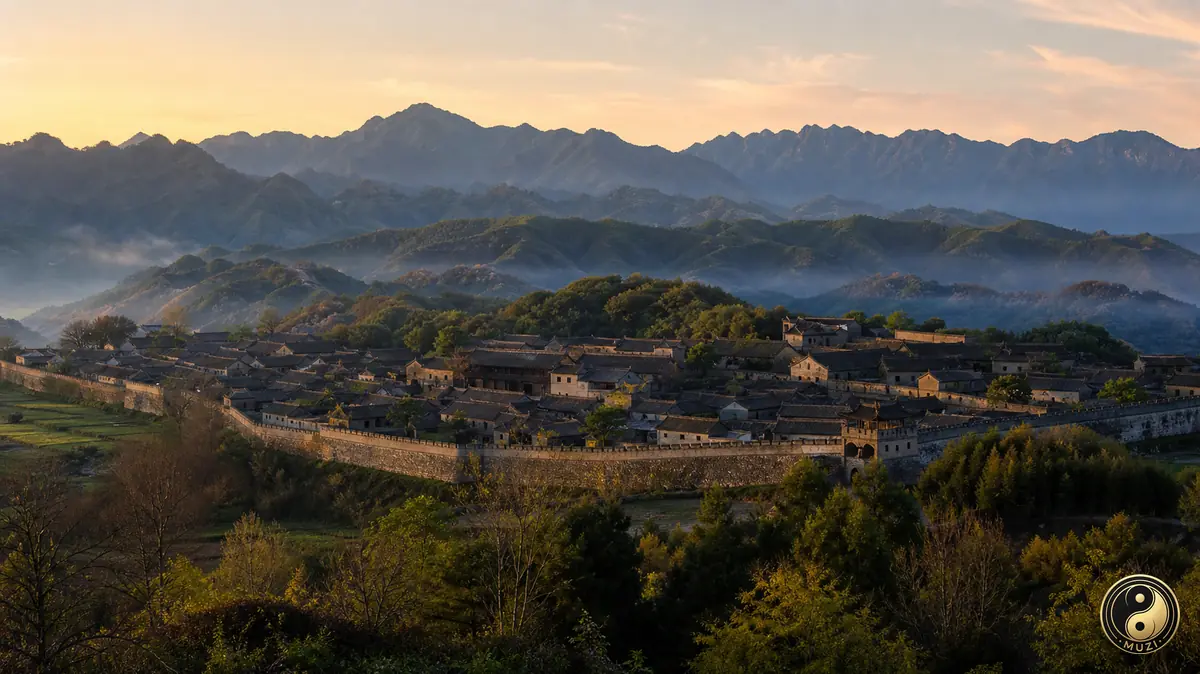
Shiyan is home to the World Heritage temples of the Wudang Mountains, Danjiangkou Reservoir feeding the South-North Water Transfer and Dongfeng Motor's birthplace.
 Prefecture-level
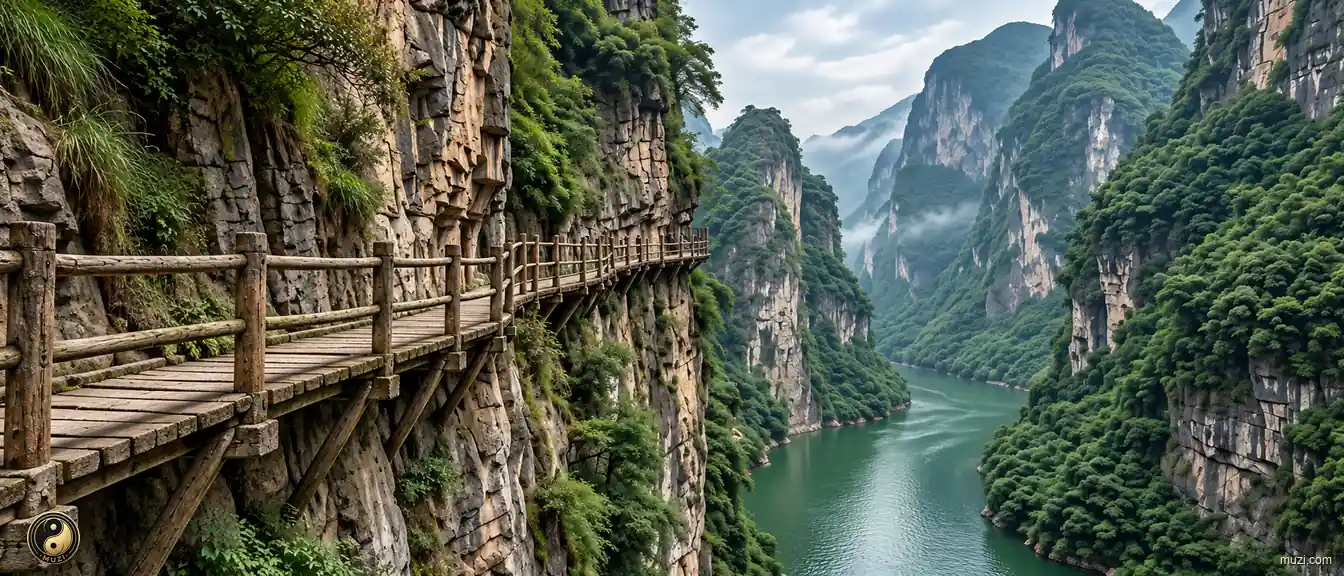
Yichang hosts the Three Gorges Dam and Gezhouba Dam on the Yangtze, while Zigui and Xingshan are the hometowns of Qu Yuan and Wang Zhaojun.
Prefecture-level
Xiangyang keeps Gulongzhong, where Zhuge Liang farmed before serving Liu Bei, and an old walled city ringed by a broad moat on the Han River.
Prefecture-level
Ezhou, where Sun Quan of Wu set his capital Wuchang, offers wooded West Hill and Liangzi Lake, home of the famous Wuchang bream.
Prefecture-level
Jingmen holds the Ming Xianling Mausoleum in Zhongxiang, a World Heritage site, the Guodian bamboo slips find and the broad Zhanghe Reservoir.
Prefecture-level
Xiaogan, named for filial piety and the legend of Dong Yong, is known for the Shuihudi Qin bamboo slips of Yunmeng and its sesame candy.
 Prefecture-level
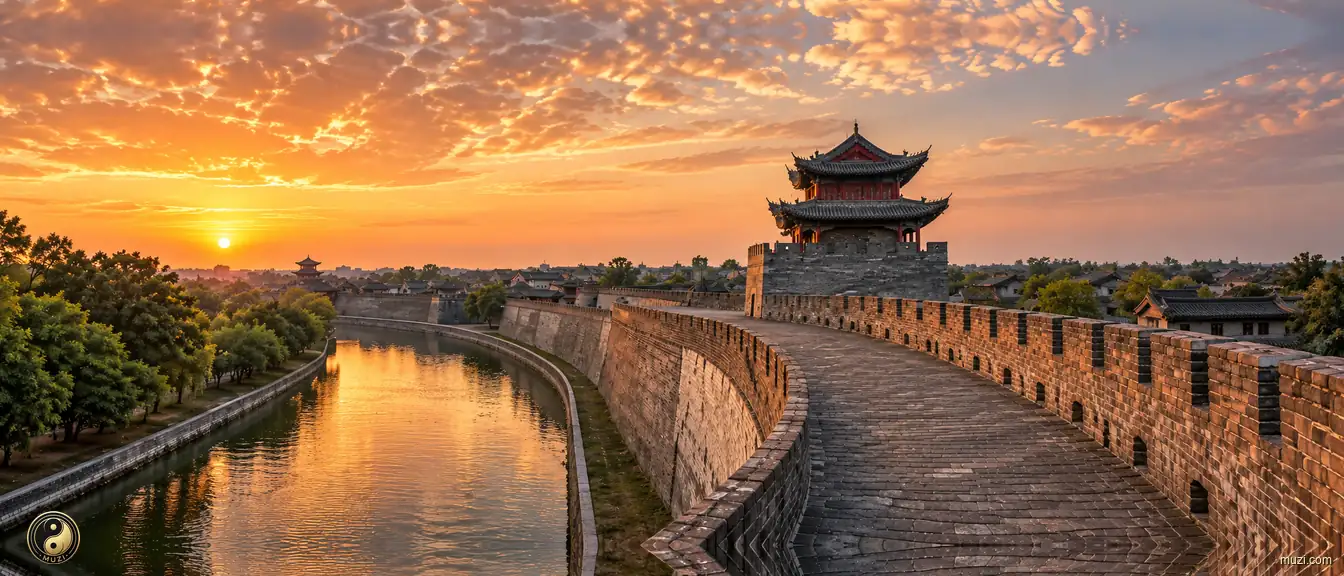
Jingzhou preserves the Jinancheng ruins of the Chu capital Ying, an intact walled old city famed in Three Kingdoms lore, and Honghu Lake.
Prefecture-level
Huanggang has Dongpo Red Cliff where exiled Su Shi wrote his famous odes, Qichun, hometown of Li Shizhen, and Hong'an, the county of generals.
Prefecture-level
Xianning holds the Red Cliffs battlefield of the Three Kingdoms on the Yangtze, hot springs and osmanthus groves, and Jiugong Mountain in Tongshan.
Prefecture-level
Suizhou is where the bronze chime bells of Marquis Yi of Zeng were unearthed, honors Lishan as Shennong's legendary birthplace and has Dahong Mountain.
Prefecture-level
Enshi offers the sheer cliffs of Enshi Grand Canyon, the vast Tenglong Cave of Lichuan and the World Heritage Tangya Tusi fortress amid Tujia and Miao villages.
Prefecture-level
Named for the legend of Shennong gathering herbs, this eastern Daba Mountains forest shelters golden snub-nosed monkeys in old-growth woods.
Prefecture-level
Known for centuries as Mianyang, this Jianghan lowland between the Han River and the Dongjing River is a lake-dotted land of rice and fish.
Prefecture-level
Named for the old saying that streams leaving the Han River are called qian, this former Yunmeng marshland keeps the rammed-earth terraces of a Chu royal palace at Longwan.
Prefecture-level
Tianmen, the old Jingling county of the Qin era and hometown of the tea sage Lu Yu, took its present name under the Qing to avoid an imperial taboo.
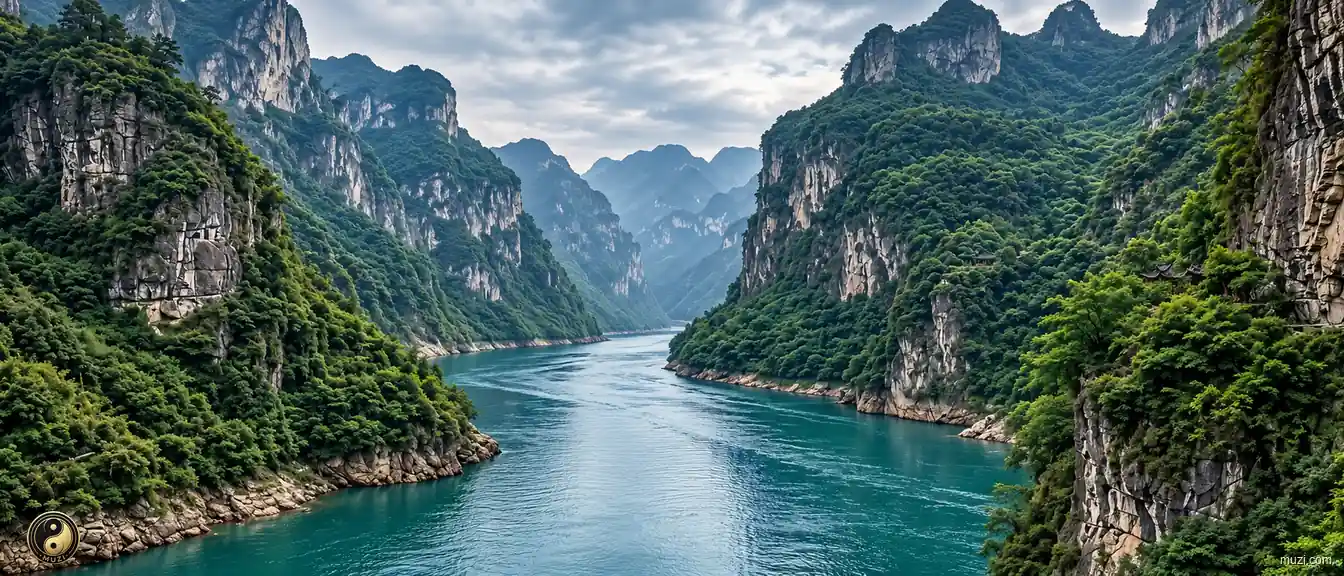
Asia's longest river, flowing six thousand kilometers from the Tibetan Plateau to the East China Sea — the aorta and golden waterway of Chinese civilization.
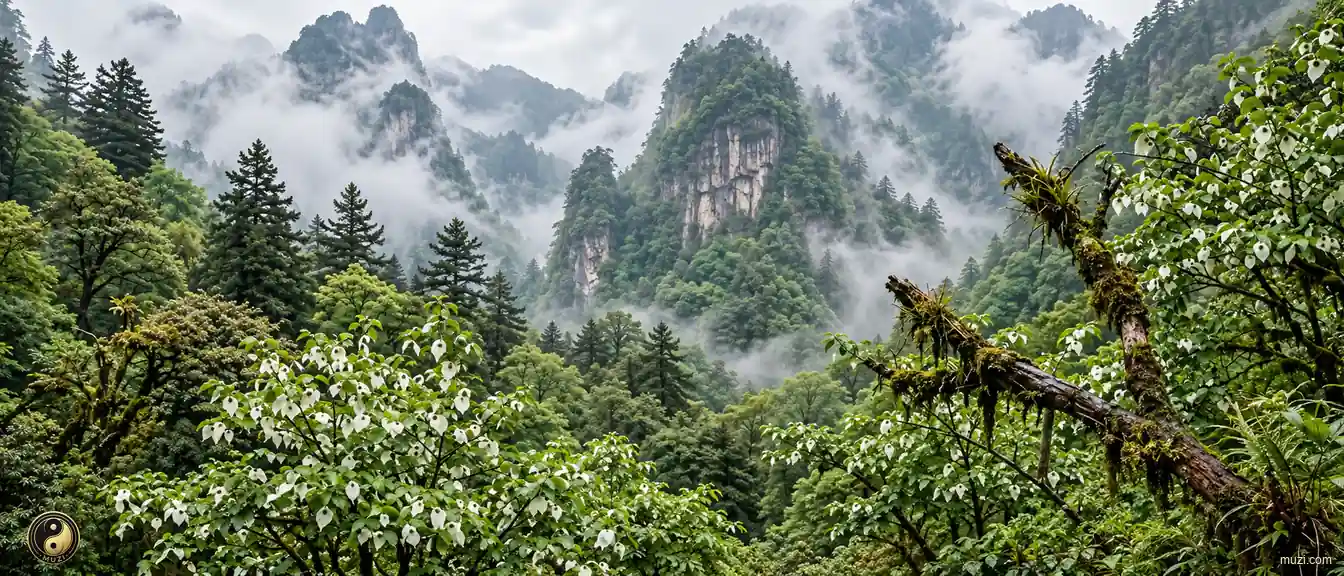
The roof of central China, a mysterious realm on the thirtieth parallel north — rumored home of the Wild Man, a primeval forest preserving vast numbers of ancient relict plants.
A suspended walkway carved into the vertical cliffs of the Three Gorges — trackers and soldiers clawing out a logistics miracle against heaven-defying terrain with bare hands.
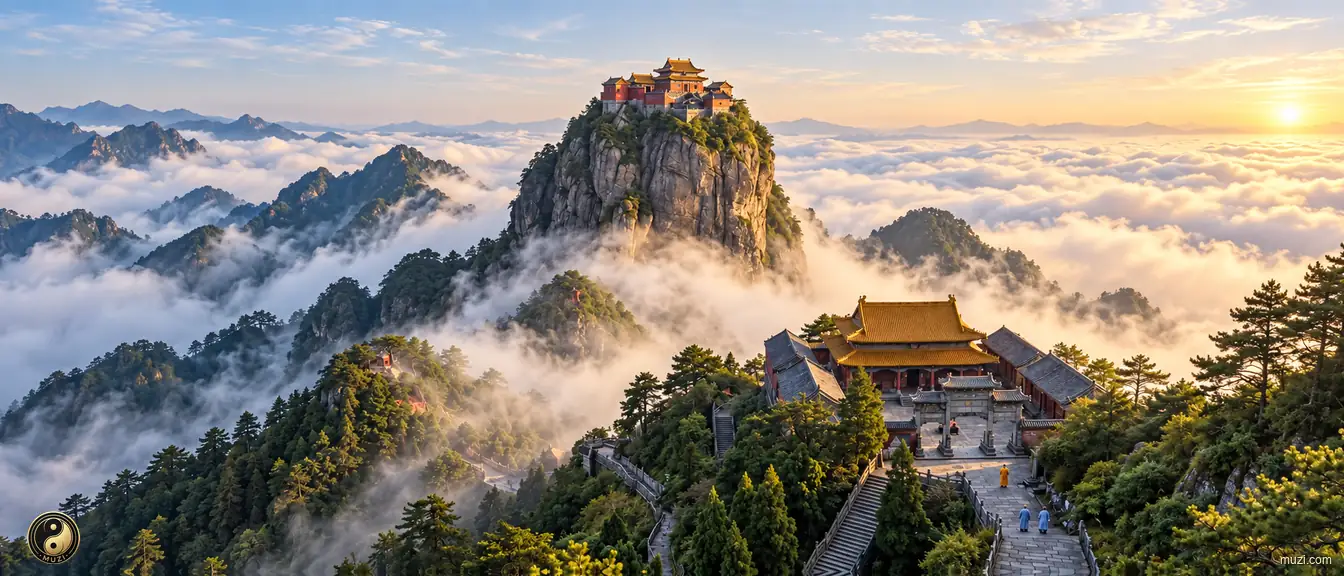
Mount Wudang, foremost of Daoist mountains — the Yongle Emperor dispatched hundreds of thousands to carve this proclamation of imperial legitimacy into heaven-defying cliffs, a royal faith spectacle.
Jingzhou preserves Chu and Three Kingdoms heritage, with a Ming wall among the best-preserved city walls in the Jianghan region.
On the fifteenth of the first month, bean gruel topped with fat is made and offered at the doors.
