


































 Prefecture-level
Nanchang
Nanchang, the hero city of the 1927 Nanchang Uprising, offers the Tengwang Pavilion on the Gan River and the Western Han Haihun Marquis site.
 MUZIChinese Matrix

The Gan River leads toward Poyang Lake, through hills and water towns rooted in Gan-Poyang culture.
The regional profile of Jiangxi begins with the concrete evidence “The Gan River leads toward Poyang Lake, through hills and water towns rooted in Gan-Poyang culture.” The clue links spatial form with everyday experience, giving the regional idea a concrete setting and human scale. Long-term change preserved, adjusted, and transmitted these relationships, showing how environmental influence and community action worked together. These interactions provide a factual basis for understanding the connections, distinctions, and continuities between Jiangxi and nearby places. Its significance lies in connecting regional geography, historical continuity, and cultural difference through checkable local evidence about Jiangxi.
Prefecture-level
Nanchang, the hero city of the 1927 Nanchang Uprising, offers the Tengwang Pavilion on the Gan River and the Western Han Haihun Marquis site.
 Prefecture-level
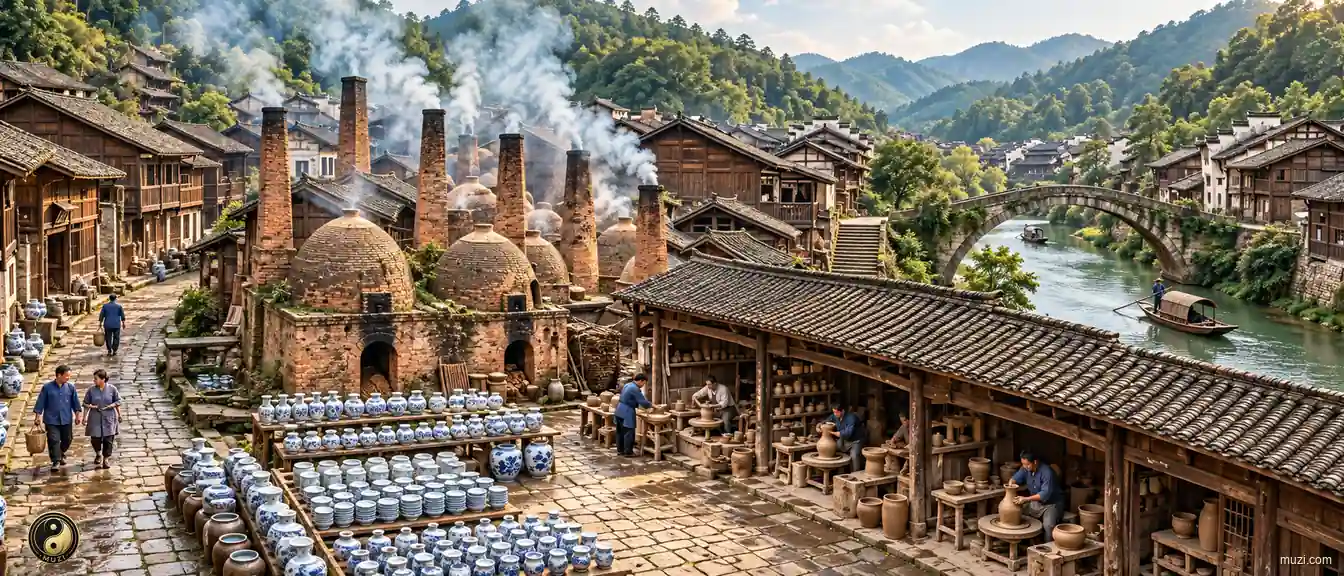
Jingdezhen, the millennium-old porcelain capital, preserves the Ming and Qing imperial kiln site, the Fuliang county yamen and tea-scented Yaoli town.
 Prefecture-level
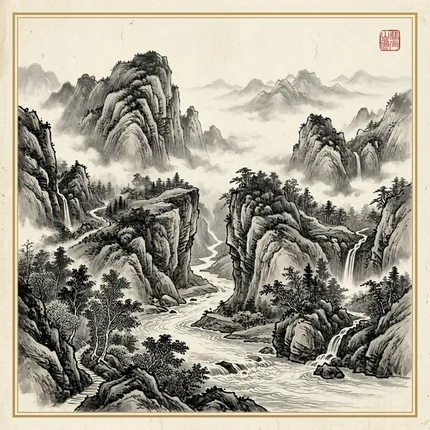
Pingxiang is known for the Anyuan miners' movement, the alpine meadows and cloud seas of Wugong Mountain and the fireworks of Shangli.
 Prefecture-level
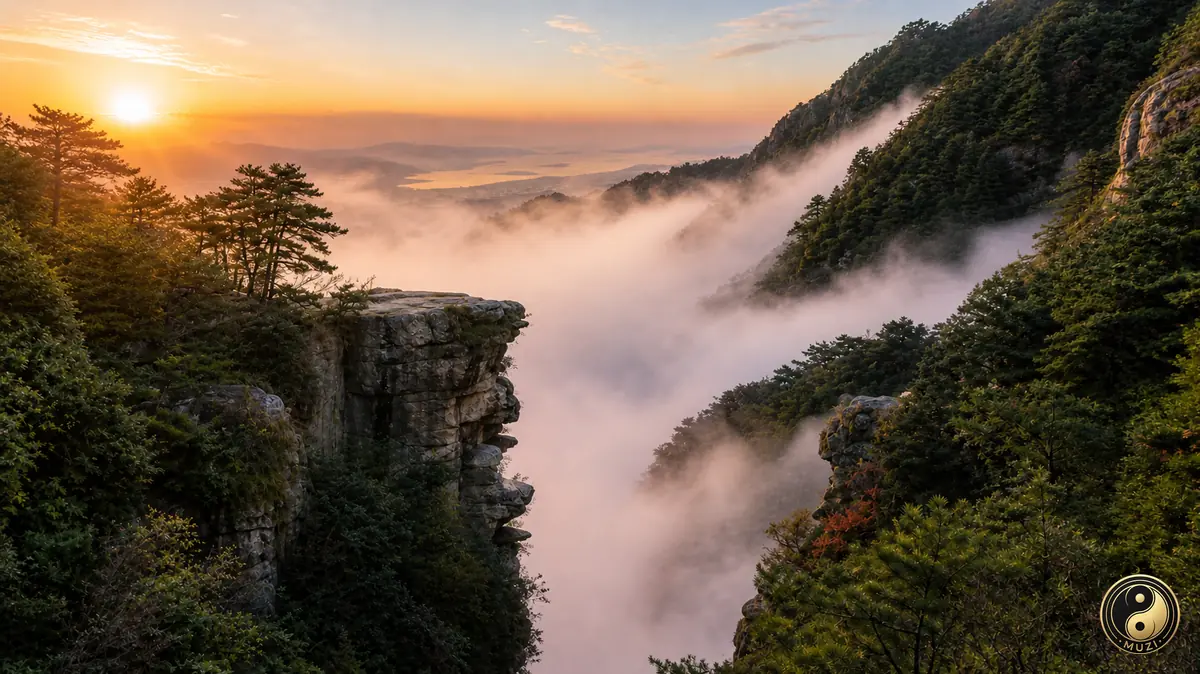
Jiujiang lies between Mount Lu and Poyang Lake, where the Xunyang Tower and Suojiang Pagoda overlook the Yangtze.
Prefecture-level
Xinyu, a steel city and hometown of painter Fu Baoshi, is known for Fairy Lake of the feather-robe legend and Fenyi ramie cloth.
 Prefecture-level
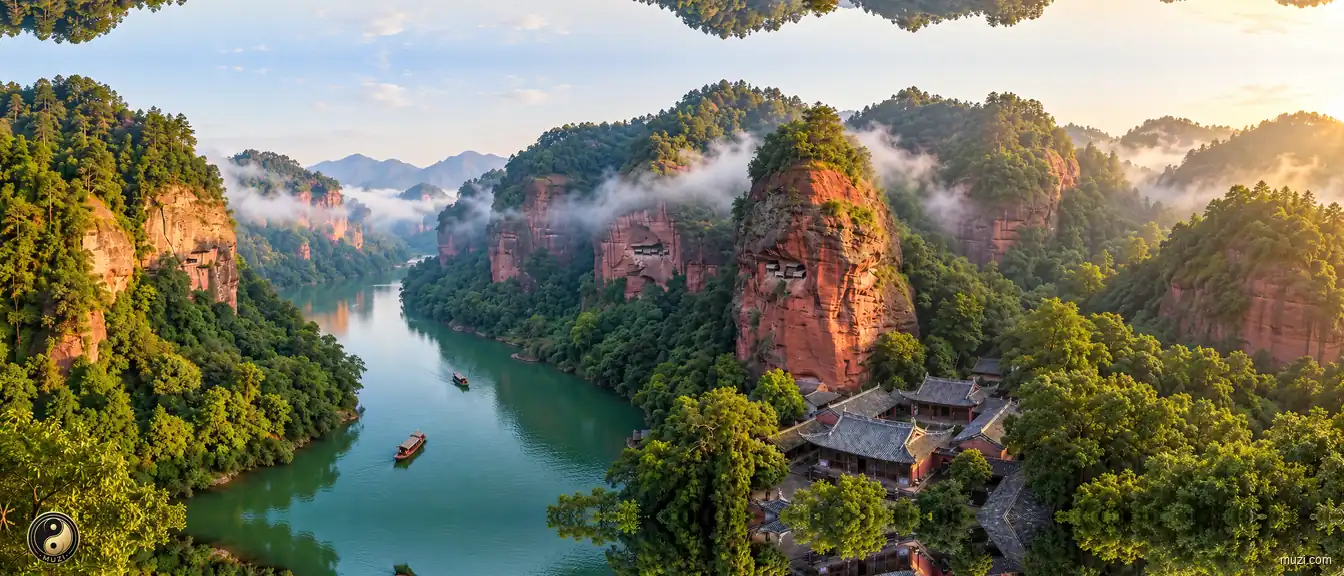
Yingtan is home to the red cliffs of Longhu Mountain, a World Heritage site, the Celestial Master's Mansion of Zhengyi Taoism and copper smelting.
Prefecture-level
Ganzhou keeps Song dynasty city walls and Yugu Terrace, with Ruijin as the former Red Capital, and is famous for navel oranges and Hakka walled houses.
Prefecture-level
Ji'an is home to Jinggang Mountain, cradle of the Chinese revolution, and Luling culture of Ouyang Xiu, Wen Tianxiang and Bailuzhou Academy.
Prefecture-level
Yichun calls itself the city of the moon for Mingyue Mountain and the selenium-rich Wentang hot springs, while Zhangshu is a famed herbal medicine centre.
Prefecture-level
Fuzhou in Jiangxi, the scholars' homeland of Linchuan, produced Wang Anshi and Tang Xianzu and is known for Nanfeng tangerines and Jinxi villages.
 Prefecture-level
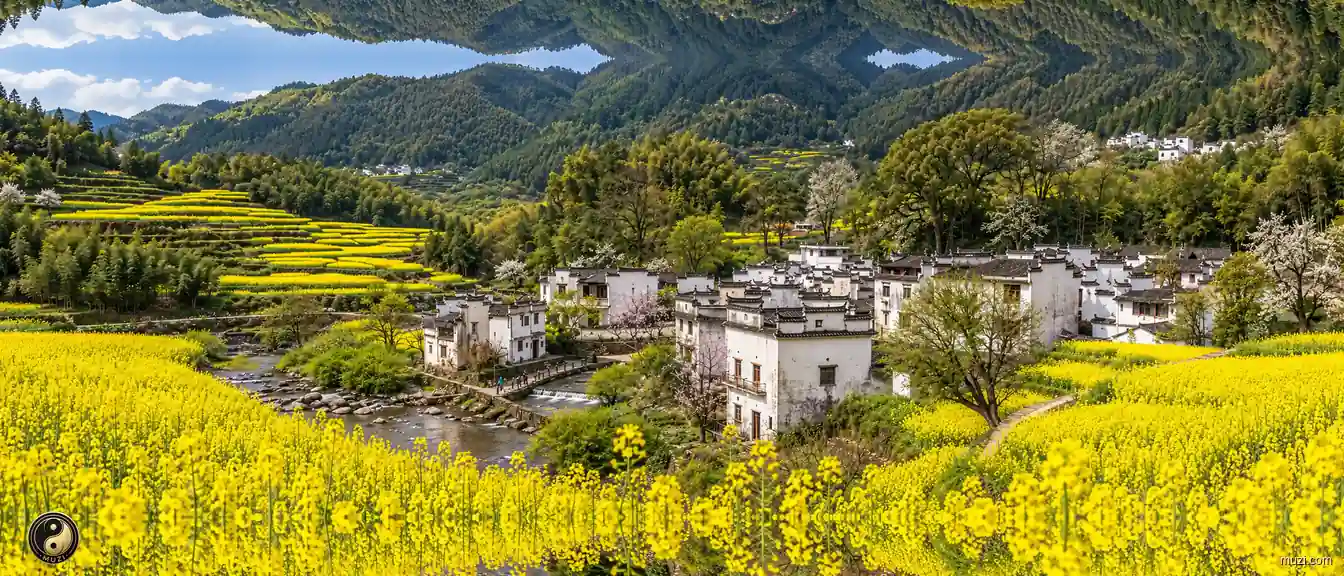
Shangrao boasts the granite peaks of Mount Sanqing, a World Heritage site, Wuyuan's Huizhou-style villages amid rapeseed flowers and Yanshan handmade paper.
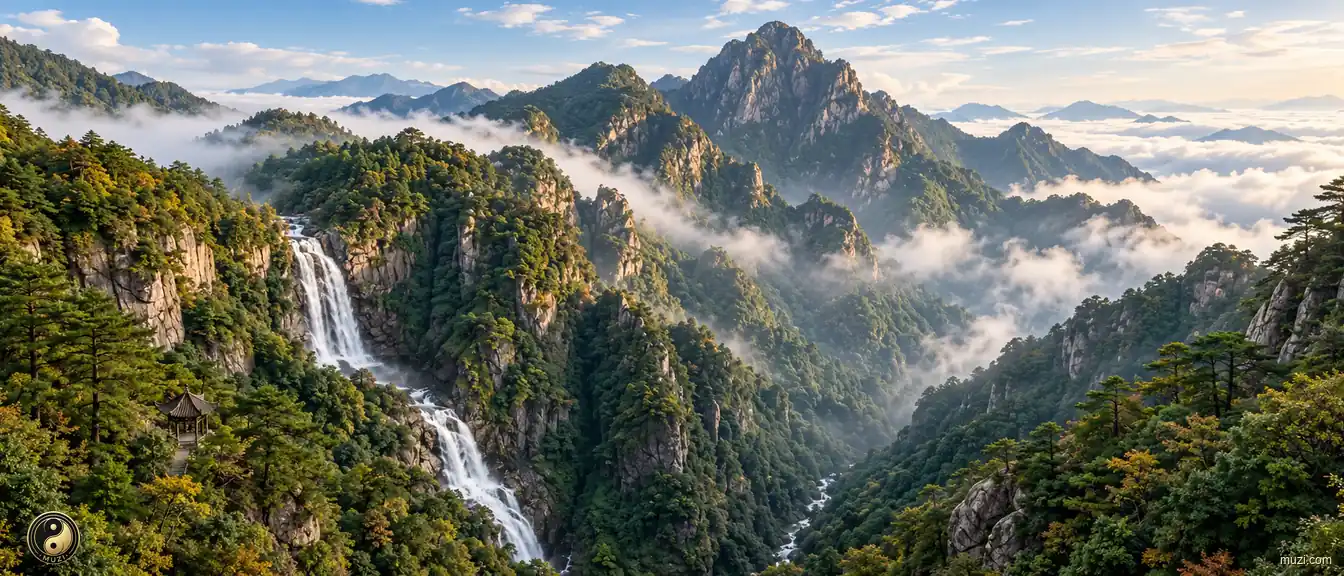
A cultural mountain of matchless beauty — waterfalls, drifting clouds, swirling mist, where four thousand poems and essays were left by generations of literati.
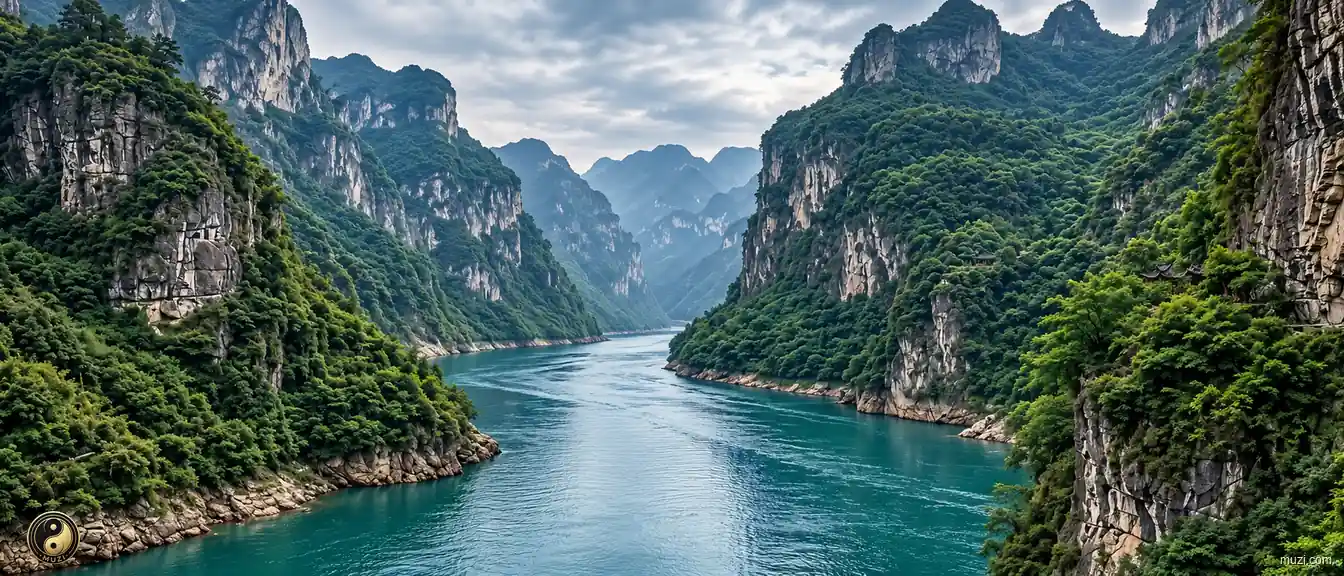
Asia's longest river, flowing six thousand kilometers from the Tibetan Plateau to the East China Sea — the aorta and golden waterway of Chinese civilization.
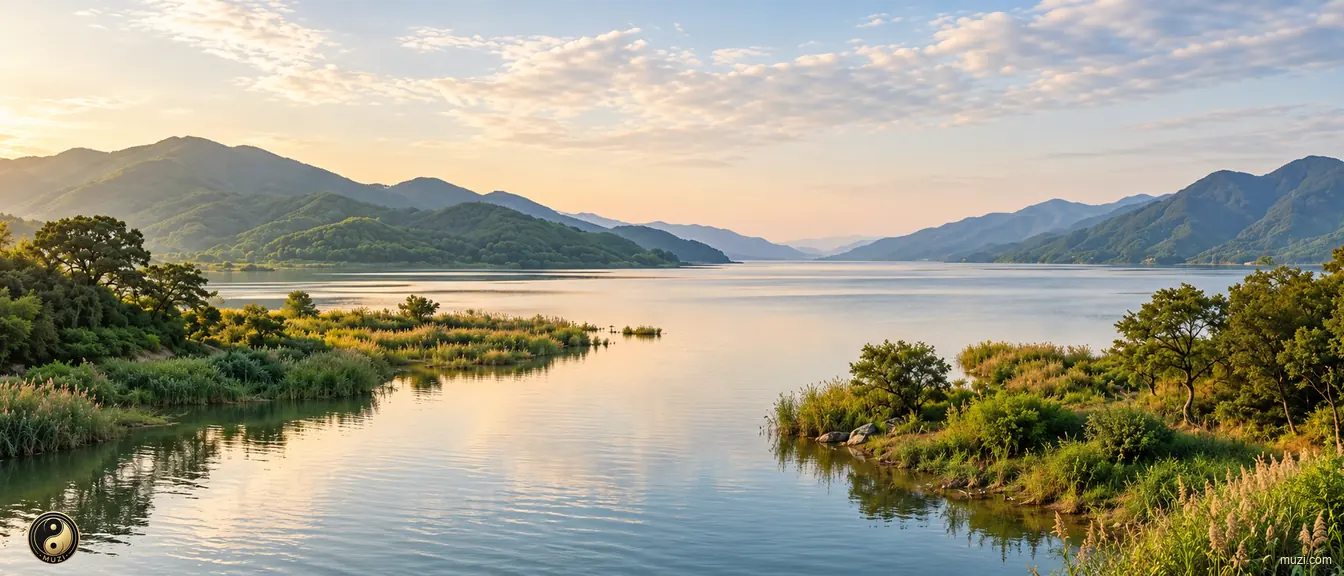
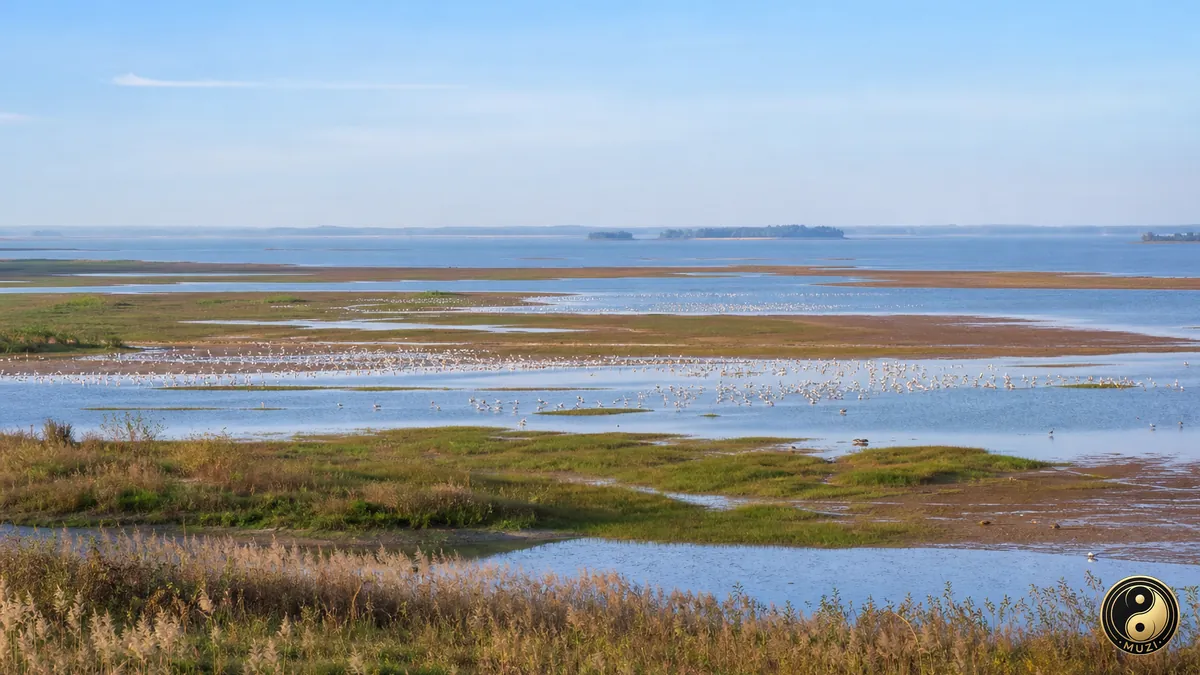
Poyang Lake is a major freshwater lake and natural regulator of the Yangtze, welcoming migratory birds each winter.
The thousand-year porcelain capital — where kaolin clay and Chang River water combine to produce the synonym for Chinese ceramics, the porcelain fountainhead of the Maritime Silk Road.
Mount Longhu, the ancestral seat of Zhengyi Daoism — Danxia pictographic peaks, thousand-year hanging coffins, and talismanic ritual codes converge in the South's esoteric faith center.
Wuyuan's rapeseed fields and white-walled Huizhou houses compose a golden Jiangnan countryside.
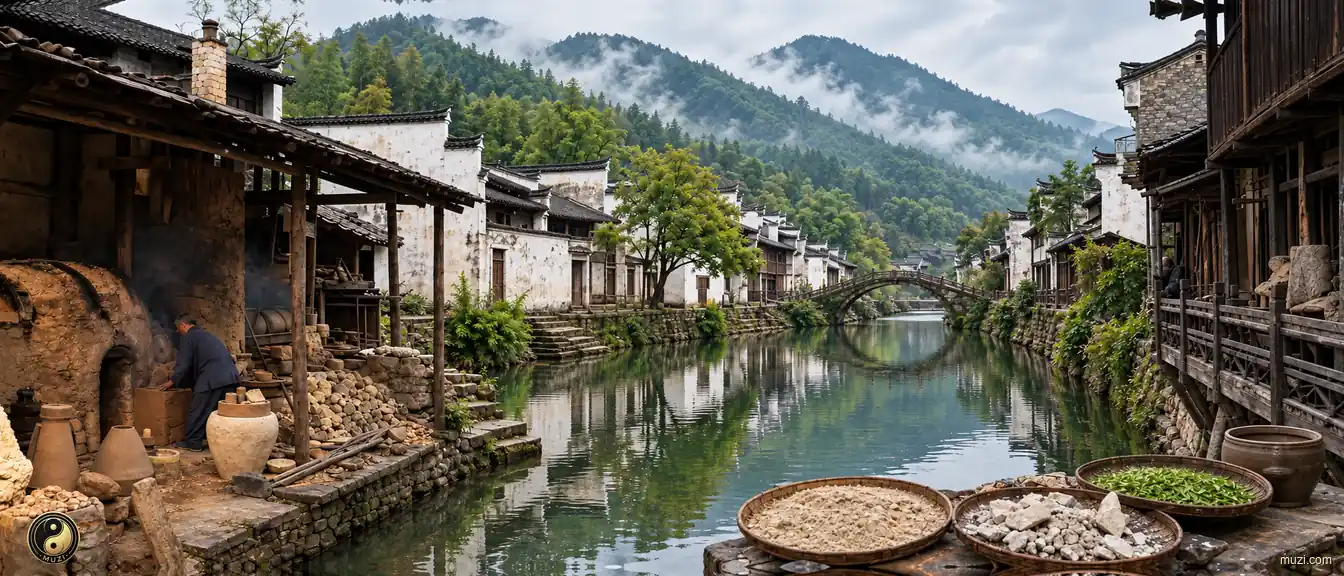
Source of porcelain, homeland of tea, sea of forests; the raw material origin for Jingdezhen ceramics; Ming-Qing commercial street testifies to bygone bustle.