


































 Prefecture-level
Kunming
Kunming, the Spring City, pairs the Stone Forest karst with Dianchi Lake and the Western Hills, while Dounan hosts Asia's largest cut-flower market.
 MUZIChinese Matrix

Across the Hengduan Mountains toward Southeast Asia, Yunnan presents layered climates, exceptional biodiversity, and many cultural traditions.
A useful starting point for Yunnan is the documented fact “Across the Hengduan Mountains toward Southeast Asia, Yunnan presents layered climates, exceptional biodiversity, and many cultural traditions.” The natural conditions and social experience of Yunnan therefore belong to one connected geographic story. Communities responded to surrounding conditions through residence, exchange, and daily practice, giving the spatial pattern a traceable history. The chain from environmental conditions to social practice gives the regional change of Yunnan a clear real-world expression. Taken together, these clues clarify the position, change, and distinctive contribution of Yunnan within the larger region.
Prefecture-level
Kunming, the Spring City, pairs the Stone Forest karst with Dianchi Lake and the Western Hills, while Dounan hosts Asia's largest cut-flower market.
 Prefecture-level
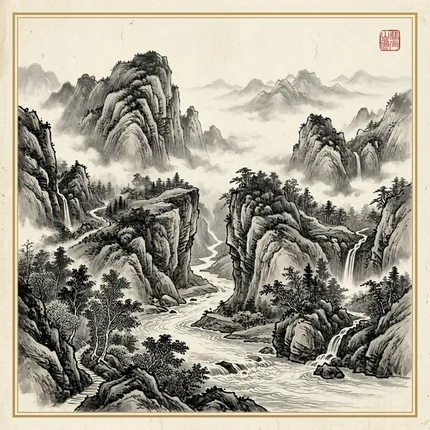
Qujing guards the two Cuan steles and the source of the Pearl River, and Luoping's rapeseed fields turn golden each spring.
Prefecture-level
Yuxi offers deep, clear Fuxian Lake, the Chengjiang fossil site recording the Cambrian explosion, and the former residence of composer Nie Er.
 Prefecture-level
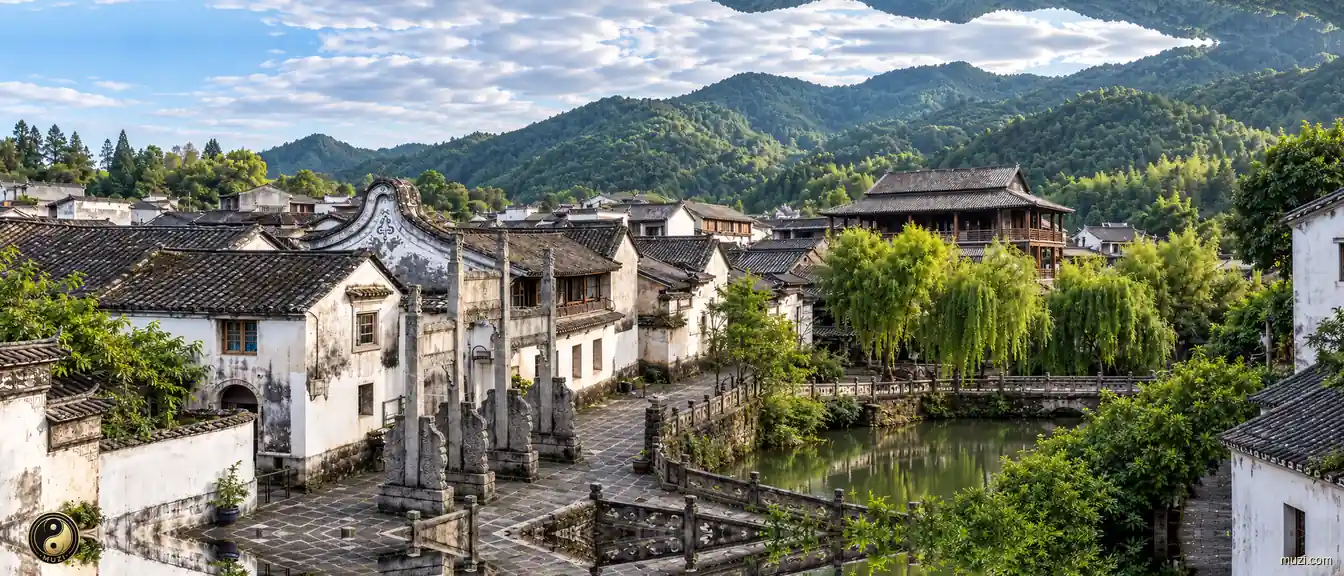
Baoshan, below the Gaoligong Mountains, is known for Tengchong's volcanoes, hot springs and Heshun town, plus small-bean coffee and Yongzi go stones.
Prefecture-level
Zhaotong hosts wintering black-necked cranes at Dashanbao, grows famed apples, and harnesses the Jinsha River with the Xiluodu and Baihetan dams.
 Prefecture-level
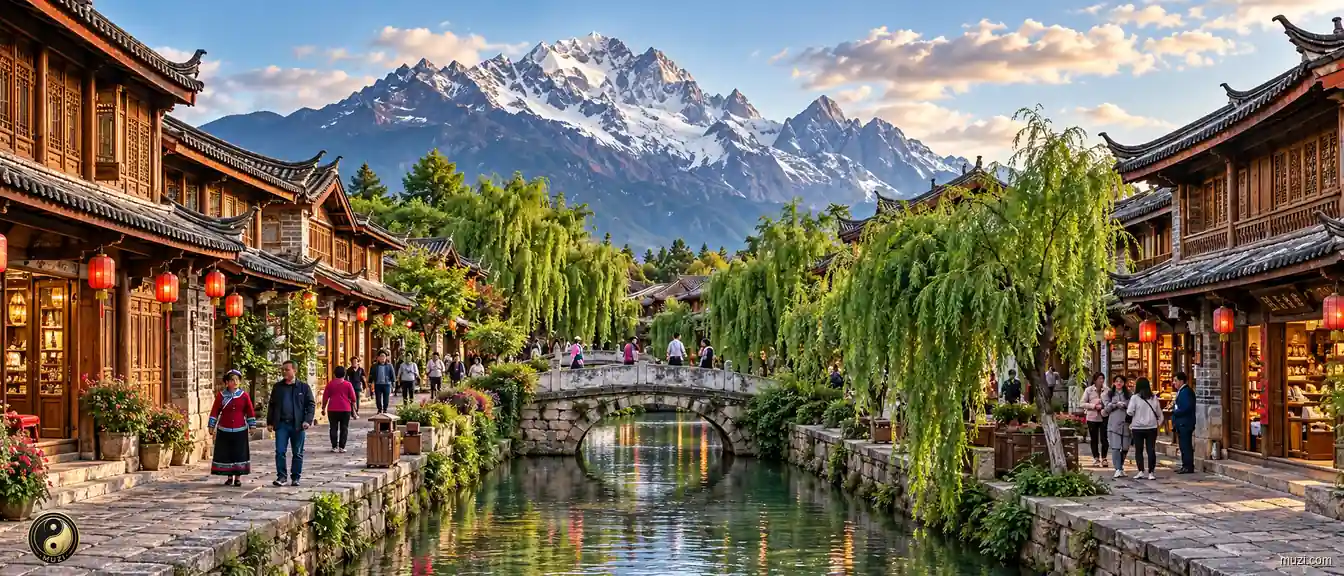
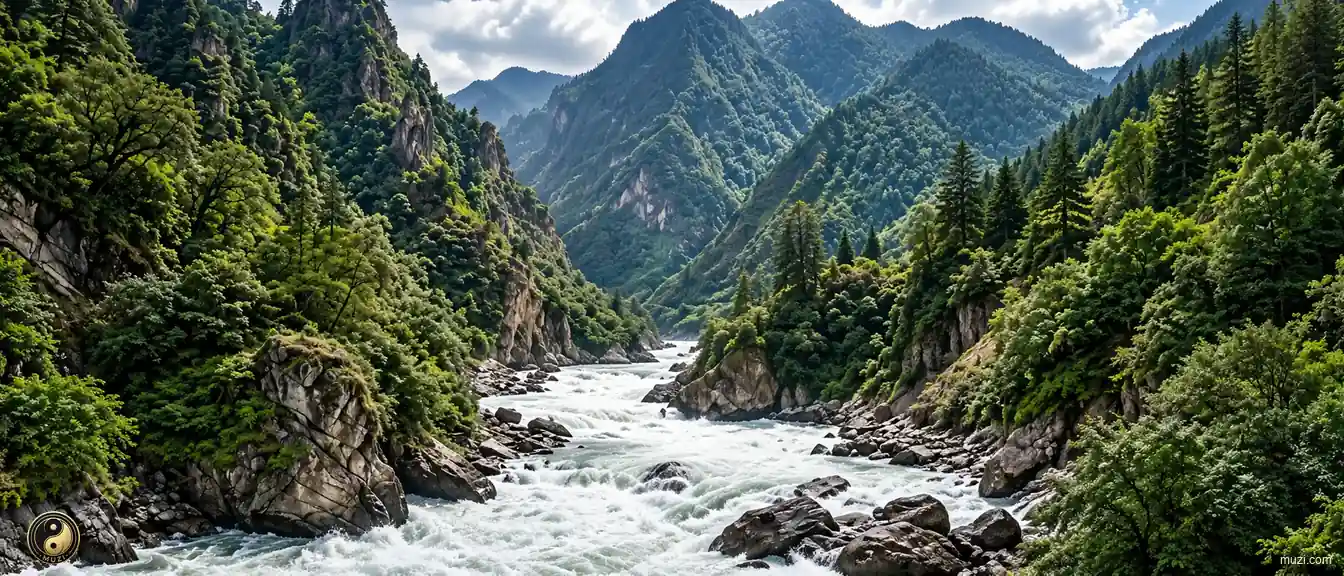
Jade Dragon Snow Mountain overlooks Lijiang Old Town, the Jinsha River roars through Tiger Leaping Gorge, and Mosuo families live along Lugu Lake.
Prefecture-level
Pu'er, a city named for its tea, holds the Jingmai Mountain old tea forests, a World Heritage site, and Nakeli, a post station on the Tea Horse Road.
Prefecture-level
Lincang, home of Dianhong black tea, is famed for Fengqing's ancient tea trees, Bingdao tea from Shuangjiang and the Cangyuan rock paintings.
Prefecture-level
Yuanmou Man and Lufeng dinosaur fossils reveal deep time in Chuxiong, a Yi prefecture celebrating the Torch Festival and the ten-month solar calendar.
Prefecture-level
Honghe is known for the Hani rice terraces of Yuanyang, Jianshui's old town and purple pottery, and Mengzi, birthplace of crossing-the-bridge noodles.
Prefecture-level
Wenshan, home of sanqi notoginseng, offers the karst lakes of Puzhehei in Qiubei and Bamei village in Guangnan, likened to a hidden paradise.
 Prefecture-level
Xishuangbanna's tropical rainforest shelters Asian elephants at Wild Elephant Valley, while Menghai Pu'er tea and Dai bamboo houses add distinctive charm.
 Prefecture-level
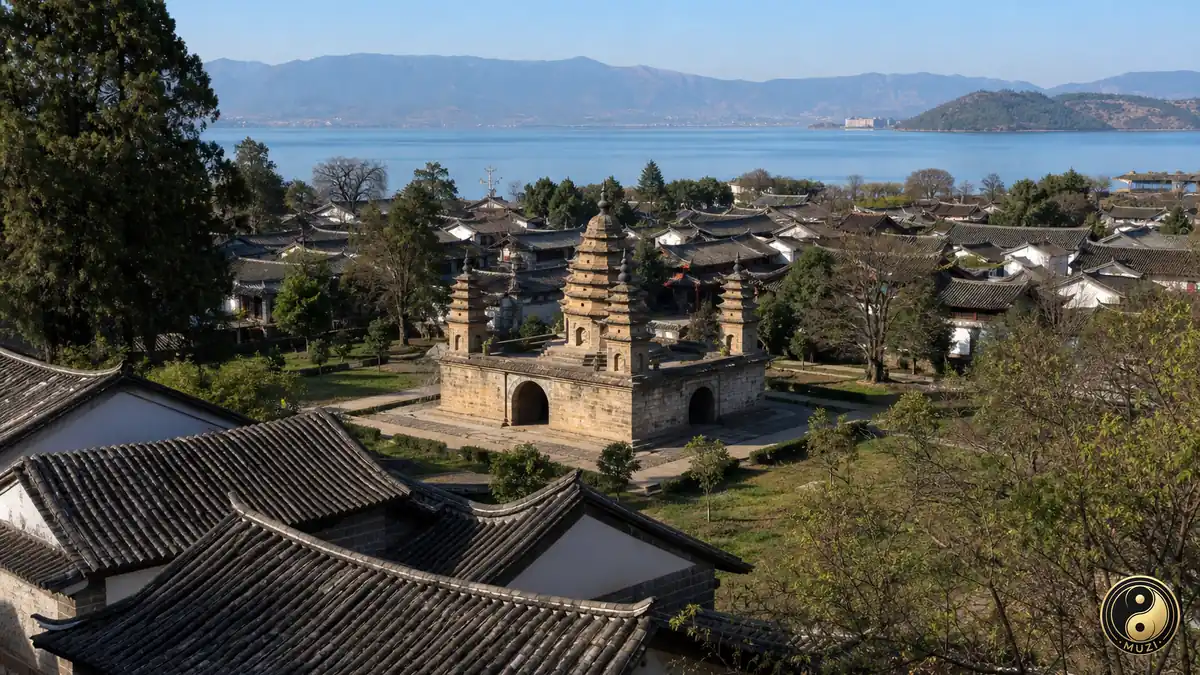
Dali sets its old town between the Cangshan range and Erhai Lake, where the Three Pagodas of Chongsheng Temple have stood for over a millennium.
Prefecture-level
Dehong celebrates the Jingpo Munao Zongge festival, trades jade in busy Ruili markets, and gleams with the Golden Pagoda of Mangshi.
Prefecture-level
Nujiang's Grand Canyon cuts between high ranges, the Stone Moon arch hangs above Fugong, and Bingzhongluo and Lisu customs draw travelers.
Prefecture-level
Diqing offers sunrise on the Meili Snow Mountains, Songzanlin Monastery and Pudacuo National Park in Shangri-La, and wide alpine meadows.
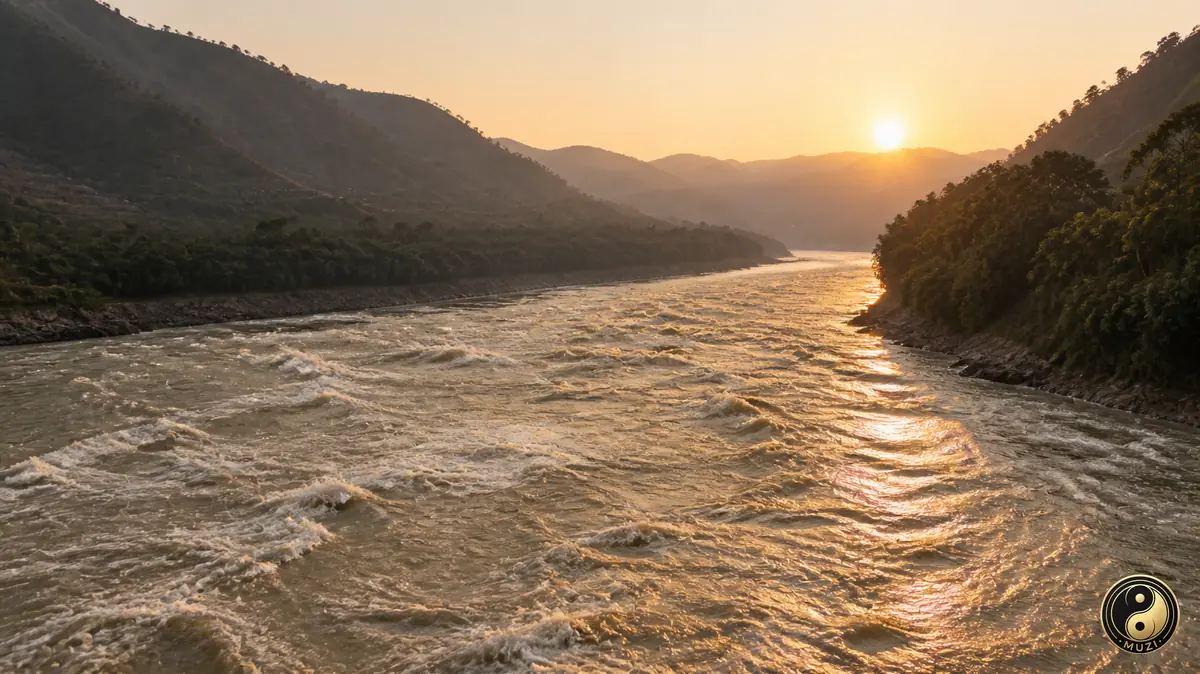
Asia's longest river, flowing six thousand kilometers from the Tibetan Plateau to the East China Sea — the aorta and golden waterway of Chinese civilization.
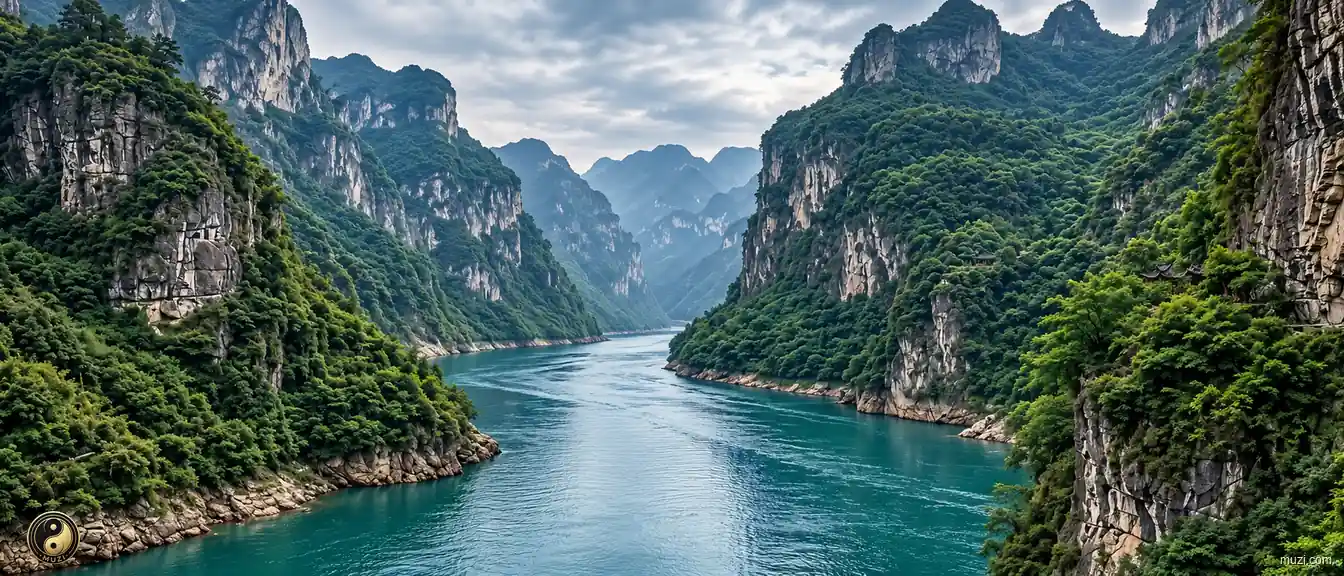
A great international river surging down from the Tibetan Plateau — cutting through deep gorges in Yunnan before nourishing the entire Indochina Peninsula downstream as the Mekong.
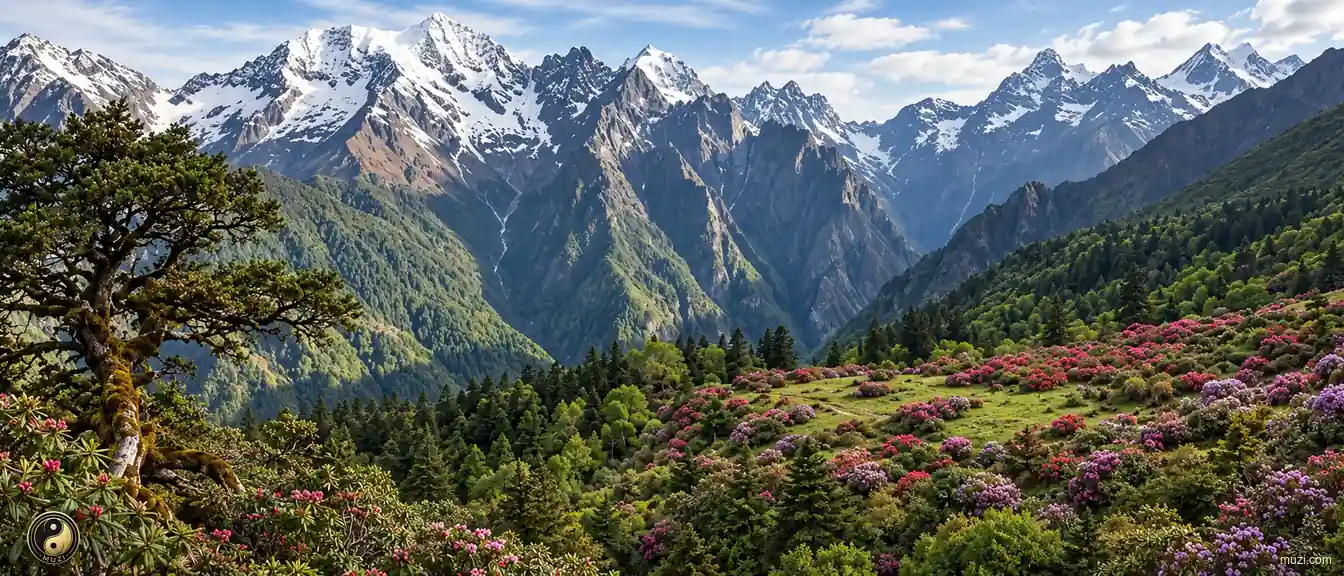
Several thousand meters of vertical drop compress tropical to frigid ecosystems onto a single mountain — an ultimate three-dimensional ecological corridor where one mountain holds all four seasons.
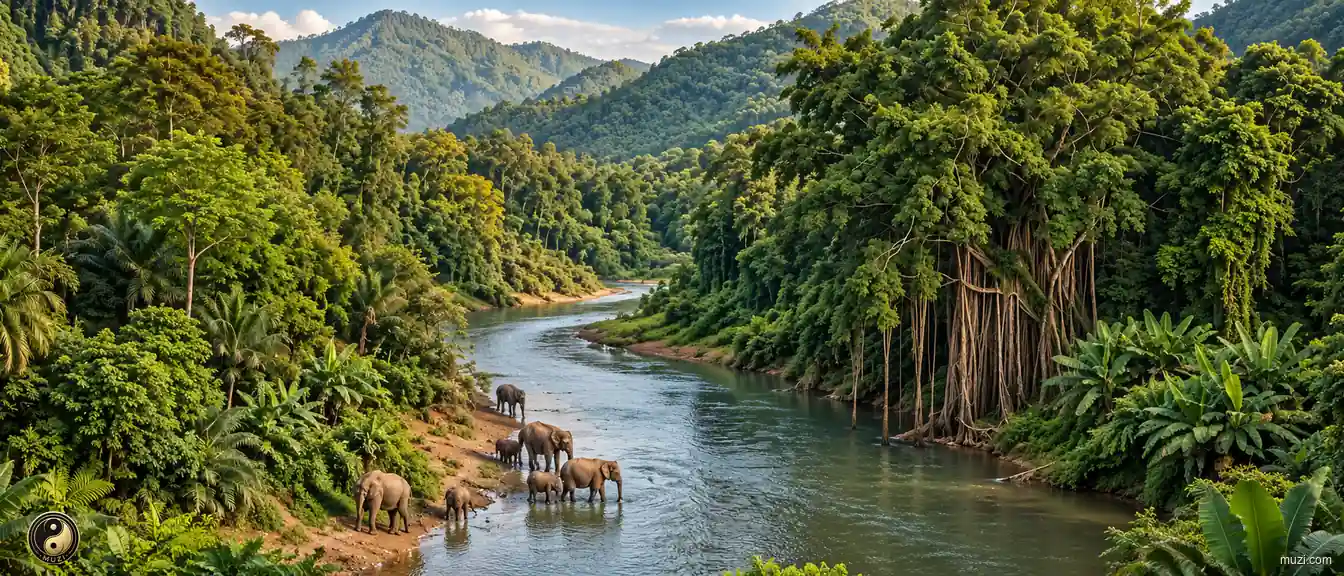
North of the Tropic of Cancer, Xishuangbanna preserves tropical rainforest habitat for elephants, peafowl, and diverse wildlife.
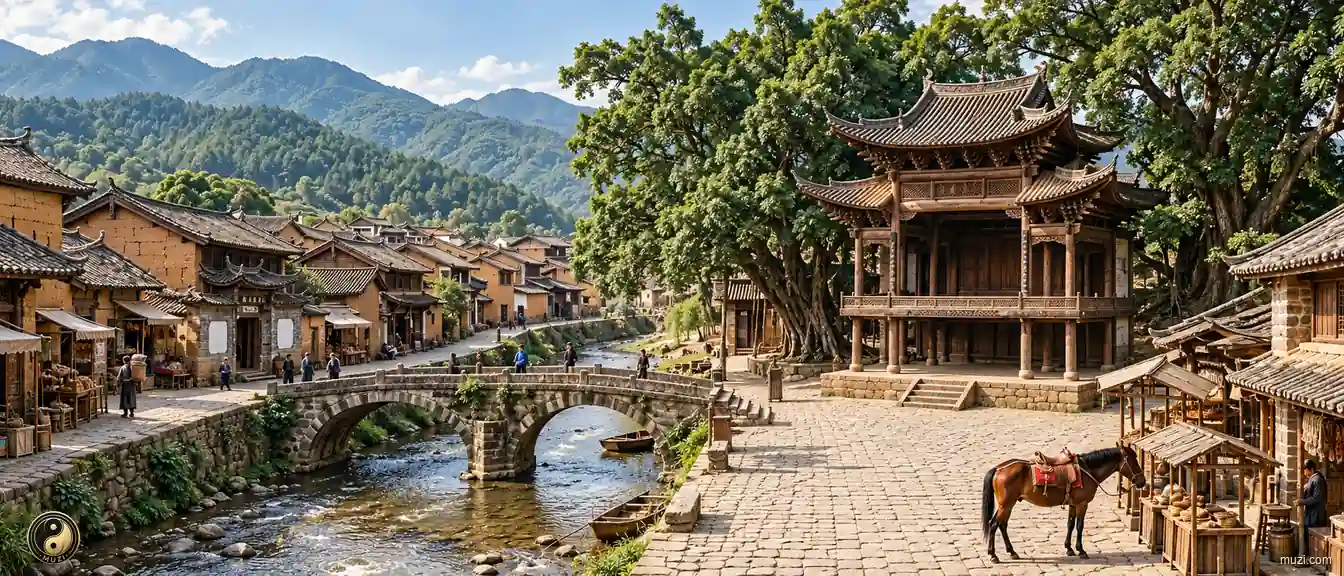
The only surviving market town on the Tea Horse Road — a dense plaza unit of red-earth fortress, ancient stage, and horse inns, a high-altitude international trade router carved by muleteers' flesh and blood.
A Naxi city at the foot of Jade Dragon Snow Mountain — unwalled, spring water flowing freely through every street, a fluid space of free trade and multicultural convergence breaking all Han axial orthodoxy.
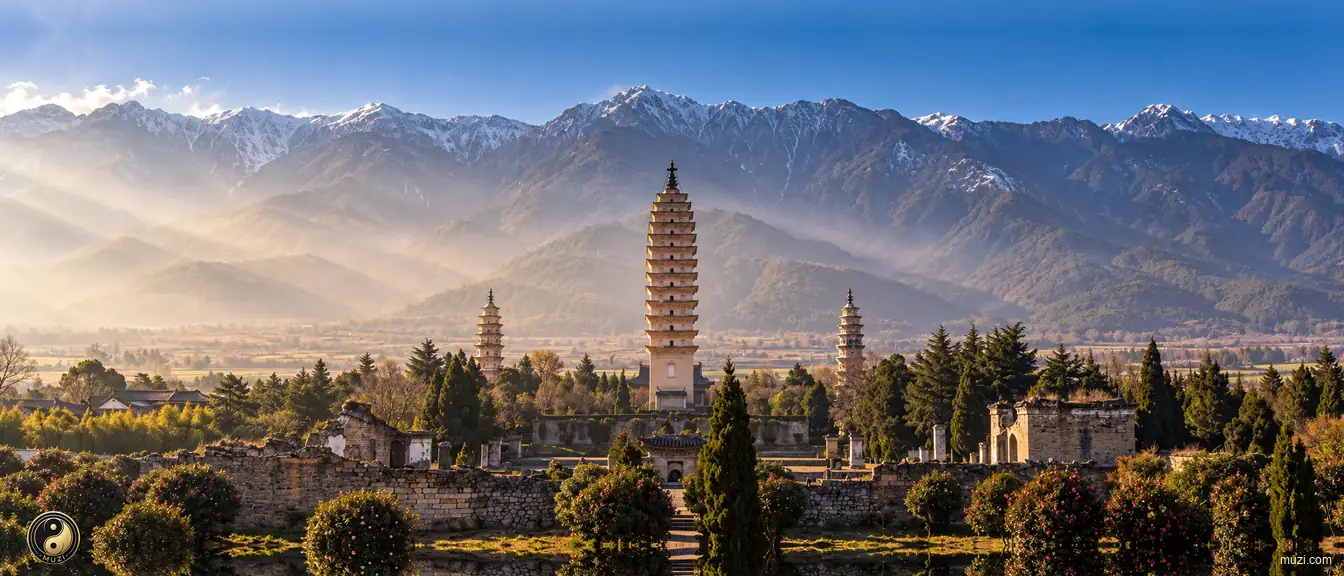
The Three Pagodas of Chongsheng Temple in Dali — standing tall through dozens of violent earthquakes over a millennium, the spiritual landmark by which the Nanzhao and Dali kingdoms formatted the wild southwest frontier with grand brick geometry.
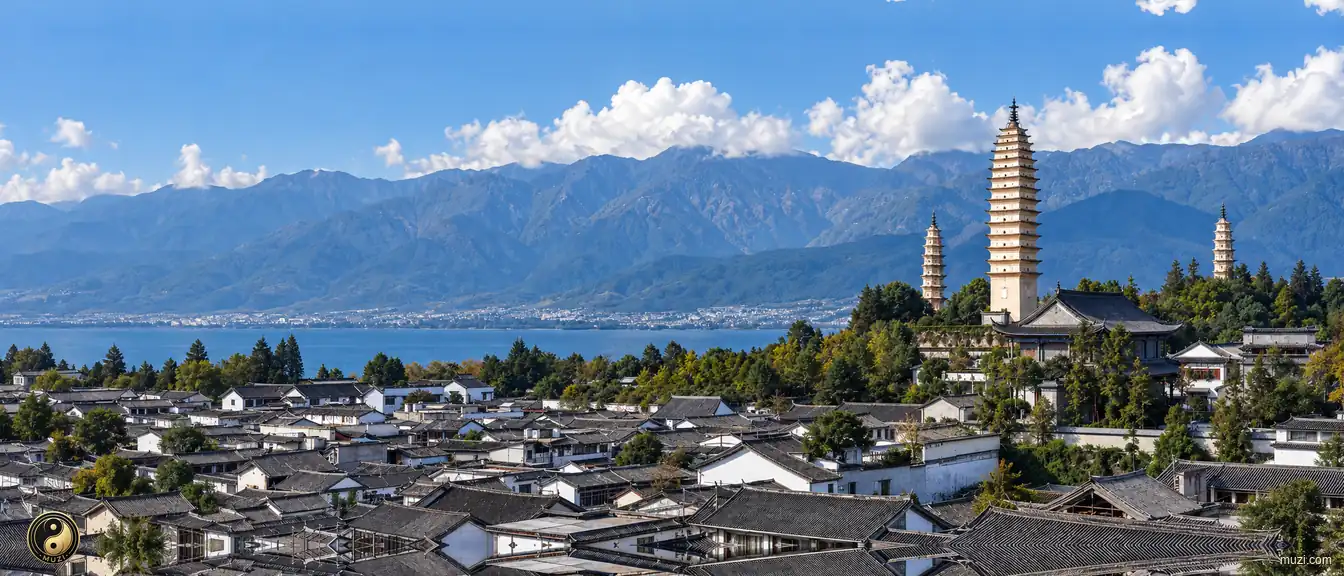
Capital of the Nanzhao and Dali kingdoms; a scholarly city between Cangshan and Erhai; the Three Pagodas of Chongsheng Temple embody a millennium of Buddhist heritage.
Heshun's Southwest Silk Road heritage, rural library, and Ai Siqi residence anchor a borderland cultural town.
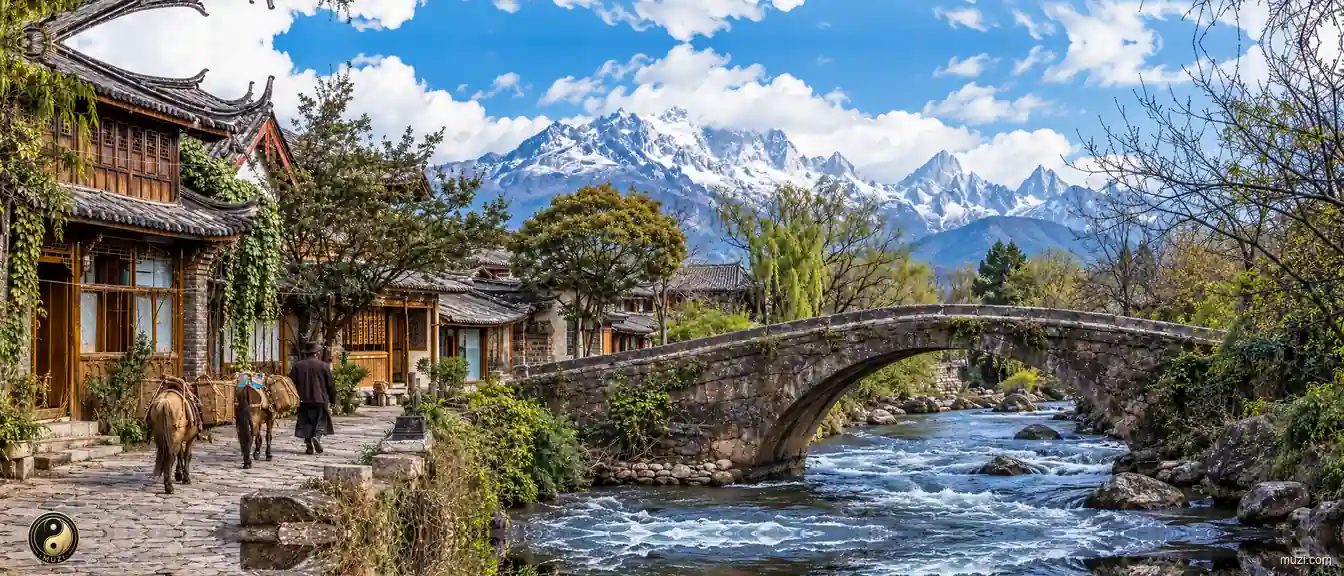
Best-preserved caravan stop on the Ancient Tea Horse Road; Qinglong Bridge and Naxi houses retain the rustic charm of horse-caravan days.
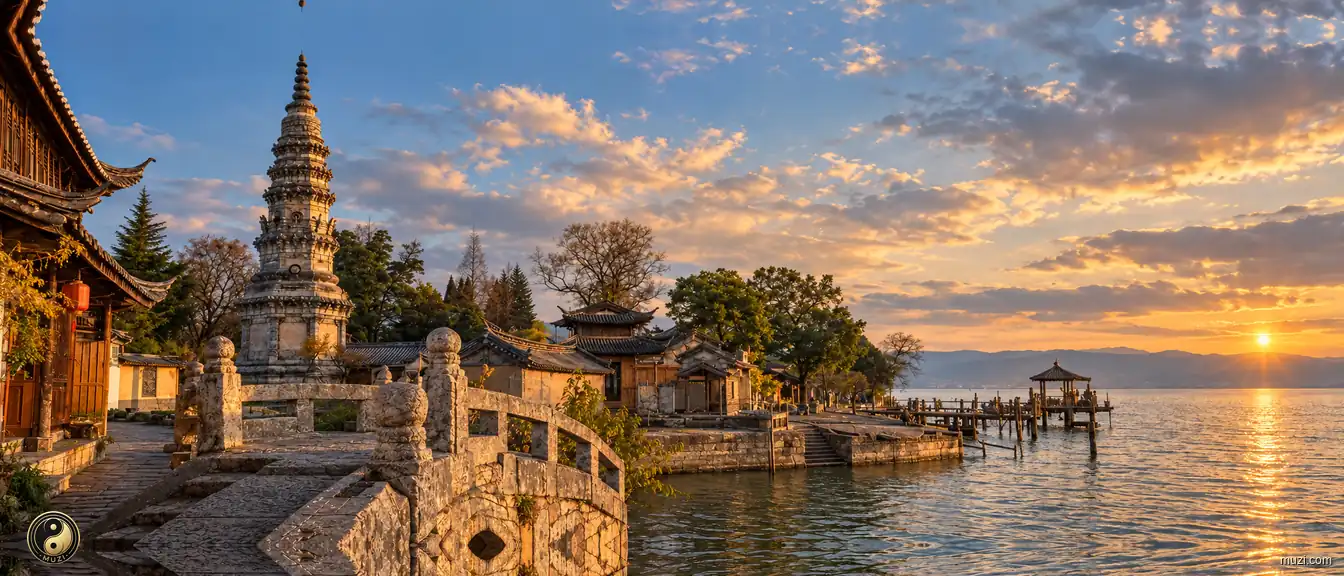
Tang-dynasty Nanzhao ferry port; Miaozhan Temple Diamond Throne Pagoda is the foremost vajra throne pagoda in central Yunnan; once the busiest trade port on Lake Dian.
He was made the son and heir of Wenzong, to enter and continue the great line as the succeeding emperor.
