


































 Prefecture-level
Nanning
Nanning, the evergreen Green City on the Yong River, is known for Qingxiu Mountain, its old Three Streets and Two Lanes and sour-spicy laoyou noodles.
 MUZIChinese Matrix

From the Beibu Gulf to the karst interior, Zhuang heritage and multi-ethnic communities occupy a varied mountain-and-coast setting.
The regional profile of Guangxi begins with the concrete evidence “From the Beibu Gulf to the karst interior, Zhuang heritage and multi-ethnic communities occupy a varied mountain-and-coast setting.” The clue links spatial form with everyday experience, giving the regional idea a concrete setting and human scale. Long-term change preserved, adjusted, and transmitted these relationships, showing how environmental influence and community action worked together. These interactions provide a factual basis for understanding the connections, distinctions, and continuities between Guangxi and nearby places. Its significance lies in connecting regional geography, historical continuity, and cultural difference through checkable local evidence about Guangxi.
Prefecture-level
Nanning, the evergreen Green City on the Yong River, is known for Qingxiu Mountain, its old Three Streets and Two Lanes and sour-spicy laoyou noodles.
Prefecture-level
Liuzhou wraps around a great bend of the Liu River, a karst-ringed industrial city famed nationwide for luosifen river-snail noodles.
 Prefecture-level
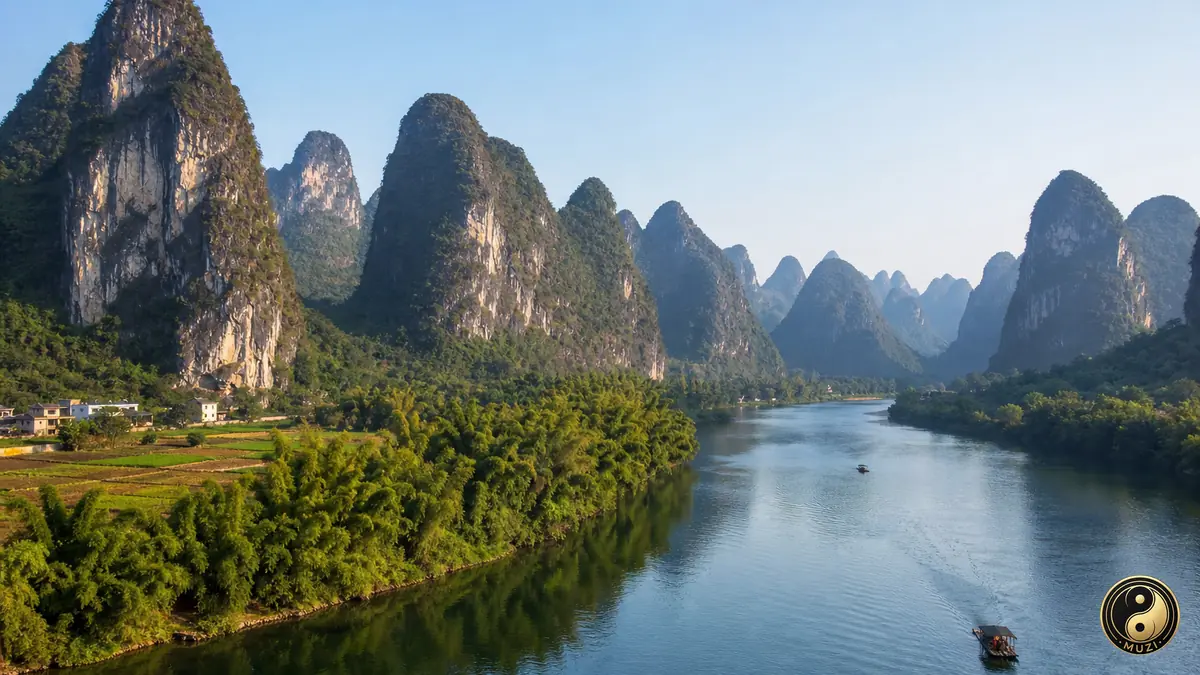
Guilin's karst scenery is proverbial, from the Li River gallery and Elephant Trunk Hill to bamboo rafts on Yangshuo's Yulong River.
Prefecture-level
Wuzhou, where the Gui and Xun rivers form the West River, keeps an arcaded qilou old town and is famed for Liubao tea and turtle jelly.
 Prefecture-level
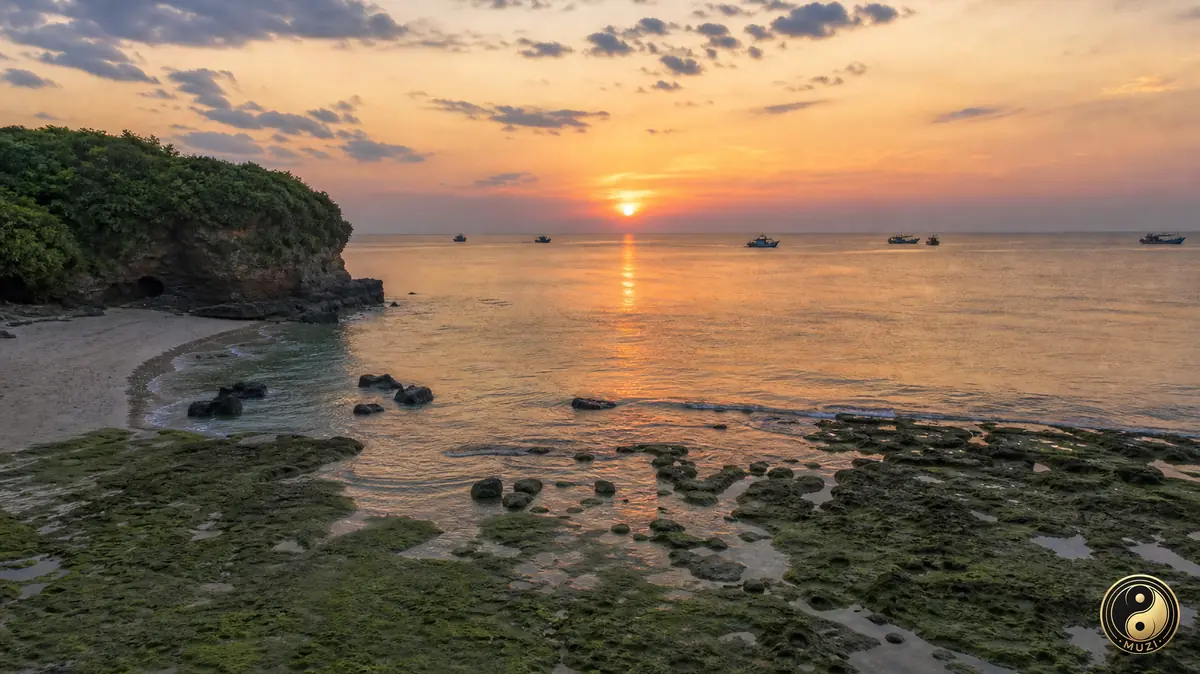
Beihai boasts the white sands of Silver Beach, a century-old arcaded Old Street and the volcanic coastline of Weizhou Island.
Prefecture-level
Fangchenggang is home to the Jing people's three islands and their monochord music, the Dongxing border port and the green Shiwandashan range.
Prefecture-level
Qinzhou is known for Nixing pottery, the Chinese white dolphins of Sanniang Bay and the former residence of late-Qing general Feng Zicai.
Prefecture-level
Guigang, the lotus city on the Yu River, includes Guiping's Xishan scenic hills and the Jintian site where the Taiping Rebellion began.
Prefecture-level
Yulin is known for Rongxian's lever-braced Zhenwu Pavilion, its large herbal medicine market and the Luchuan pig breed.
Prefecture-level
Baise on the You River commemorates the Baise Uprising and is famed for its mangoes and the giant karst sinkholes of Leye.
 Prefecture-level
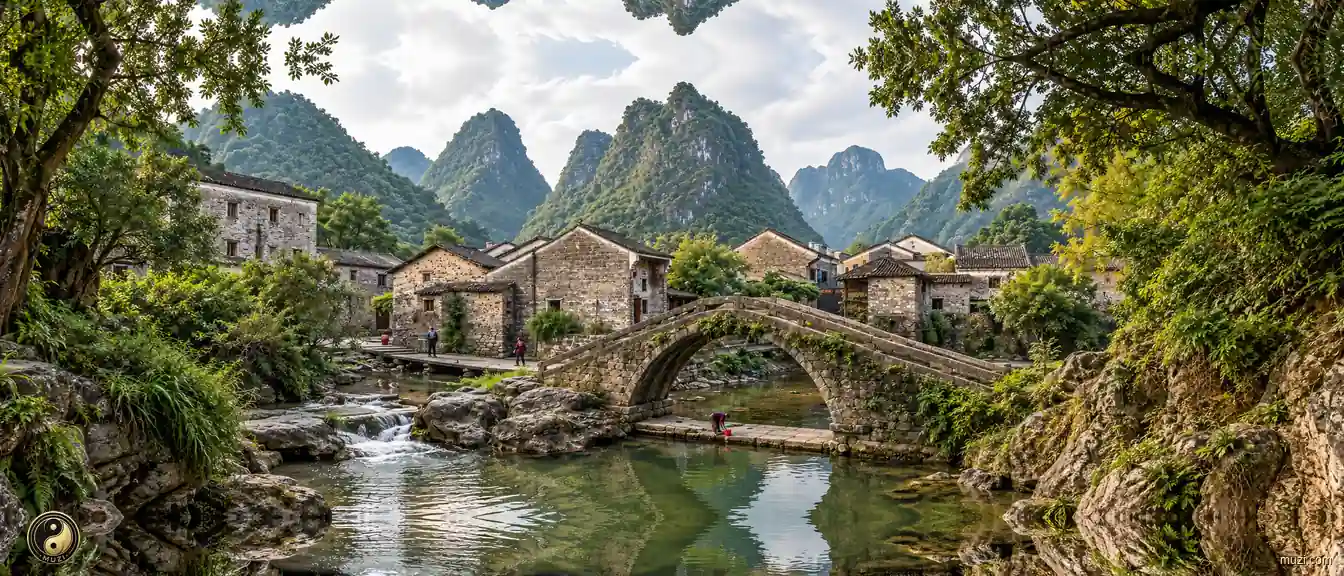
Hezhou treasures the flagstone lanes of Huangyao Ancient Town, the forests of Gupo Mountain and the Yao long-drum dance of Fuchuan.
Prefecture-level
Hechi is famed for Bama's longevity villages, claims the folk singer Liu Sanjie as a native of Yizhou, and keeps bronze-drum traditions in Donglan.
Prefecture-level
Laibin holds the forests of Dayao Mountain in Jinxiu, called a world center of Yao culture, plus sugarcane fields along the Hongshui River.
Prefecture-level
Chongzuo features the cross-border Detian Waterfall, the World Heritage Zuojiang Huashan rock art and the historic Friendship Pass.

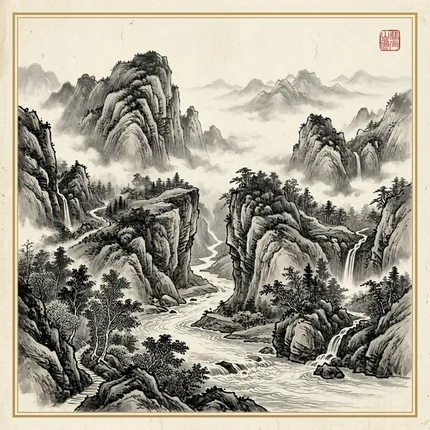
Karst peaks and the Li River make Guilin a classic Chinese ink-wash landscape.

The Li River winds through karst peaks, its reflections sustaining a classic landscape-painting tradition.
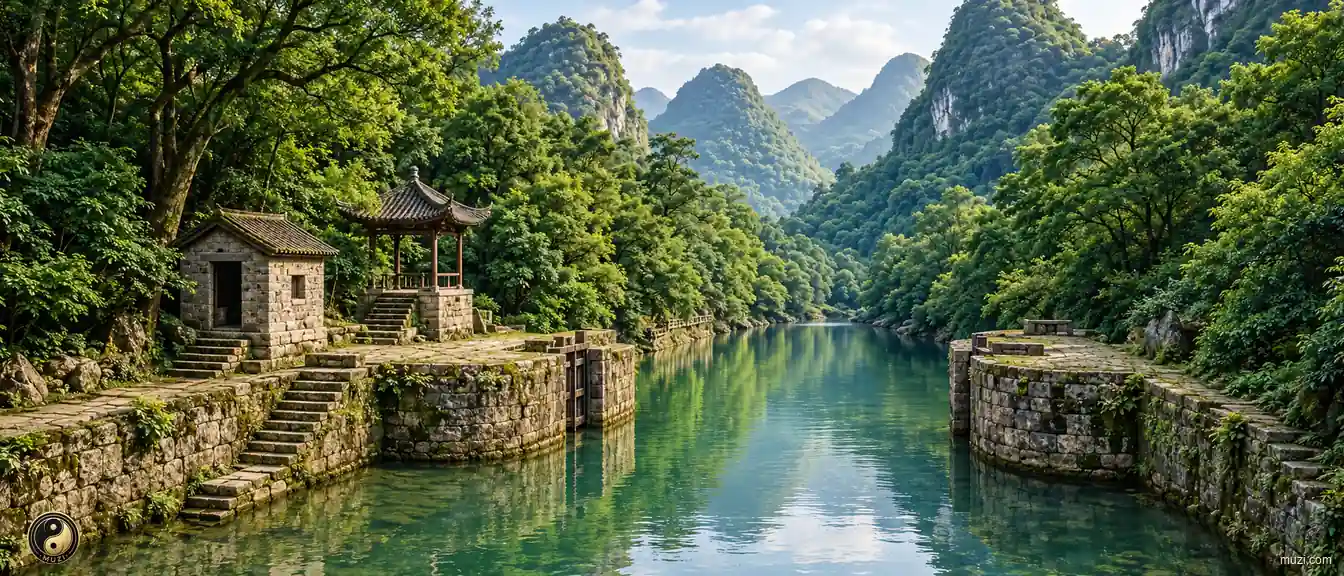
The Lingqu Canal crosses the Xiang-Li watershed to connect the Yangtze and Pearl River systems as an early cross-basin waterway.
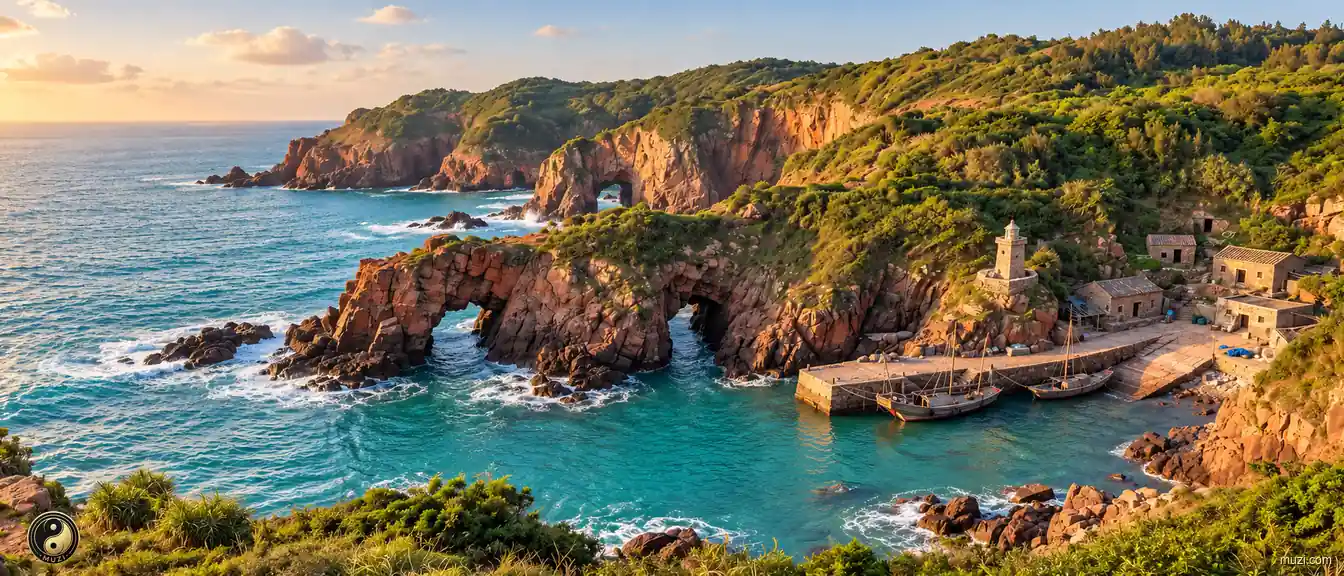
A young volcanic island in the Beibu Gulf, marked by sea caves carved by erosion and coastal habitats.
Millennium-old town embraced by karst peaks; Dailong Bridge and the Immortal's Ancient Well preserve authentic Lingnan life.