


































 Prefecture-level
Hefei
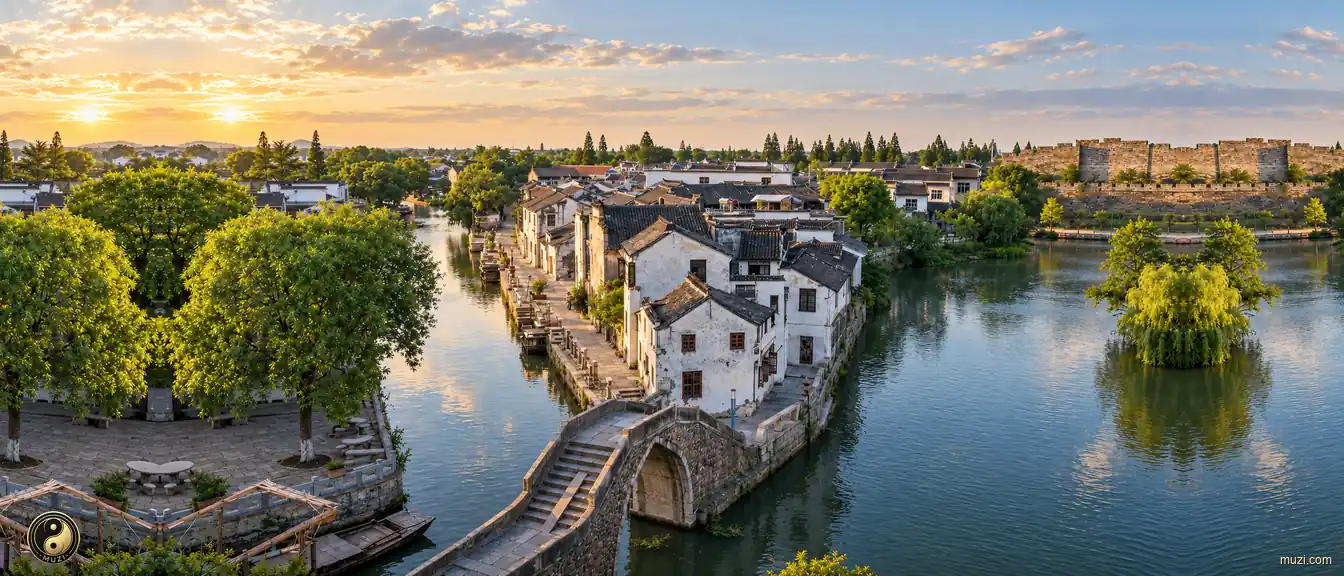
Bao Gong Memorial Temple and Xiaoyaojin evoke old Luzhou, while Hefei beside vast Chaohu Lake is known for Science Island and Sanhe ancient town.
 MUZIChinese Matrix

Between the Huai basin and southern Anhui hills, Huangshan peaks and Huizhou villages retain an inland cultural memory.
Within the province-level setting of Anhui, the spatial identity of Anhui is first captured by this local fact: “Between the Huai basin and southern Anhui hills, Huangshan peaks and Huizhou villages retain an inland cultural memory.” It points to an observable local combination in which the setting of Anhui is shaped by both environment and lived practice. Historical development brought natural conditions and human activity into repeated negotiation, leaving traces in settlement, routes, and memory. Specific places and continuing lives turn a broad regional relationship into experience that can be observed and checked. The meaning of Anhui rests in specific places and continuing life, not only in its name or formal classification.
Prefecture-level
Bao Gong Memorial Temple and Xiaoyaojin evoke old Luzhou, while Hefei beside vast Chaohu Lake is known for Science Island and Sanhe ancient town.
 Prefecture-level
Wuhu on the Yangtze is known for willow-lined Jinghu Lake, the Renzidong early-human site and the carmaker Chery.
Prefecture-level
Bengbu, the Pearl City on the Huai River, is known for the Yuhui Village site, the Gaixia battlefield and Huaiyuan pomegranates.
Prefecture-level
Huainan, the reputed birthplace of tofu at Bagong Mountain, keeps Shouxian's ancient city wall and the Anfengtang irrigation reservoir.
Prefecture-level
Caishiji Rock, one of the three famed Yangtze cliffs, together with Li Bai's tomb in Dangtu and the Lingjiatan site in Hanshan, distinguishes Ma'anshan.
Prefecture-level
The Liuzi Grand Canal site, where Tang boats were unearthed, anchors Huaibei, also known for Xiangshan Hill, Nanhu wetlands and Linhuan teahouses.
Prefecture-level
Tongling, China's ancient bronze capital with three millennia of copper mining, lines the Yangtze with Datong ancient town and a finless porpoise reserve.
Prefecture-level
Zhenfeng Pagoda, hailed as the first pagoda on the Yangtze, overlooks Anqing, home of Huangmei opera, Tianzhu Mountain and Tongcheng's Six-Foot Lane.
 Prefecture-level
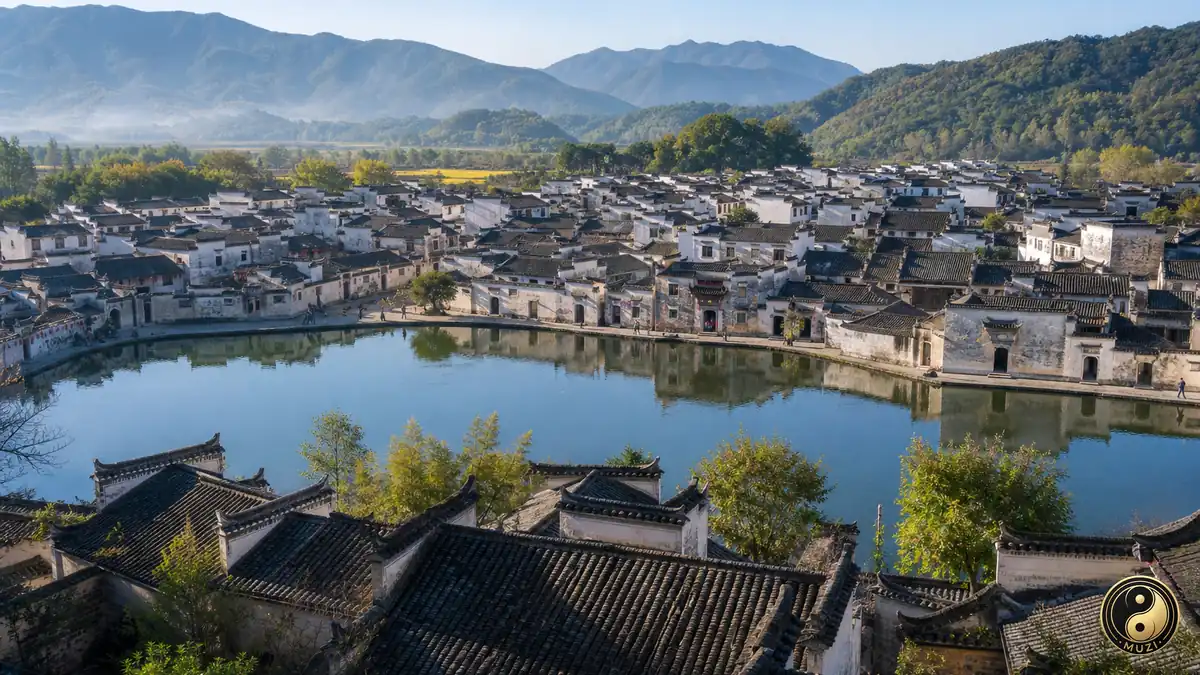
Pines, granite peaks, clouds and hot springs make Mount Huangshan world famous, while Xidi, Hongcun and Tunxi Old Street carry on Huizhou heritage.
Prefecture-level
Ouyang Xiu's Old Drunkard's Pavilion on Langya Mountain distinguishes Chuzhou, also home to Xiaogang Village and the Ming Middle Capital ruins in Fengyang.
Prefecture-level
Fuyang's Yingzhou West Lake was praised by Ouyang Xiu and Su Shi, and the city also offers Balihe scenic area and Yingshang, hometown of Guan Zhong.
Prefecture-level
Dangshan crisp pears, Lingbi ornamental stones, Xiaoxian painting and calligraphy, and the Grand Canal at Sixian characterize Suzhou in northern Anhui.
Prefecture-level
Lu'an, on the northern slopes of the Dabie Mountains, produces Lu'an Guapian tea and Huoshan dendrobium, with Jinzhai's green Tiantangzhai peaks nearby.
Prefecture-level
Bozhou, hometown of Cao Cao, preserves an underground military tunnel and the Qing Huaxi Opera Tower, and its herb market makes it a medicine capital.
 Prefecture-level
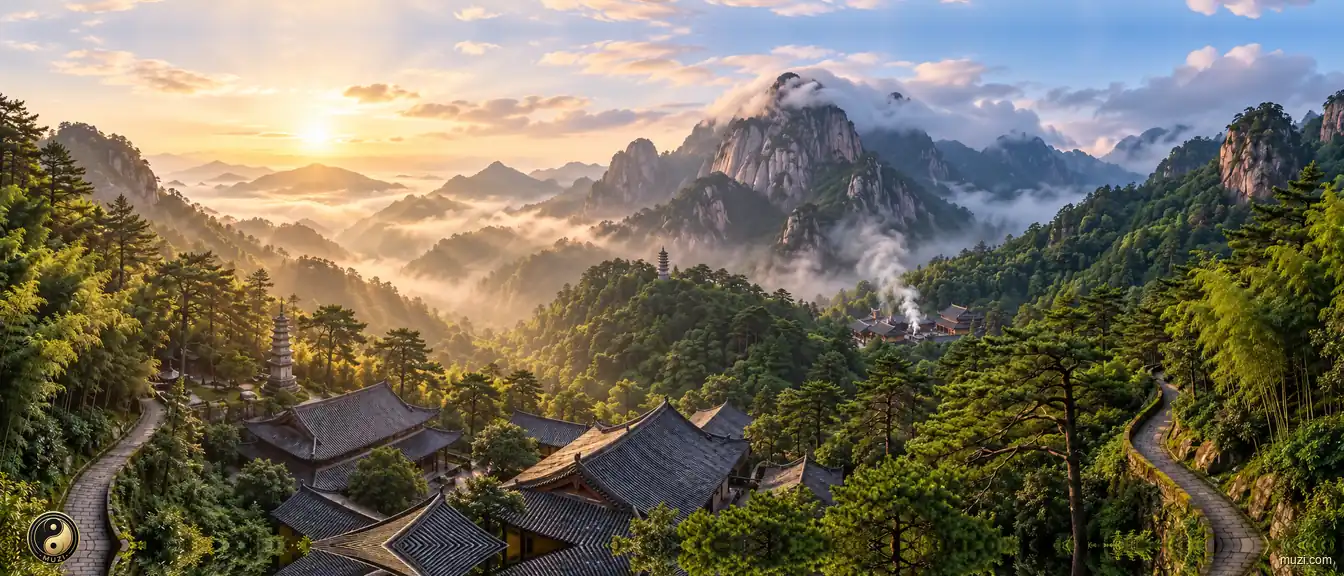
Mount Jiuhua, one of China's four sacred Buddhist mountains, rises over Chizhou, also known for Xinghua Village poetry and Shengjin Lake's migratory birds.
Prefecture-level
Xuancheng is the home of Xuan paper from Jingxian, an intangible heritage craft, and of Jingting Mountain, made famous by Li Bai's verse.
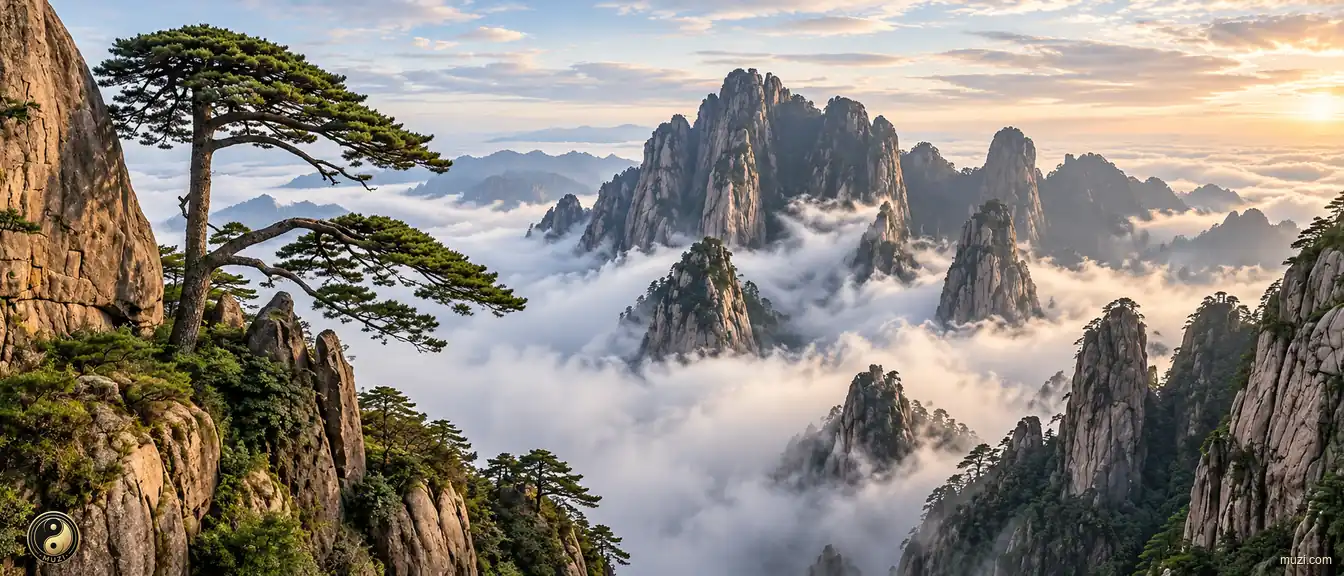
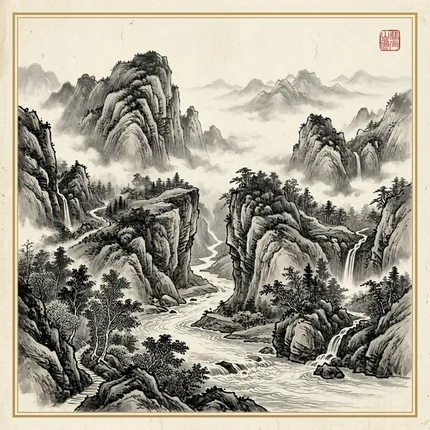
Famed for its peculiar pines, grotesque rocks, sea of clouds, and hot springs — the aesthetic matrix and inspiration wellspring of Chinese landscape painting.
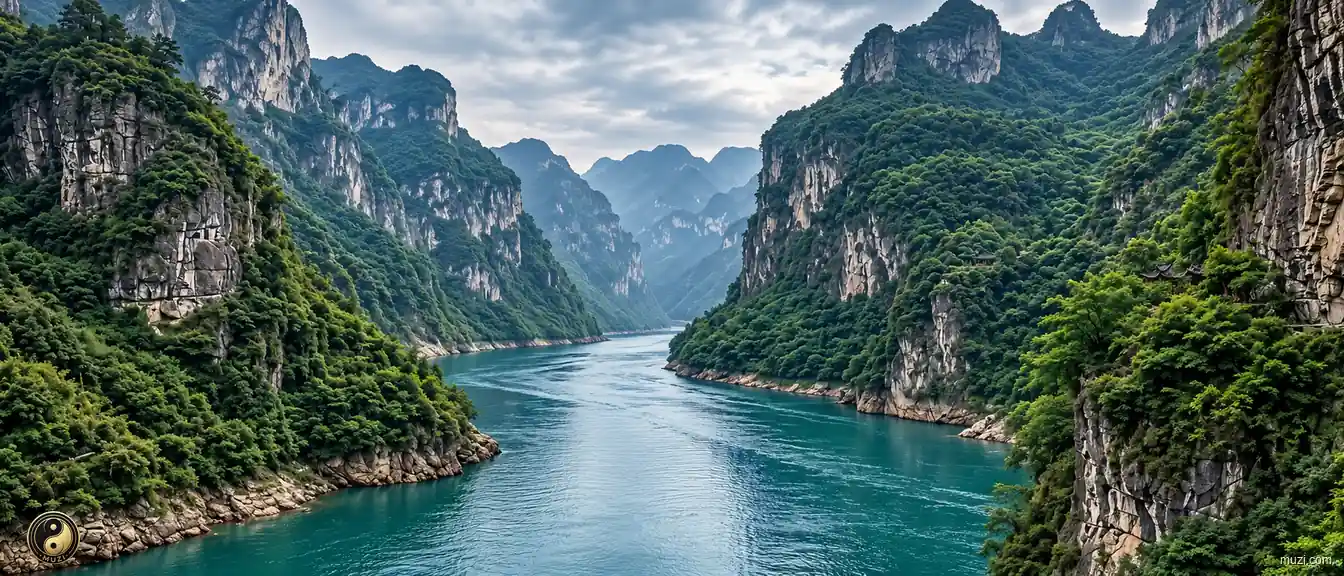
Asia's longest river, flowing six thousand kilometers from the Tibetan Plateau to the East China Sea — the aorta and golden waterway of Chinese civilization.
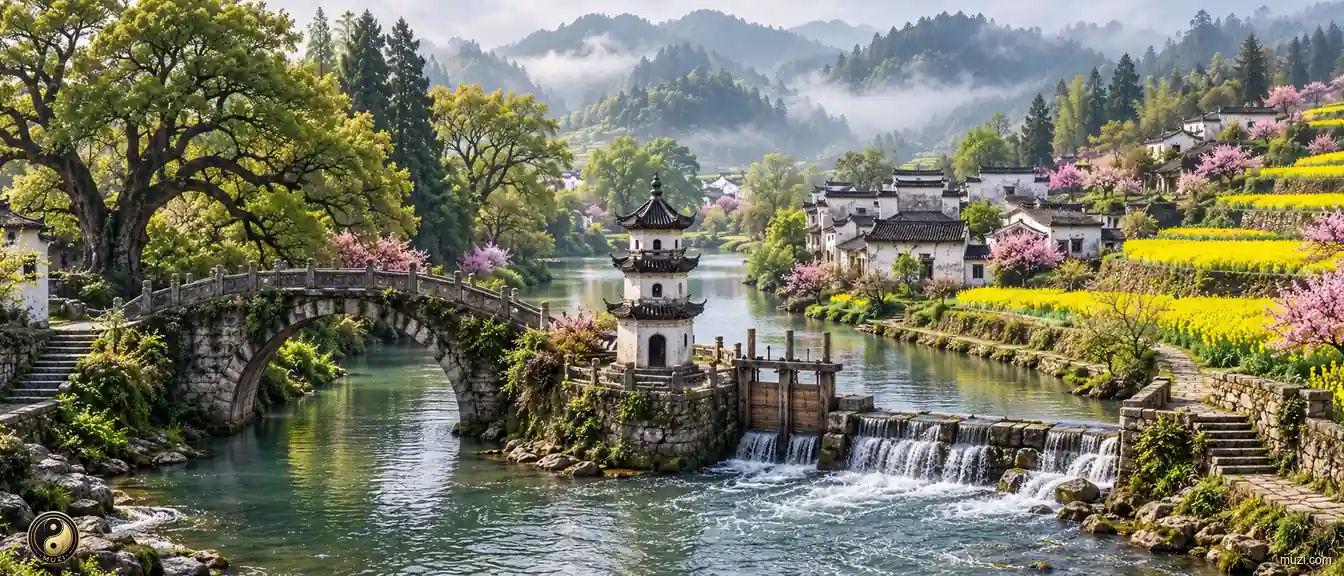
The main Huizhou Weir Dam section in Xixinan Town, Huizhou District, forms a carefully integrated irrigation system of weirs, ponds, channel outlets, water streets, and wells that follows the natural terrain and reflects the historical change and cultural continuity of the Huizhou (Huangshan) region.
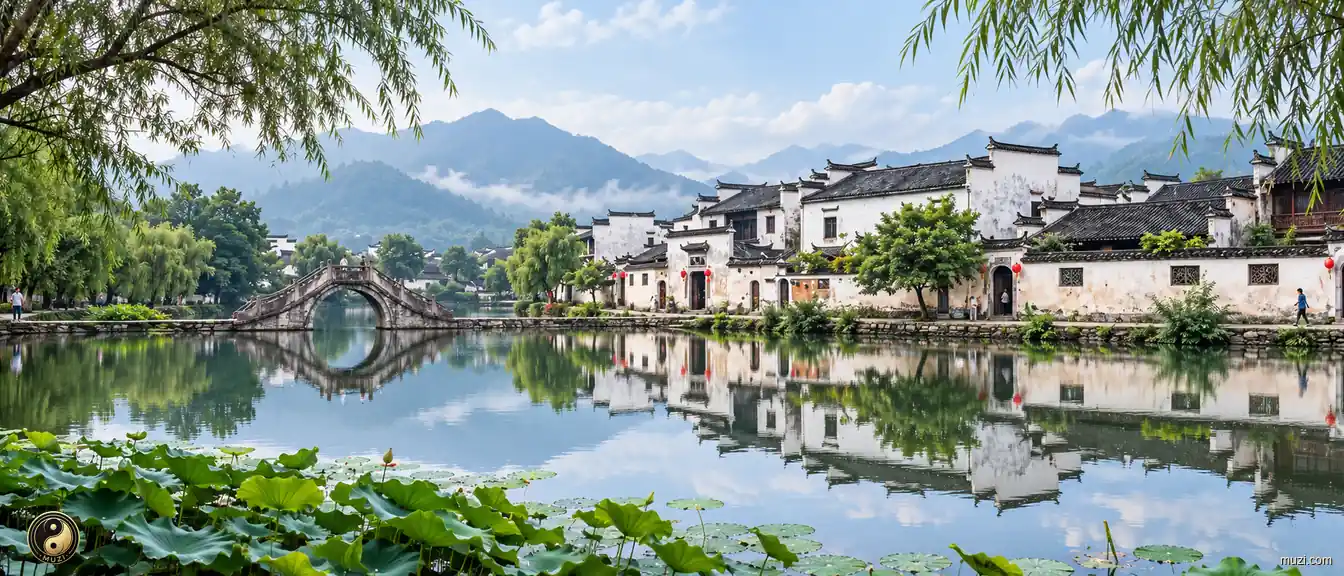
Hongcun's ox-shaped layout, Moon Pond, and water channels turn gravity-fed planning into a distinctive Huizhou village landscape.
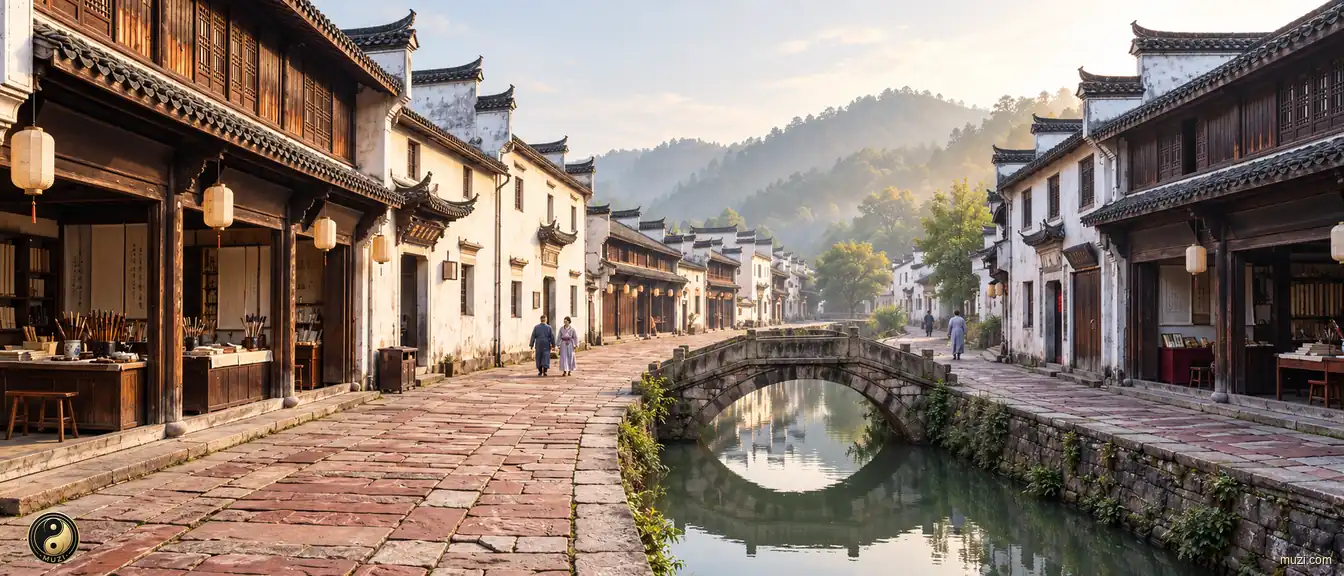
A fishbone-shaped old street on the Xin'an River crystallized by Huizhou merchant mountain-goods wharfs — the starting line from which Huizhou's white silver was pumped outward along the Xin'an bus.
Mount Jiuhua, the bodhimanda of Kshitigarbha, is known for its temples and traditions of preserving monks' bodily relics.
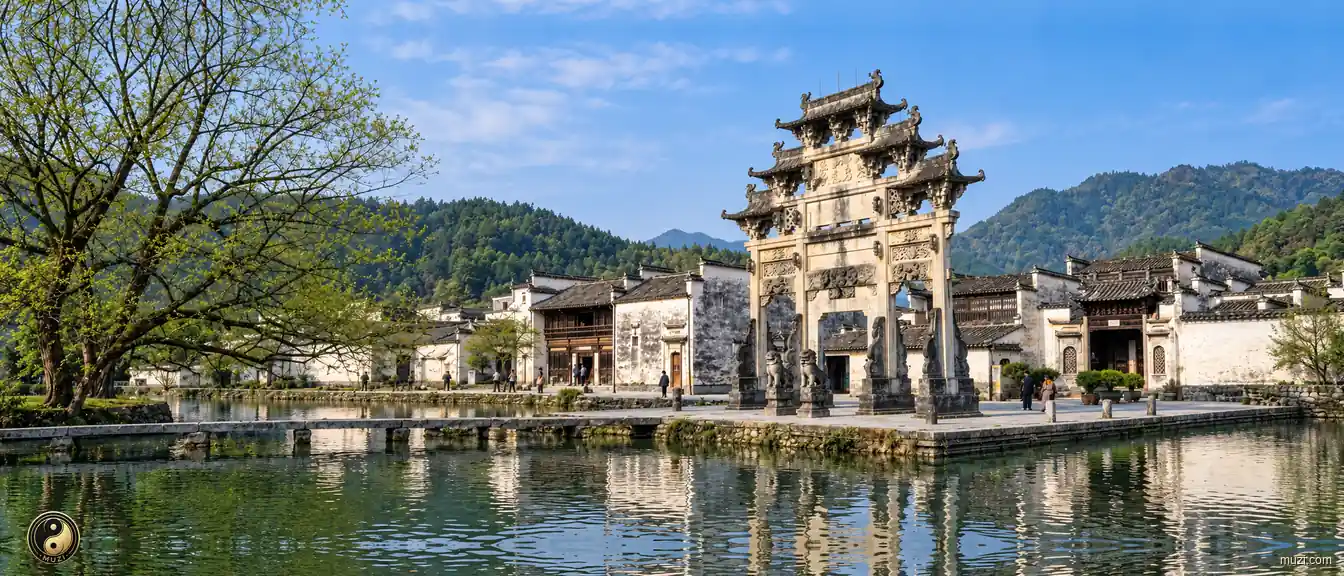
UNESCO World Heritage; well-preserved Ming-Qing Hui-style houses; Hu Wenguang Archway and Pursuit Hall carry the Hu clan's ancestral glory.
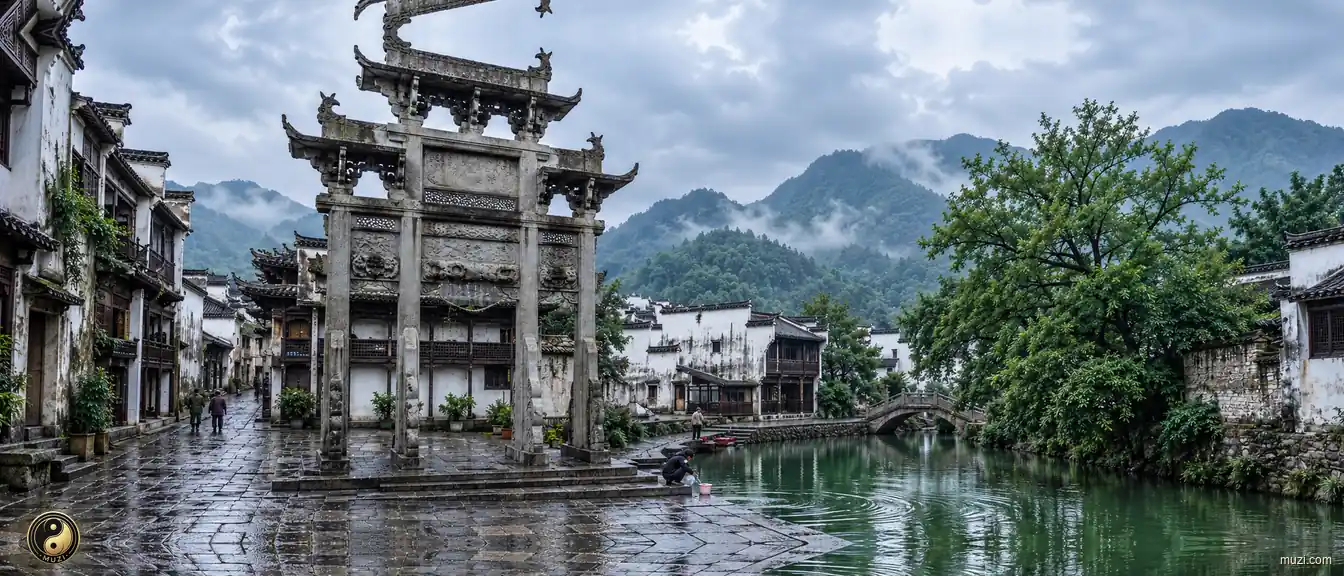
Cradle of Hui culture; the Xu Guo Stone Archway and Huizhou merchants' hometown condense a thousand years of Huizhou heritage and commerce.
Water town where the Fengle and Hangbu rivers meet; Yang Zhenning's former residence and the Taiping army ancient wall carry deep history.