





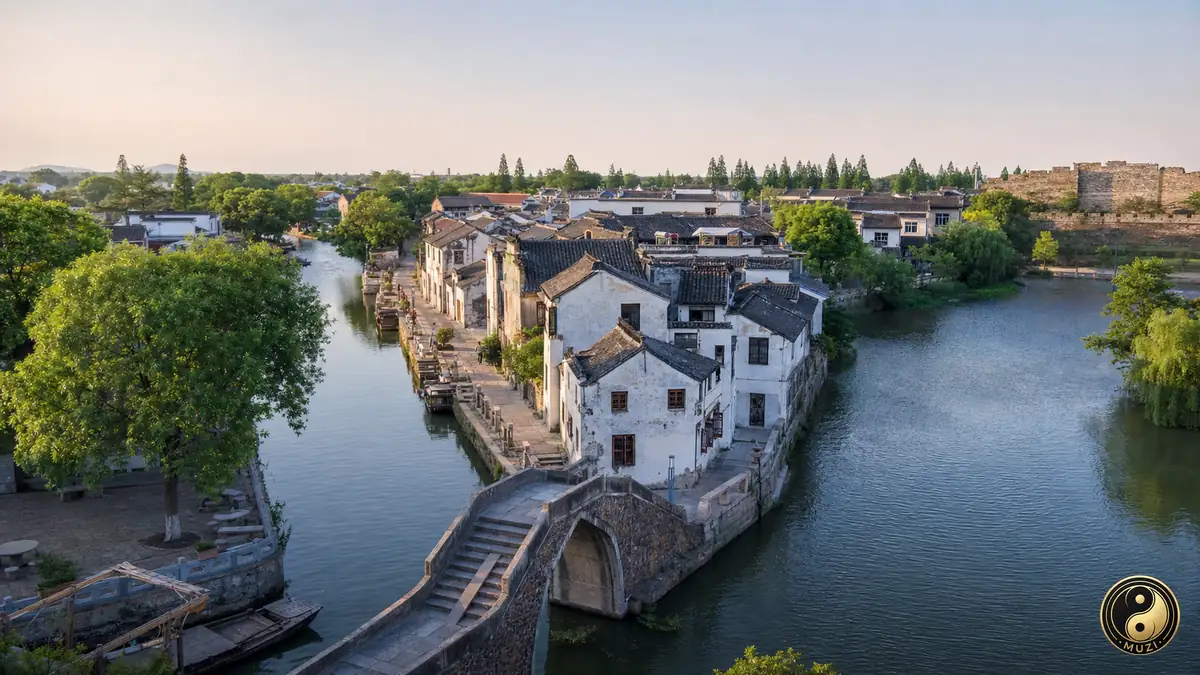
 Prefecture-level
Hefei
Hefei is readily recognized through river valleys and inherited local memory.
 MUZIChinese Matrix
Between the Huai basin and southern Anhui hills, Huangshan peaks and Huizhou villages retain an inland cultural memory.
Within the province-level setting of Anhui, the spatial identity of Anhui is first captured by this local fact: “Between the Huai basin and southern Anhui hills, Huangshan peaks and Huizhou villages retain an inland cultural memory.” It points to an observable local combination in which the setting of Anhui is shaped by both environment and lived practice. Historical development brought natural conditions and human activity into repeated negotiation, leaving traces in settlement, routes, and memory. Specific places and continuing lives turn a broad regional relationship into experience that can be observed and checked. The meaning of Anhui rests in specific places and continuing life, not only in its name or formal classification.
Prefecture-level
Hefei is readily recognized through river valleys and inherited local memory.
 Prefecture-level
Think of Wuhu, and estuarine routes and port traditions are among the first things that come to mind.
Prefecture-level
highland scenery and pastoral culture offers the clearest regional clue to Bengbu.
Prefecture-level
For Huainan, plain-country farming and old town remains forms an essential setting.
Prefecture-level
mountain corridors and frontier life write a distinctive line into Ma'anshan's urban profile.
Prefecture-level
Through valley settlements and industrial memory, Huaibei gains a geographical signature.
Prefecture-level
In Tongling, wetland habitats and waterside routines reveal a deeper local trajectory.
Prefecture-level
Anqing finds its regional character in garden landscapes and scholarly traditions.
 Prefecture-level
A useful way into Huangshan is through bay shores and fishing practice.
Prefecture-level
Chuzhou's local story begins with canyon terrain and rural settlements.
Prefecture-level
forest resources and cold-climate life give Fuyang a recognizable regional character.
Prefecture-level
Suzhou retains the imprint of steppe pasture and seasonal movement.
Prefecture-level
Follow lakeside wetlands and water-town craft, and Lu'an's regional layers come into view.
Prefecture-level
Bozhou turns basin fields and historic post roads into everyday life and local memory.
 Prefecture-level
From geography to culture, hill tea country and handcraft history help define Chizhou.
Prefecture-level
island routes and maritime custom leave a double trace of nature and society in Xuancheng.
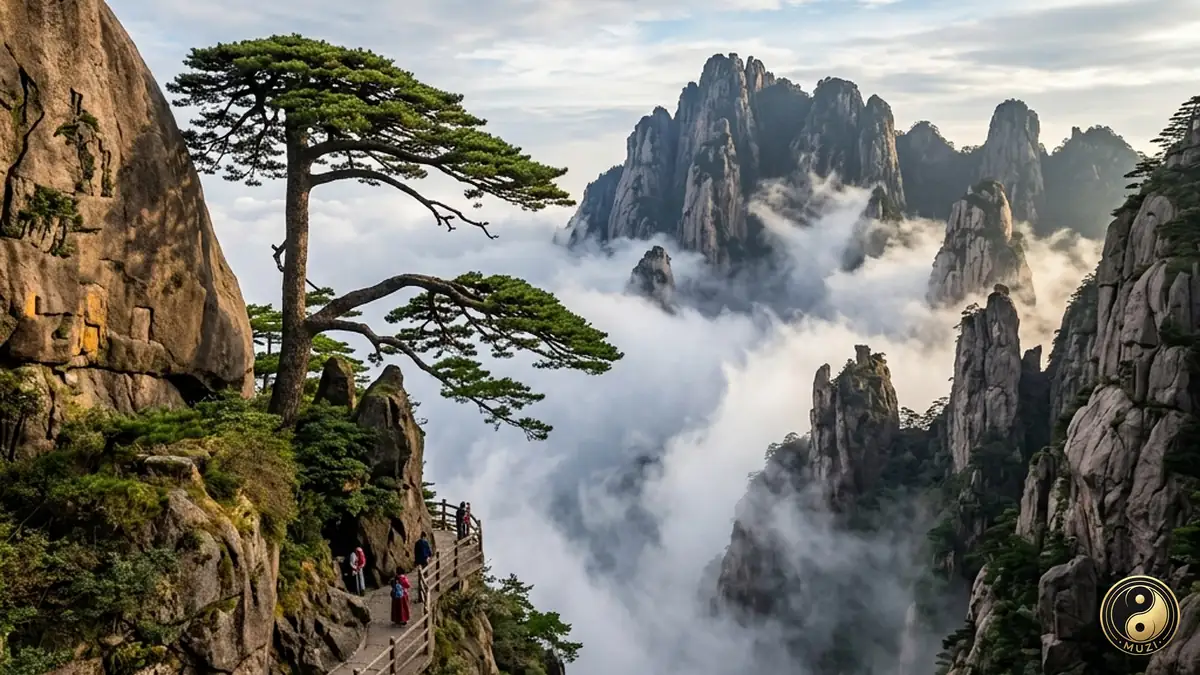
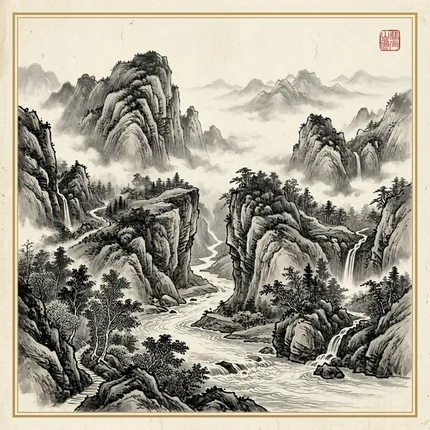
Famed for its peculiar pines, grotesque rocks, sea of clouds, and hot springs — the aesthetic matrix and inspiration wellspring of Chinese landscape painting.
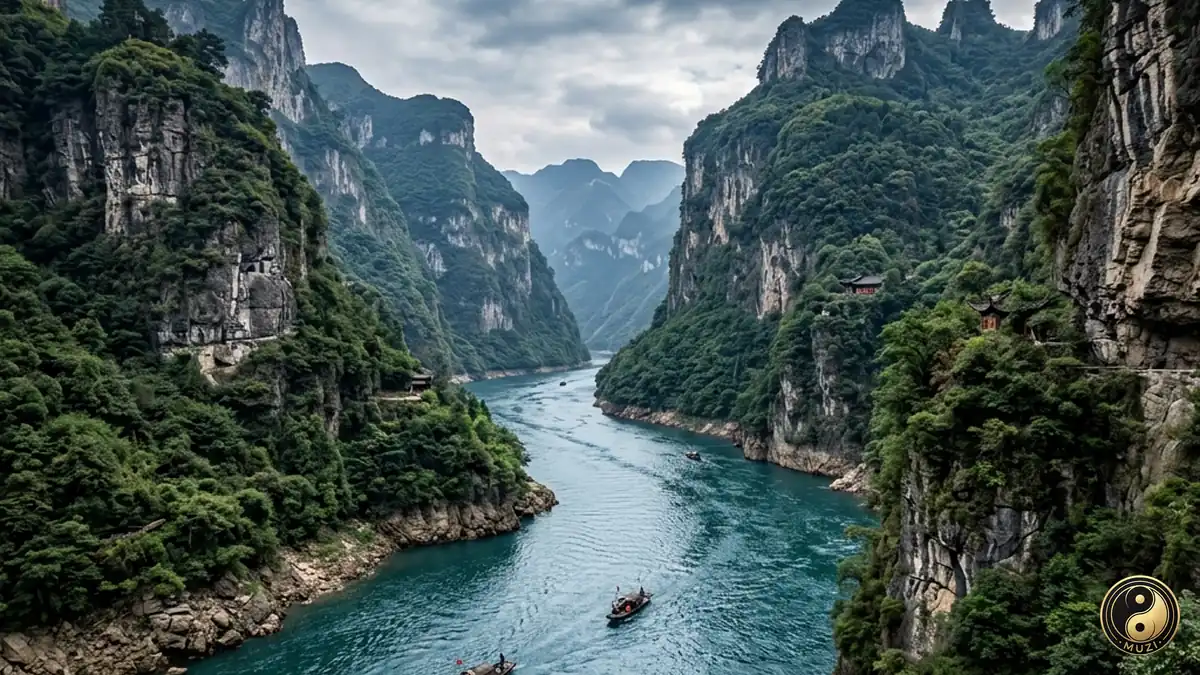
Asia's longest river, flowing six thousand kilometers from the Tibetan Plateau to the East China Sea — the aorta and golden waterway of Chinese civilization.
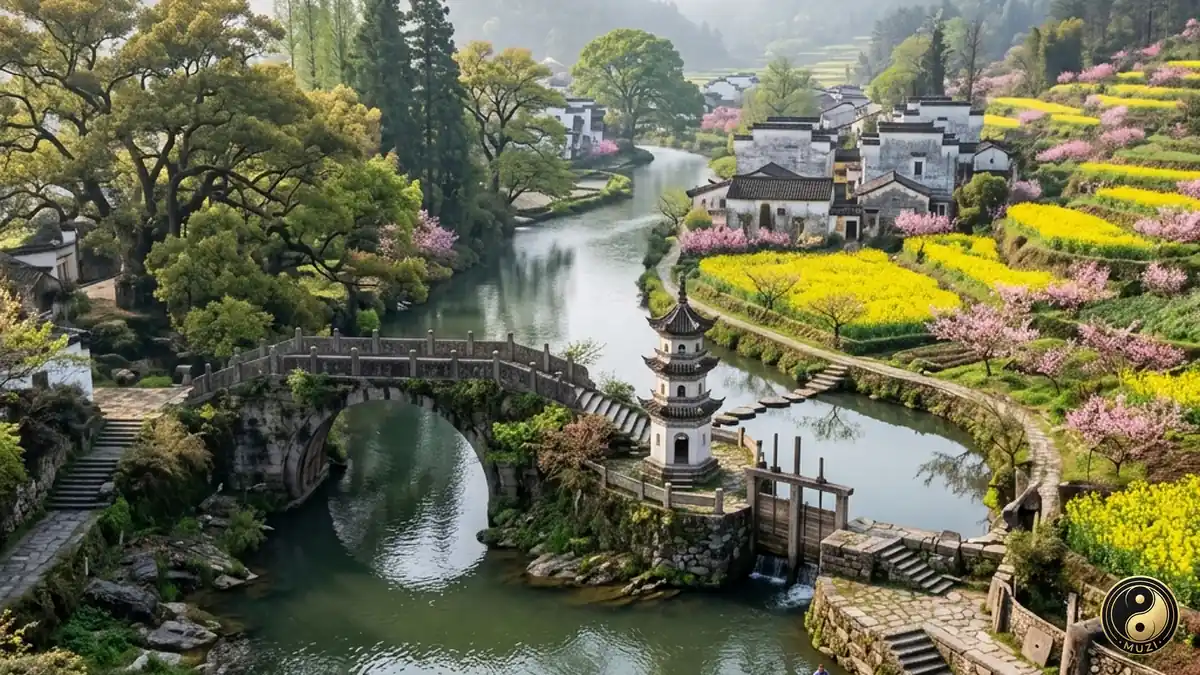
The main Huizhou Weir Dam section in Xixinan Town, Huizhou District, forms a carefully integrated irrigation system of weirs, ponds, channel outlets, water streets, and wells that follows the natural terrain and reflects the historical change and cultural continuity of the Huizhou (Huangshan) region.
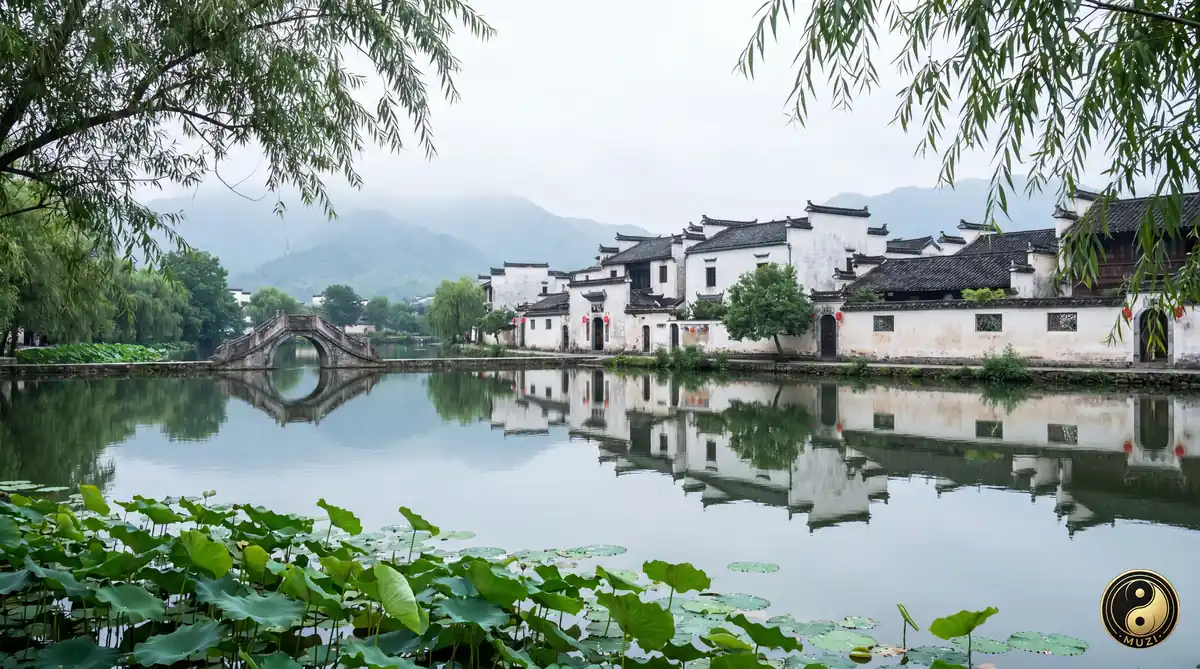
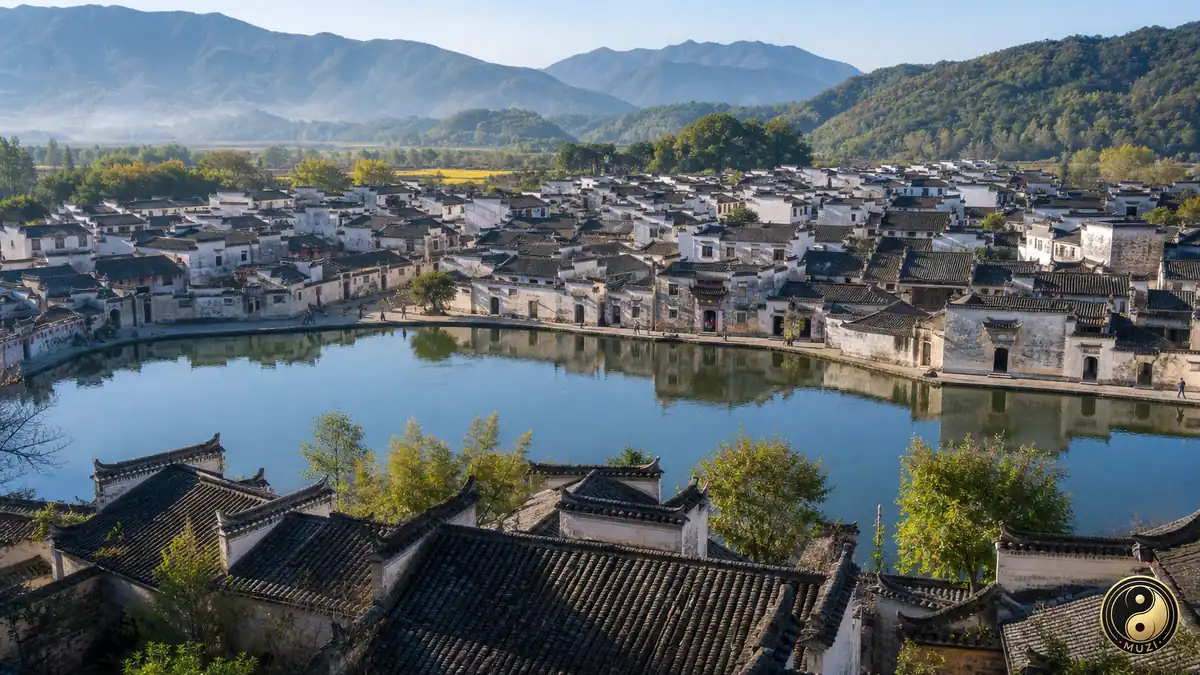
Hongcun's ox-shaped layout, Moon Pond, and water channels turn gravity-fed planning into a distinctive Huizhou village landscape.
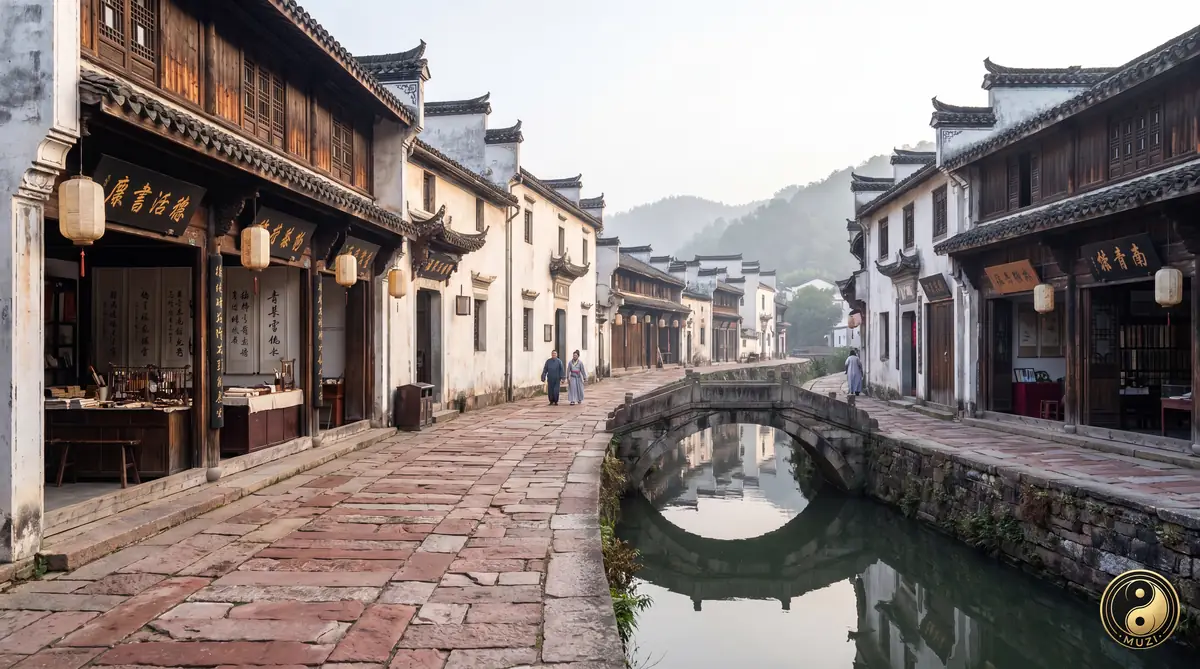
A fishbone-shaped old street on the Xin'an River crystallized by Huizhou merchant mountain-goods wharfs — the starting line from which Huizhou's white silver was pumped outward along the Xin'an bus.
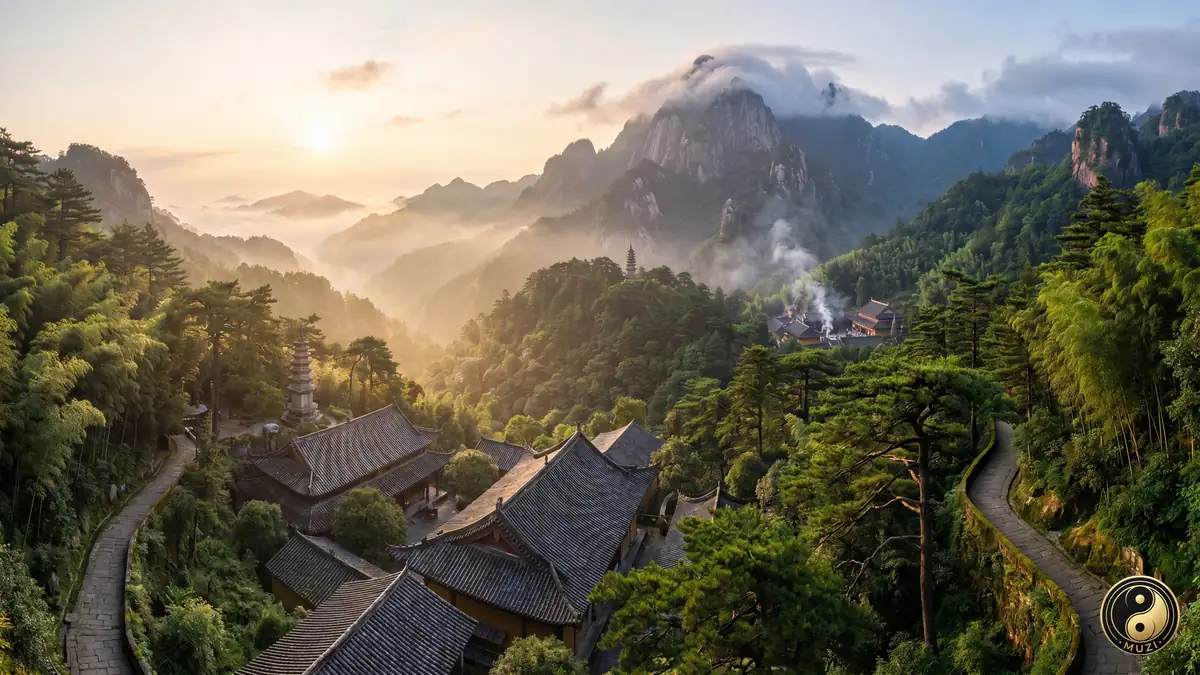
Mount Jiuhua, the bodhimanda of Kshitigarbha, is known for its temples and traditions of preserving monks' bodily relics.
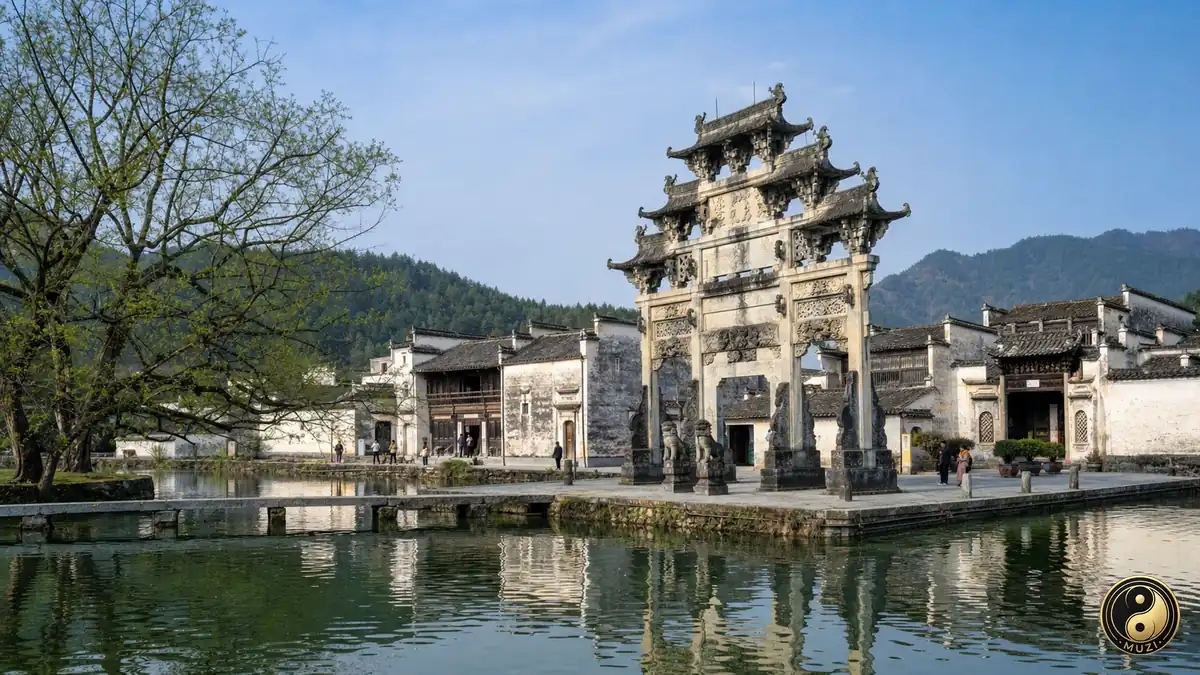
UNESCO World Heritage; well-preserved Ming-Qing Hui-style houses; Hu Wenguang Archway and Pursuit Hall carry the Hu clan's ancestral glory.
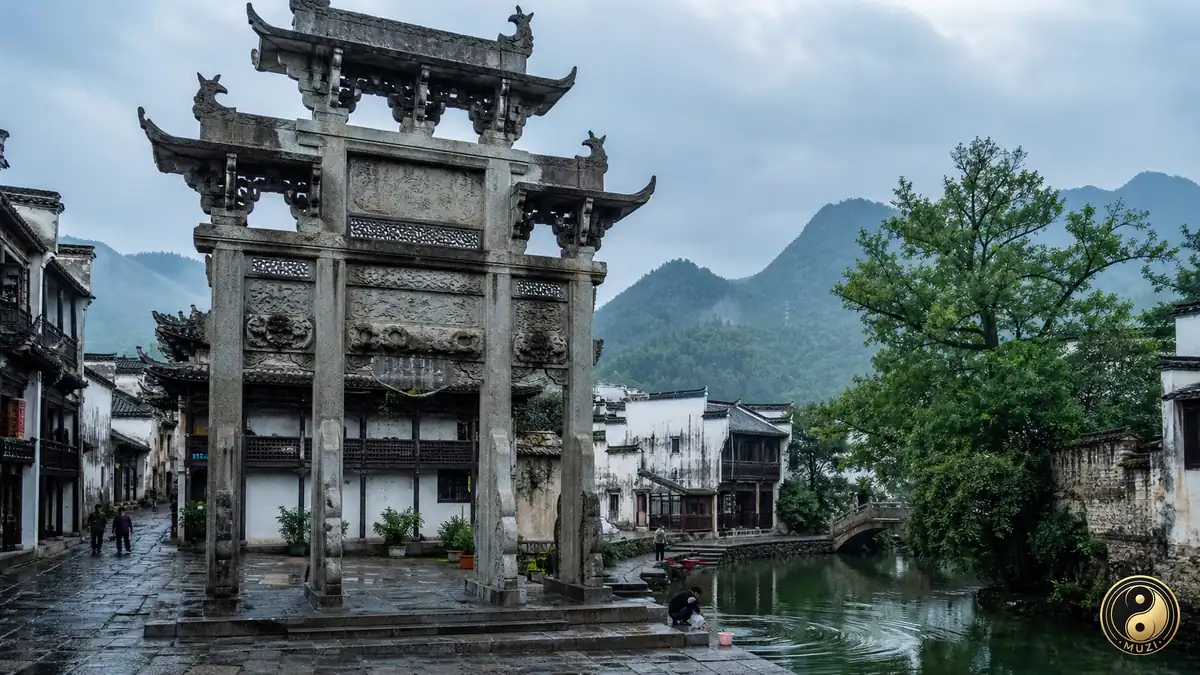
Cradle of Hui culture; the Xu Guo Stone Archway and Huizhou merchants' hometown condense a thousand years of Huizhou heritage and commerce.
Water town where the Fengle and Hangbu rivers meet; Yang Zhenning's former residence and the Taiping army ancient wall carry deep history.