





































 Prefecture-level
Huangpu
The Bund's historic facades face the Huangpu River, Yu Garden and the City God Temple keep old-town charm, and Nanjing Road enlivens Huangpu.
 MUZIChinese Matrix

From the Huangpu River and historic lanes to its modern financial core, Shanghai grew as a major Yangtze estuary port.
In regional terms, the clearest first clue to Shanghai is “From the Huangpu River and historic lanes to its modern financial core, Shanghai grew as a major Yangtze estuary port.” Together, environmental, historical, and cultural elements give Shanghai a profile that can be distinguished from nearby places. Continuing local life gave inherited spaces new uses and memories, allowing historical layers and contemporary activity to coexist. Today, the interaction between environment and society remains visible in landscape, urban texture, daily activity, and local memory. These details make Shanghai a clear case of how a wider region is built from specific places and sustained lives.
Prefecture-level
The Bund's historic facades face the Huangpu River, Yu Garden and the City God Temple keep old-town charm, and Nanjing Road enlivens Huangpu.
Prefecture-level
The twin spires of Xujiahui Cathedral rise above plane-tree streets around Wukang Mansion, while Xuhui's West Bund riverfront gathers art museums.
Prefecture-level
Shanghai Zoo and Zhongshan Park bring greenery to Changning, where old villas line Yuyuan Road and Hongqiao International Airport anchors the west.
Prefecture-level
The golden roofs of ancient Jing'an Temple glow over West Nanjing Road, and Jing'an also preserves Zhangyuan's shikumen lanes and the Sihang Warehouse.
Prefecture-level
The Suzhou Creek winds through Putuo, where Changfeng Park's Yinchu Lake shimmers and old Moganshan Road factories have become the M50 art district.
Prefecture-level
Lu Xun Park and Duolun Road's cultural street give Hongkou a literary air, alongside the North Bund waterfront and the Jewish Refugees Museum at Tilanqiao.
 Prefecture-level
Fudan and Tongji universities anchor Yangpu, whose Yangshupu riverside industrial heritage now serves as public space beside the busy Wujiaochang hub.
Prefecture-level
Qibao water town keeps its old street charm, Shanghai Jiao Tong and East China Normal universities have campuses in Minhang, and the Maqiao site reveals prehistoric culture.
Prefecture-level
The Huangpu River meets the Yangtze at Wusongkou, and Baoshan is known for the Baosteel works and Wusong Paotaiwan Wetland Forest Park.
Prefecture-level
Jiading's Confucian Temple and Huilong Pool carry its scholarly heritage, Nanxiang gave the world xiaolongbao, and the Shanghai International Circuit hosts motor racing.
Prefecture-level
The Oriental Pearl Tower, Jin Mao and Shanghai Tower rise at Lujiazui, while Pudong also hosts Pudong International Airport and Shanghai Disneyland.
Prefecture-level
Jinshan faces Hangzhou Bay with Jinshanzui fishing village and its city beach, while Fengjing water town and colourful Jinshan peasant paintings delight visitors.
 Prefecture-level
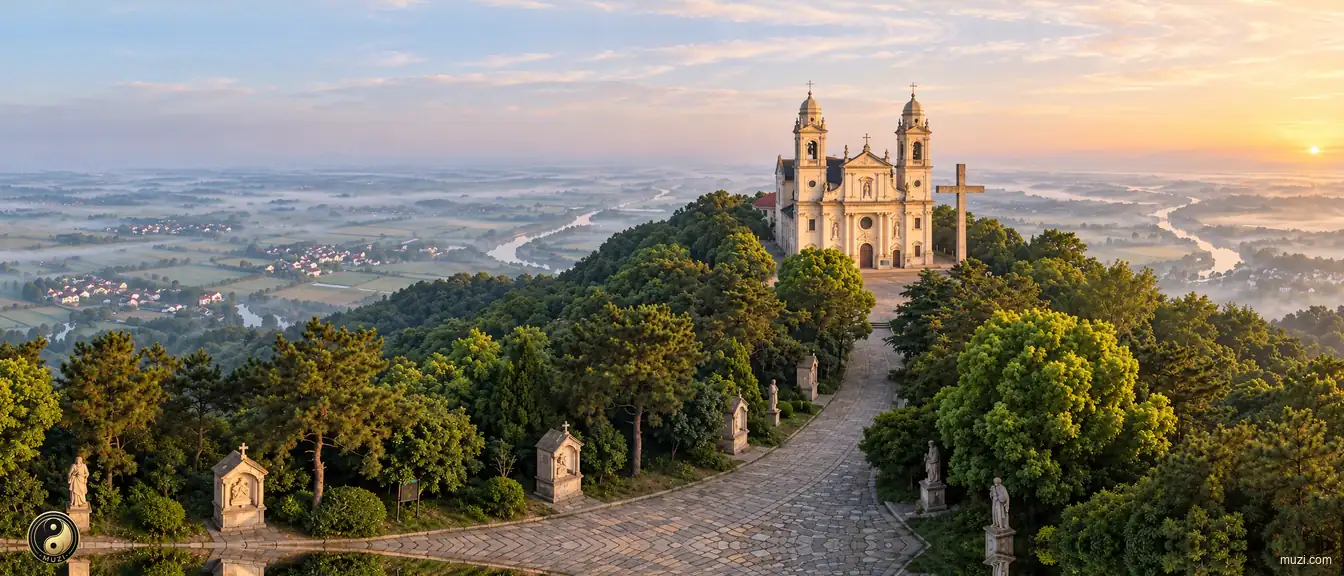
Known as the root of Shanghai, Songjiang preserves the Guangfulin site and a Tang dynasty dharani pillar, with the Sheshan Observatory among its nine peaks.
 Prefecture-level
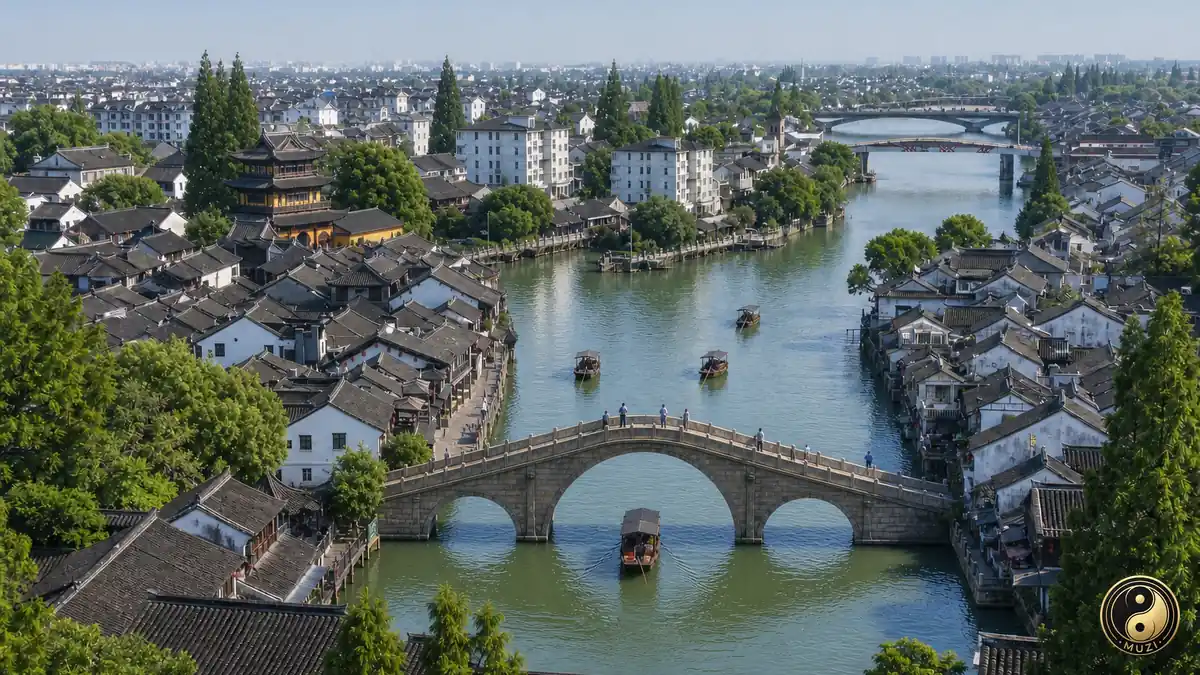
Zhujiajiao's Fangsheng Bridge spans the canal and Dianshan Lake stretches wide, while Qingpu also hosts the National Exhibition and Convention Center and the Songze site.
Prefecture-level
Fengxian is said to honour Confucius's disciple Yan Yan, and its Haiwan National Forest Park and Bihai Jinsha beach face Hangzhou Bay.
Prefecture-level
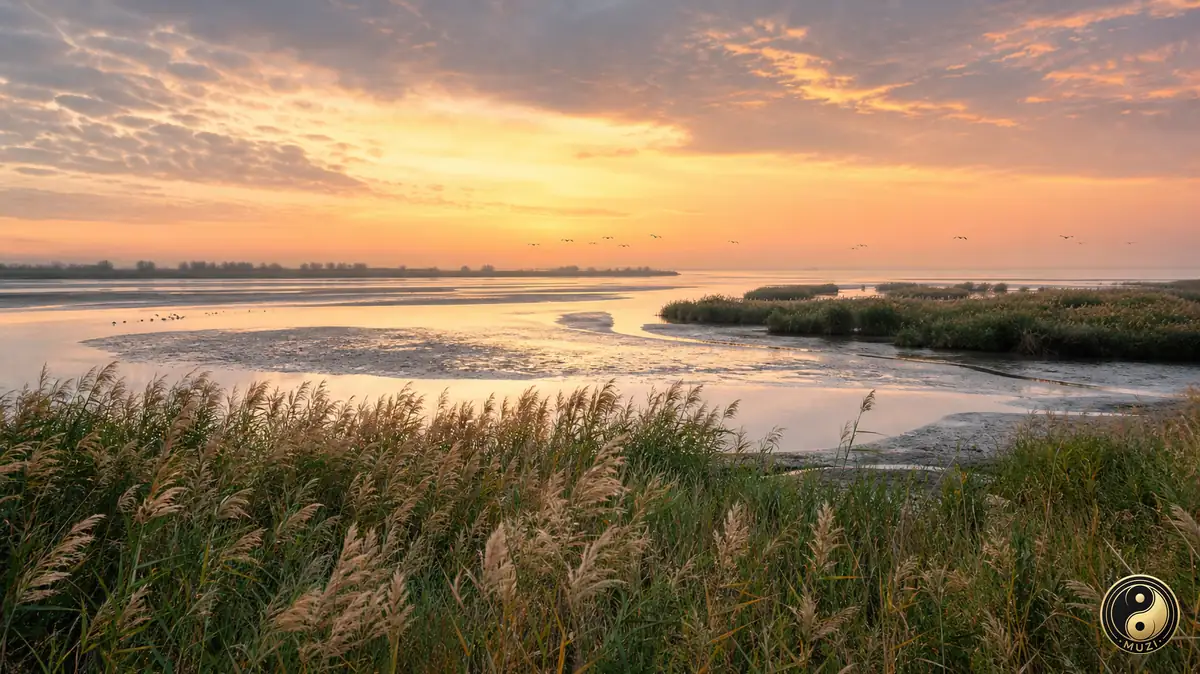
Chongming Island, China's third largest, offers the Dongtan migratory bird reserve and Xisha wetland at the mouth of the Yangtze.
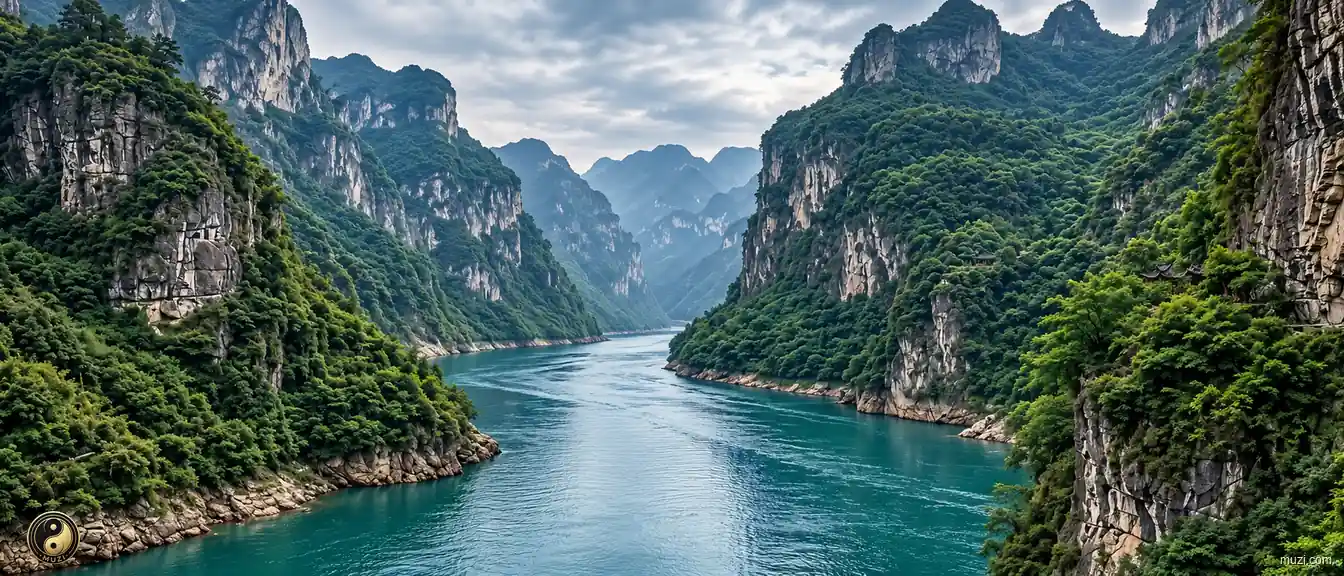
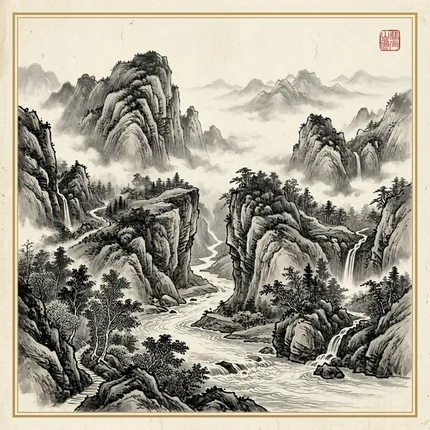
Asia's longest river, flowing six thousand kilometers from the Tibetan Plateau to the East China Sea — the aorta and golden waterway of Chinese civilization.
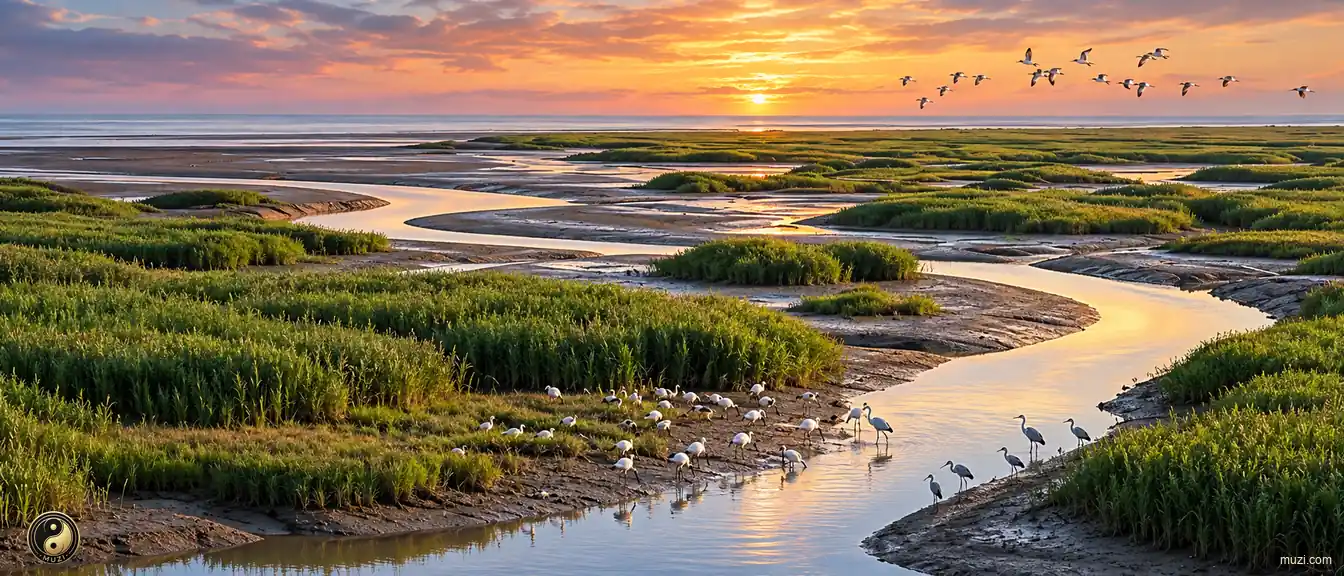
Where Yangtze sediment meets the sea, accumulating into tidal flats — the core refueling station on the East Asian-Australasian Flyway for millions of migratory birds.
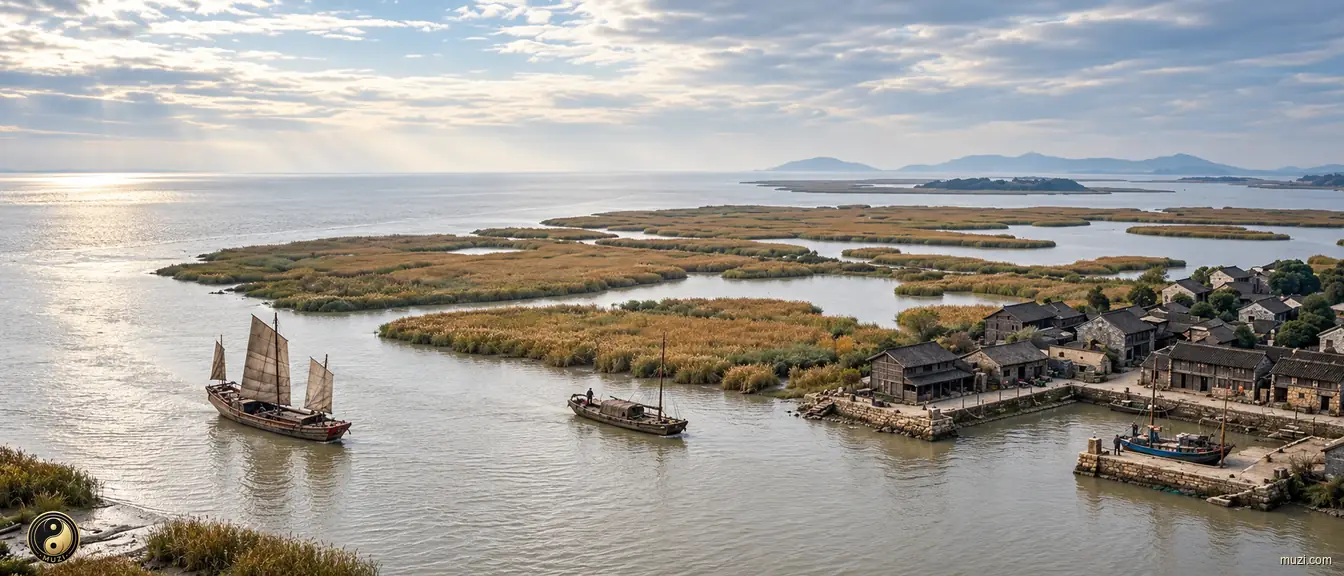
At the Yangtze's mouth, river sediment meets the sea and gradually builds new delta land.
Sheshan Basilica, begun by Jesuits in 1871, remains a major Catholic pilgrimage site overlooking Shanghai.
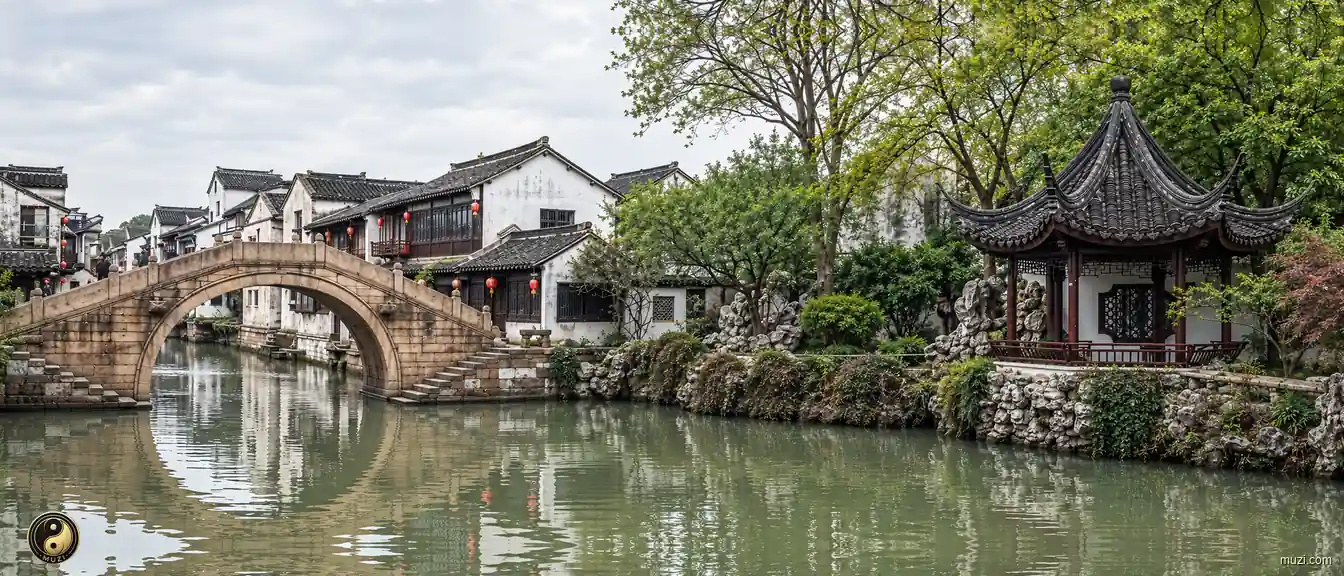
Shanghai's premier water town; Fangsheng Bridge arches over Caogang River; Kezhi Garden epitomizes Jiangnan garden elegance.
if the Wusong River is opened, all six benefit; if it is blocked, all six suffer