





 Prefecture-level
Huangpu
The Bund, Yuyuan, and the old walled-town quarter place treaty-port architecture, Haipai culture, and civic life along the Huangpu waterfront.
 MUZIChinese Matrix
From the Huangpu River and historic lanes to its modern financial core, Shanghai grew as a major Yangtze estuary port.
In regional terms, the clearest first clue to Shanghai is “From the Huangpu River and historic lanes to its modern financial core, Shanghai grew as a major Yangtze estuary port.” Together, environmental, historical, and cultural elements give Shanghai a profile that can be distinguished from nearby places. Continuing local life gave inherited spaces new uses and memories, allowing historical layers and contemporary activity to coexist. Today, the interaction between environment and society remains visible in landscape, urban texture, daily activity, and local memory. These details make Shanghai a clear case of how a wider region is built from specific places and sustained lives.
Prefecture-level
The Bund, Yuyuan, and the old walled-town quarter place treaty-port architecture, Haipai culture, and civic life along the Huangpu waterfront.
Prefecture-level
From Hengshan Road to Xujiahui, plane-tree avenues, modern architecture, and education give Xuhui a cultivated urban character.
Prefecture-level
Hongqiao and Gubei anchor international exchange, while leafy streets and urban parks give Changning an easy civic rhythm.
Prefecture-level
Nanjing West Road’s commercial energy runs beside Shikumen revolutionary memory, giving Jing'an a layered central-city profile.
Prefecture-level
The Suzhou Creek corridor links Zhenru and Changfeng, where industrial heritage, Jiangnan culture, and neighborhood renewal shape Putuo.
Prefecture-level
From Waibaidu Bridge to the North Bund, Hongkou pairs maritime memory with literary landmarks and a renewed waterfront.
 Prefecture-level
On the north bank of the Huangpu, Yangpu carries industrial waterfront remains into a university and innovation district.
Prefecture-level
Upstream along the Huangpu, Minhang combines an industrial base, transport hubs, and rural waterways in a richly layered urban edge.
Prefecture-level
Wusongkou, the Yangtze estuary, and steelmaking form Baoshan’s backbone, now joined by waterfront innovation and ecological renewal.
Prefecture-level
Jiading places its Confucian temple town and Nanxiang heritage beside a major automotive industry, joining Jiangnan history to modern manufacturing.
Prefecture-level
Lujiazui’s skyline, Zhangjiang science, and Lingang’s maritime spaces give Pudong an expansive scale of gateways and new-city experiments.
Prefecture-level
On Hangzhou Bay, Jinshan combines fishing villages, an urban beach, and a petrochemical belt along a distinctly coastal southern edge.
 Prefecture-level
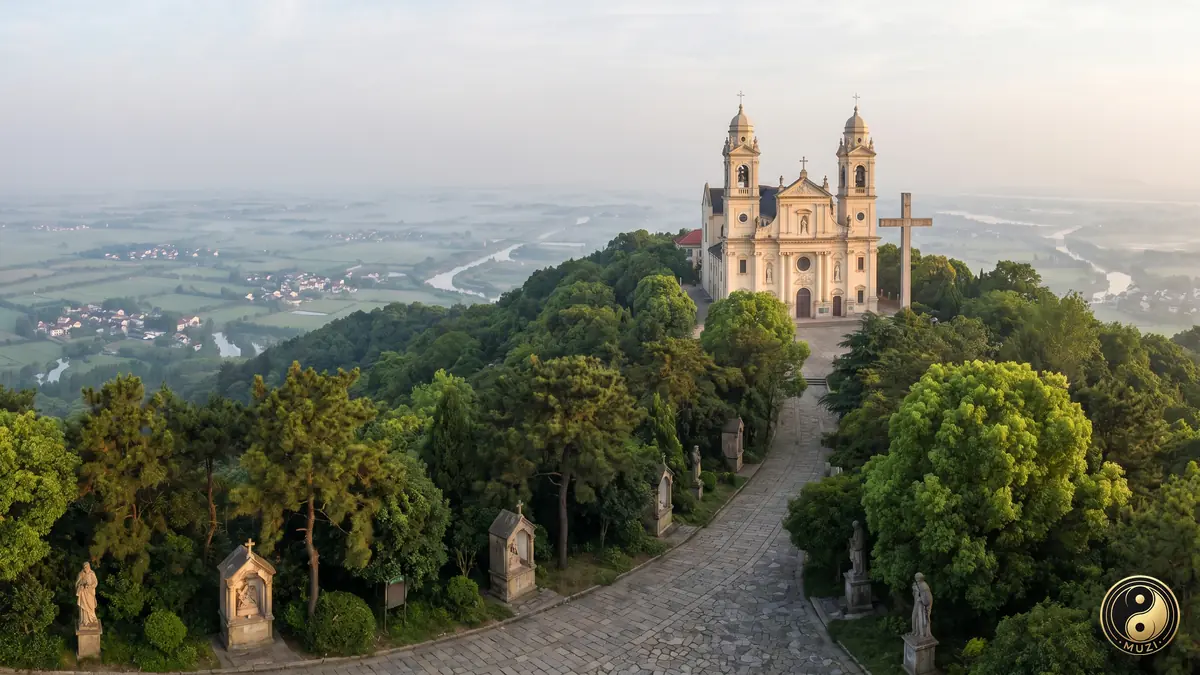
Guangfulin, Square Pagoda, and Sheshan extend Songjiang’s historical depth, while a science corridor carries its old county culture forward.
 Prefecture-level
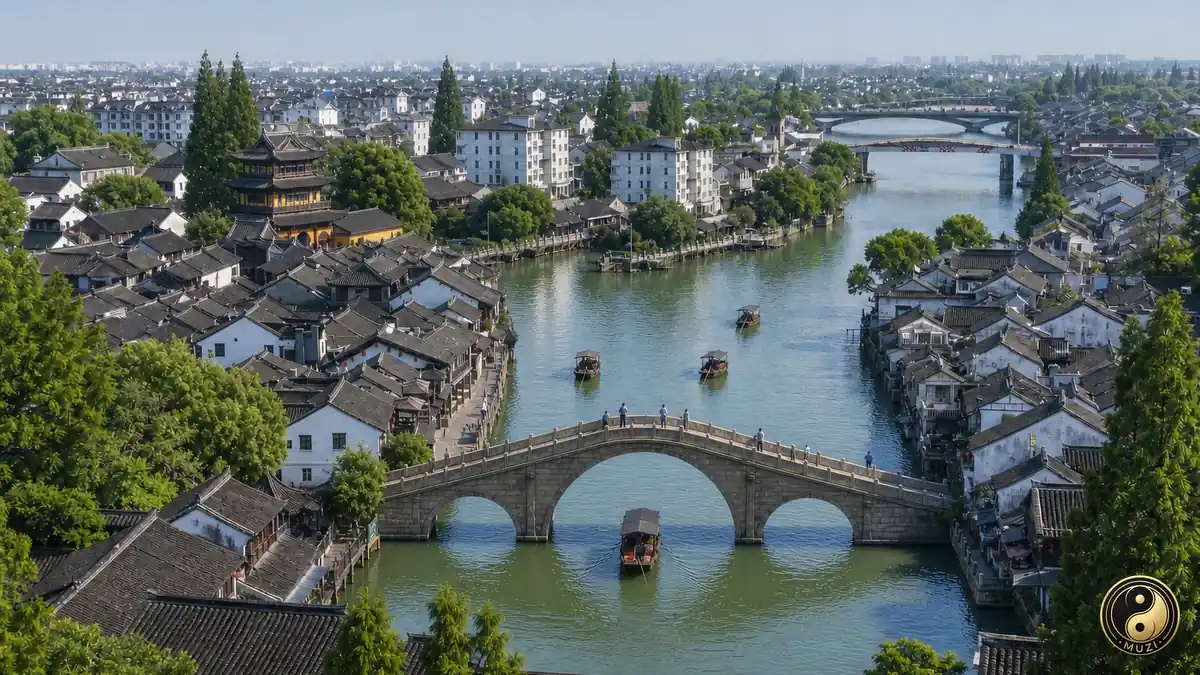
Dianshan Lake, Zhujiajiao, and a water-town network give Qingpu an ecological foundation, broadened by its role in the Yangtze River Delta hub.
Prefecture-level
Fengxian’s Hangzhou Bay shore holds Bihai Jinsha, Qingxi’s water-town fabric, and a local culture shaped by both Xian heritage and the sea.
Prefecture-level
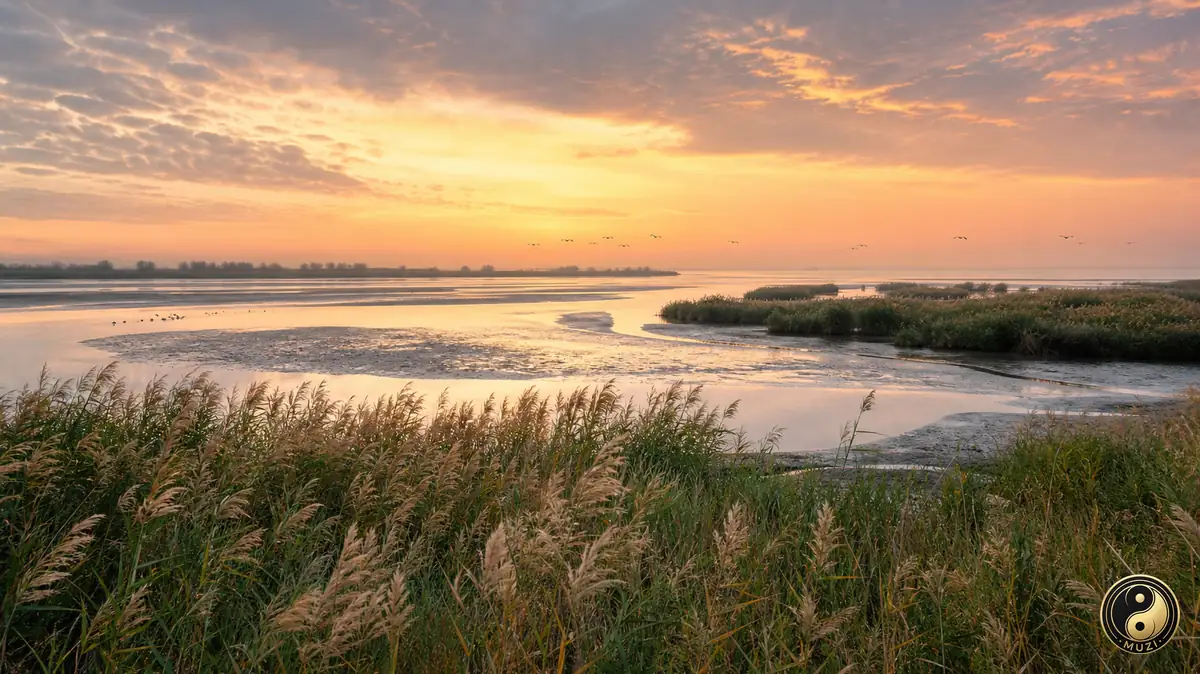
At the Yangtze estuary, Chongming is defined by Dongtan wetlands, island farmland, and ecological stewardship across an open rural landscape.
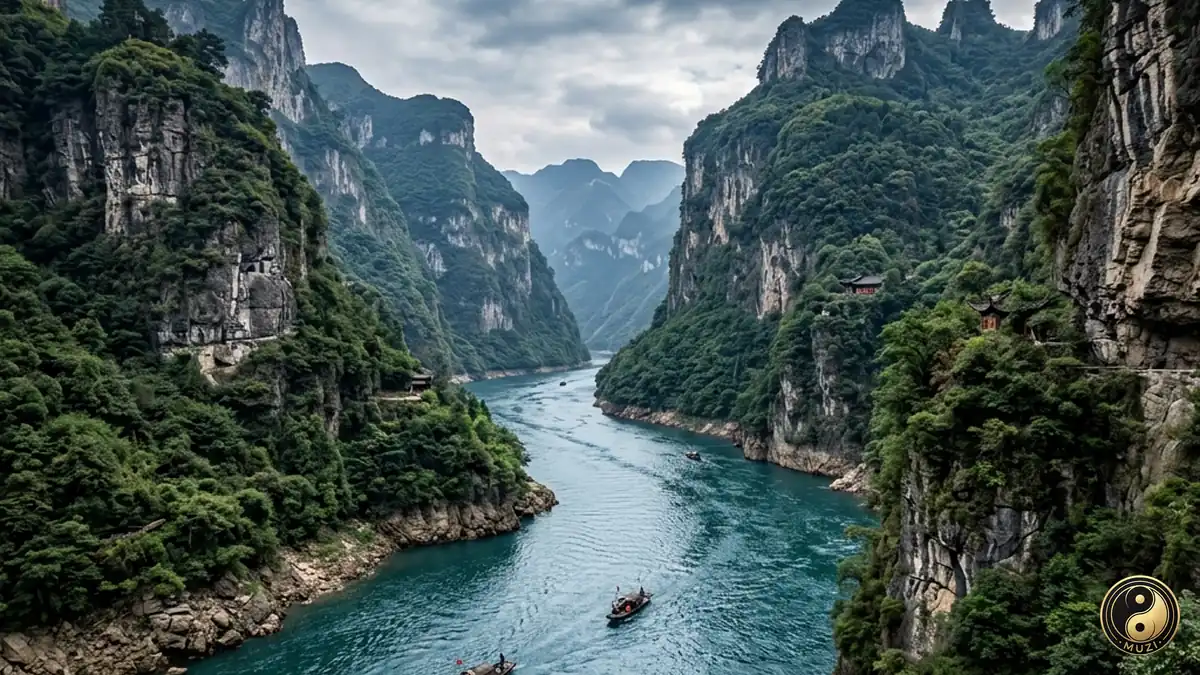
Asia's longest river, flowing six thousand kilometers from the Tibetan Plateau to the East China Sea — the aorta and golden waterway of Chinese civilization.
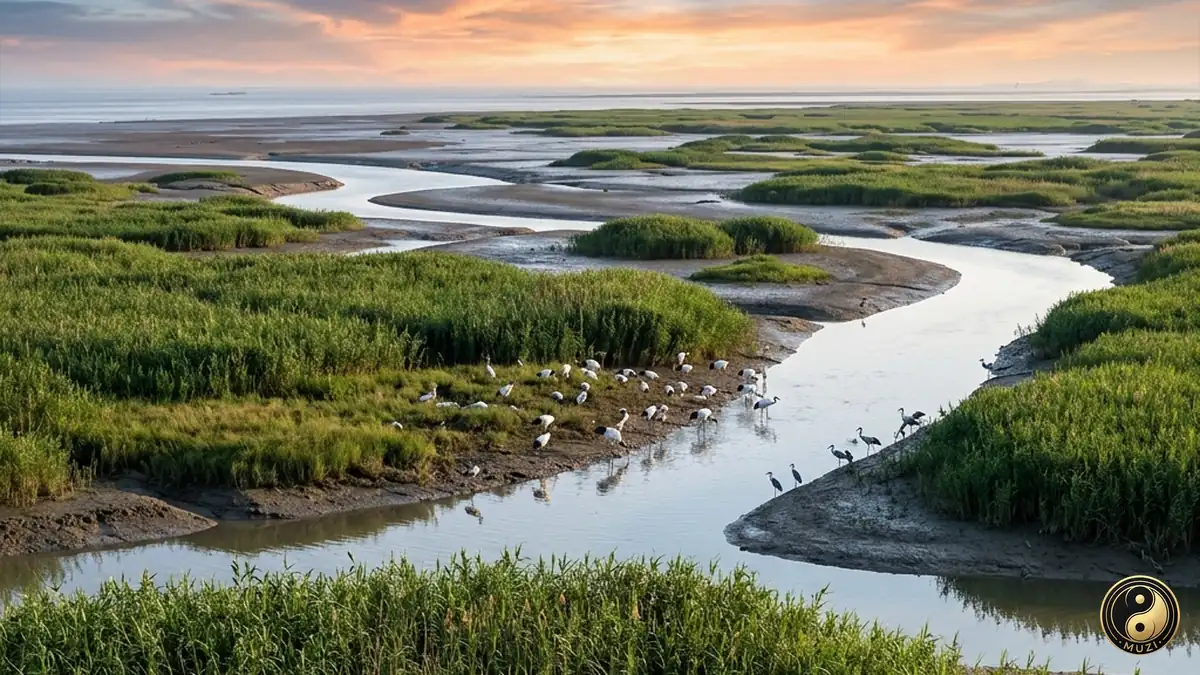
Where Yangtze sediment meets the sea, accumulating into tidal flats — the core refueling station on the East Asian-Australasian Flyway for millions of migratory birds.
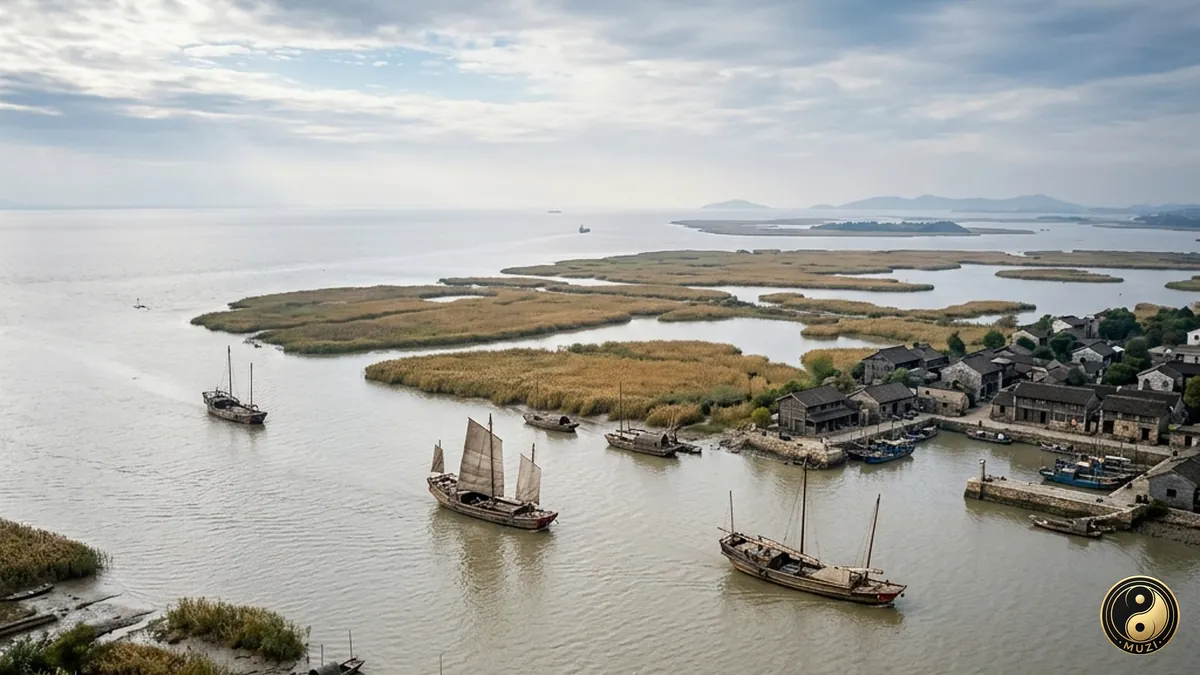
At the Yangtze's mouth, river sediment meets the sea and gradually builds new delta land.
Sheshan Basilica, begun by Jesuits in 1871, remains a major Catholic pilgrimage site overlooking Shanghai.
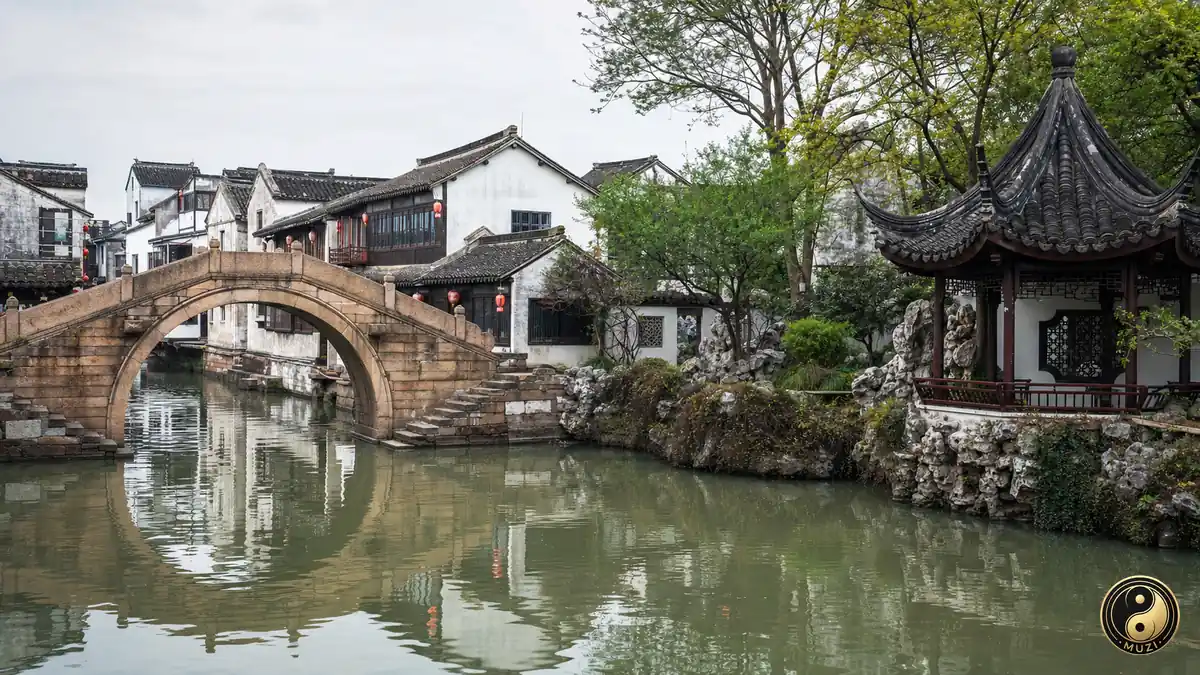
Shanghai's premier water town; Fangsheng Bridge arches over Caogang River; Kezhi Garden epitomizes Jiangnan garden elegance.