


































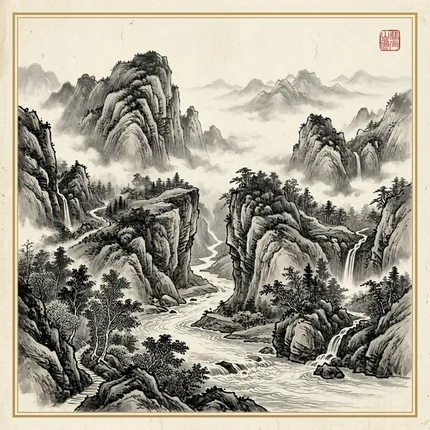
 Prefecture-level
Changsha
Changsha is home to the millennium-old Yuelu Academy, the Orange Isle statue of young Mao Zedong and the celebrated Han tombs of Mawangdui.
 MUZIChinese Matrix

South of Dongting Lake, the Xiang River runs through hills and rice country shaped by Huxiang culture.
Within the province-level setting of Hunan, the spatial identity of Hunan is first captured by this local fact: “South of Dongting Lake, the Xiang River runs through hills and rice country shaped by Huxiang culture.” It points to an observable local combination in which the setting of Hunan is shaped by both environment and lived practice. Historical development brought natural conditions and human activity into repeated negotiation, leaving traces in settlement, routes, and memory. Specific places and continuing lives turn a broad regional relationship into experience that can be observed and checked. The meaning of Hunan rests in specific places and continuing life, not only in its name or formal classification.
Prefecture-level
Changsha is home to the millennium-old Yuelu Academy, the Orange Isle statue of young Mao Zedong and the celebrated Han tombs of Mawangdui.
Prefecture-level
Zhuzhou, a railway-built industrial city on the Xiang River, is known for Liling underglaze porcelain and the Mausoleum of Emperor Yan in Yanling.
Prefecture-level
Xiangtan includes Mao Zedong's former residence at Shaoshan and is the hometown of painter Qi Baishi and Marshal Peng Dehuai, beside the winding Xiang River.
Prefecture-level
Hengyang, the Wild Goose City, lies beneath Mount Heng of the Five Sacred Mountains, with Huiyan Peak, Shigu Academy and Cai Lun's hometown Leiyang.
Prefecture-level
Shaoyang features the Langshan Danxia landscape of the China Danxia World Heritage site, Wei Yuan's former residence, Tantou woodblock prints and Wugang's old city walls.
 Prefecture-level
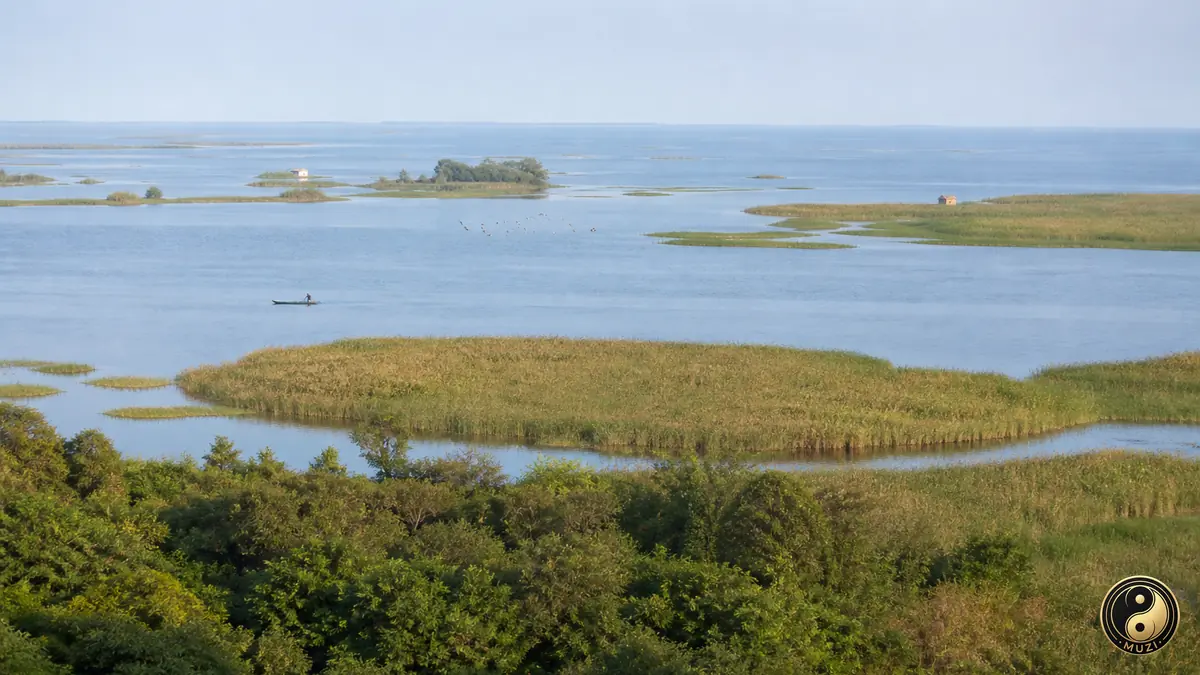
Yueyang overlooks Dongting Lake from Yueyang Tower, grows Junshan Silver Needle tea and honors Qu Yuan at the Quzi Shrine on the Miluo River.
Prefecture-level
Changde is home to the Peach Blossom Land evoked by Tao Yuanming, the Changde Poetry Wall along the Yuan River and the ancient Chengtoushan walled site in Li County.
 Prefecture-level
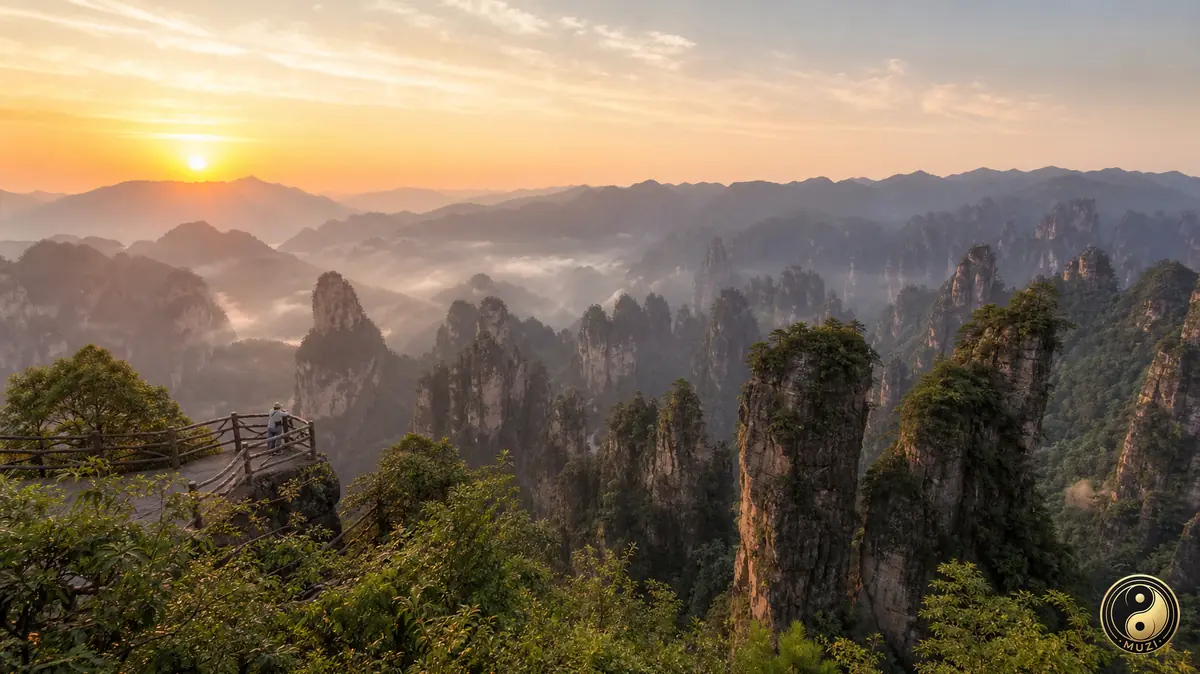
Zhangjiajie's Wulingyuan sandstone pillars form a World Natural Heritage site, joined by Tianmen Mountain and the Grand Canyon glass bridge.
Prefecture-level
Yiyang is famed for Anhua dark tea, with the Zi River flowing past the Taojiang bamboo forests and the Dongting Lake shores of Yuanjiang.
Prefecture-level
Chenzhou, a forested city in southern Hunan, is known for misty Dongjiang Lake, Mount Mang, Suxian Ridge and rich nonferrous metal deposits.
Prefecture-level
Yongzhou inspired Liu Zongyuan's Eight Records of Yongzhou, and treasures the Shun Emperor's Mausoleum on Mount Jiuyi and the Nushu women's script of Jiangyong.
 Prefecture-level
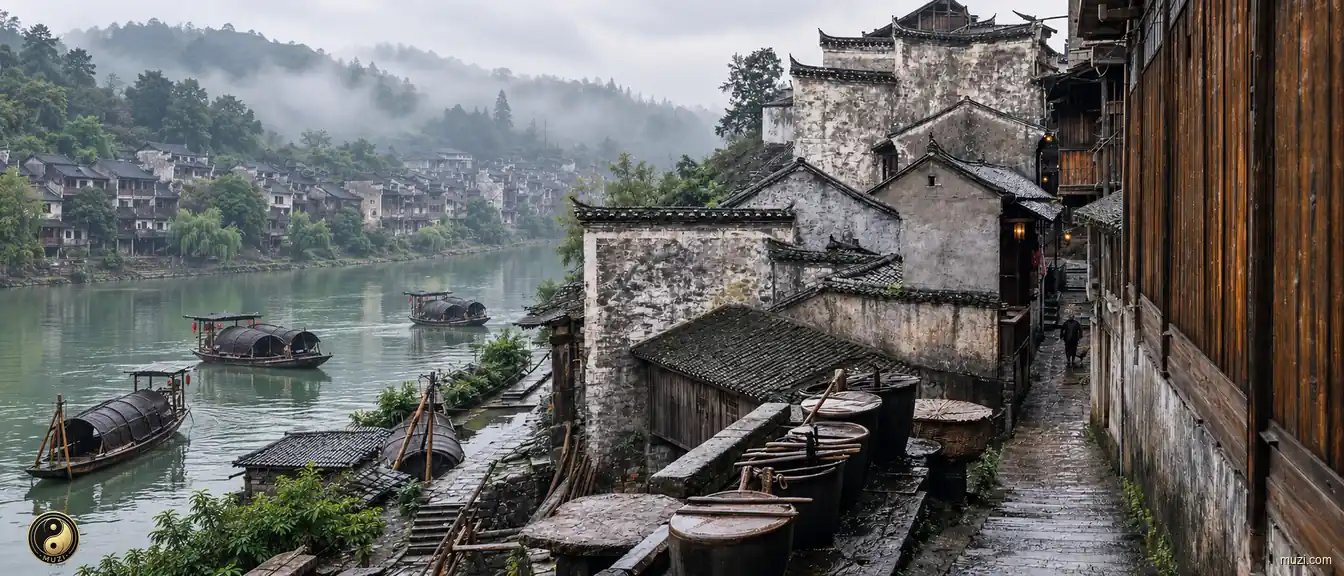
Huaihua keeps the Zhijiang surrender memorial of 1945, the old merchant town of Hongjiang and the Dong wind-and-rain bridges of Tongdao.
Prefecture-level
Loudi, heartland of Meishan culture, has the Ziquejie rice terraces of Xinhua, Lengshuijiang's antimony mines and Zeng Guofan's hometown in Shuangfeng.
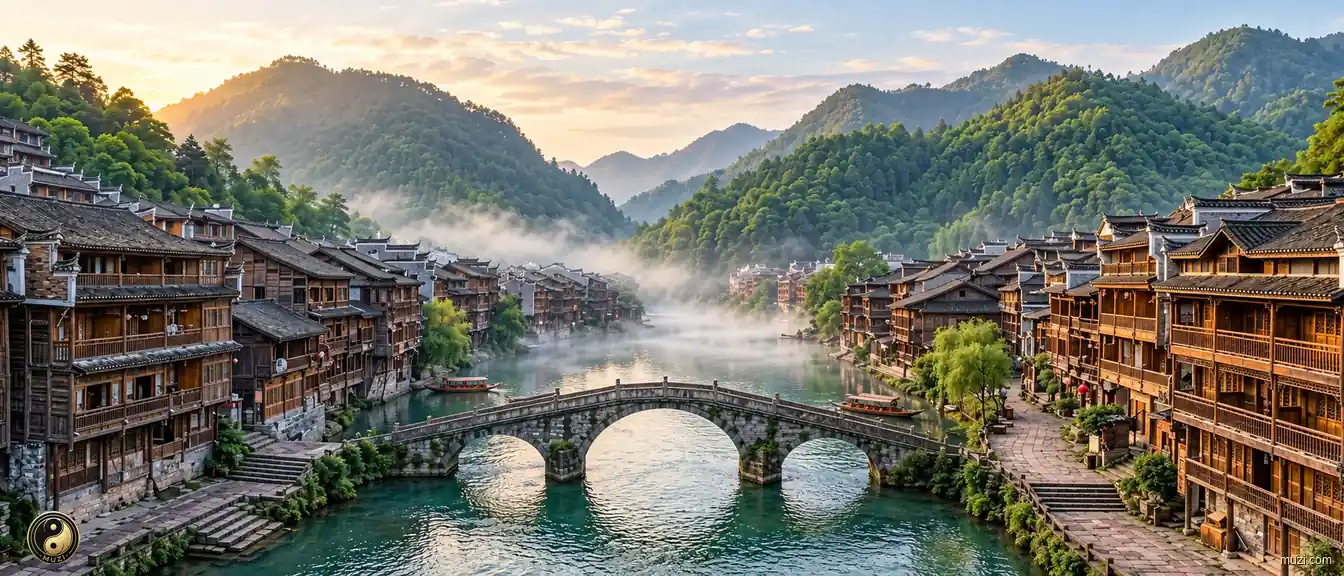 Prefecture-level
Xiangxi includes Fenghuang's riverside old town, the Laosicheng Tusi World Heritage site and the Aizhai suspension bridge across a deep gorge.
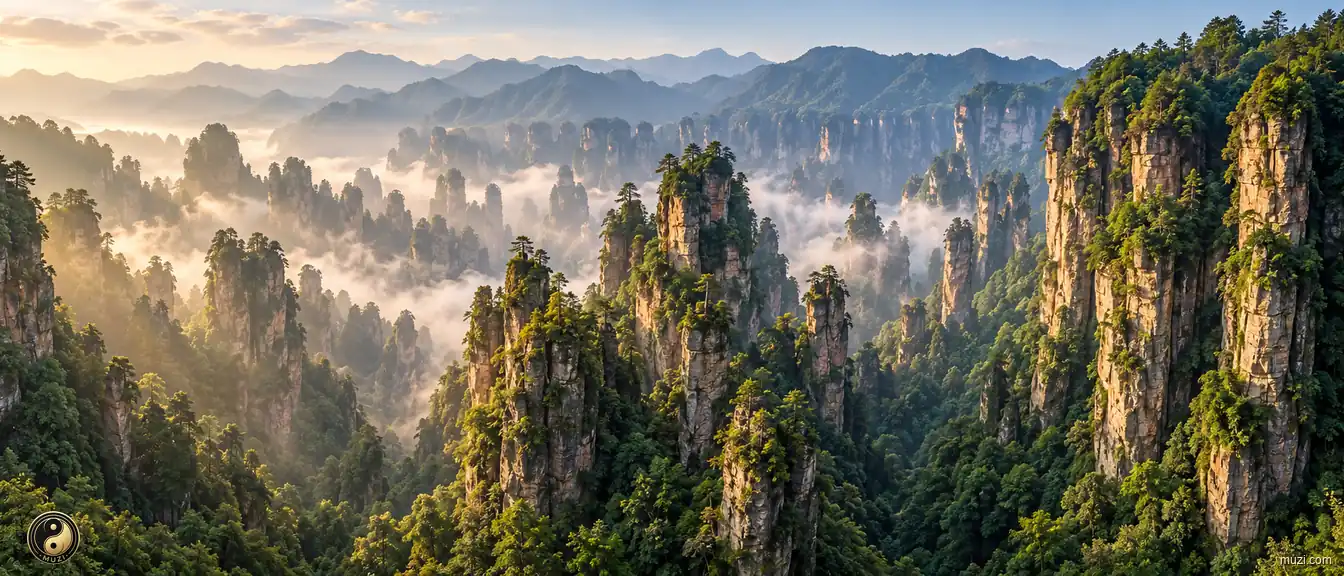
Three thousand sandstone pillars rising like celestial armies — the real-life prototype for the floating Hallelujah Mountains of Avatar.
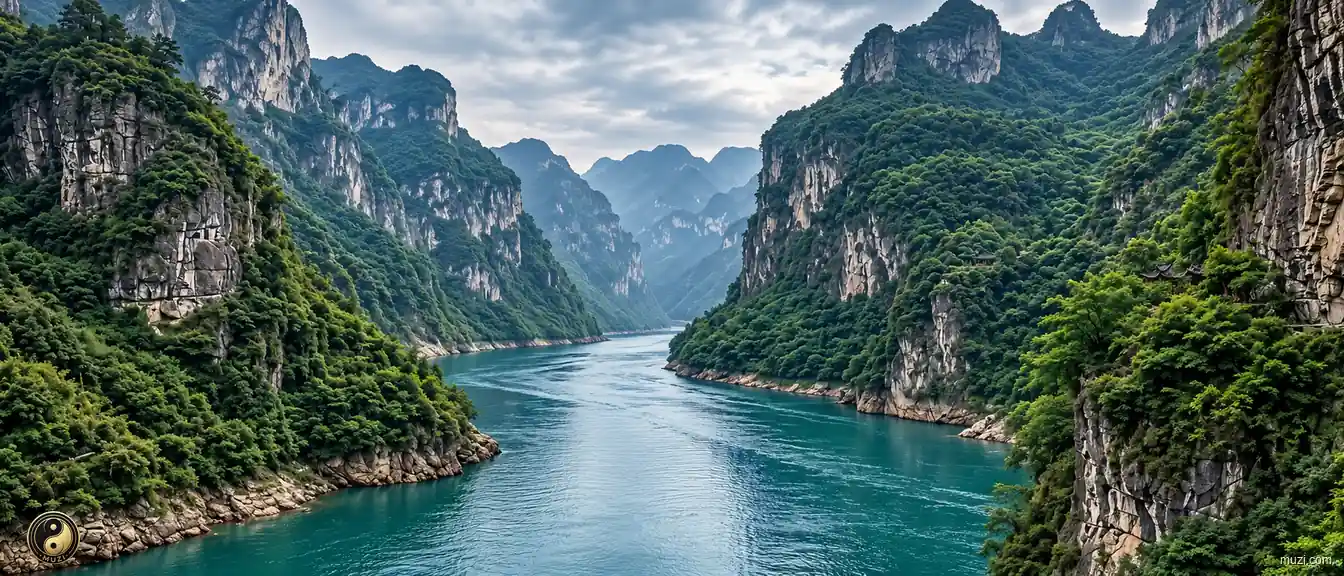
Asia's longest river, flowing six thousand kilometers from the Tibetan Plateau to the East China Sea — the aorta and golden waterway of Chinese civilization.
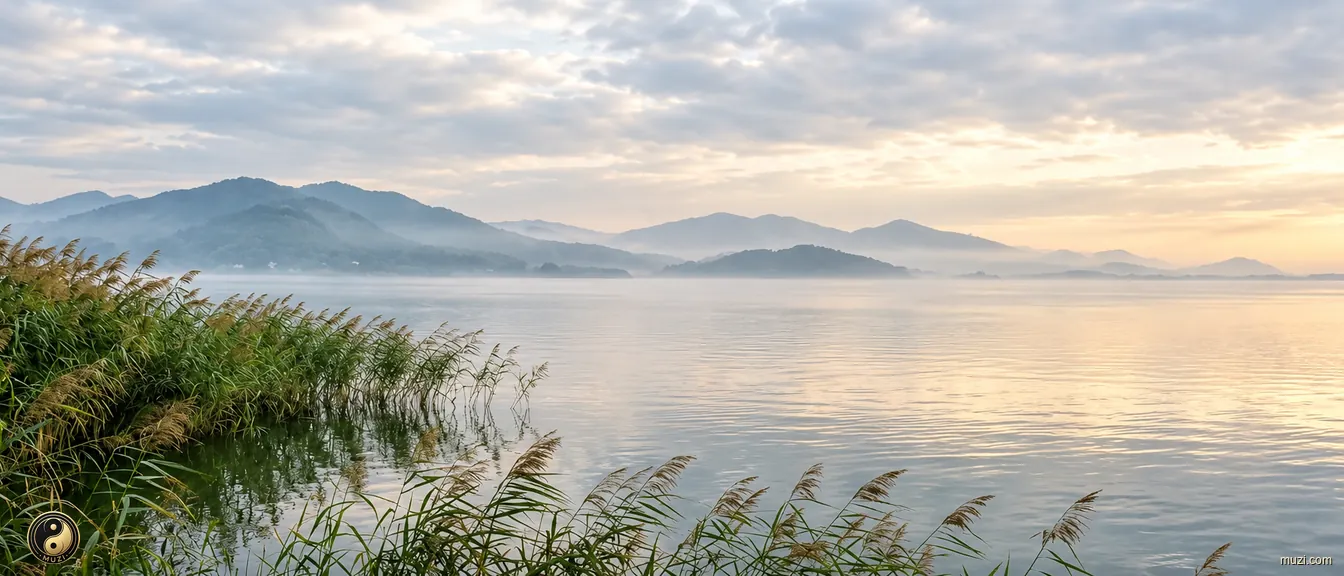
Eight hundred li of Dongting in misty vastness — the remnant of the ancient Yunmeng Marsh, powering the miracle 'when Huguang ripens, all under heaven is fed'.
A Xiangxi frontier town on the Tuo River — stilted houses perched tier upon tier on both sides of the steep valley, the collision zone of Miao and Tujia cultures with the Han frontier wall.
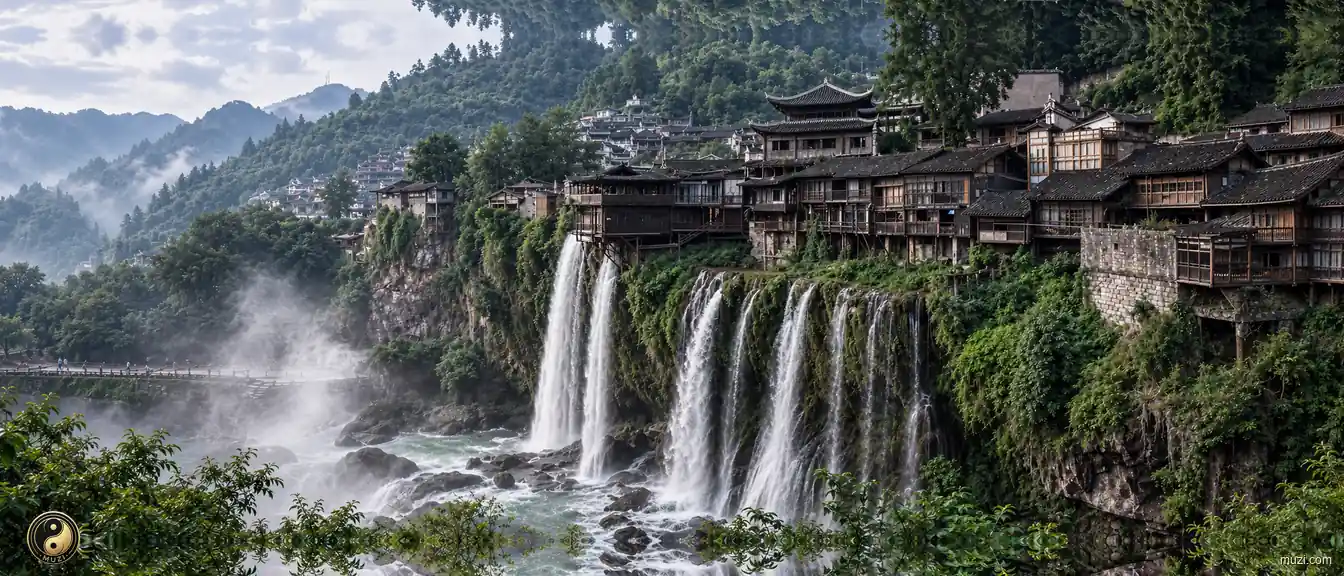
Thousand-year-old town suspended over a waterfall; the Qin-Han Western Youyang city site; Tujia stilted houses hang over the great cascade.
Hongjiang preserves Ming-Qing commercial streets, Yinzhiwu houses, and the tung-oil trade history of western Hunan.