





 Prefecture-level
Changsha
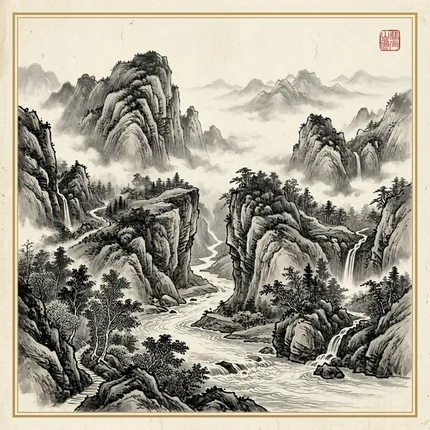
Changsha is readily recognized through river valleys and inherited local memory.
 MUZIChinese Matrix
South of Dongting Lake, the Xiang River runs through hills and rice country shaped by Huxiang culture.
Within the province-level setting of Hunan, the spatial identity of Hunan is first captured by this local fact: “South of Dongting Lake, the Xiang River runs through hills and rice country shaped by Huxiang culture.” It points to an observable local combination in which the setting of Hunan is shaped by both environment and lived practice. Historical development brought natural conditions and human activity into repeated negotiation, leaving traces in settlement, routes, and memory. Specific places and continuing lives turn a broad regional relationship into experience that can be observed and checked. The meaning of Hunan rests in specific places and continuing life, not only in its name or formal classification.
Prefecture-level
Changsha is readily recognized through river valleys and inherited local memory.
Prefecture-level
Think of Zhuzhou, and estuarine routes and port traditions are among the first things that come to mind.
Prefecture-level
highland scenery and pastoral culture offers the clearest regional clue to Xiangtan.
Prefecture-level
For Hengyang, plain-country farming and old town remains forms an essential setting.
Prefecture-level
mountain corridors and frontier life write a distinctive line into Shaoyang's urban profile.
 Prefecture-level
Through valley settlements and industrial memory, Yueyang gains a geographical signature.
Prefecture-level
In Changde, wetland habitats and waterside routines reveal a deeper local trajectory.
 Prefecture-level
Zhangjiajie finds its regional character in garden landscapes and scholarly traditions.
Prefecture-level
A useful way into Yiyang is through bay shores and fishing practice.
Prefecture-level
Chenzhou's local story begins with canyon terrain and rural settlements.
Prefecture-level
forest resources and cold-climate life give Yongzhou a recognizable regional character.
 Prefecture-level
Huaihua retains the imprint of steppe pasture and seasonal movement.
Prefecture-level
Follow lakeside wetlands and water-town craft, and Loudi's regional layers come into view.
 Prefecture-level
Xiangxi Tujia and Miao Autonomous Prefecture turns basin fields and historic post roads into everyday life and local memory.
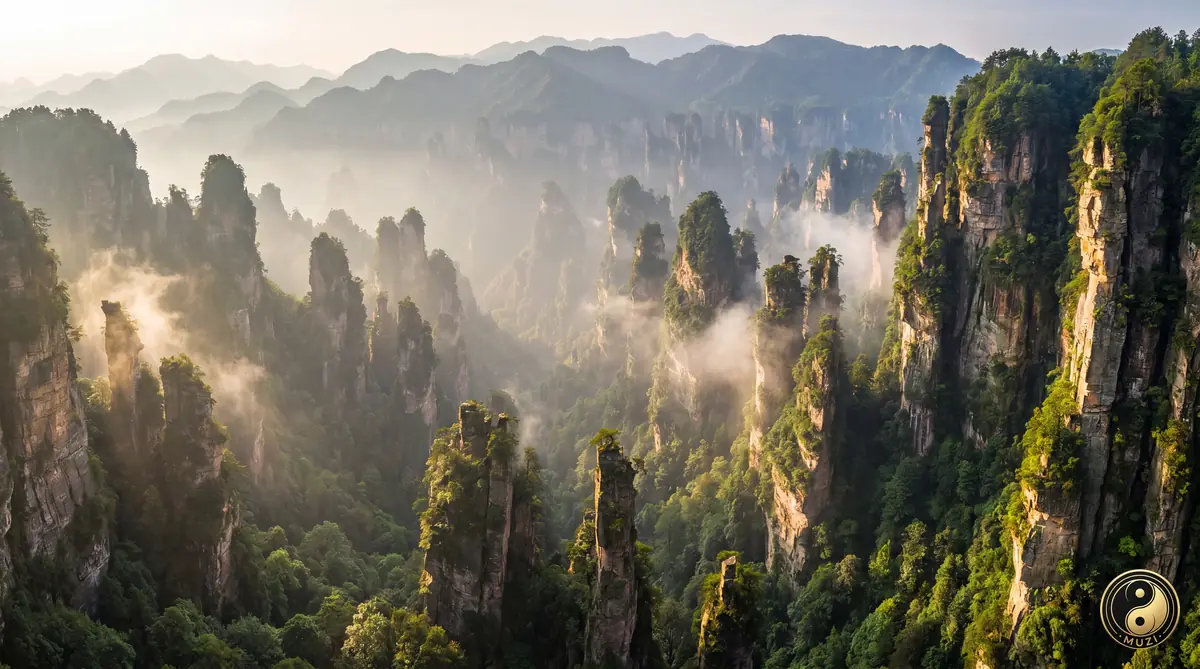
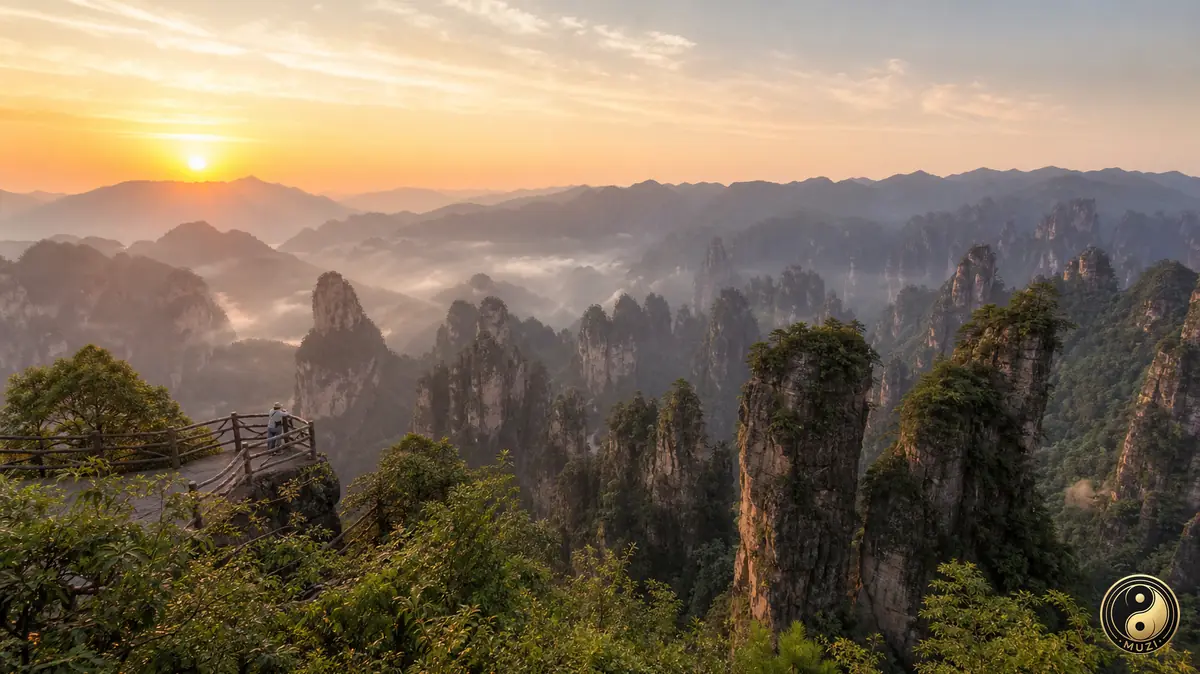
Three thousand sandstone pillars rising like celestial armies — the real-life prototype for the floating Hallelujah Mountains of Avatar.
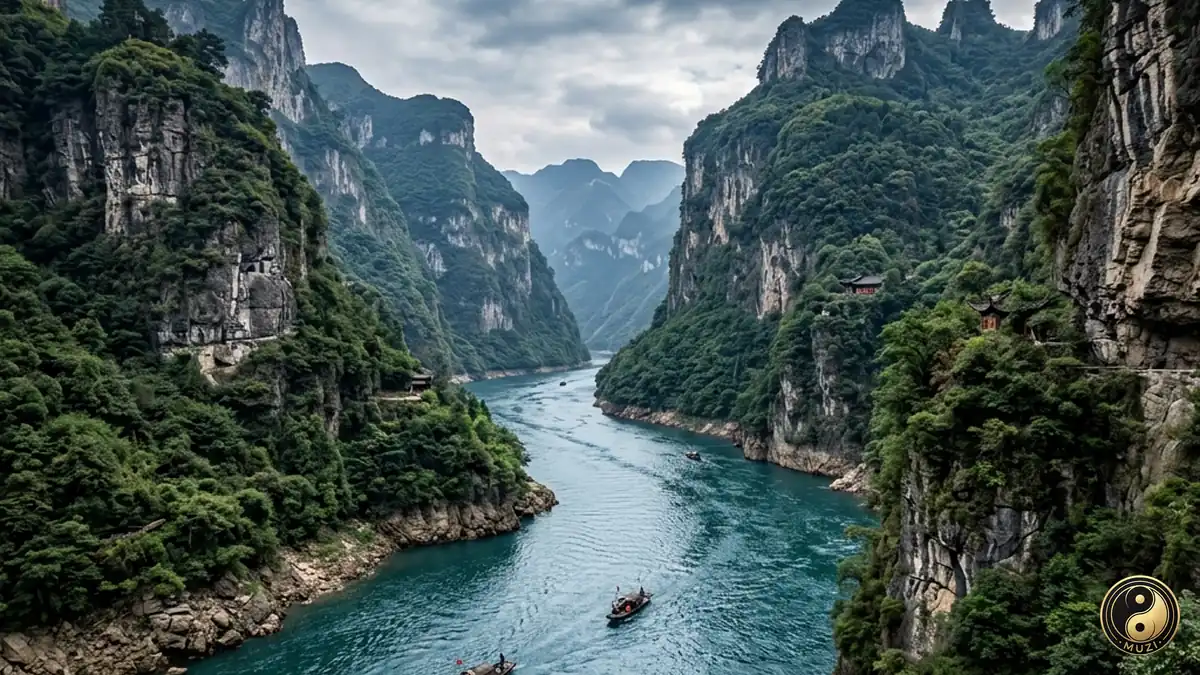
Asia's longest river, flowing six thousand kilometers from the Tibetan Plateau to the East China Sea — the aorta and golden waterway of Chinese civilization.
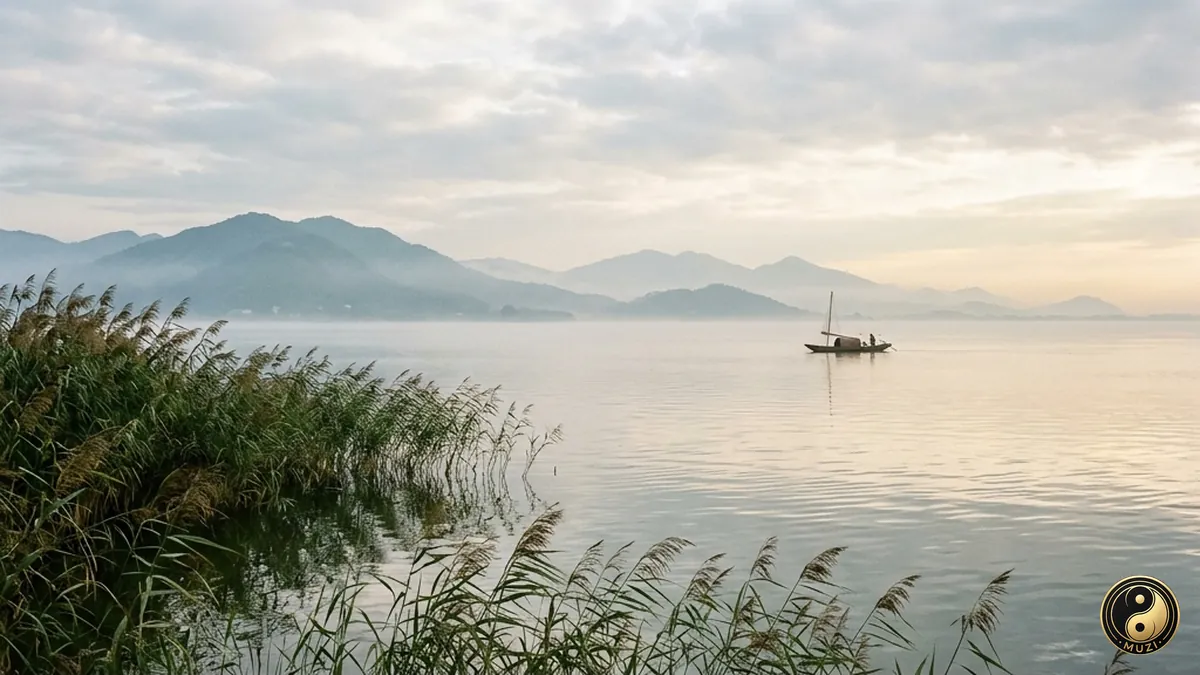
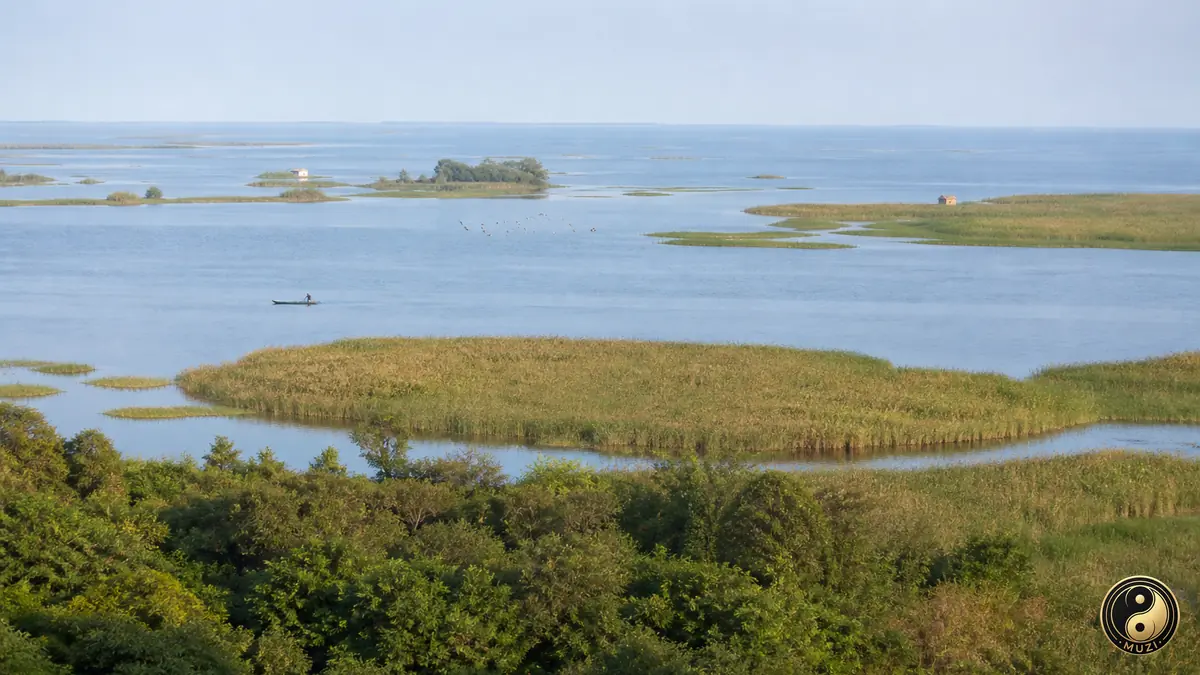
Eight hundred li of Dongting in misty vastness — the remnant of the ancient Yunmeng Marsh, powering the miracle 'when Huguang ripens, all under heaven is fed'.
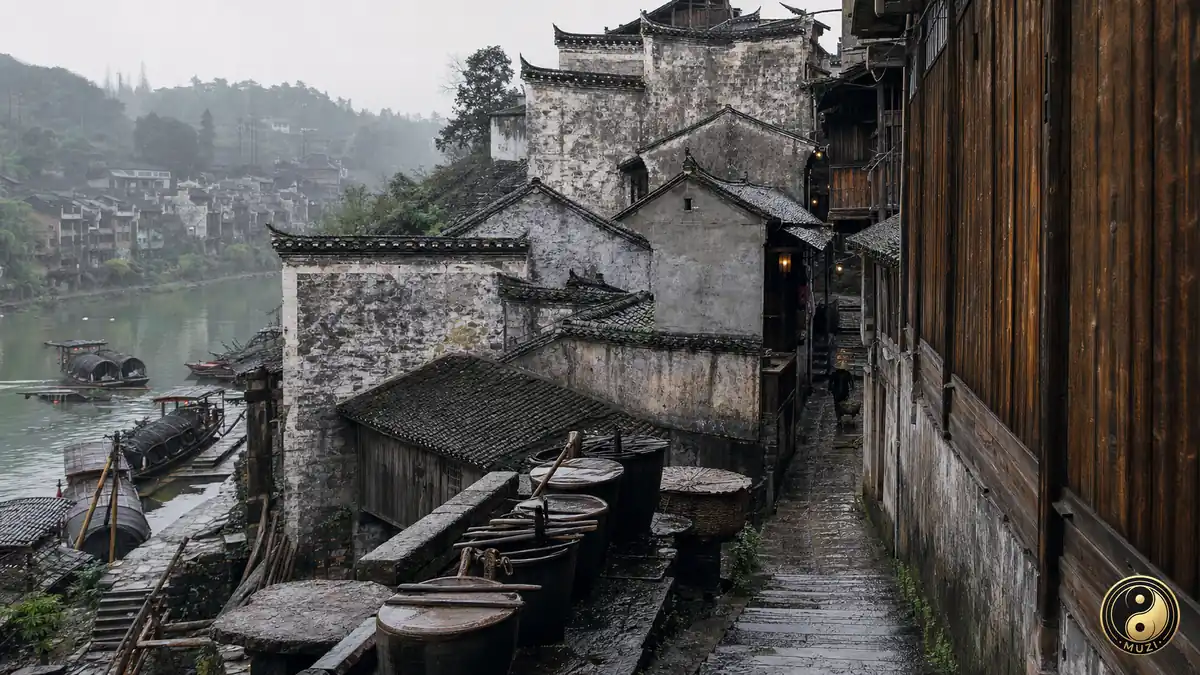
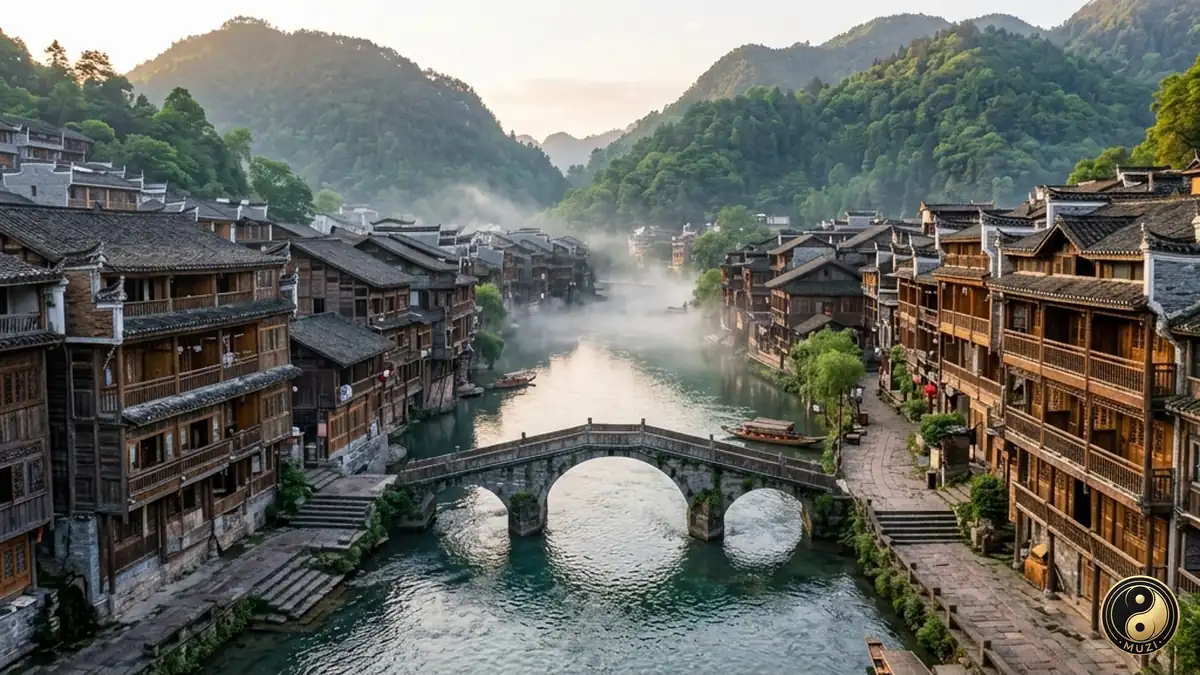
A Xiangxi frontier town on the Tuo River — stilted houses perched tier upon tier on both sides of the steep valley, the collision zone of Miao and Tujia cultures with the Han frontier wall.
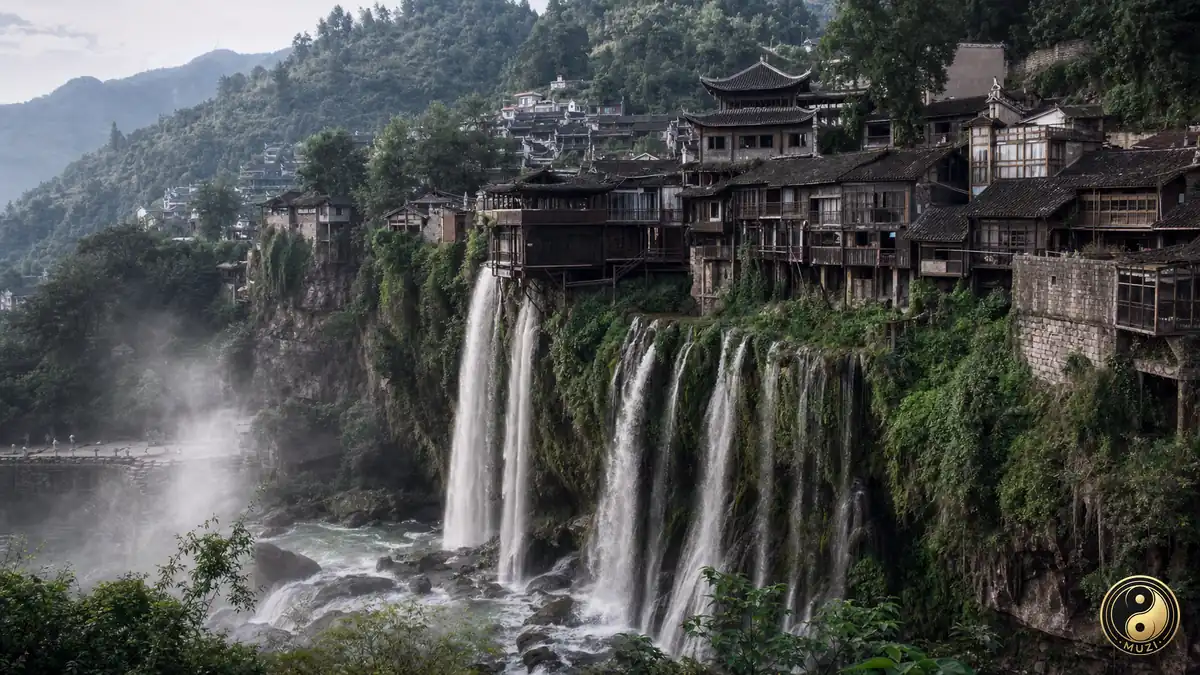
Thousand-year-old town suspended over a waterfall; the Qin-Han Western Youyang city site; Tujia stilted houses hang over the great cascade.
Hongjiang preserves Ming-Qing commercial streets, Yinzhiwu houses, and the tung-oil trade history of western Hunan.