


































 Prefecture-level
Guangzhou
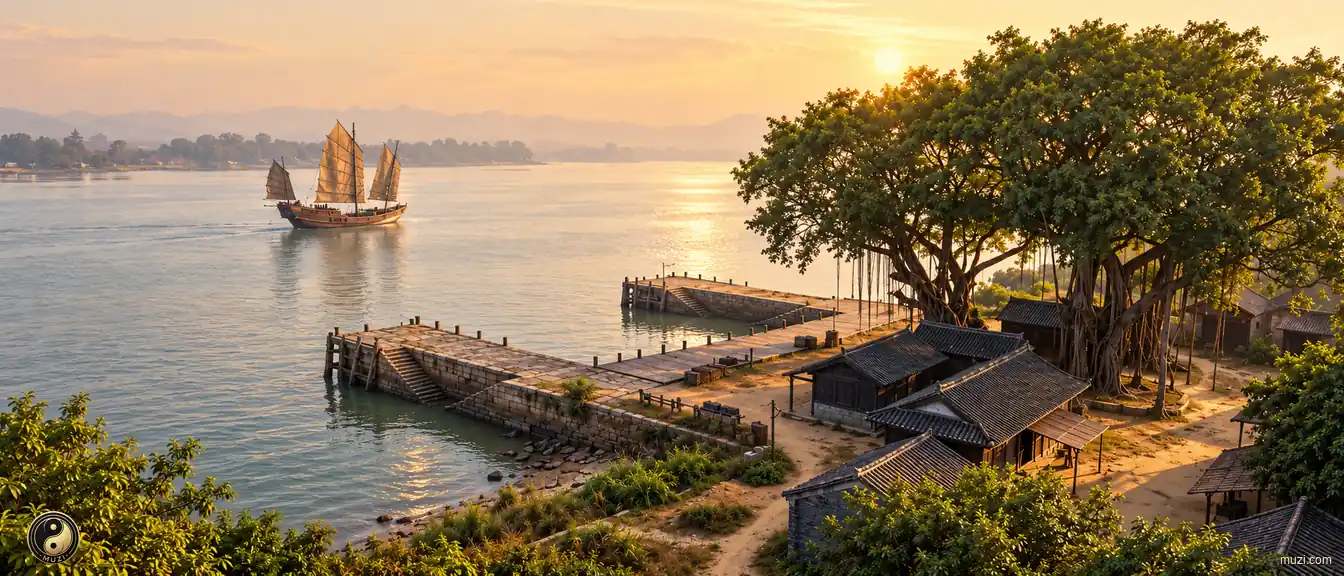
Guangzhou, a trading port for two millennia, pairs Zhenhai Tower and the Chen Clan Ancestral Hall with Canton Tower rising over the Pearl River.
 MUZIChinese Matrix
 Guangdong
The Pearl River Delta opens to the South China Sea, combining Lingnan culture, dense urban networks, and maritime trade.
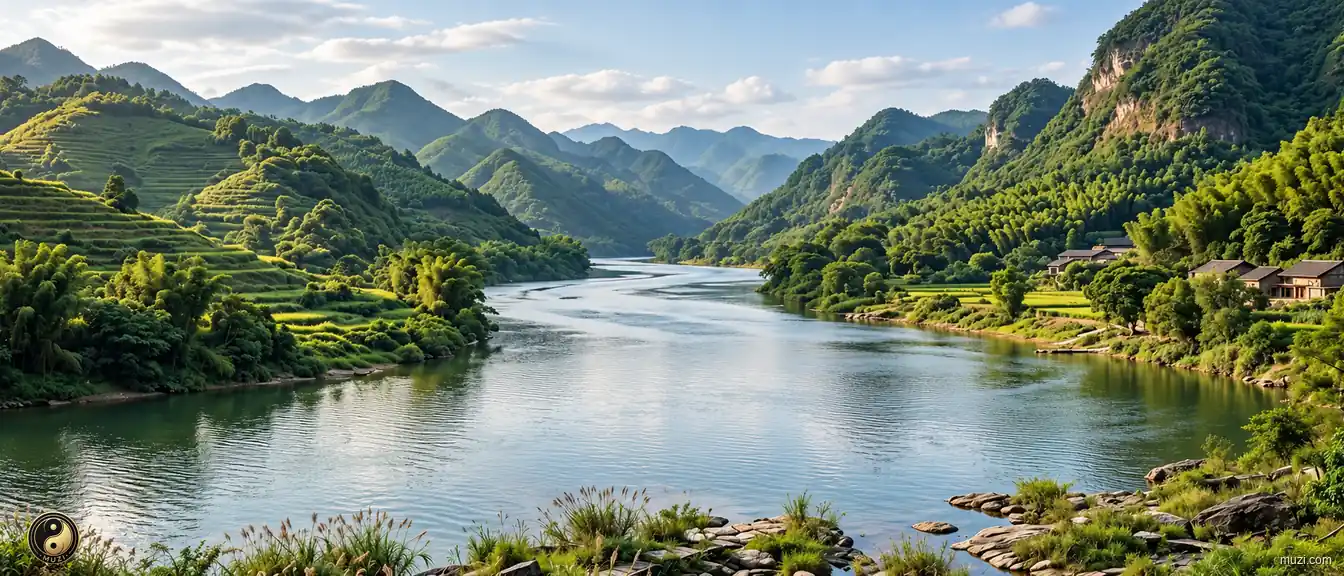
 Pearl River
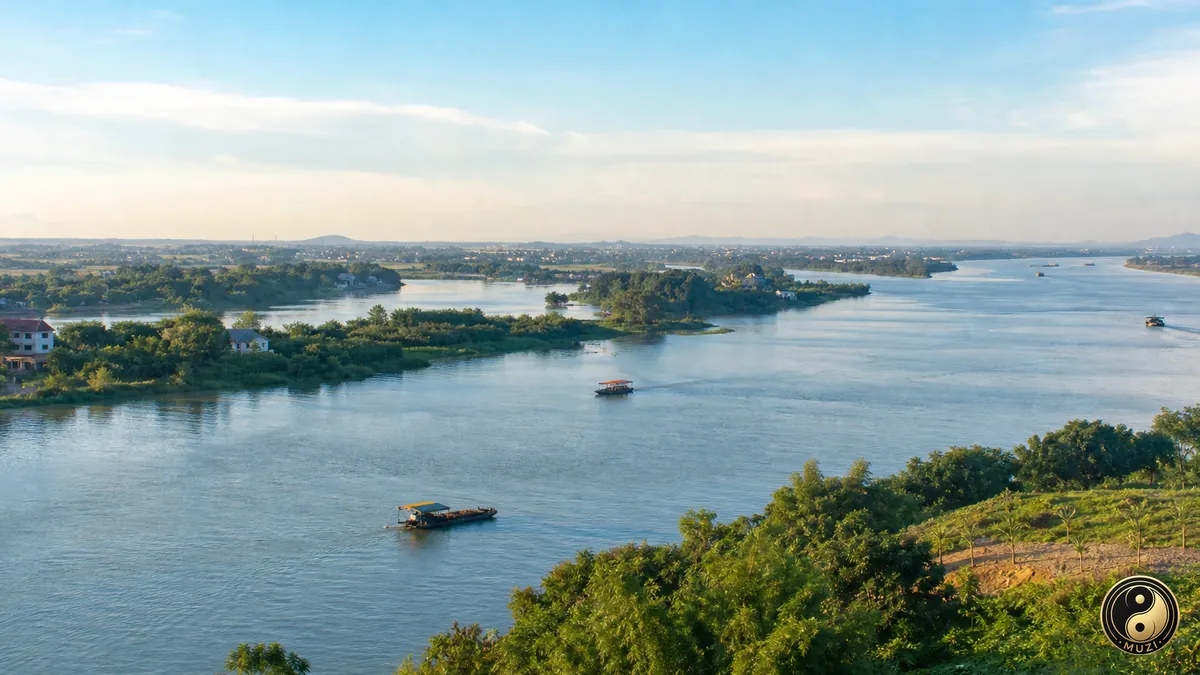
A rural reach of the Pearl River winds between bamboo-lined hills and cultivated terraces, passing modest tiled-roof houses and a rocky, reed-fringed bank.
Open the entryA useful starting point for Guangdong is the documented fact “The Pearl River Delta opens to the South China Sea, combining Lingnan culture, dense urban networks, and maritime trade.” The natural conditions and social experience of Guangdong therefore belong to one connected geographic story. Communities responded to surrounding conditions through residence, exchange, and daily practice, giving the spatial pattern a traceable history. The chain from environmental conditions to social practice gives the regional change of Guangdong a clear real-world expression. Taken together, these clues clarify the position, change, and distinctive contribution of Guangdong within the larger region.
Prefecture-level
Guangzhou, a trading port for two millennia, pairs Zhenhai Tower and the Chen Clan Ancestral Hall with Canton Tower rising over the Pearl River.
 Prefecture-level
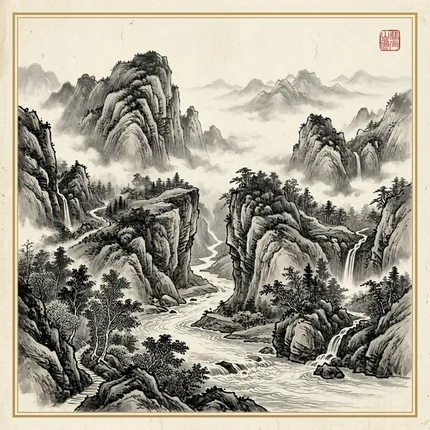
Danxia Mountain's red cliffs, a World Natural Heritage site, Nanhua Temple of the Sixth Patriarch and Nanxiong's ancestral Zhuji Lane define Shaoguan.
Prefecture-level
Shenzhen, one of China's first Special Economic Zones, pairs Lianhuashan Park and Shenzhen Bay with Wutong Mountain and the Ming-era Dapeng Fortress.
Prefecture-level
Zhuhai, the city of a hundred islands, offers the seaside Lovers' Road, the Hong Kong-Zhuhai-Macao Bridge across Lingding Bay and Chimelong Ocean Kingdom on Hengqin.
Prefecture-level
Shantou, a Teochew port and overseas-Chinese hometown, offers the arcaded Xiaogongyuan old quarter, breezy Nan'ao Island and famous beef hotpot.
 Prefecture-level
Foshan, a martial-arts heartland, centres on its Ancestral Temple, with Qinghui Garden, Xiqiao Mountain and celebrated Shunde cuisine nearby.
 Prefecture-level
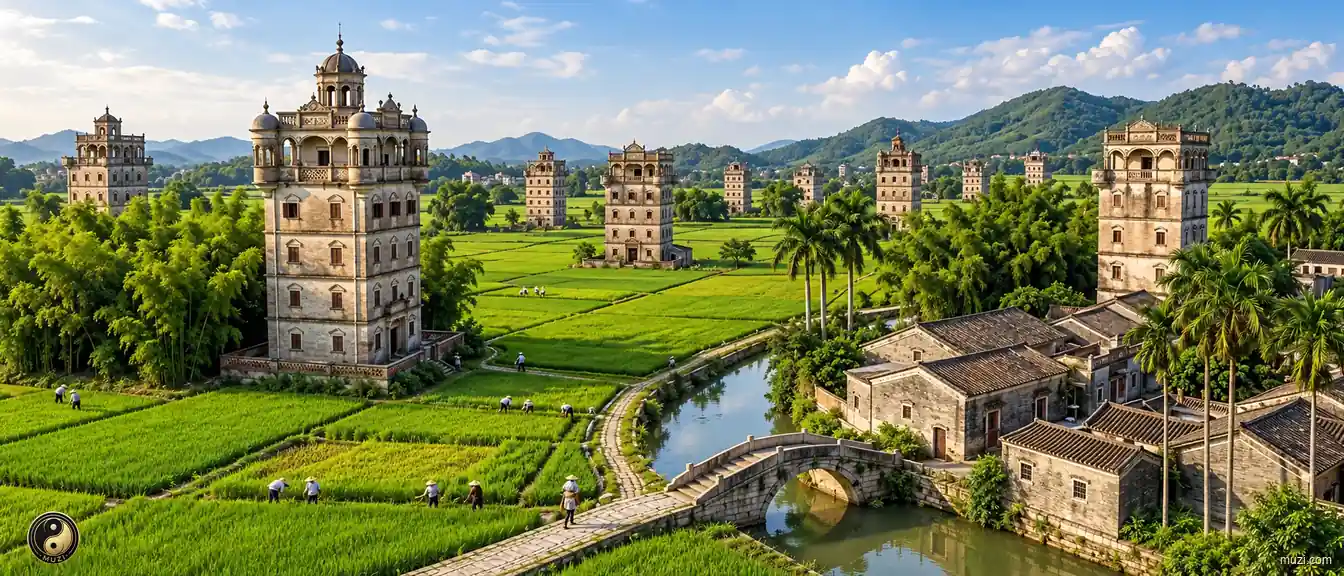
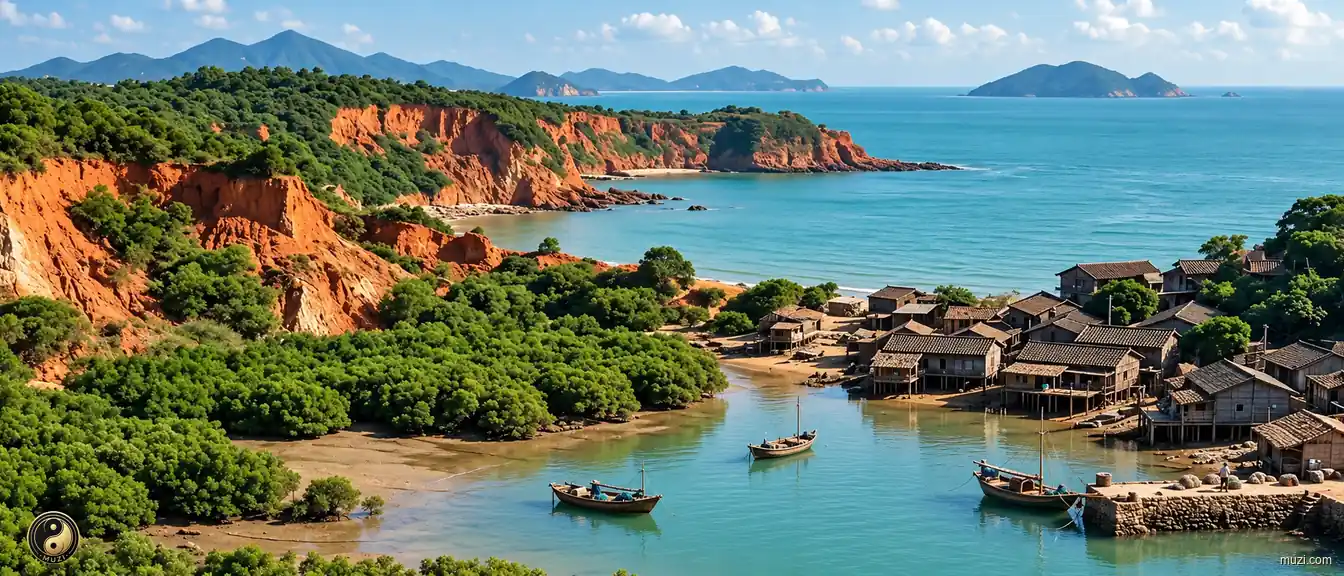
Kaiping's Diaolou watchtowers, a World Heritage site, Taishan's overseas-Chinese villages, Xinhui tangerine peel and the Birds' Paradise banyan define Jiangmen.
 Prefecture-level
Zhanjiang on the Leizhou Peninsula has the Huguangyan maar lake, mainland China's southernmost point in Xuwen, and a busy deep-water port.
Prefecture-level
Maoming honors Lady Xian, keeps ancient lychee orchards in Gaozhou, and pairs a major petrochemical base with the beaches of Fangji Island.
Prefecture-level
Zhaoqing pairs the lakes and karst peaks of Seven Star Crags with Dinghushan, China's first nature reserve, and celebrated Duan inkstones.
Prefecture-level
Su Dongpo lived beside Huizhou's West Lake, while the Taoist peaks of Luofu Mountain and the beaches of Xunliao and Shuangyue Bays draw visitors.
Prefecture-level
Meizhou, hailed as the world capital of the Hakka, is known for its weilongwu houses, Ye Jianying's former residence and the Yannanfei tea fields.
Prefecture-level
Shanwei offers the surf of Red Bay, Haifeng's Red Palace and Red Square from the peasant movement era, and the Fengshan Mazu statue.
Prefecture-level
Heyuan is known for Wanlü Lake's island-dotted waters, abundant dinosaur egg fossils and Longchuan's Tuocheng, an ancient town linked to Zhao Tuo.
Prefecture-level
Yangjiang, famed for knives and scissors, has the long Silver Beach of Hailing Island and a museum housing the Song-dynasty Nanhai No. 1 shipwreck.
Prefecture-level
Qingyuan offers Liannan's millennium-old Yao village, Yingde black tea and Ying stones, the Feilai Gorge on the Bei River and its famous chicken.
Prefecture-level
Dongguan keeps the Humen opium-destruction pools and Keyuan, one of Lingnan's four great gardens, alongside its fame as a world manufacturing hub.
Prefecture-level
Zhongshan, Sun Yat-sen's hometown, preserves his former residence in Cuiheng Village and is famed for Guzhen lighting and Shiqi roast pigeon.
Prefecture-level
Chaozhou on the Han River has the Guangji Bridge with its pontoon section, the arched Paifang Street, Fenghuang Dancong tea and Teochew cuisine.
Prefecture-level
Jieyang is known for its Confucian school-temple complex, the jade-carving village of Yangmei, Puning's bean paste and the Huilai coast.
Prefecture-level
Yunfu is the birthplace of Huineng, the Sixth Patriarch, whose Guo'en Temple stands in Xinxing, and is famed for stonework and seedless wampee.
 Pearl River
The Pearl River forms a major water network through the delta, linking South China Sea routes with regional trade.
 South China Mangroves
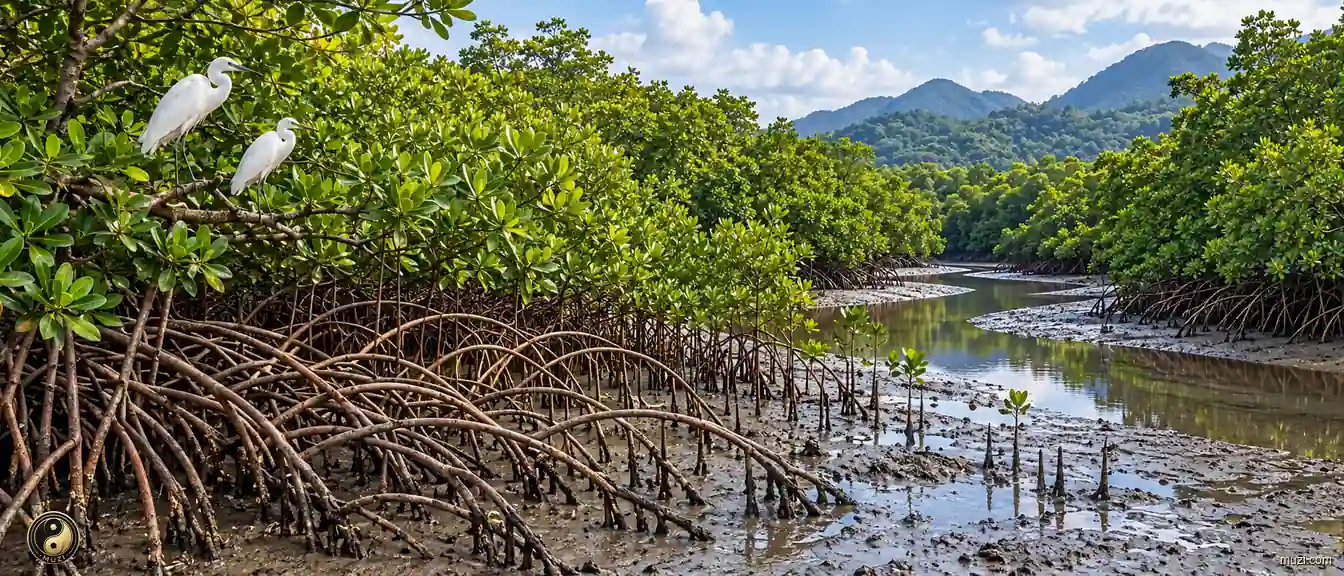
A green Great Wall in the intertidal zones of the southeast coast — viviparous plants rooting in salt water, a natural coastal buffer against typhoons and storm surges.
 Huangpu Port & Shibosi Site
The ancient port and customs office of Guangzhou — China's first national-level maritime trade authority, witnessing the prosperity of the Age of Discovery on the South China Sea.
 Leizhou Peninsula
Leizhou Peninsula reaches into the Beibu Gulf; sea, wind, and lowland habitats define its coast.
 Kaiping Diaolou
Fortified tower clusters built by returned overseas Chinese in Guangdong's Siyi region — reinforced concrete castles blending Chinese and Western architecture, recording a century of diaspora and homecoming.
 Foshan
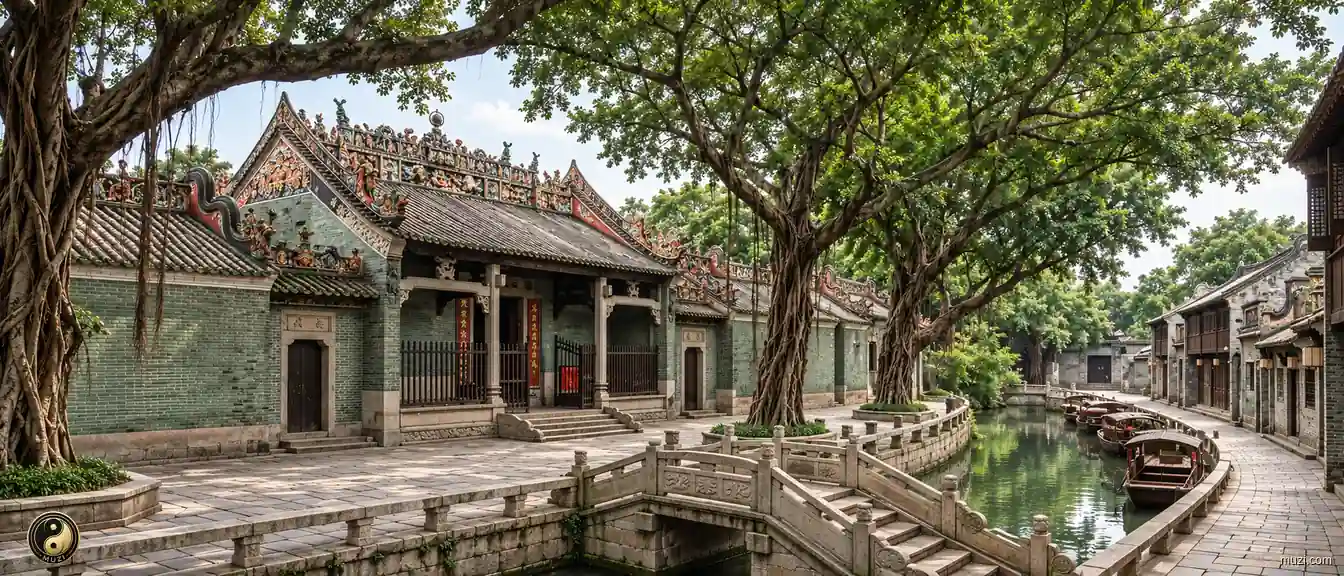
The heavy-industry town of the Ming-Qing era — a dense cluster of private iron-smelting, casting, and textile workshops, the most famous civilian industrial antenna of medieval China powering ironware exports to Southeast Asia.
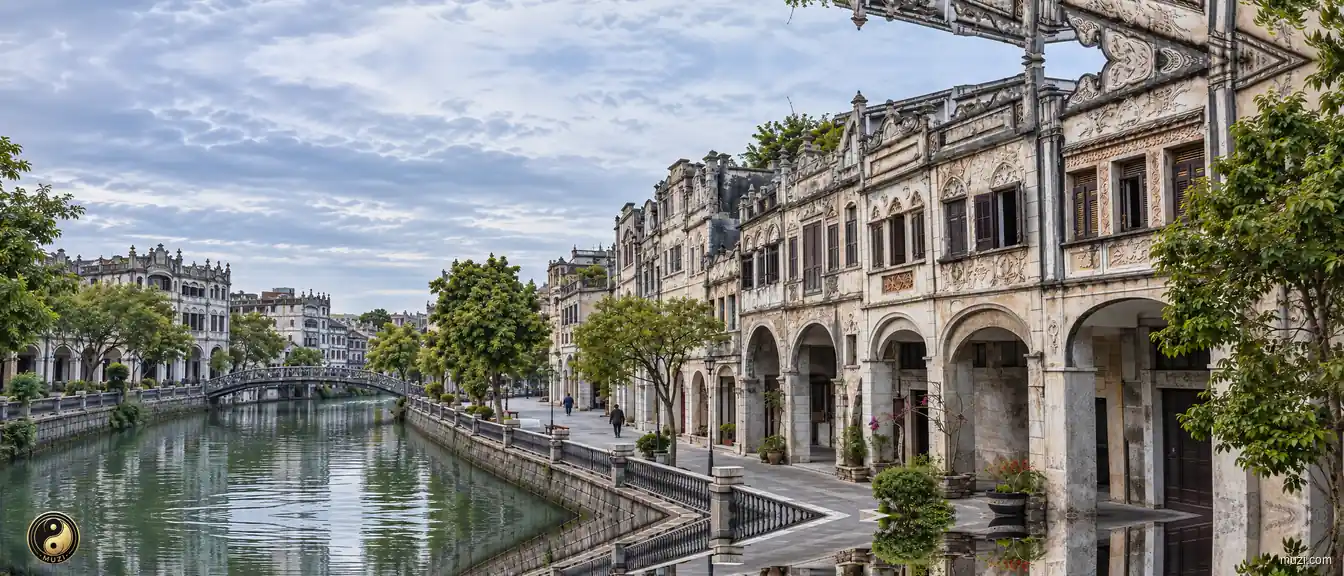
 Chikan Ancient Town
Lingnan arcade-building museum; overseas Chinese culture crystallized in Guan Library and European-style villas.