


































 Prefecture-level
Yinchuan
Yinchuan lies below the Helan Mountains, home to the Western Xia Imperial Tombs World Heritage site, Zhenbeibao Film Studio and Helan rock art.
 MUZIChinese Matrix

The Yellow River irrigates Ningxia’s plain beneath the Helan Mountains, where Xixia remains and Hui culture mark the frontier landscape.
Within the province-level setting of Ningxia, the spatial identity of Ningxia is first captured by this local fact: “The Yellow River irrigates Ningxia’s plain beneath the Helan Mountains, where Xixia remains and Hui culture mark the frontier landscape.” It points to an observable local combination in which the setting of Ningxia is shaped by both environment and lived practice. Historical development brought natural conditions and human activity into repeated negotiation, leaving traces in settlement, routes, and memory. Specific places and continuing lives turn a broad regional relationship into experience that can be observed and checked. The meaning of Ningxia rests in specific places and continuing life, not only in its name or formal classification.
Prefecture-level
Yinchuan lies below the Helan Mountains, home to the Western Xia Imperial Tombs World Heritage site, Zhenbeibao Film Studio and Helan rock art.
Prefecture-level
Shizuishan, a coal city on the eastern foot of the Helan Mountains, offers the reeds and dunes of Sand Lake, Xinghai Lake and Beiwudang Temple.
Prefecture-level
Wuzhong on the Yellow River is known for the 108 Stupas of Qingtongxia, its morning tea culture and Yanchi Tan sheep mutton.
Prefecture-level
Guyuan combines the Xumishan Grottoes begun in the Northern Wei, Liupan Mountain of the Long March and the source of the Jing River.
Prefecture-level
Zhongwei is where the Yellow River meets the Tengger Desert at Shapotou, with the tiered Gao Temple and famous Zhongning goji berries.
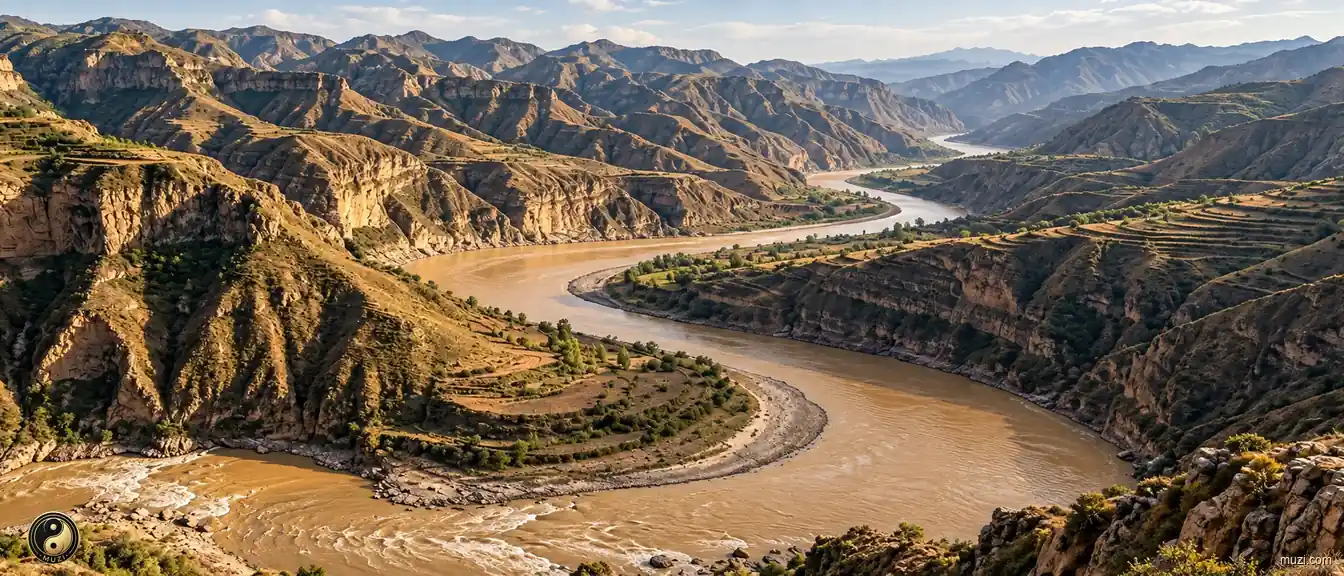
The Yellow River carries loess to the sea and remains a major river in the history of Chinese agrarian civilization.
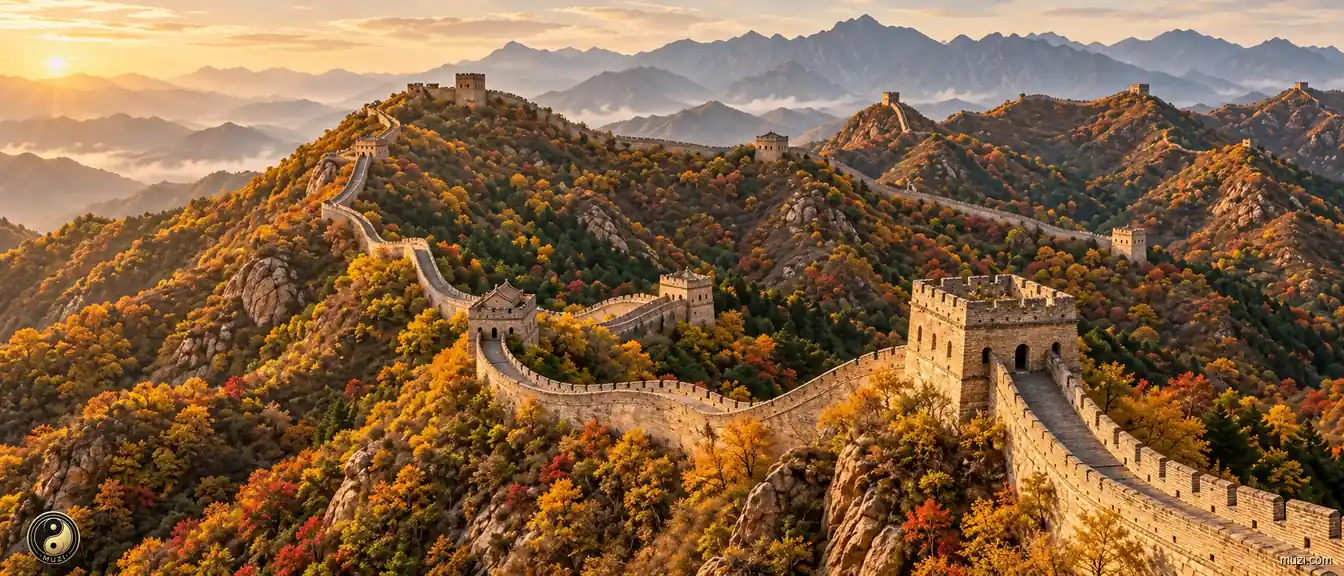
The longest military fortification in human history — winding ten thousand li along the northern ridges, guarding the boundary of agrarian civilization for two millennia.