





 Prefecture-level
Wuhan
Wuhan is readily recognized through river valleys and inherited local memory.
 MUZIChinese Matrix
The Jianghan Plain gathers the Yangtze, Han River, and lake country, with Chu heritage visible in its landscapes and cities.
For Hubei, the relationship between place and life becomes visible in “The Jianghan Plain gathers the Yangtze, Han River, and lake country, with Chu heritage visible in its landscapes and cities.” This evidence connects landform, movement, settlement, and cultural expression instead of treating them as isolated details. The present profile of Hubei reflects environmental adaptation and local stewardship built up over an extended period rather than a short-lived change. This process explains how Hubei remains connected to its surrounding region while retaining a recognizable local character. That is why Hubei matters: local detail can illuminate environmental setting, social process, and cultural memory together.
Prefecture-level
Wuhan is readily recognized through river valleys and inherited local memory.
Prefecture-level
Think of Huangshi, and estuarine routes and port traditions are among the first things that come to mind.
 Prefecture-level
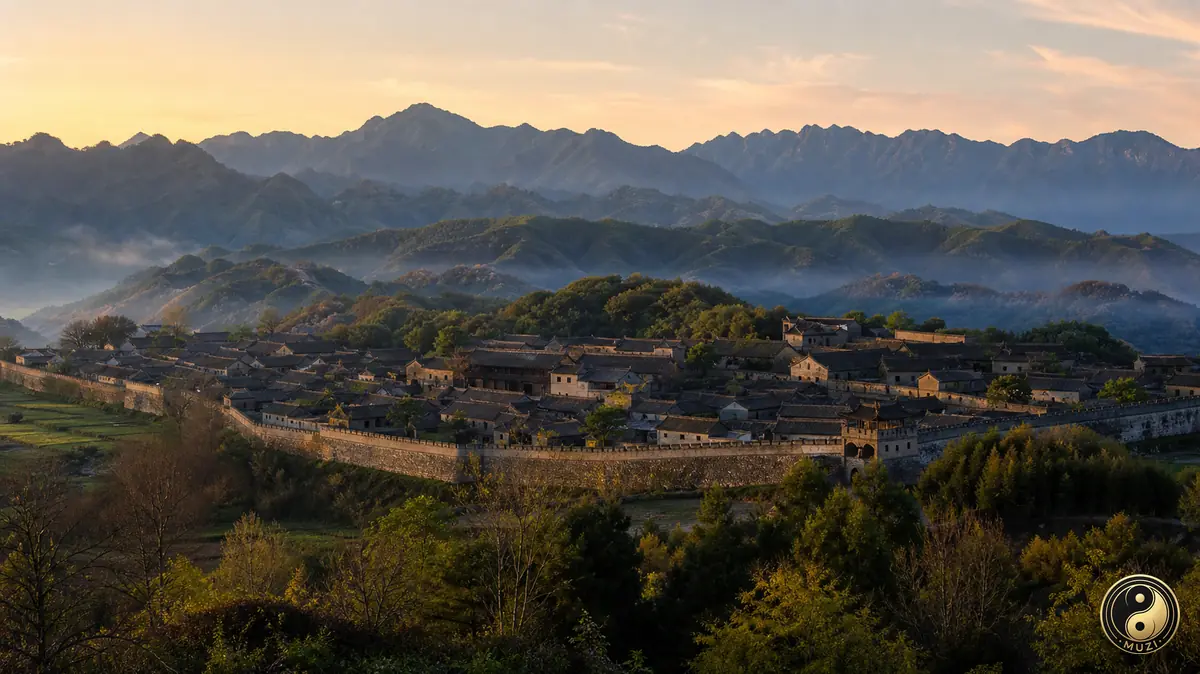
highland scenery and pastoral culture offers the clearest regional clue to Shiyan.
 Prefecture-level
For Yichang, plain-country farming and old town remains forms an essential setting.
Prefecture-level
mountain corridors and frontier life write a distinctive line into Xiangyang's urban profile.
Prefecture-level
Through valley settlements and industrial memory, Ezhou gains a geographical signature.
Prefecture-level
In Jingmen, wetland habitats and waterside routines reveal a deeper local trajectory.
Prefecture-level
Xiaogan finds its regional character in garden landscapes and scholarly traditions.
 Prefecture-level
A useful way into Jingzhou is through bay shores and fishing practice.
Prefecture-level
Huanggang's local story begins with canyon terrain and rural settlements.
Prefecture-level
forest resources and cold-climate life give Xianning a recognizable regional character.
Prefecture-level
Suizhou retains the imprint of steppe pasture and seasonal movement.
Prefecture-level
Follow lakeside wetlands and water-town craft, and Enshi Tujia and Miao Autonomous Prefecture's regional layers come into view.
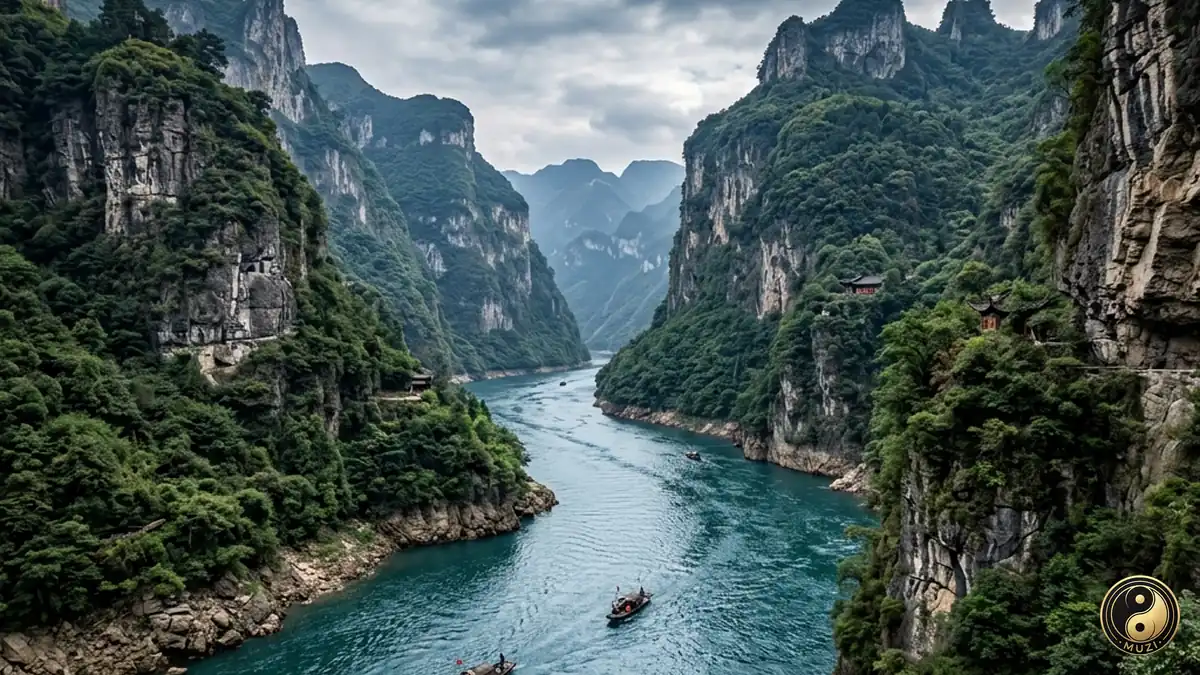
Asia's longest river, flowing six thousand kilometers from the Tibetan Plateau to the East China Sea — the aorta and golden waterway of Chinese civilization.
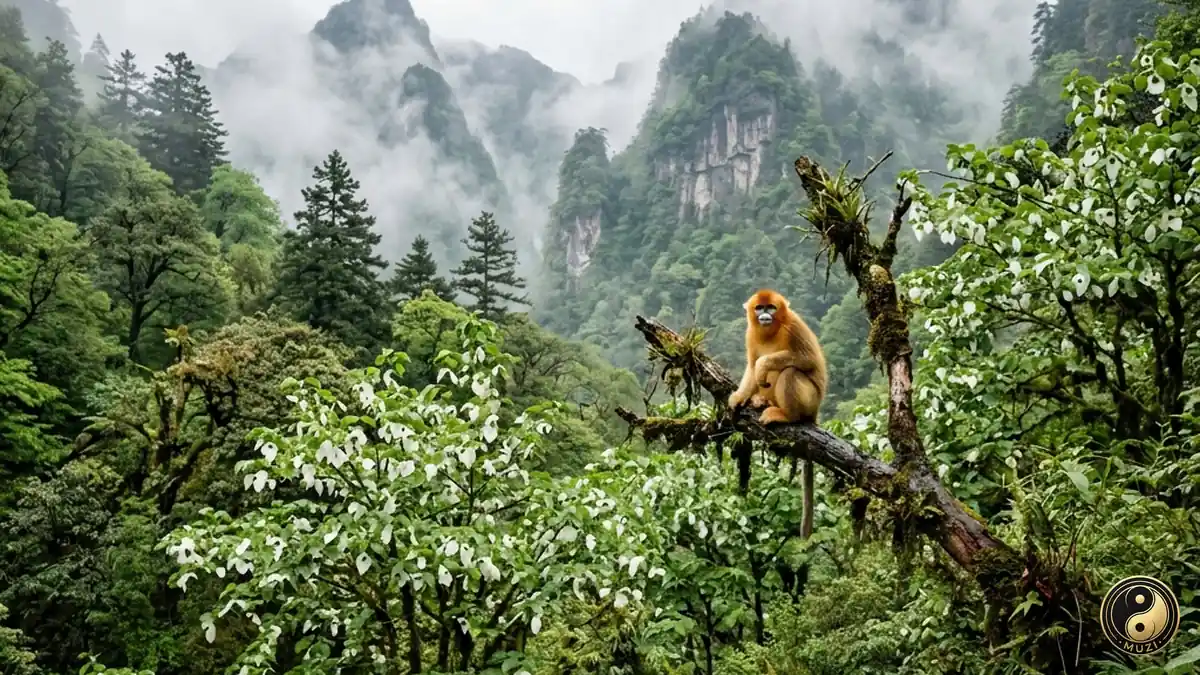
The roof of central China, a mysterious realm on the thirtieth parallel north — rumored home of the Wild Man, a primeval forest preserving vast numbers of ancient relict plants.
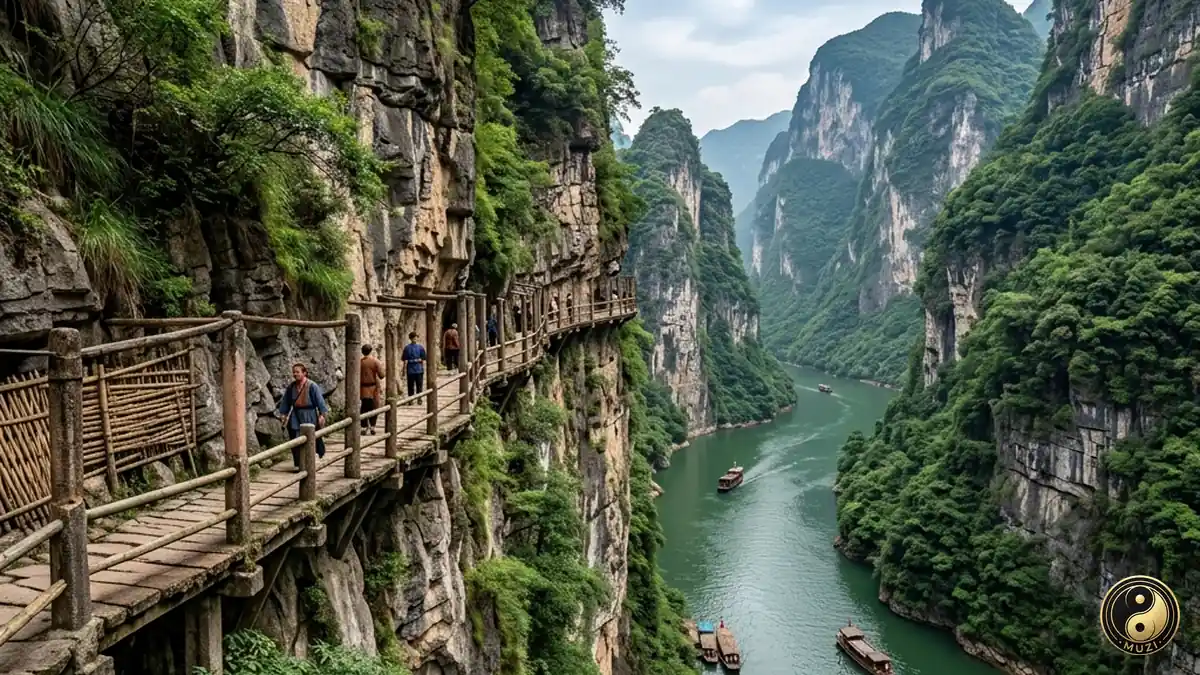
A suspended walkway carved into the vertical cliffs of the Three Gorges — trackers and soldiers clawing out a logistics miracle against heaven-defying terrain with bare hands.
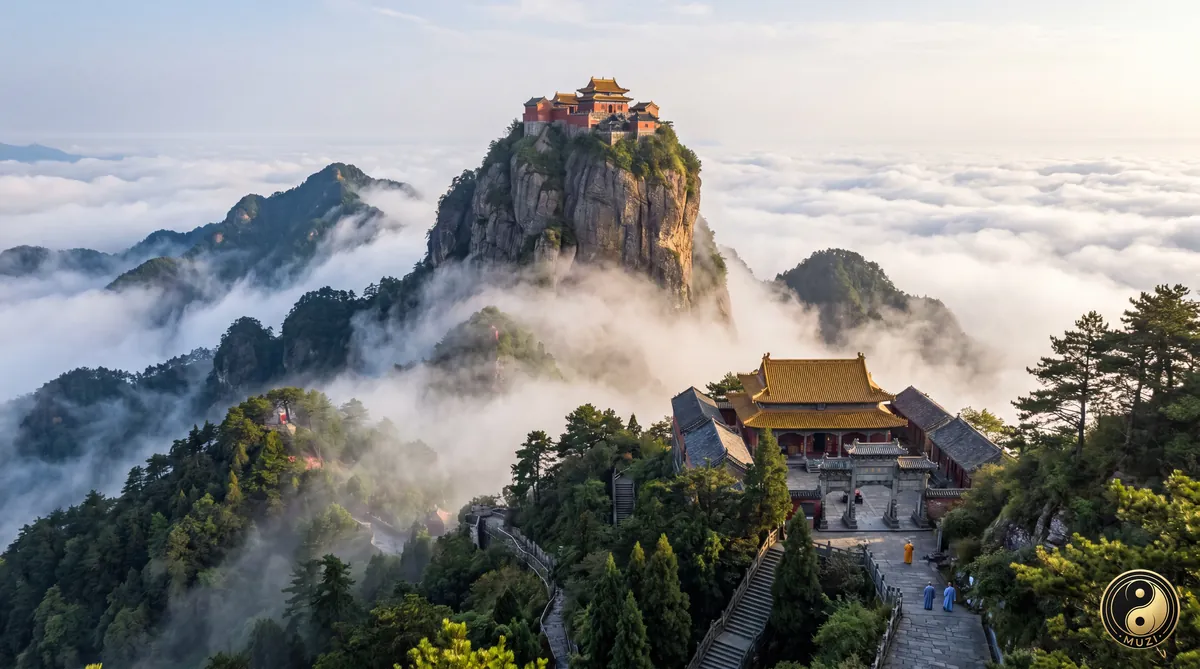
Mount Wudang, foremost of Daoist mountains — the Yongle Emperor dispatched hundreds of thousands to carve this proclamation of imperial legitimacy into heaven-defying cliffs, a royal faith spectacle.
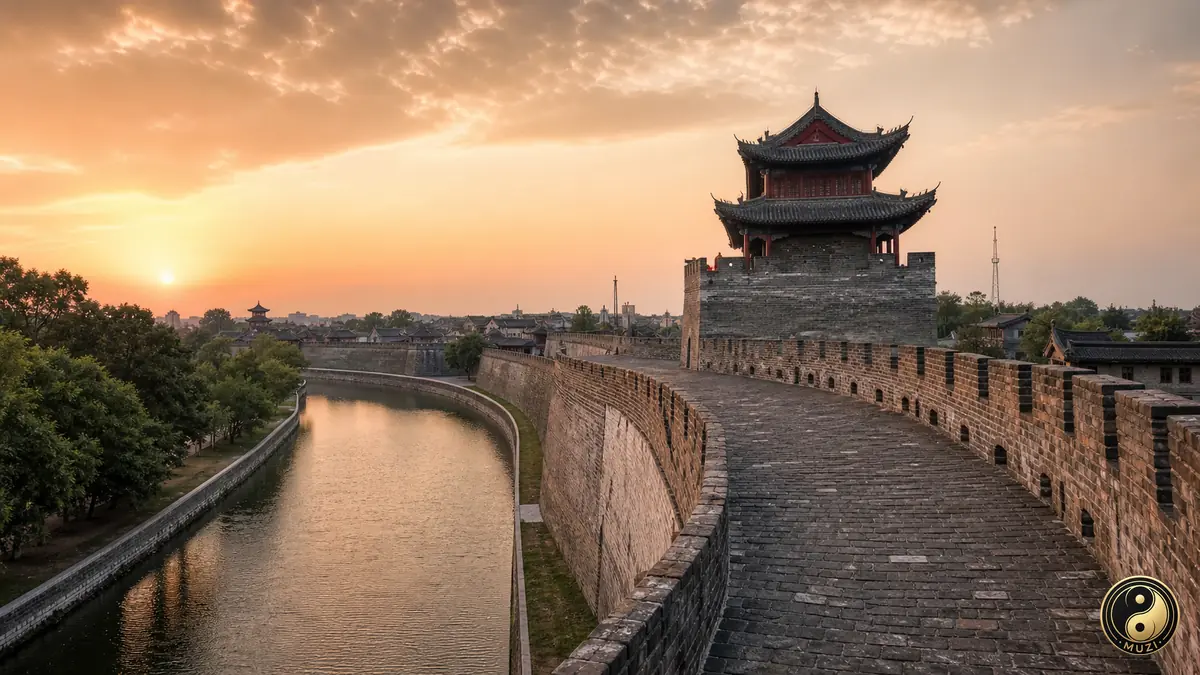
Jingzhou preserves Chu and Three Kingdoms heritage, with a Ming wall among the best-preserved city walls in the Jianghan region.