
 Atlas
Atlas Jingdezhen
 Yangzhou
 Wuzhen
 Suzhou
 Pingyao Ancient City
 Fenghuang Ancient Town
 Hongcun
 Xitang
 Langzhong Ancient City
 Shaxi Ancient Town
 Lijiang Ancient Town
 Kaiping Diaolou
 Jiufen
 Wudianshi
 Foshan
 Tunxi Old Street
 Zhouzhuang
 Xidi
Xidi Nanxun Ancient Town
 Dali Ancient City
 Huizhou Ancient City
 Zhenyuan Ancient City
 Zhujiajiao Ancient Town
 Wuyuan Ancient Town
 Huangyao Ancient Town
 Heshun Ancient Town
 Shuhe Ancient Town
 Ciqikou Ancient Town
 Mudu Ancient Town
 Luzhi Ancient Town
 Anchang Ancient Town
 Jinxi Ancient Town
 Furong Ancient Town
 Qingyan Ancient Town
 Yunshuiyao Ancient Town
 Gongtan Ancient Town
 Chikan Ancient Town
 Luodai Ancient Town
 Qiandeng Ancient Town
 Cicheng Ancient Town
 Qikou Ancient Town
 Hongjiang Ancient Commercial City
 Yaoli Ancient Town
 Qiantong Ancient Town
 Nianbadu Ancient Town
 Sanhe Ancient Town
 Zhangzhou Ancient City
 Guandu Ancient Town
 Lukang Old Street
 Tamsui Old Street
 Anping Old Street
 Huanglongxi Ancient Town
 Pingle Ancient Town
 Zhoucun Ancient Commercial City
 Taierzhuang Ancient City
 Qingzhou Ancient City
 Zhuxian Town
 Sheqi Ancient Town
 Zhengding Ancient City
 Shanhaiguan Ancient City
 Yangliuqing Ancient Town
 Tianshui Ancient City
 Jingzhou Ancient City
 Qingmuchuan Ancient Town












 JingdezhenYangzhouWuzhenSuzhouPingyao Ancient CityFenghuang Ancient TownHongcunXitangLangzhong Ancient CityShaxi Ancient TownLijiang Ancient TownKaiping DiaolouJiufenWudianshiFoshanTunxi Old StreetZhouzhuangXidiNanxun Ancient TownDali Ancient CityHuizhou Ancient CityZhenyuan Ancient CityZhujiajiao Ancient TownWuyuan Ancient TownHuangyao Ancient TownHeshun Ancient TownShuhe Ancient TownCiqikou Ancient TownMudu Ancient TownLuzhi Ancient TownAnchang Ancient TownJinxi Ancient TownFurong Ancient TownQingyan Ancient TownYunshuiyao Ancient TownGongtan Ancient TownChikan Ancient TownLuodai Ancient TownQiandeng Ancient TownCicheng Ancient TownQikou Ancient TownHongjiang Ancient Commercial CityYaoli Ancient TownQiantong Ancient TownNianbadu Ancient TownSanhe Ancient TownZhangzhou Ancient CityGuandu Ancient TownLukang Old StreetTamsui Old StreetAnping Old StreetHuanglongxi Ancient TownPingle Ancient TownZhoucun Ancient Commercial CityTaierzhuang Ancient CityQingzhou Ancient CityZhuxian TownSheqi Ancient TownZhengding Ancient CityShanhaiguan Ancient CityYangliuqing Ancient TownTianshui Ancient CityJingzhou Ancient CityQingmuchuan Ancient Town
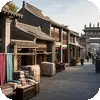
Zhoucun Ancient Commercial City
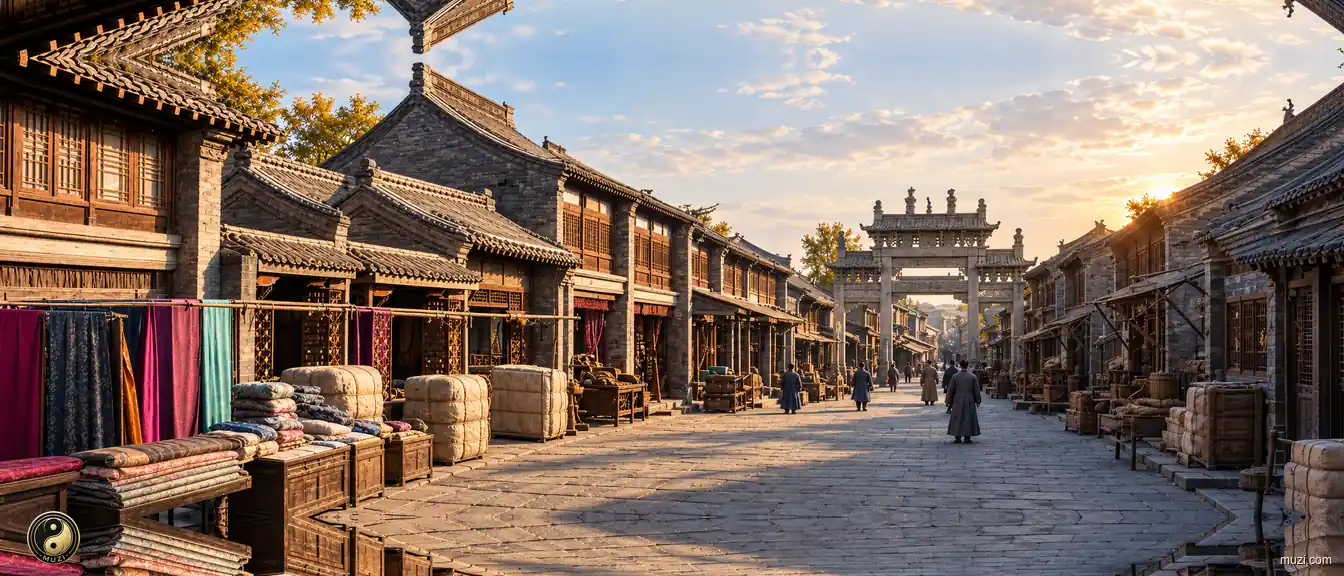
Known as 'No.1 village under heaven' and 'dry dock'; Ming-Qing era cradle of Lu merchants and northern silk distribution center; filming location for The Dyeing House and other TV dramas.
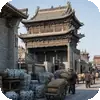
Pedestrians pass silk bolts and freight beneath Zhoucun’s stone gate on the old merchant street.
Bridge1

- Zhoucun Grand Street Ancient Commercial Area
Hailed as the first village under heaven, Zhoucun's grand street was among the busiest inland trading hubs of North China from the Ming to the Republic, dealing in silk, silver and cloth.
Architecture1

- Ruifuxiang Silk Shop Historic Site in Zhoucun
Meng Luochuan, a descendant of Mencius, founded the century-old Ruifuxiang brand here, an early Chinese firm known for pioneering chain-style business.
Temple1

- Thousand Buddha Pavilion & Guandi Temple in Zhoucun
Built in the Ming dynasty as an arcade-style gateway, this pavilion sets a double-eaved hall above a vaulted arch, where passing merchants prayed for wealth and safe travels.
Civic Building1

- Dadetong Draft Bank Site in Zhoucun
Zhoucun's sesame flatbread, thin as a poplar leaf and crisp and sweet, is a national intangible heritage craft presented at the old branch of the Shanxi merchant bank Dadetong.
Qing2

- Early-Qing Zhoucun Market-Tax TraditionEarly Qing, Shunzhi period (1644–1661)
Early-Qing Zhoucun accounts say that Li Huaxi assumed the market tax to protect the fair, making the “Today No Tax” stele part of the town's commercial memory.
- Ruifuxiang Expands to BeijingTongzhi to Guangxu eras (c. 1862-1893)
Ruifuxiang grew from the Meng family's Shandong commercial base; in 1893 it opened a Beijing branch, while Zhoucun preserves its early commercial traces.