
 Atlas
Atlas Jingdezhen
 Yangzhou
 Wuzhen
 Suzhou
 Pingyao Ancient City
 Fenghuang Ancient Town
 Hongcun
 Xitang
 Langzhong Ancient City
 Shaxi Ancient Town
 Lijiang Ancient Town
 Kaiping Diaolou
 Jiufen
 Wudianshi
 Foshan
 Tunxi Old Street
 Zhouzhuang
 Xidi
Xidi Nanxun Ancient Town
 Dali Ancient City
 Huizhou Ancient City
 Zhenyuan Ancient City
 Zhujiajiao Ancient Town
 Wuyuan Ancient Town
 Huangyao Ancient Town
 Heshun Ancient Town
 Shuhe Ancient Town
 Ciqikou Ancient Town
 Mudu Ancient Town
 Luzhi Ancient Town
 Anchang Ancient Town
 Jinxi Ancient Town
 Furong Ancient Town
 Qingyan Ancient Town
 Yunshuiyao Ancient Town
 Gongtan Ancient Town
 Chikan Ancient Town
 Luodai Ancient Town
 Qiandeng Ancient Town
 Cicheng Ancient Town
 Qikou Ancient Town
 Hongjiang Ancient Commercial City
 Yaoli Ancient Town
 Qiantong Ancient Town
 Nianbadu Ancient Town
 Sanhe Ancient Town
 Zhangzhou Ancient City
 Guandu Ancient Town
 Lukang Old Street
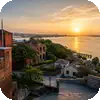 Tamsui Old Street
 Anping Old Street
 Huanglongxi Ancient Town
 Pingle Ancient Town
 Zhoucun Ancient Commercial City
 Taierzhuang Ancient City
 Qingzhou Ancient City
 Zhuxian Town
 Sheqi Ancient Town
 Zhengding Ancient City
 Shanhaiguan Ancient City
 Yangliuqing Ancient Town
 Tianshui Ancient City
 Jingzhou Ancient City
 Qingmuchuan Ancient Town















 JingdezhenYangzhouWuzhenSuzhouPingyao Ancient CityFenghuang Ancient TownHongcunXitangLangzhong Ancient CityShaxi Ancient TownLijiang Ancient TownKaiping DiaolouJiufenWudianshiFoshanTunxi Old StreetZhouzhuangXidiNanxun Ancient TownDali Ancient CityHuizhou Ancient CityZhenyuan Ancient CityZhujiajiao Ancient TownWuyuan Ancient TownHuangyao Ancient TownHeshun Ancient TownShuhe Ancient TownCiqikou Ancient TownMudu Ancient TownLuzhi Ancient TownAnchang Ancient TownJinxi Ancient TownFurong Ancient TownQingyan Ancient TownYunshuiyao Ancient TownGongtan Ancient TownChikan Ancient TownLuodai Ancient TownQiandeng Ancient TownCicheng Ancient TownQikou Ancient TownHongjiang Ancient Commercial CityYaoli Ancient TownQiantong Ancient TownNianbadu Ancient TownSanhe Ancient TownZhangzhou Ancient CityGuandu Ancient TownLukang Old StreetTamsui Old StreetAnping Old StreetHuanglongxi Ancient TownPingle Ancient TownZhoucun Ancient Commercial CityTaierzhuang Ancient CityQingzhou Ancient CityZhuxian TownSheqi Ancient TownZhengding Ancient CityShanhaiguan Ancient CityYangliuqing Ancient TownTianshui Ancient CityJingzhou Ancient CityQingmuchuan Ancient Town
Tamsui Old Street
Port town at the mouth of the Tamsui River; Fort Santo Domingo and consulate buildings tell the story of modern Taiwan's international trade; Dr. George Mackay preached and practiced medicine here.
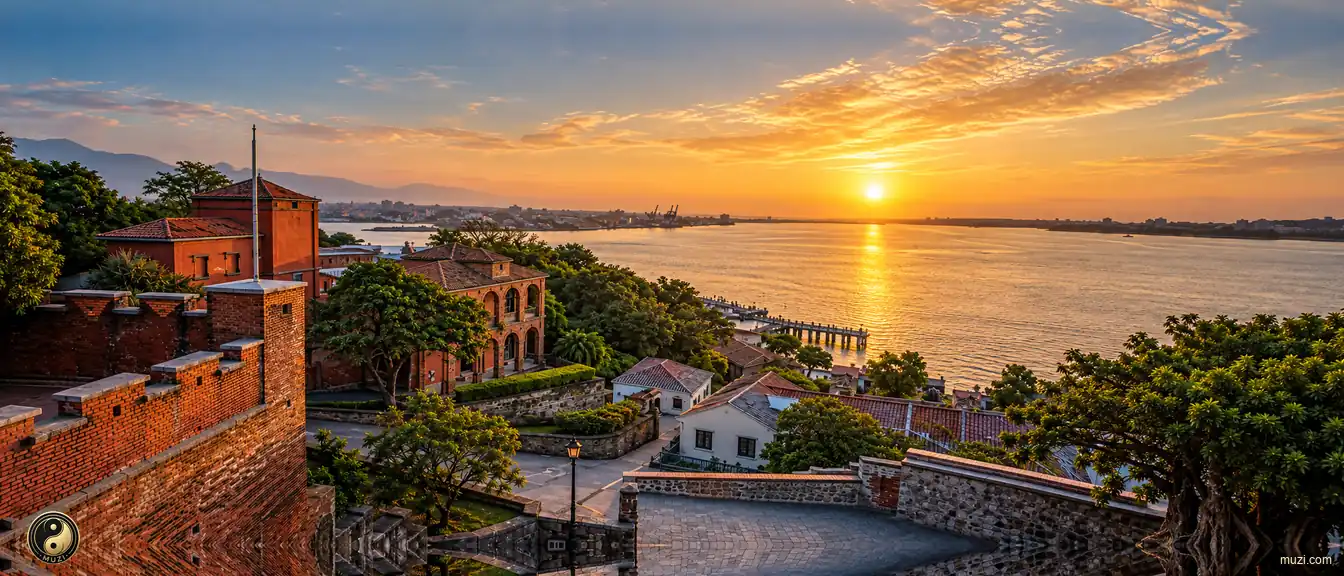
Fort San Domingo overlooks Tamsui’s hillside homes, old pier, and sunset over the river estuary.
Residence1

- Fort San Domingo & British Consulate in Tamsui
First built by the Spanish in 1629 and rebuilt by the Dutch, Fort San Domingo has witnessed three centuries of coastal defense and foreign affairs in Taiwan.
Bridge1

- Tamsui Customs Wharf & Red Castle
The customs wharf opened to trade in the Xianfeng reign keeps its red-brick warehouses, while the Red Castle blends Chinese and Western styles above the river mouth at sunset.
Temple1

- Tamsui Fuyou Temple
Tamsui's earliest Mazu temple dates from the Qianlong reign, and the busy old wharf before it gave rise to the shopping street of Zhongzheng Road.
Gate & Wall1

- Tamsui Old Street Promenade
Running along the Tamsui River, this lively street offers iron eggs, stuffed tofu agei, fish crisps and the bustle of the ferry pier.
In its history2
- Yixin1833 CE–1898 CE
Part of Tamsui Old Street's history: Second Opium War. Qing prince, sixth son of the Daoguang emperor, who negotiated with Britain and France in 1860 and headed the new foreign affairs office, the Zongli Yamen, for over twenty years
- Xianfeng Emperor1831 CE–1861 CE
Part of Tamsui Old Street's history: Second Opium War. Qing emperor of the Xianfeng reign, who faced the Taiping war and the Second Opium War and died at Chengde after fleeing the Anglo-French advance on Beijing
Ming1

- Spanish Construction of Fort San Domingo1629 CE - 1644 CE
Spain built Fort San Domingo at Tamsui in 1629; after expelling Spain in 1642, the Dutch rebuilt the fort in 1644.
Qing2

- Second Opium War
From 1856 to 1860, Britain and France fought Qing China in a conflict rooted in post–First Opium War treaty disputes, ending in another Qing defeat.
- Tamsui Opens as Treaty Port1860 CE
In 1860, the Qing opened Tamsui as a treaty port under the Treaty of Peking, beginning its modern treaty-port history.