














 Mountains
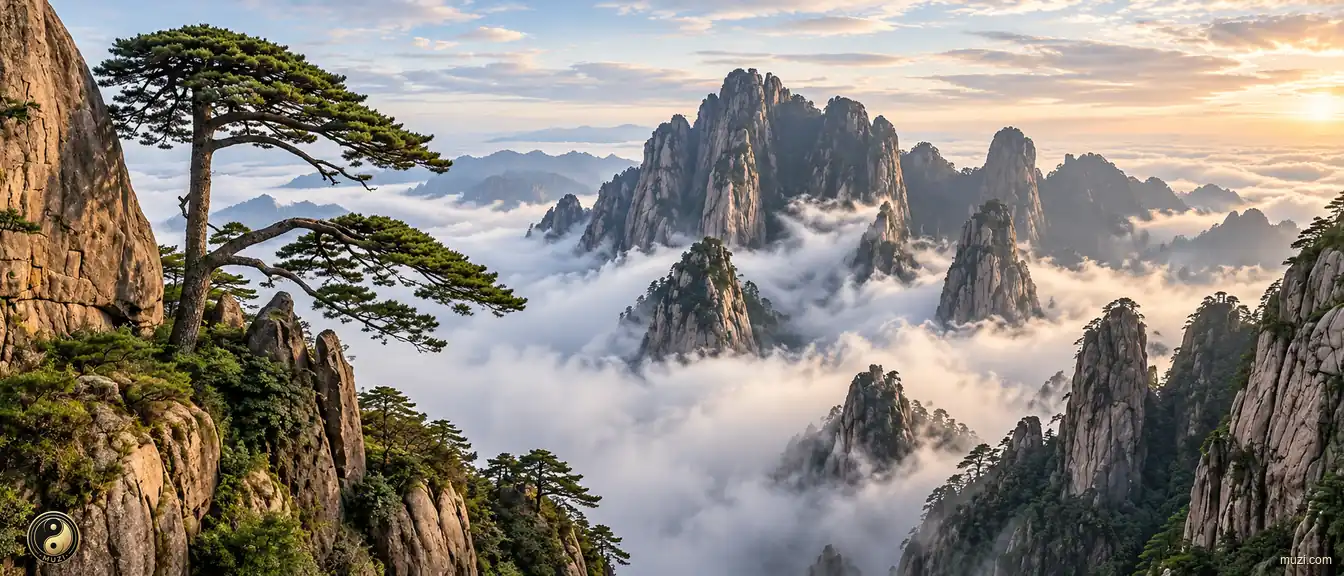
Yellow Mountain
Famed for its peculiar pines, grotesque rocks, sea of clouds, and hot springs — the aesthetic matrix and inspiration wellspring of Chinese landscape painting.
 MUZIChinese Matrix
Mountain ranges and massifs define the relief, climate, habitats, and horizons of an expansive landscape.

Mountain ranges and massifs define the relief, climate, habitats, and horizons of an expansive landscape.

Basins gather mountains, rivers, settlements, and routes within a shared geographic bowl.

Plains open broad, level ground where rivers, soils, settlements, and cultivation can extend across wide horizons.

Plateaus rise as broad elevated lands, joining distinctive climates, grasslands, watersheds, and highland ways of life.

Rivers trace the land’s living arteries, linking headwaters, valleys, floodplains, and the communities shaped by flowing water.

Lakes gather water into enduring basins, shaping shorelines, wetlands, local climates, and the life around their shores.

Gorges compress rivers, cliffs, habitats, and routes into dramatic corridors carved through resistant terrain.

Deserts are arid landscapes where wind, stone, sand, sparse water, and resilient life define the regional character.

Forests weave trees, soils, water, wildlife, and layered habitats into a living ecological landscape.

Grasslands stretch across open country, where seasonal water, grazing, wind, and wildlife shape a mobile living landscape.

Wetlands hold water between land and aquatic worlds, supporting migratory routes, nurseries, flood storage, and rich habitats.

Saltwater forests where tidal roots shelter the living edge of land and sea.

Danxia terrain links red sandstone relief with forests, streams, and living mountain habitats.

Mountain passes turn difficult relief into traversable gateways, guiding movement, exchange, and the history of connected regions.

Civil works reshape terrain through canals, walls, roads, irrigation, and other engineered systems that organize movement and water.

Bridges link separated shores and landscapes, becoming infrastructure systems that carry movement, exchange, and shared regional life.

Regional corridors connect diverse terrains and communities through routes of movement, exchange, and shared geographic identity.

Harbors are sheltered waters where coastlines, shipping routes, working waterfronts, and urban exchange meet.

Islands are landforms set apart by water, carrying distinctive coastlines, ecosystems, settlements, and connections across the sea.

Coastal regions bring land, sea, estuaries, islands, and shore-based communities into one connected geographic system.

Historic cities preserve urban fabrics where streets, buildings, memories, and living communities carry accumulated history.

Historical villages and towns retain vernacular streets, local lifeways, and built landscapes shaped through generations.

Historic sites anchor a place in tangible remains, archaeological traces, and memories of events or communities.

Imperial tombs combine funerary landscapes, ceremonial architecture, burial grounds, and dynastic memory at territorial scale.

Temples are living sacred complexes where worship, architecture, landscape, and community traditions meet.

Grottoes unite carved stone spaces, sacred images, geology, and artistic traditions within a monumental cultural landscape.

Churches are active sacred buildings and complexes where worship, architecture, community life, and local history remain intertwined.

Ceremonial sites give collective rites a physical setting, joining sacred practice, public memory, and designed space.
Mountains
Famed for its peculiar pines, grotesque rocks, sea of clouds, and hot springs — the aesthetic matrix and inspiration wellspring of Chinese landscape painting.
 Mountains
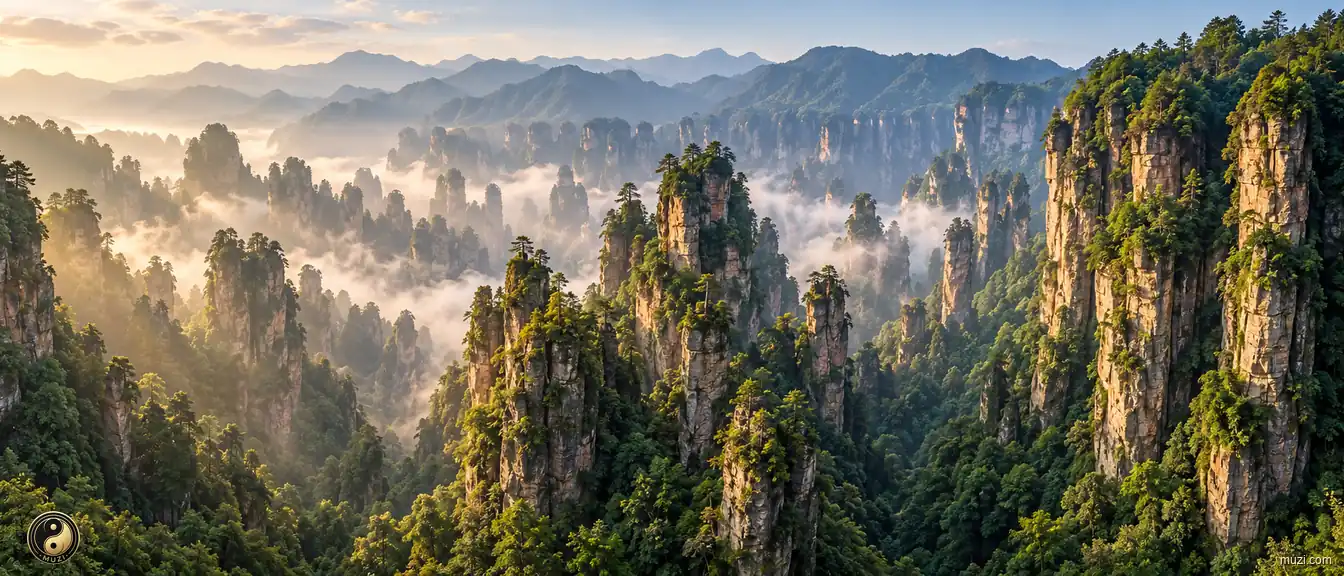
Three thousand sandstone pillars rising like celestial armies — the real-life prototype for the floating Hallelujah Mountains of Avatar.
 Mountains
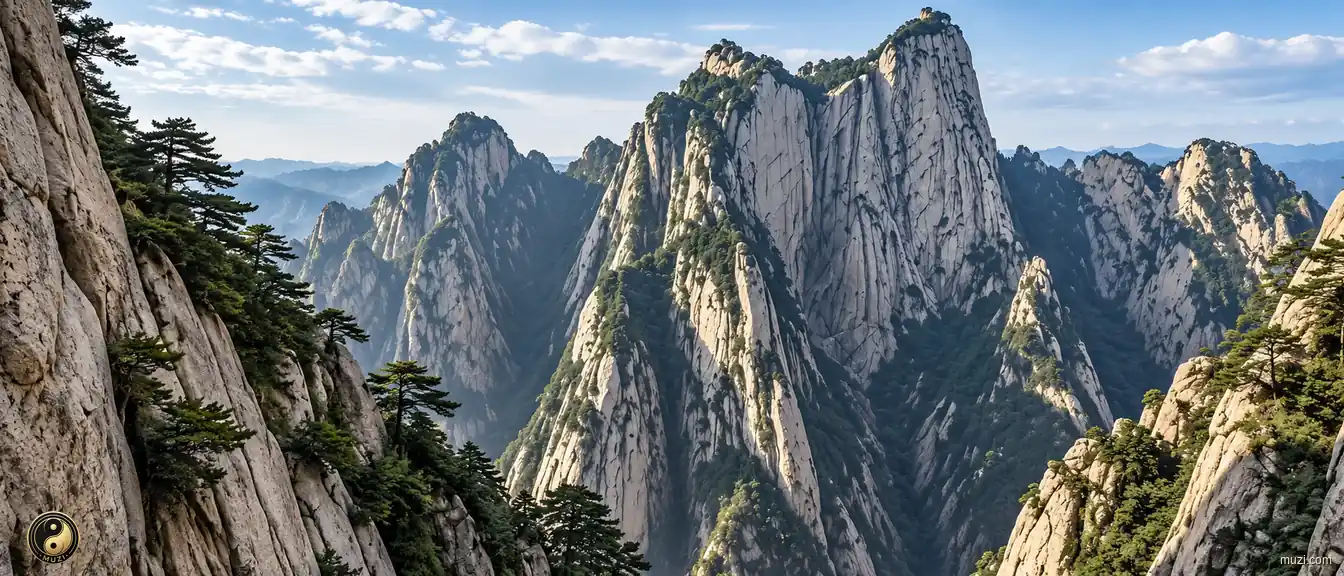
The most precipitous mountain under heaven — a single knife-edged ridge, one path up since antiquity, daring climbers to this day.
 Mountains
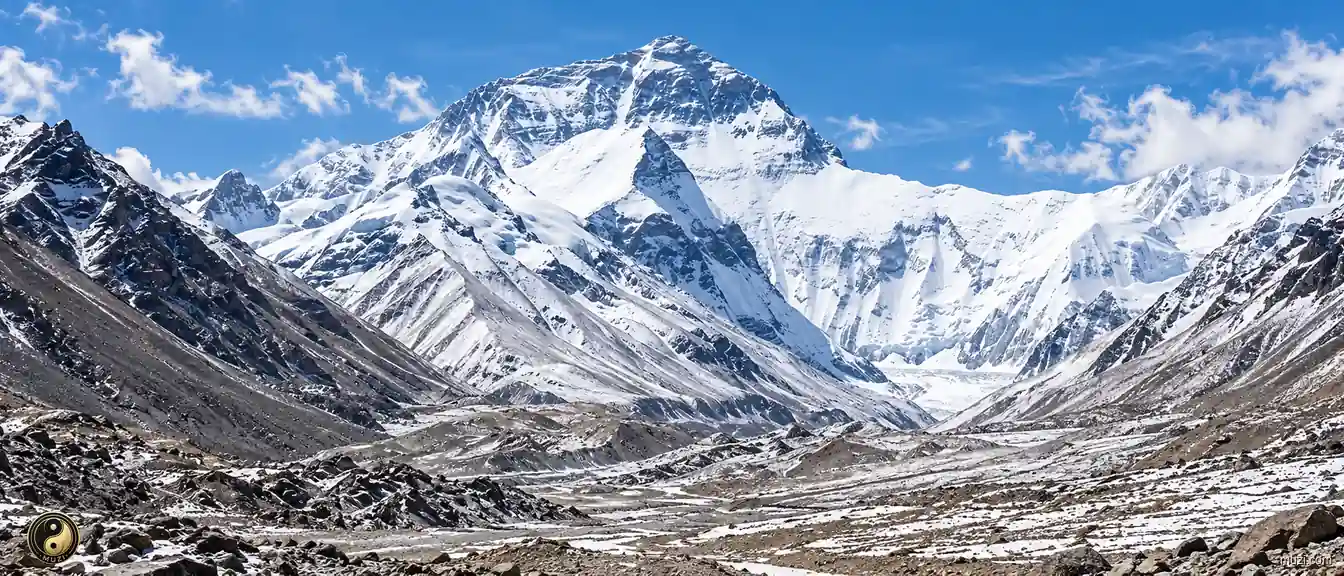
The Third Pole of Earth, the rooftop of the world — the ultimate product of plate collision, the backbone of Asia and a sky-high defensive line that never falls.
 Mountains
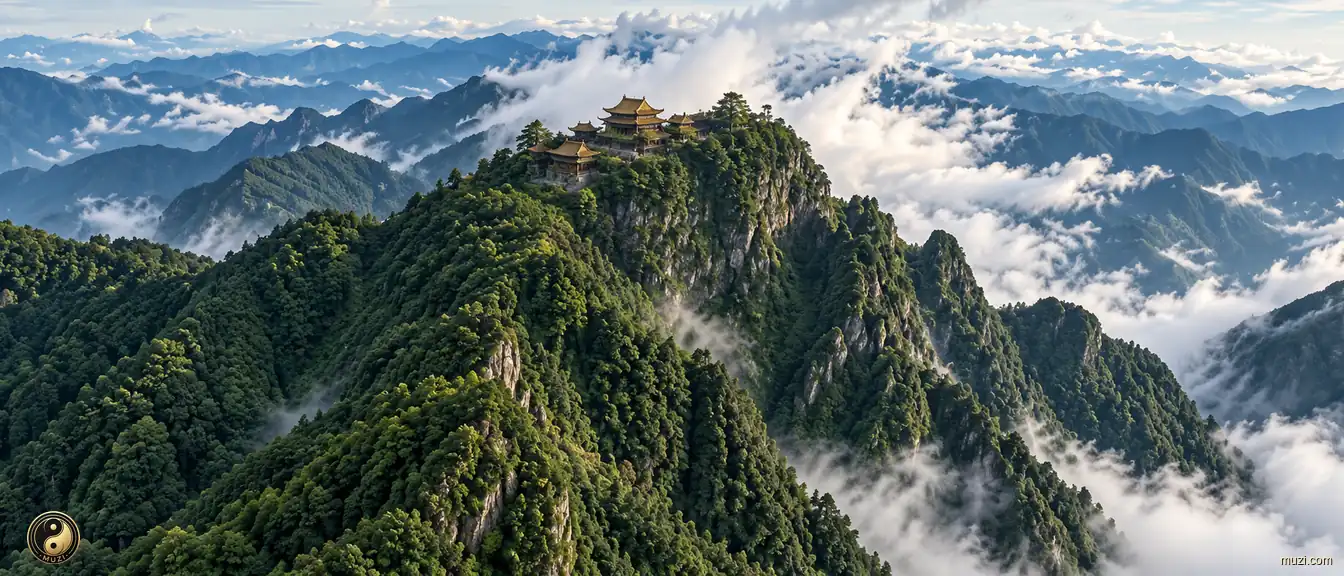
Golden summit Buddha's light reflected in a sea of clouds — a vertical cliff soaring three thousand meters, four seasons in one mountain, ten landscapes in ten miles.
 Mountains
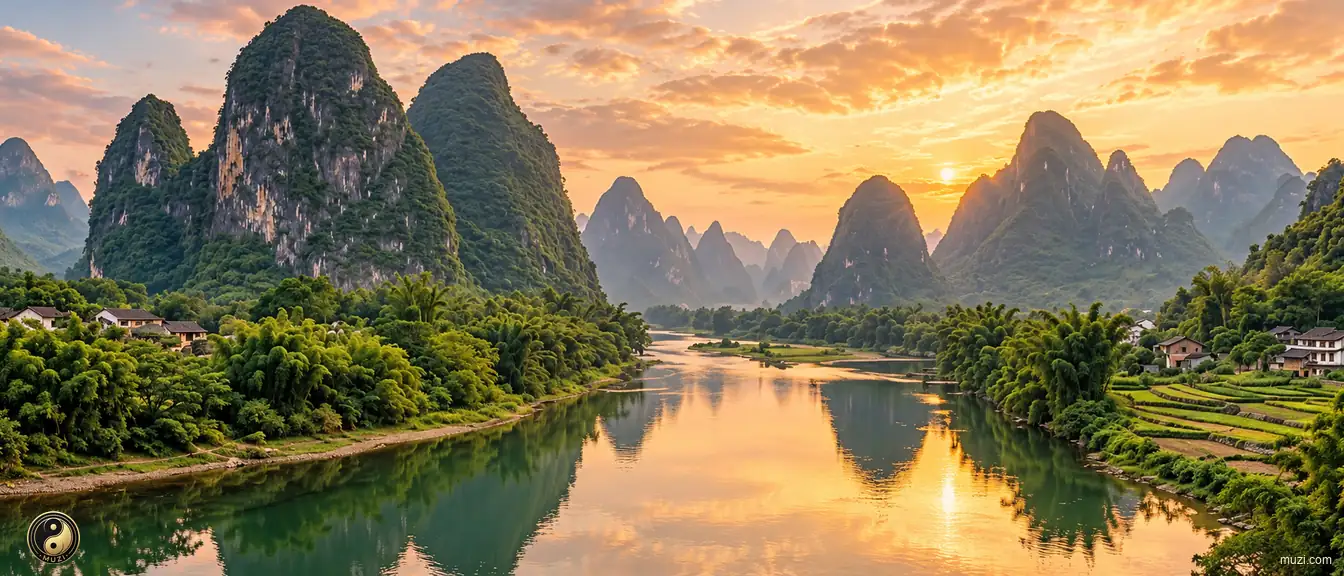
Karst peaks and the Li River make Guilin a classic Chinese ink-wash landscape.
 Mountains
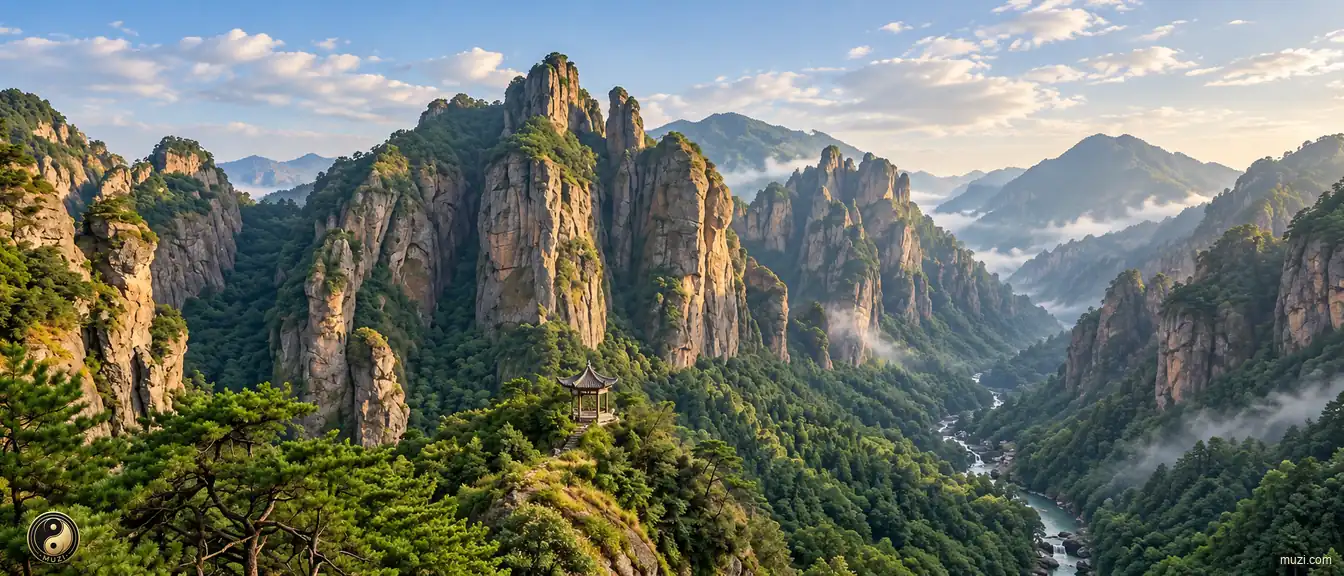
The premier mountain of the southeast — its rhyolite cliffs cut like knife and axe, breaking Jiangnan's gentle aesthetics with hard geometric lines.
 Mountains
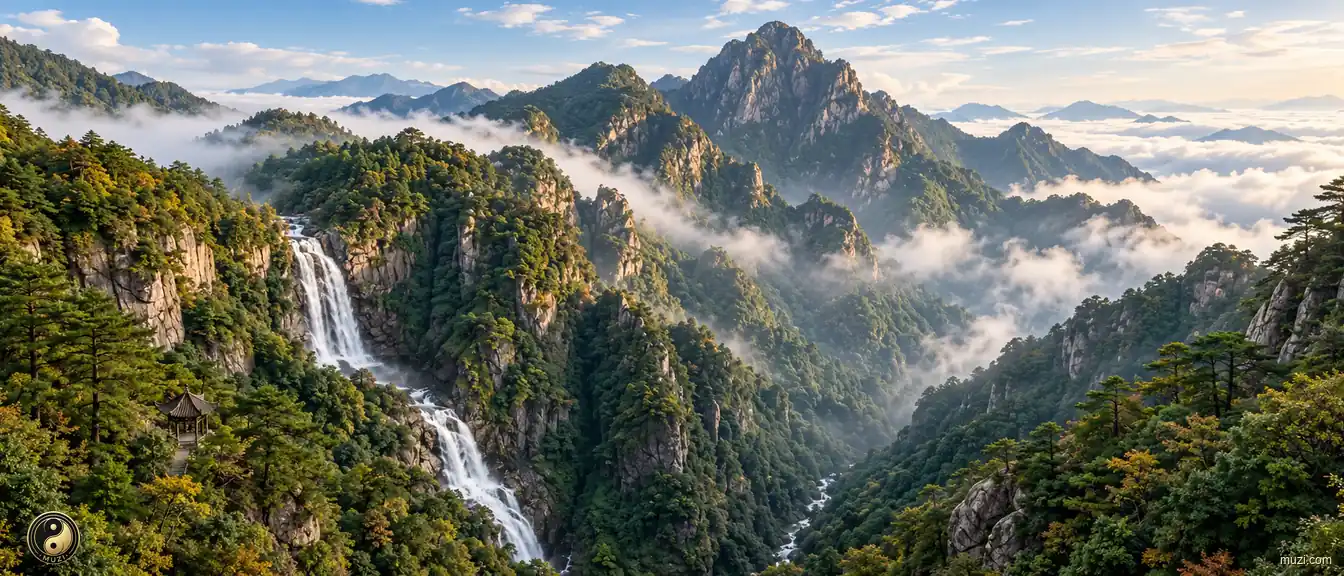
A cultural mountain of matchless beauty — waterfalls, drifting clouds, swirling mist, where four thousand poems and essays were left by generations of literati.
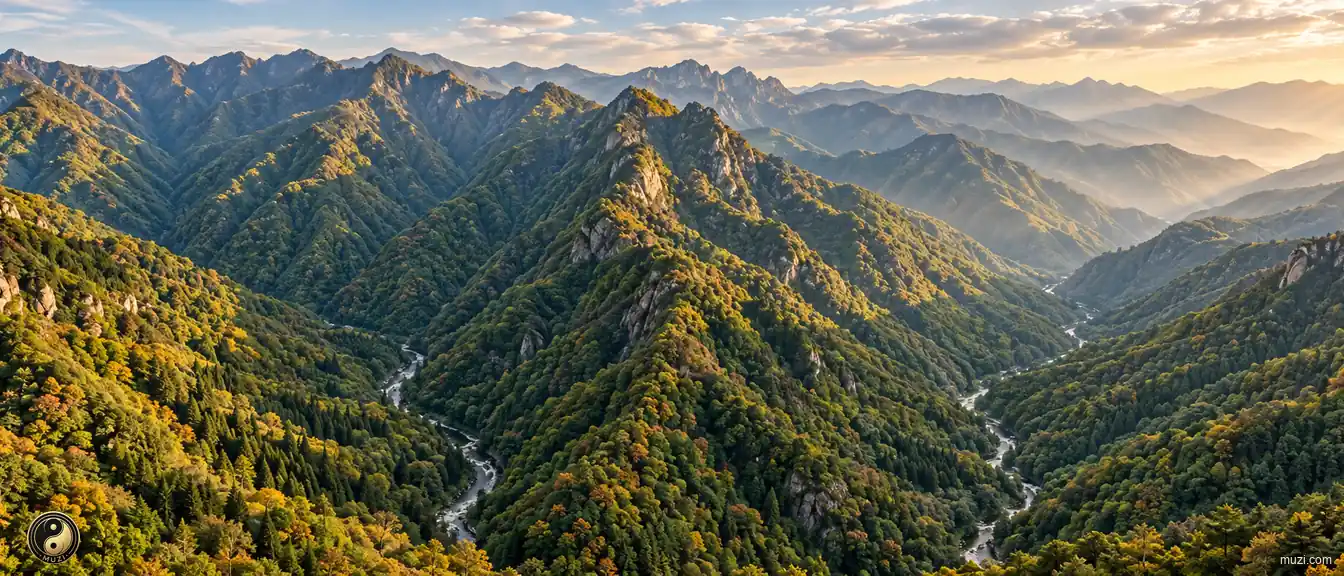 Mountains
The Qinling runs east to west as a natural climate and species divide between northern and southern ecosystems, with a long role in Chinese civilization.
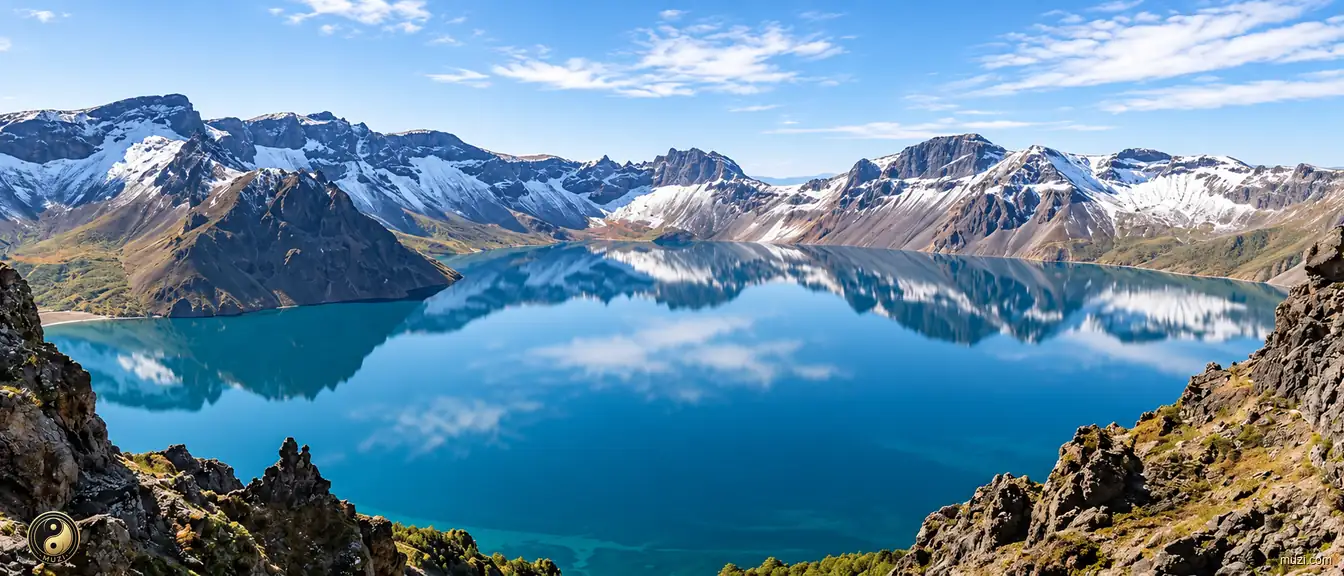 Mountains
The highest volcano in Northeast Asia — Heaven Lake resting quietly at the summit, one mountain straddling three nations, sacred to both Manchu and Korean peoples.
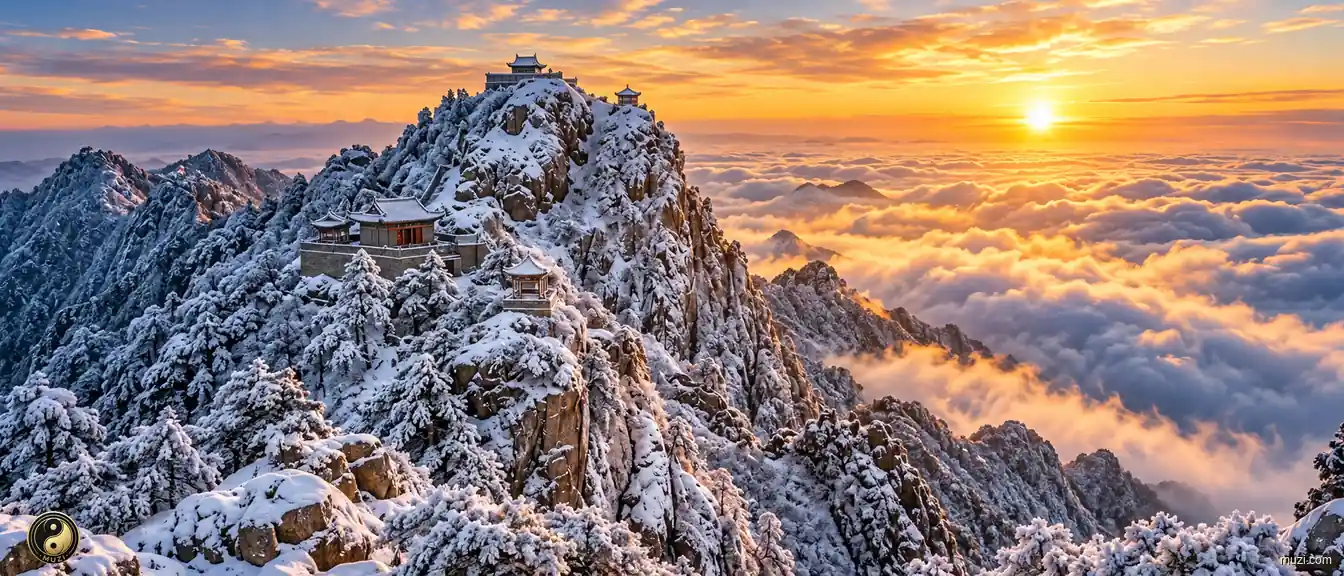 Mountains
Foremost of the Five Sacred Peaks, where emperors performed the Fengshan rites — rising abruptly from the North China Plain, symbolizing dynastic stability and legitimacy.
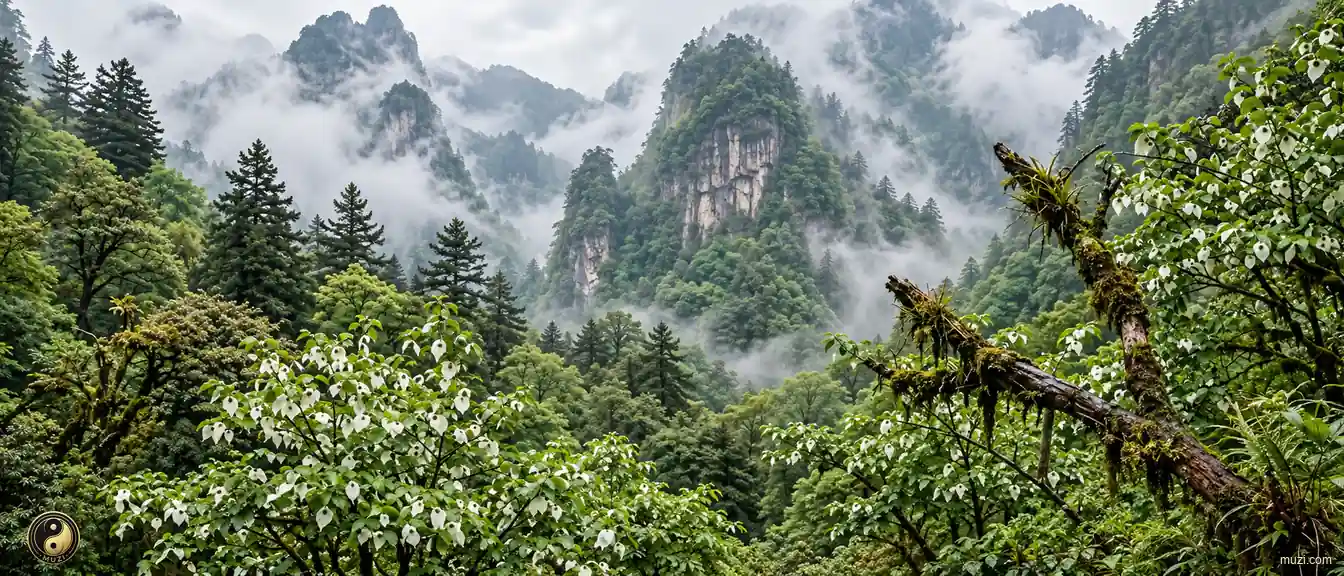 Mountains
The roof of central China, a mysterious realm on the thirtieth parallel north — rumored home of the Wild Man, a primeval forest preserving vast numbers of ancient relict plants.
 Mountains
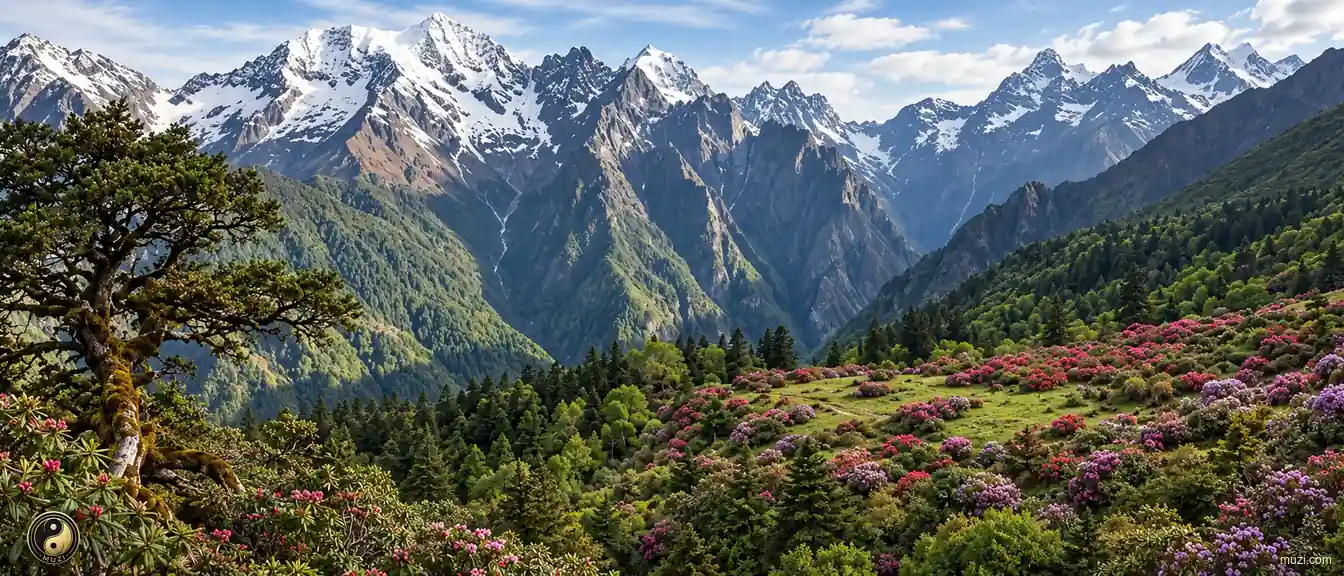
Several thousand meters of vertical drop compress tropical to frigid ecosystems onto a single mountain — an ultimate three-dimensional ecological corridor where one mountain holds all four seasons.
 Mountains
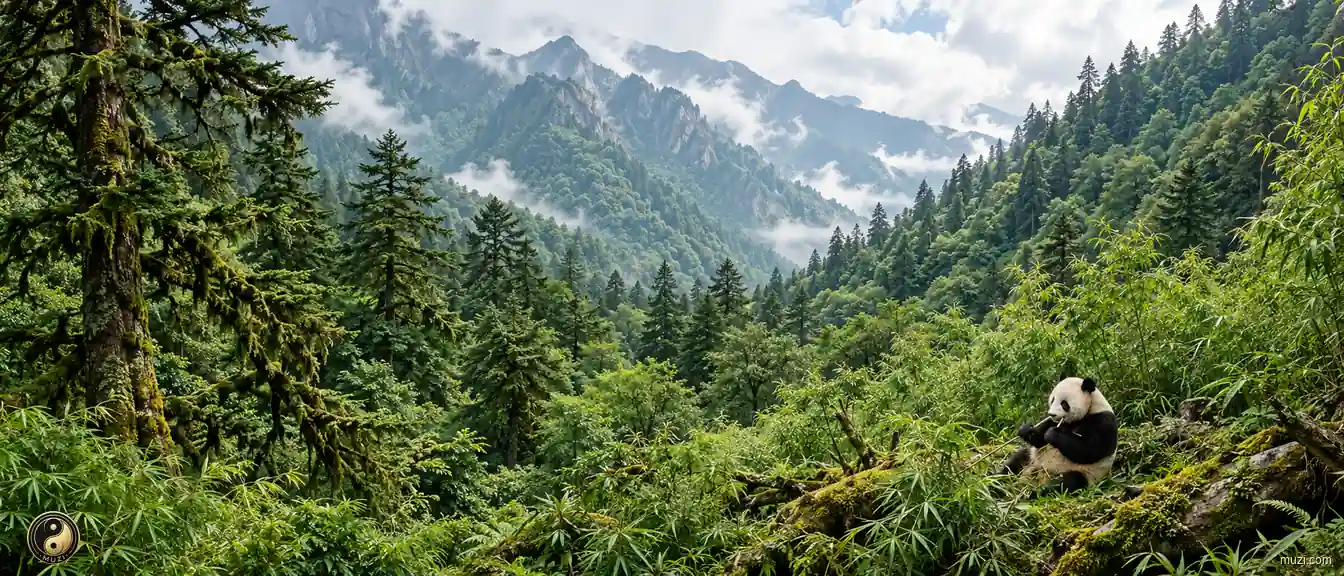
The last home of the giant panda — the bamboo forests of the Min and Qionglai ranges provide the ultimate refuge for this low-metabolic-rate marvel of evolution.
 Mountains
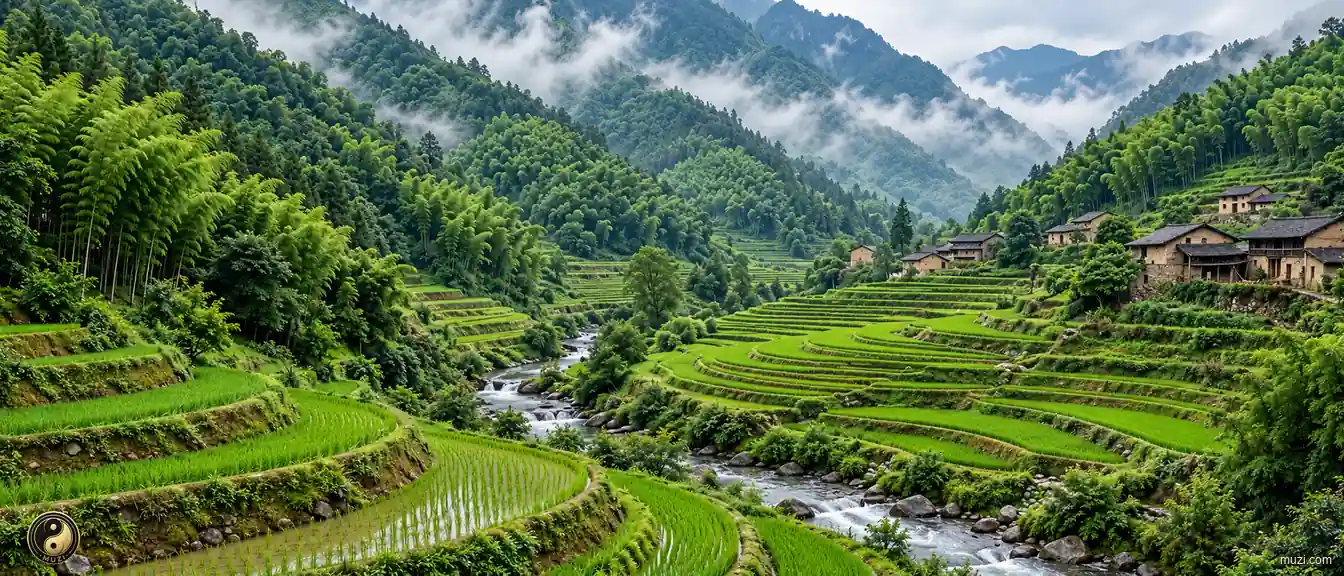
Terraced fields and streams weave a network on the southern slopes of Qinling — where the last wild crested ibis was rediscovered, scripting a miracle of species resurrection from the brink of extinction.
 Mountains
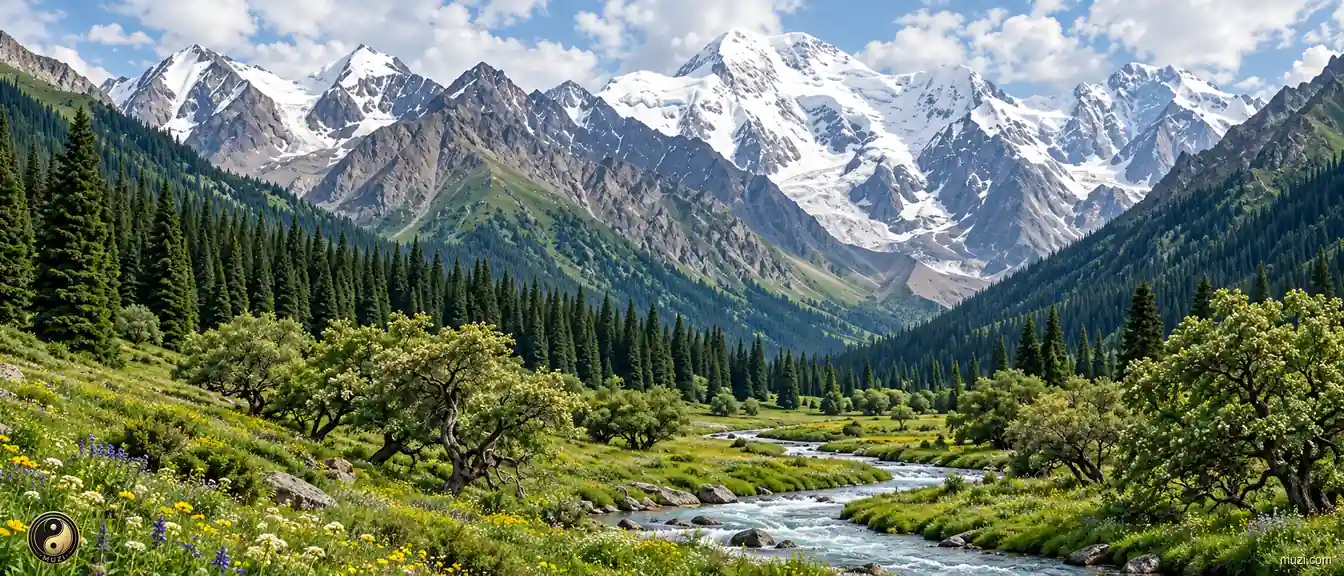
Deep in the arid continental interior, a miracle of spruce forests clings to mountain slopes thousands of kilometers from any ocean — a high-altitude green reservoir suspended in the desert.
 Mountains
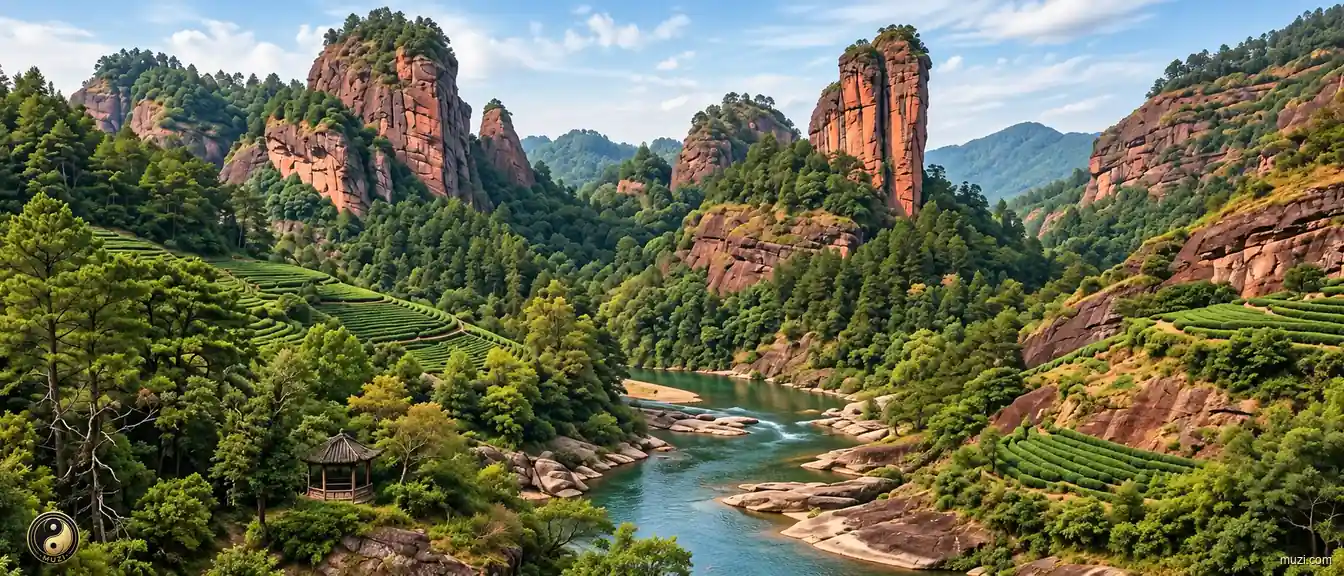
The birthplace of black tea and oolong — the Danxia microclimate and mineral-saturated soil of the authentic rock-tea zone perfectly transcode geology into the world's finest tea aromas.
 Passes
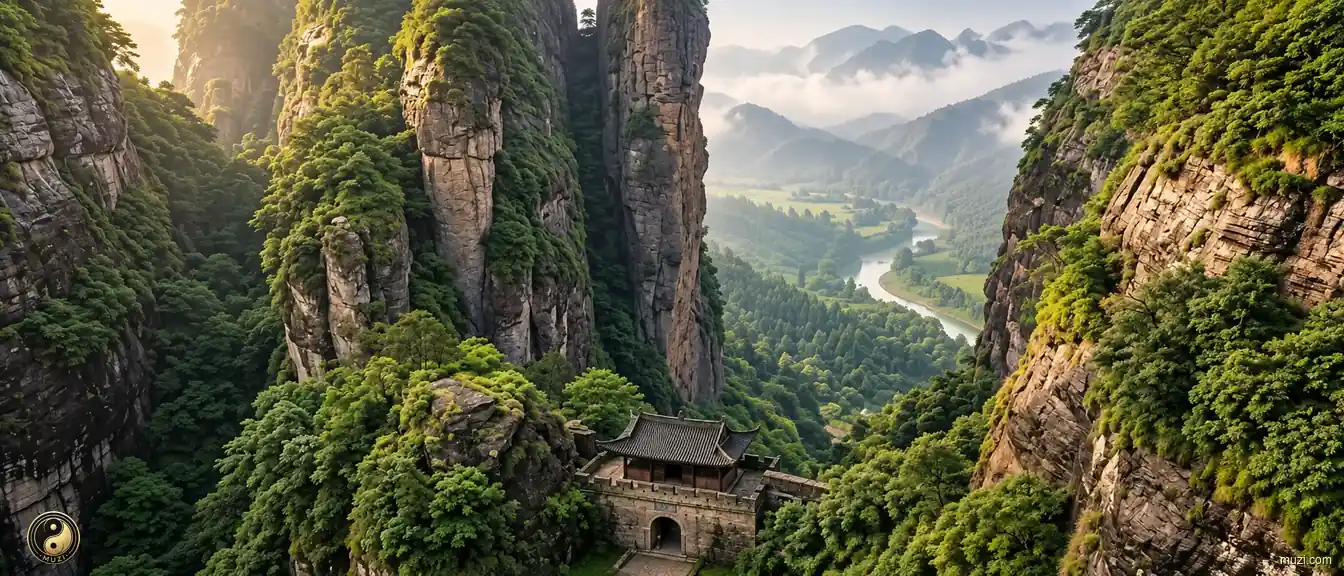
Seventy-two peaks standing like blades in confrontation where the Daba Mountains fractured — the only passage into Shu, nature's security black-box for separatist regimes.
 Passes
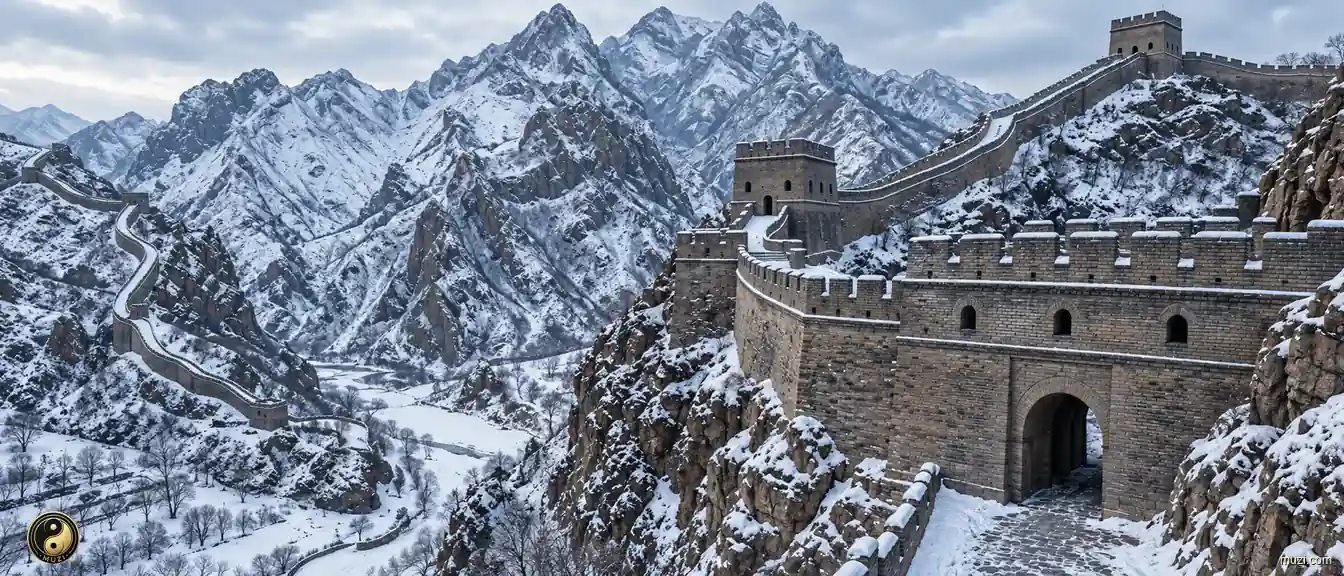
The perilous pass in the Heng Mountains — for millennia, one of the core defense lines where agrarian civilization withstood the high-intensity shock of northern nomadic cavalry.
 Regional Corridor
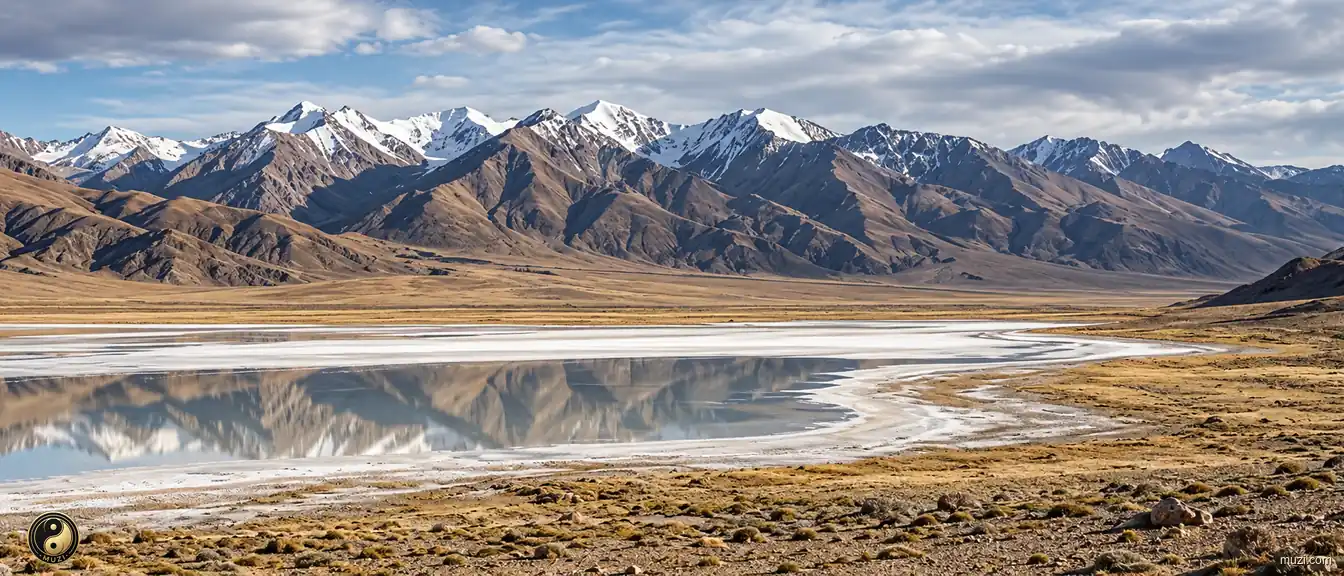
The hyper-enclosed uninhabited zone at the junction of the Kunlun and Qilian ranges — extreme altitudinal isolation creating a forbidden zone of life and the ultimate backup vault for Tibetan antelope and wild yak.
 Regional Corridor
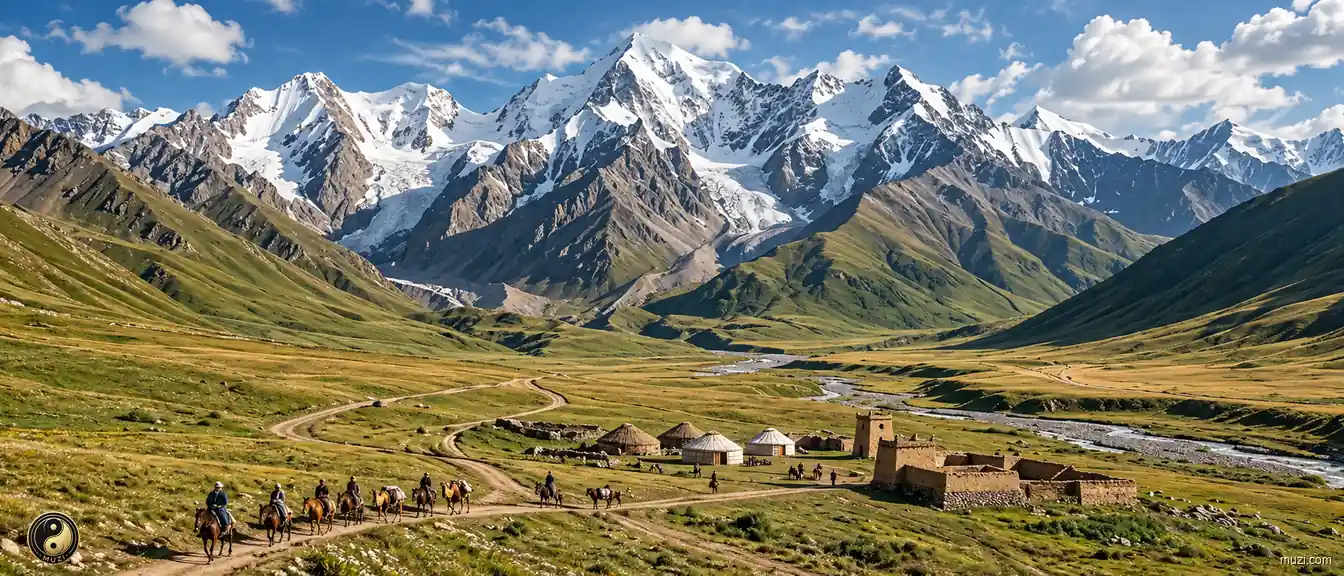
A high-altitude glacier belt straddling the south side of the Hexi Corridor — its endless frozen reservoir drip-irrigating the entire lifeline of the Silk Road.
 Regional Corridor
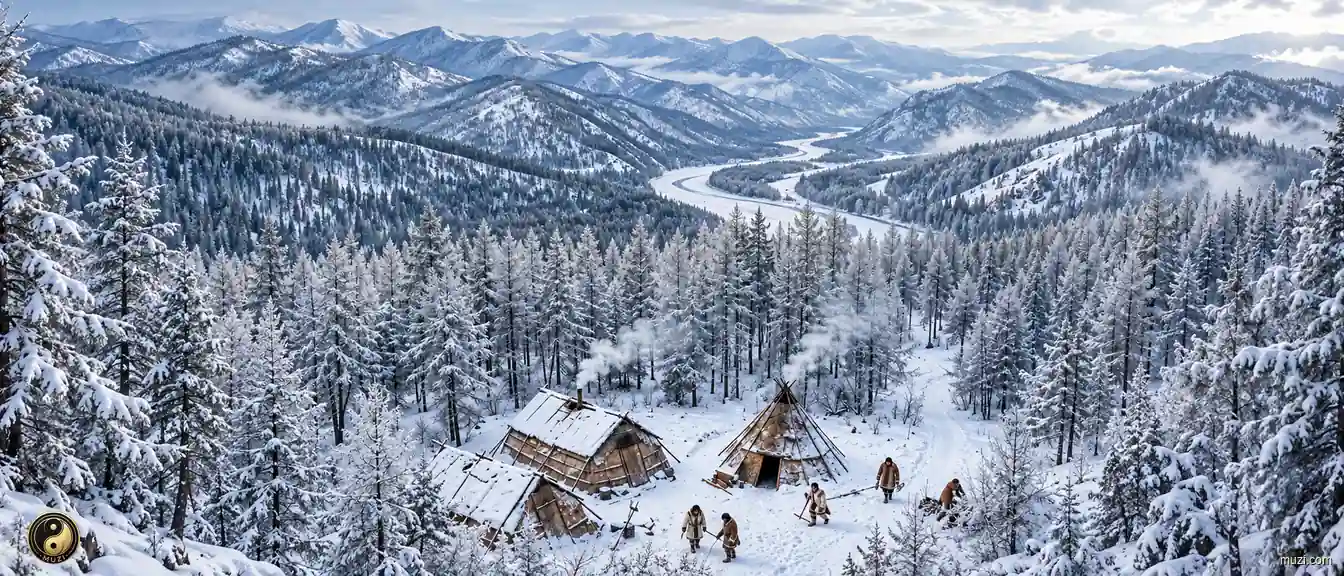
The steep ecological fault where taiga forest transitions abruptly to arid Mongolian steppe — the evolutionary cradle from which northern nomadic, hunting, and fishing peoples emerged from the forest onto the grassland to begin their conquest of the Central Plains.
 Mountains
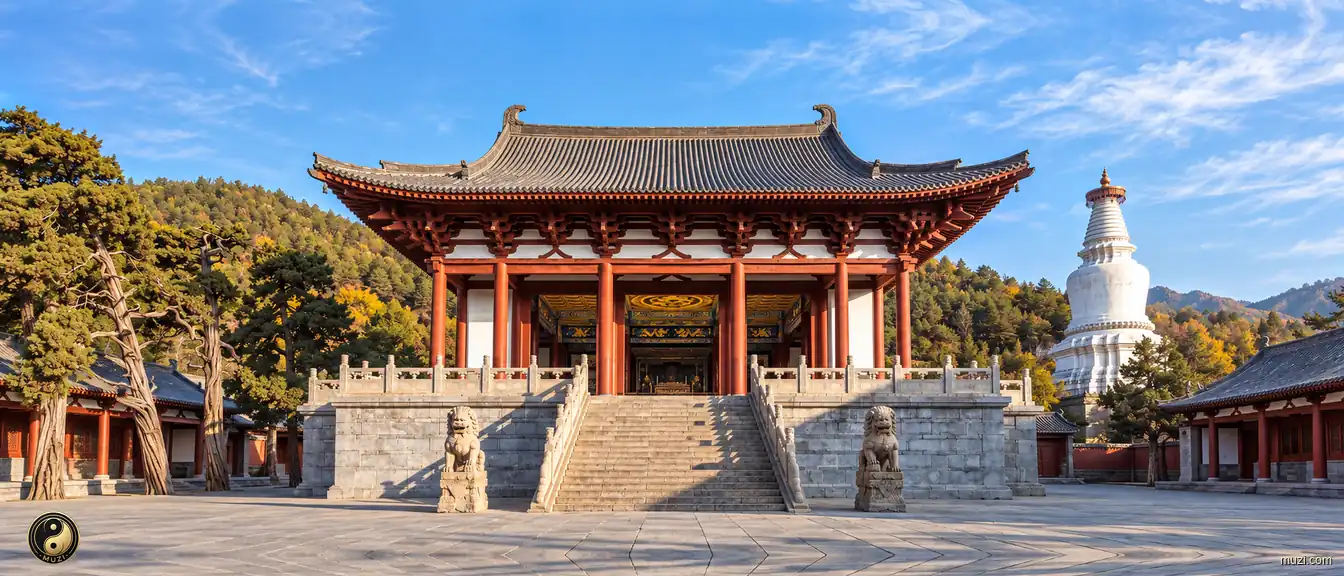
Mount Wutai, the bodhimanda of Manjusri — where Han, Tibetan, and Mongolian Buddhism converge, a vast ancient architectural complex built by successive dynasties through imperial patronage.
 Mountains
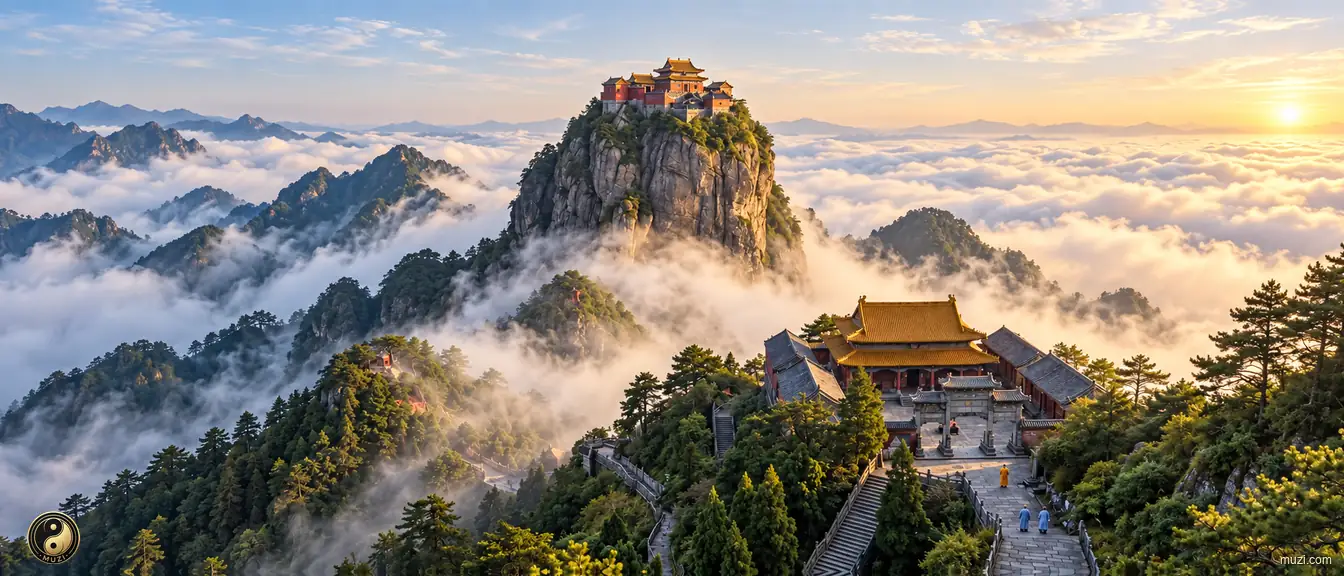
Mount Wudang, foremost of Daoist mountains — the Yongle Emperor dispatched hundreds of thousands to carve this proclamation of imperial legitimacy into heaven-defying cliffs, a royal faith spectacle.
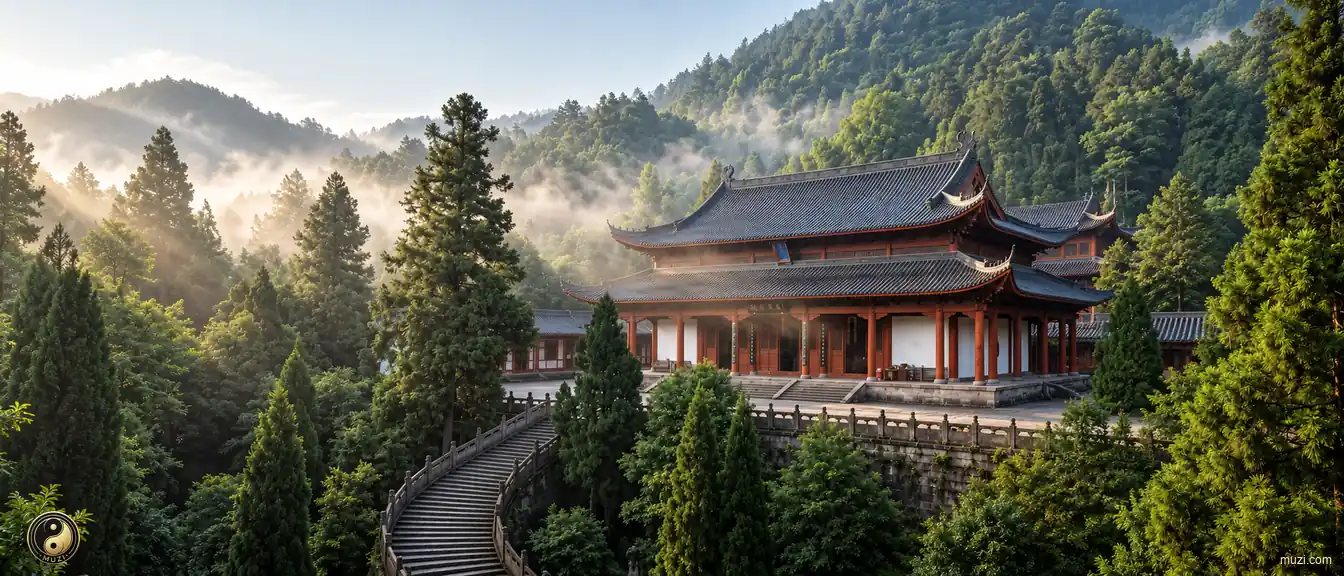 Mountains
Qingcheng, the most tranquil place under heaven — one of Daoism's birthplaces, where temples dissolve seamlessly into primeval forest, pursuing zero-impedance harmony with the natural world.
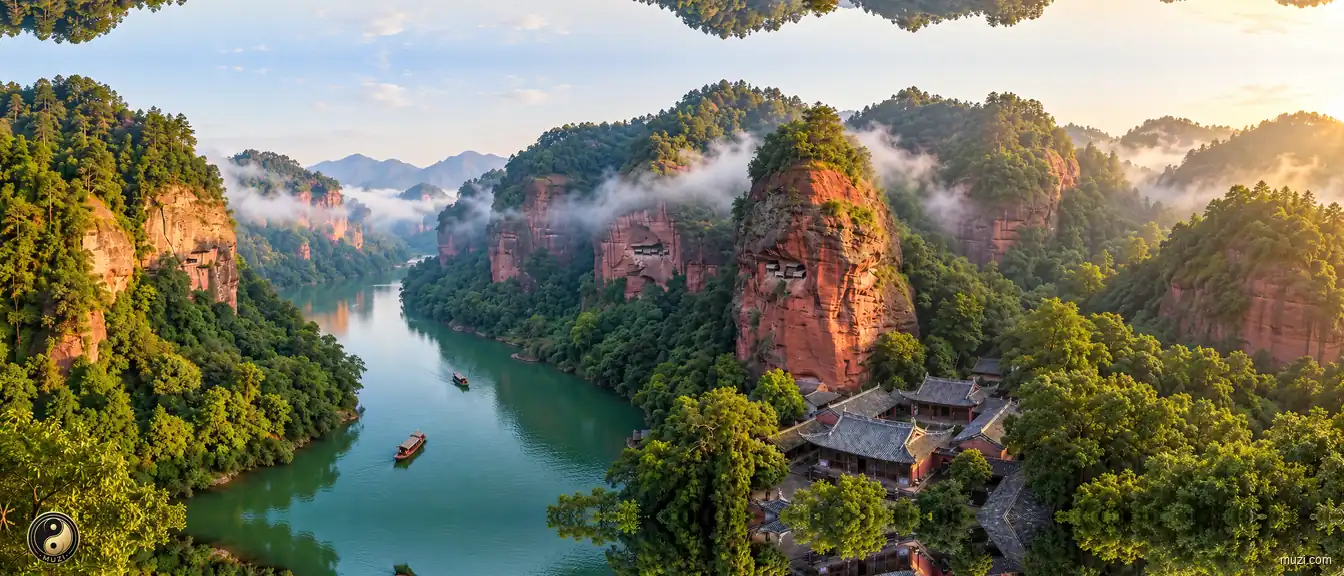 Mountains
Mount Longhu, the ancestral seat of Zhengyi Daoism — Danxia pictographic peaks, thousand-year hanging coffins, and talismanic ritual codes converge in the South's esoteric faith center.
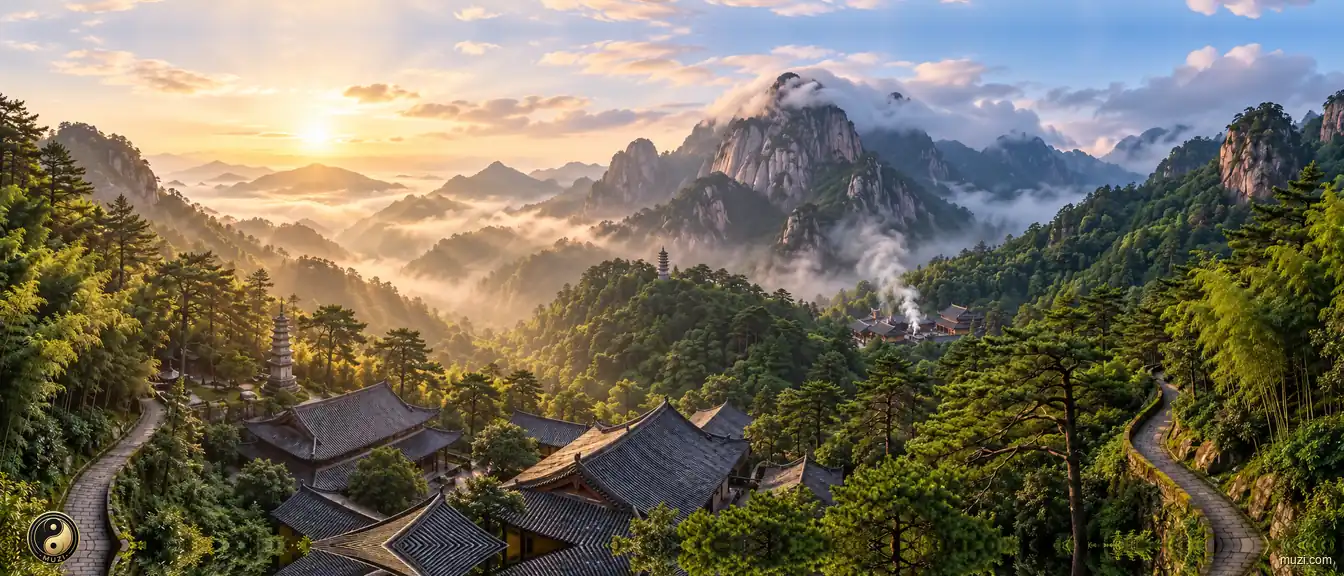 Mountains
Mount Jiuhua, the bodhimanda of Kshitigarbha, is known for its temples and traditions of preserving monks' bodily relics.
No Matrix entries match this region.