

 Atlas
Atlas Jingdezhen
 Yangzhou
 Wuzhen
 Suzhou
 Pingyao Ancient City
 Fenghuang Ancient Town
 Hongcun
 Xitang
 Langzhong Ancient City
 Shaxi Ancient Town
 Lijiang Ancient Town
 Kaiping Diaolou
 Jiufen
 Wudianshi
 Foshan
 Tunxi Old Street
 Zhouzhuang
 Xidi
Xidi Nanxun Ancient Town
 Dali Ancient City
 Huizhou Ancient City
 Zhenyuan Ancient City
 Zhujiajiao Ancient Town
 Wuyuan Ancient Town
 Huangyao Ancient Town
 Heshun Ancient Town
 Shuhe Ancient Town
 Ciqikou Ancient Town
 Mudu Ancient Town
 Luzhi Ancient Town
 Anchang Ancient Town
 Jinxi Ancient Town
 Furong Ancient Town
 Qingyan Ancient Town
 Yunshuiyao Ancient Town
 Gongtan Ancient Town
 Chikan Ancient Town
 Luodai Ancient Town
 Qiandeng Ancient Town
 Cicheng Ancient Town
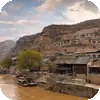 Qikou Ancient Town
 Hongjiang Ancient Commercial City
 Yaoli Ancient Town
 Qiantong Ancient Town
 Nianbadu Ancient Town
 Sanhe Ancient Town
 Zhangzhou Ancient City
 Guandu Ancient Town
 Lukang Old Street
 Tamsui Old Street
 Anping Old Street
 Huanglongxi Ancient Town
 Pingle Ancient Town
 Zhoucun Ancient Commercial City
 Taierzhuang Ancient City
 Qingzhou Ancient City
 Zhuxian Town
 Sheqi Ancient Town
 Zhengding Ancient City
 Shanhaiguan Ancient City
 Yangliuqing Ancient Town
 Tianshui Ancient City
 Jingzhou Ancient City
 Qingmuchuan Ancient Town












 JingdezhenYangzhouWuzhenSuzhouPingyao Ancient CityFenghuang Ancient TownHongcunXitangLangzhong Ancient CityShaxi Ancient TownLijiang Ancient TownKaiping DiaolouJiufenWudianshiFoshanTunxi Old StreetZhouzhuangXidiNanxun Ancient TownDali Ancient CityHuizhou Ancient CityZhenyuan Ancient CityZhujiajiao Ancient TownWuyuan Ancient TownHuangyao Ancient TownHeshun Ancient TownShuhe Ancient TownCiqikou Ancient TownMudu Ancient TownLuzhi Ancient TownAnchang Ancient TownJinxi Ancient TownFurong Ancient TownQingyan Ancient TownYunshuiyao Ancient TownGongtan Ancient TownChikan Ancient TownLuodai Ancient TownQiandeng Ancient TownCicheng Ancient TownQikou Ancient TownHongjiang Ancient Commercial CityYaoli Ancient TownQiantong Ancient TownNianbadu Ancient TownSanhe Ancient TownZhangzhou Ancient CityGuandu Ancient TownLukang Old StreetTamsui Old StreetAnping Old StreetHuanglongxi Ancient TownPingle Ancient TownZhoucun Ancient Commercial CityTaierzhuang Ancient CityQingzhou Ancient CityZhuxian TownSheqi Ancient TownZhengding Ancient CityShanhaiguan Ancient CityYangliuqing Ancient TownTianshui Ancient CityJingzhou Ancient CityQingmuchuan Ancient Town
Qikou Ancient Town
No.1 town on the Yellow River's nine bends; key ferry port for western Shanxi merchants; Lijiashan cave dwellings are the Potala Palace of the Loess Plateau.
Wooden ferries line Qikou’s Yellow River port beneath Li Jia Shan’s clustered cave dwellings on the loess hillside.
Temple1

- Heilong Temple at Qikou
Perched on a clifftop of Wohu Hill since the Ming, Heilong Temple overlooks the Datong rapids of the Yellow River and its meeting with the Qiushui in Qikou.
Gate & Wall1

- Qikou Ming-Qing Commercial Street
Shops crowd this river-and-land trading street, once a hub for moving hides, grain and oil across northwest China, where wealth gathered beside the dangerous rapids.
Residence2

- Lijiashan Terraced Village in Qikou
Cave dwellings stack up the loess cliffs at Lijiashan, a village that amazed painter Wu Guanzhong, who likened it to mysterious tomb figurines unearthed from Han graves.
- Xiwan Folk Courtyard in Qikou
The merchant Chen family built more than thirty fortress-like cave courtyards against the hillside, linked by hidden passages and guarded by gates.
Qing1

- Qikou's Commercial ExpansionQianlong Era to the Fifth Year of the Republic (1736-1916)
Qikou's shops expanded from the Qianlong era; by the Daoguang era it had dozens of shops, and by 1916 it was an important Yellow River trading town.