





 County-level
Xiang Cheng District
Ming and Qing stone ceremonial archways grace the cobblestone streets of Zhangzhou Ancient City in Xiangcheng, home to the grand Confucian Temple.
 MUZIChinese Matrix
Through valley settlements and industrial memory, Zhangzhou gains a geographical signature.
Within the regional setting of Fujian, the spatial identity of Zhangzhou is first captured by this local fact: “Through valley settlements and industrial memory, Zhangzhou gains a geographical signature.” It points to an observable local combination in which the setting of Zhangzhou is shaped by both environment and lived practice. Historical development brought natural conditions and human activity into repeated negotiation, leaving traces in settlement, routes, and memory. Specific places and continuing lives turn a broad regional relationship into experience that can be observed and checked. The meaning of Zhangzhou rests in specific places and continuing life, not only in its name or formal classification.
County-level
Ming and Qing stone ceremonial archways grace the cobblestone streets of Zhangzhou Ancient City in Xiangcheng, home to the grand Confucian Temple.
County-level
Weathered granite boulders and cavern passages at Mount Yundongyang crown Longwen, where narcissus flower gardens flourish along the Jiulong River.
County-level
The ancestral shrine of General Chen Yuanguang commemorates the founding of Zhangzhou in Yunxiao, bordered by coastal mangrove wetlands on the Zhangjiang Estuary.
County-level
Millions of hexagonal basalt columns rise along the shoreline at Zhangzhou Binhai Volcano Geopark in Zhangpu, near the Song imperial clan castle at Zhaojiapu.
County-level
Granite peaks and hanging temples at Mount Jiuhou rise in Zhao An, celebrated for traditional calligraphy and historic stone memorial arches.
County-level
Mount Tianzhu shelters virgin subtropical woodlands in Changtai, where the clear waters of Mayang Stream rush through scenic canyons.
County-level
The legendary balancing Wind-Moving Stone perches above coastal cliffs in Dongshan, near the ancestral Guandi Temple and crescent golden sands of Maluan Bay.
County-level
World Heritage Fujian Tulou clusters at Tianluokeng showcase round and square rammed-earth castles in Nanjing, beside ancient banyans along Yunshuiyao stream.
County-level
Philosopher Wang Yangming established Pinghe, where the cliffside Buddhist shrines of Mount Lingtong overlook extensive Guanxi honey pomelo orchards.
County-level
The grand double-ringed Eryilou fortress crowns the World Heritage Dadi Tulou cluster in Hua An, famed for fine carved jasper jade along the Jiulong River.
County-level
The historic maritime docks of Yuegang recall ancient global trade at the mouth of the Jiulong River in Longhai, home to Baijiao Ciji Ancestral Temple.
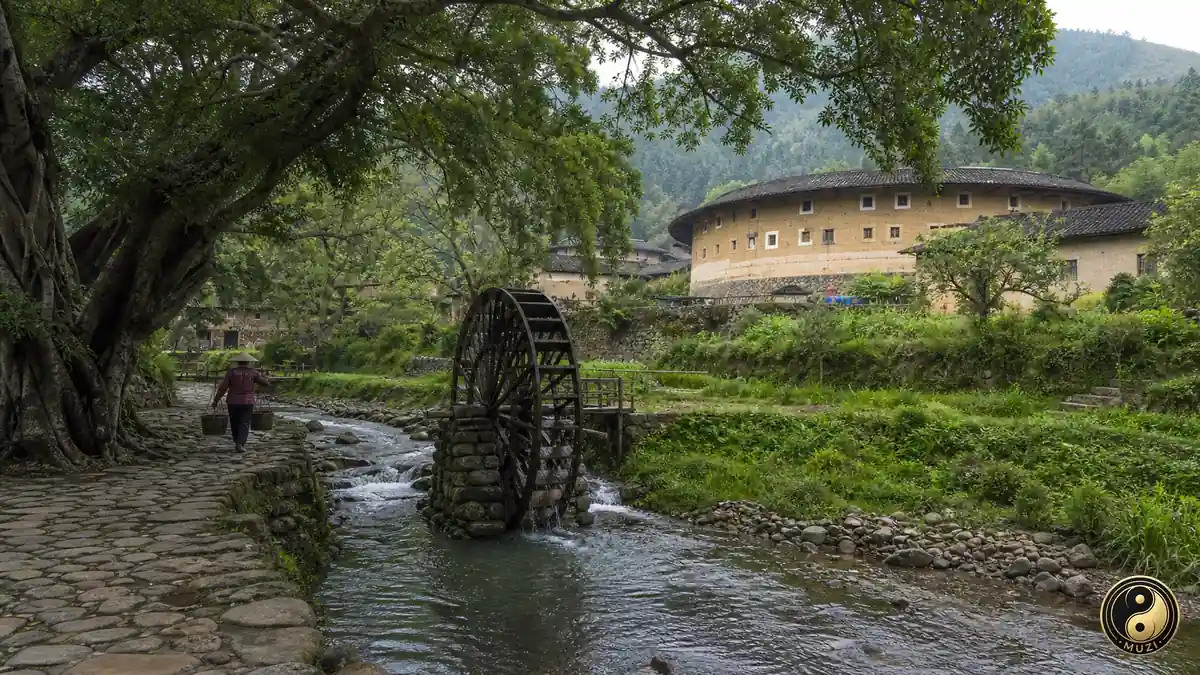
Part of the UNESCO Fujian Tulou World Heritage site; Yunshuiyao ancient path and waterwheels compose a pastoral idyll.
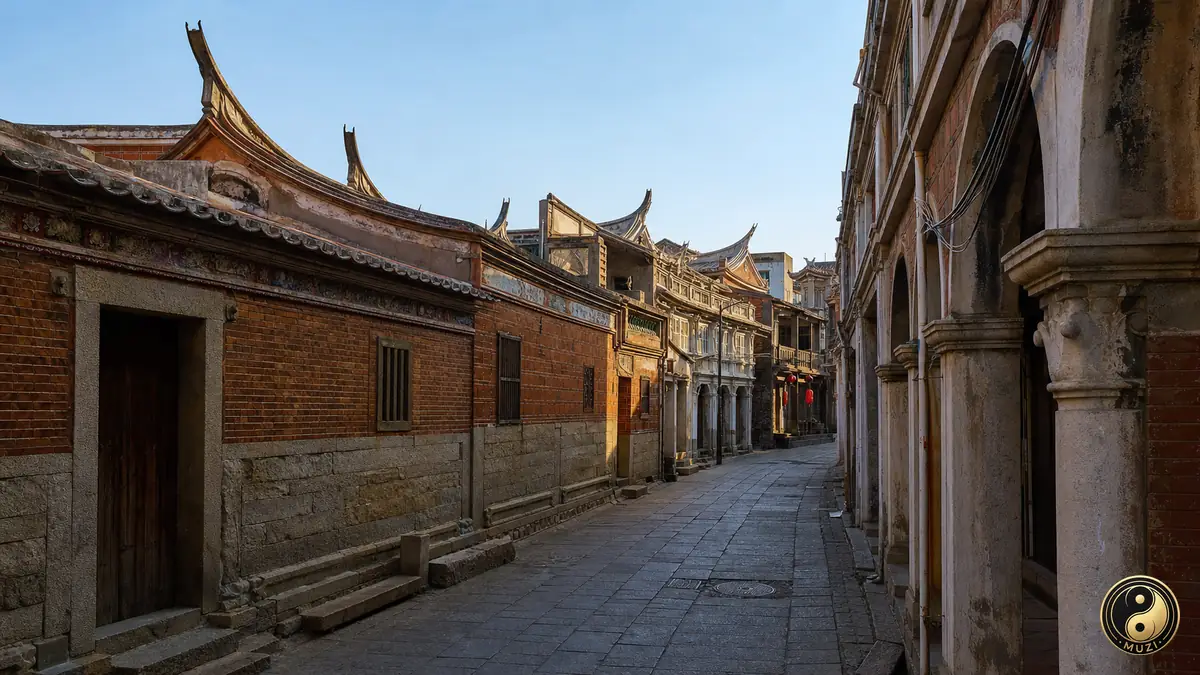
Core region of southern Fujian culture; Tang-Song city layout coexists with Ming-Qing arcade buildings; Taiwan Road old street testifies to Fujian-Taiwan kinship.