





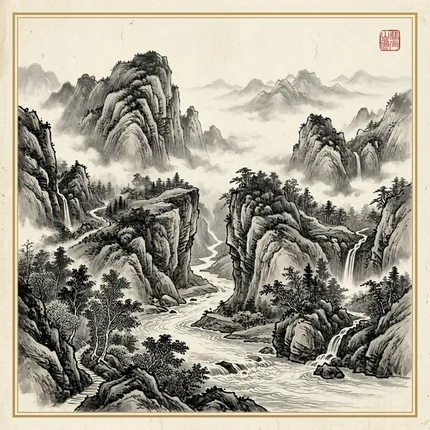
 County-level
Chang Jiang District
Living historic kilns demonstrate traditional porcelain firing in Changjiang District, preserving Song, Ming, and Qing ceramic lineages along Changjiang River.
 MUZIChinese Matrix
Think of Jingdezhen, and estuarine routes and port traditions are among the first things that come to mind.
For Jingdezhen, the relationship between place and life becomes visible in “Estuarine routes and port traditions are among the first things that come to mind.” This evidence connects landform, movement, settlement, and cultural expression instead of treating them as isolated details. The present profile of Jingdezhen reflects environmental adaptation and local stewardship built up over an extended period rather than a short-lived change. This process explains how Jingdezhen remains connected to its surrounding region while retaining a recognizable local character. That is why Jingdezhen matters: local detail can illuminate environmental setting, social process, and cultural memory together.
County-level
Living historic kilns demonstrate traditional porcelain firing in Changjiang District, preserving Song, Ming, and Qing ceramic lineages along Changjiang River.
County-level
Award-winning brick vaulted pavilions of Jingdezhen Imperial Kiln Museum anchor Zhushan, near vibrant artistic studios in Taoxichuan Creative Zone.
County-level
The grand historic county yamen stands preserved in Fuliang, gateway to the ancient porcelain clay and tea river town of Yaoli.
County-level
Over four hundred elaborately carved Ming and Qing theater stages distinguish Leping, near the sparkling limestone caverns of Hongyan Wonderland.
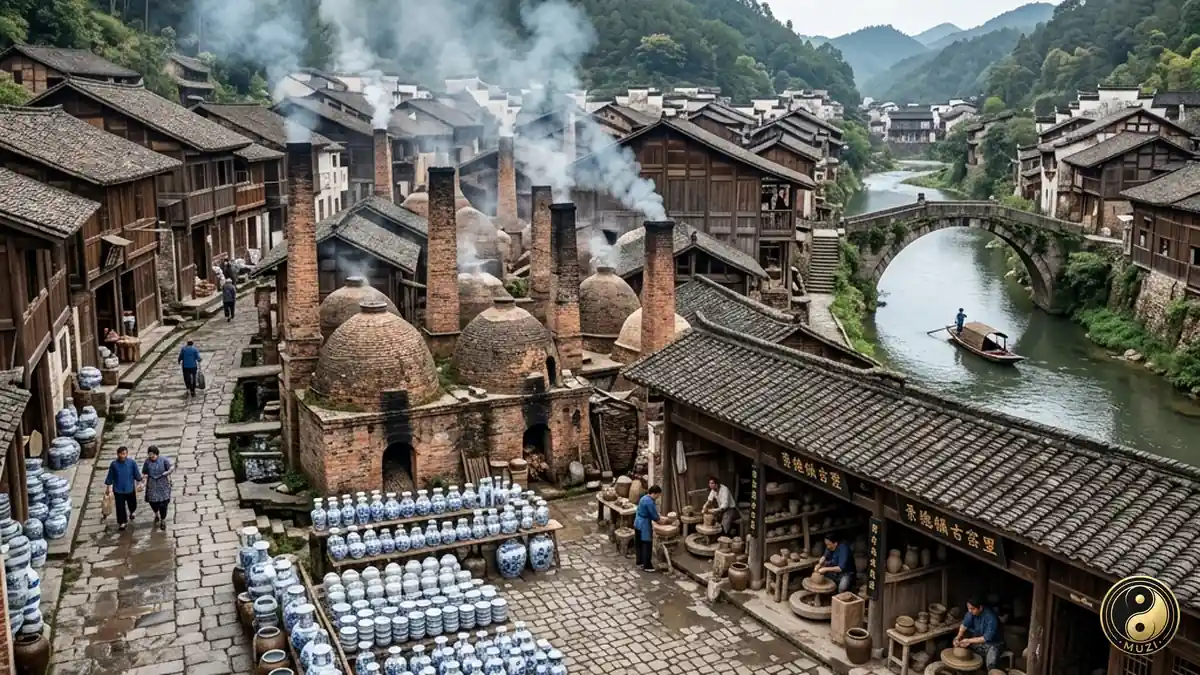
The thousand-year porcelain capital — where kaolin clay and Chang River water combine to produce the synonym for Chinese ceramics, the porcelain fountainhead of the Maritime Silk Road.
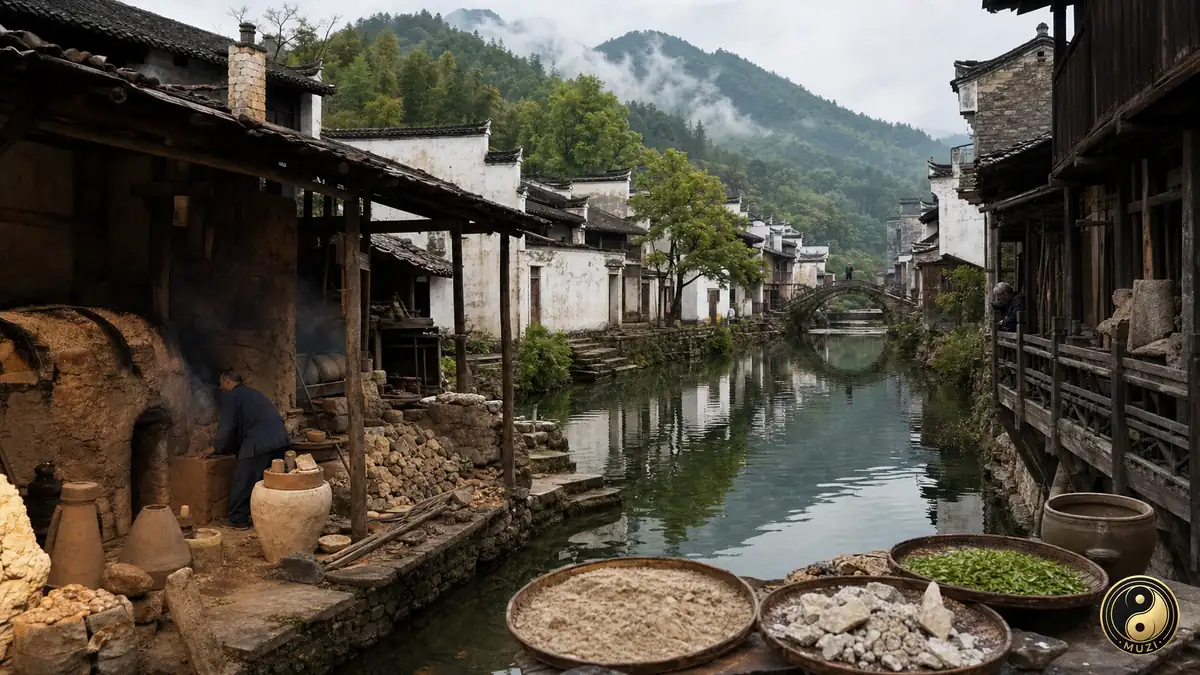
Source of porcelain, homeland of tea, sea of forests; the raw material origin for Jingdezhen ceramics; Ming-Qing commercial street testifies to bygone bustle.
江南唯一保存完好的清代五品古县衙,白居易笔下‘商人重利轻别离,前月浮梁买茶去’之茶瓷枢纽。
View attraction