Spatial Framework & Civilizational Geography · Prefecture-level

Changhua County

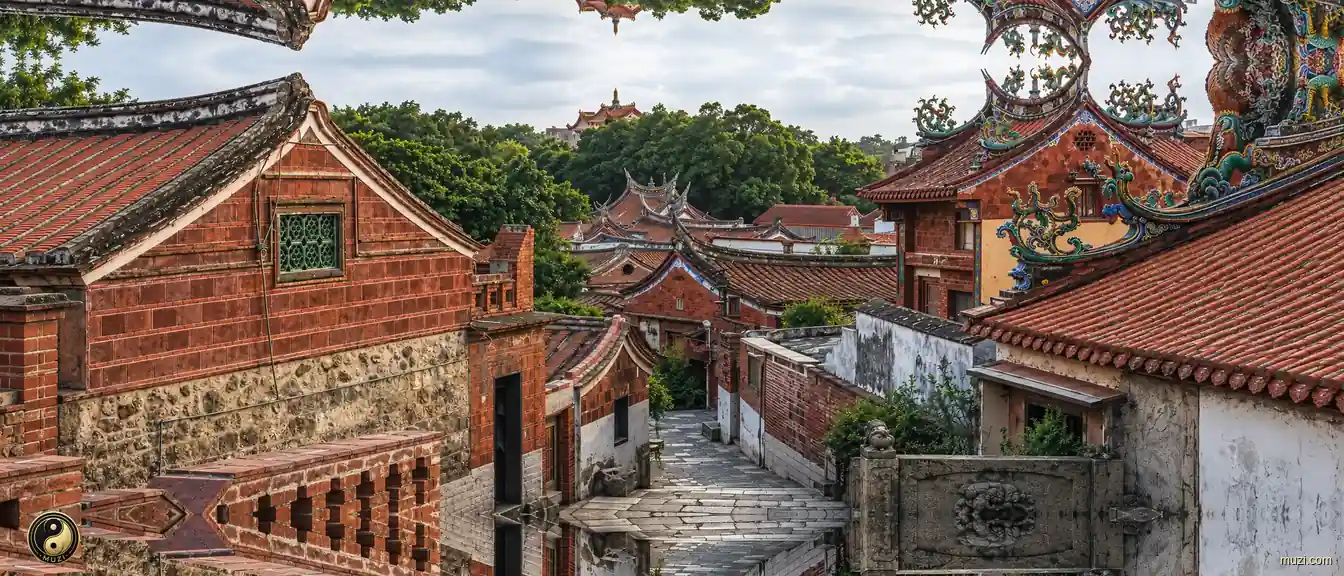
Changhua is watched over by the Great Buddha of Baguashan, while Lukang's Longshan Temple and Mazu temple recall a busy Qing-era trading port.

Lukang Old Street Featured picture Lukang Old Street
Regional story

A place shaped through time

The spatial setting of Changhua County is grounded in the local fact “Changhua is watched over by the Great Buddha of Baguashan, while Lukang's Longshan Temple and Mazu temple recall a busy Qing-era trading port.” These relationships connect landscape, inherited places, and community experience without reducing Changhua County to an administrative label. Over time, these relationships accumulated through residence, exchange, production, and community continuity across successive historical periods. Viewed beside neighboring areas, Changhua County also shows how roads, resources, and movement create local distinctions within a wider region. For regional study, Changhua County places location, long-term formation, and present meaning within one connected explanation.

Changhua County

Atlas Matrix

1 Matrix Entries
Lukang Old Street

Lukang Old Street

Taiwan's most historic port town; officially opened for trade during the Qing era; dense temples and southern Fujian-style old houses bear witness to its golden age as 'one government, two deer, three Monga'.

Attractions available · 4 View Entry
Changhua County

Atlas Attractions

4 entries
Lukang Tianhou Temple

Lukang Tianhou Temple

Admiral Shi Lang is said to have brought the founding Mazu image from Meizhou to this listed historic temple, admired for its octagonal caisson ceiling and superb woodcarving.

View attraction
Lukang Longshan Temple

Lukang Longshan Temple

Laid out after a temple in Quanzhou, Lukang Longshan Temple is nicknamed the Forbidden City of Taiwan and is a living showcase of East Asian timber building.

View attraction