





 Prefecture-level
Wanzhou
Wanzhou is readily recognized through river valleys and inherited local memory.
 MUZIChinese Matrix
The Jialing and Yangtze rivers cut through a hilly municipality where gorges, clustered urban districts, and broad countryside coexist.
The spatial setting of Chongqing is grounded in the local fact “The Jialing and Yangtze rivers cut through a hilly municipality where gorges, clustered urban districts, and broad countryside coexist.” These relationships connect landscape, inherited places, and community experience without reducing Chongqing to an administrative label. Over time, these relationships accumulated through residence, exchange, production, and community continuity across successive historical periods. Viewed beside neighboring areas, Chongqing also shows how roads, resources, and movement create local distinctions within a wider region. For regional study, Chongqing places location, long-term formation, and present meaning within one connected explanation.
Prefecture-level
Wanzhou is readily recognized through river valleys and inherited local memory.
Prefecture-level
Think of Fuling, and estuarine routes and port traditions are among the first things that come to mind.
Prefecture-level
highland scenery and pastoral culture offers the clearest regional clue to Yuzhong.
Prefecture-level
For Dadukou, plain-country farming and old town remains forms an essential setting.
Prefecture-level
mountain corridors and frontier life write a distinctive line into Jiangbei's urban profile.
 Prefecture-level
Through valley settlements and industrial memory, Shapingba gains a geographical signature.
Prefecture-level
In Jiulongpo, wetland habitats and waterside routines reveal a deeper local trajectory.
Prefecture-level
Nan'an finds its regional character in garden landscapes and scholarly traditions.
Prefecture-level
A useful way into Beibei is through bay shores and fishing practice.
Prefecture-level
Qijiang's local story begins with canyon terrain and rural settlements.
Prefecture-level
forest resources and cold-climate life give Dazu a recognizable regional character.
Prefecture-level
Yubei retains the imprint of steppe pasture and seasonal movement.
Prefecture-level
Follow lakeside wetlands and water-town craft, and Banan's regional layers come into view.
Prefecture-level
Qianjiang turns basin fields and historic post roads into everyday life and local memory.
Prefecture-level
From geography to culture, hill tea country and handcraft history help define Changshou.
Prefecture-level
island routes and maritime custom leave a double trace of nature and society in Jiangjin.
Prefecture-level
In any account of Hechuan, desert oases and irrigation knowledge is hard to overlook.
Prefecture-level
Yongchuan's identity rests on the setting opened by river-bend farmland and waterworks.
Prefecture-level
volcanic landforms and hot-spring scenery outline the local profile of Nanchuan.
Prefecture-level
Bishan reads its landscapes and lived experience through karst peaks and mountain villages.
Prefecture-level
river ports and modern factory memory give Tongliang a distinct regional rhythm.
Prefecture-level
Tongnan's regional expression grows from border gateways and multi-ethnic exchange.
Prefecture-level
old market lanes and local cuisine provide the environmental key to Rongchang.
Prefecture-level
Kaizhou's public image is grounded in gorge shipping and flood-control memory.
Prefecture-level
salt-lake resources and local belief leave Liangping with a durable local marker.
Prefecture-level
Wulong's everyday scale is influenced by mining heritage and hillside renewal.
Prefecture-level
Place tea-horse routes and alpine meadows in the foreground, and Chengkou's character becomes clear.
Prefecture-level
Fengdu's prevailing atmosphere comes from coastal marshes and migratory seasons.
Prefecture-level
terraced fields and upland villages link Dianjiang's historical memory to its present life.
Prefecture-level
Zhongxian's natural and cultural clues can both be read in headwater protection and pastoral tradition.
Prefecture-level
island farmland and sea-breeze scenery offers an unusually direct entry into Yunyang.
Prefecture-level
Fengjie takes historic axes and public culture as a setting and develops its own local vocabulary.
Prefecture-level
trade stations and bridge routes lay down a clear regional base for Wushan.
Prefecture-level
Wuxi's territorial outline emerges through snow forests and timber heritage.
Prefecture-level
warm waterways and garden-making are the most direct way to read Shizhu's local character.
Prefecture-level
Xiushan's natural, historical, and industrial sides meet in coastal salt pans and fishing life.
 Prefecture-level
Youyang's sense of place starts with river channels and boat traditions.
Prefecture-level
red-earth hills and orchard economy occupy a defining place in the story of Pengshui.
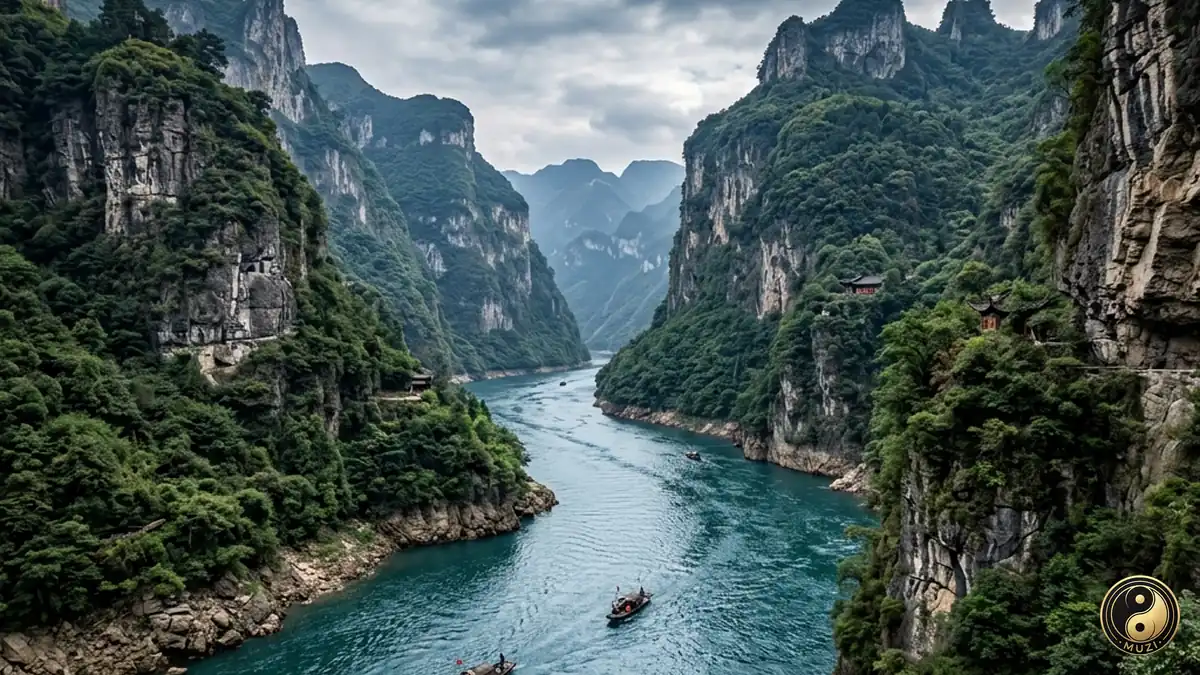
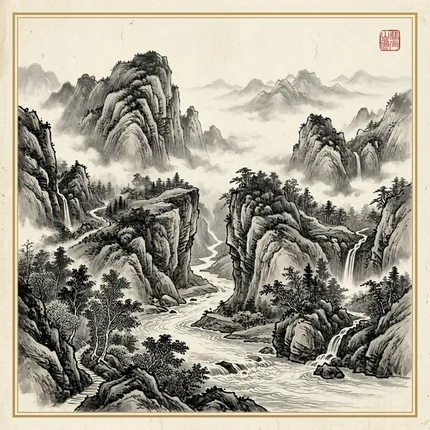
Asia's longest river, flowing six thousand kilometers from the Tibetan Plateau to the East China Sea — the aorta and golden waterway of Chinese civilization.
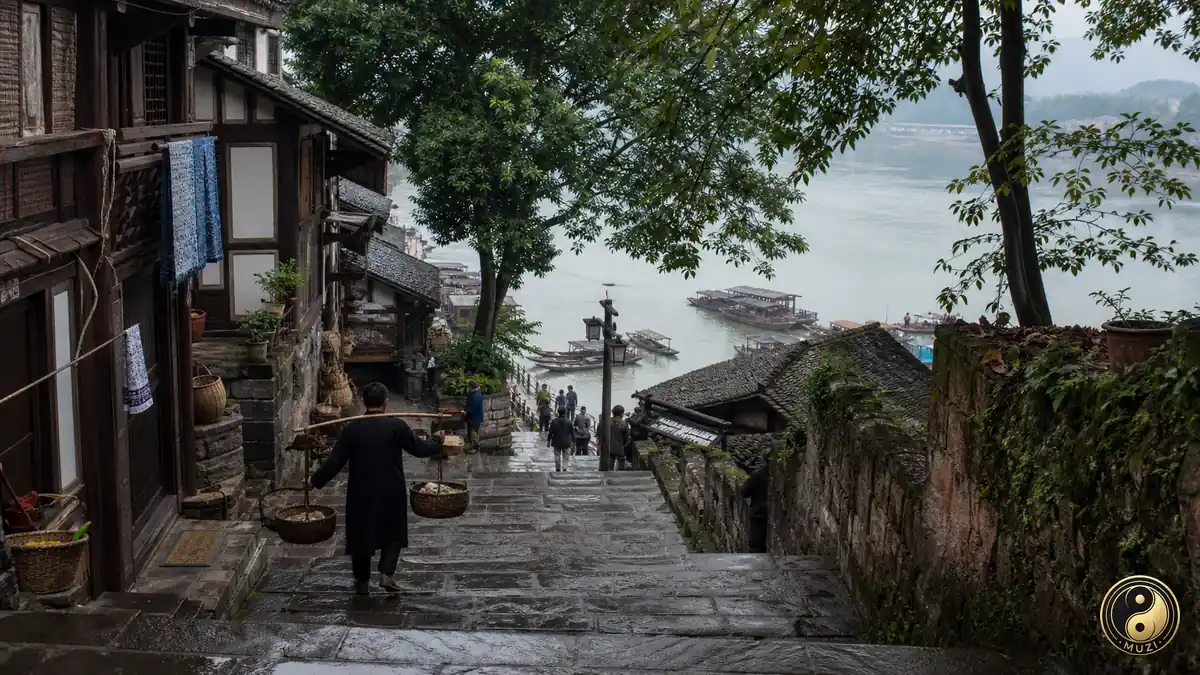
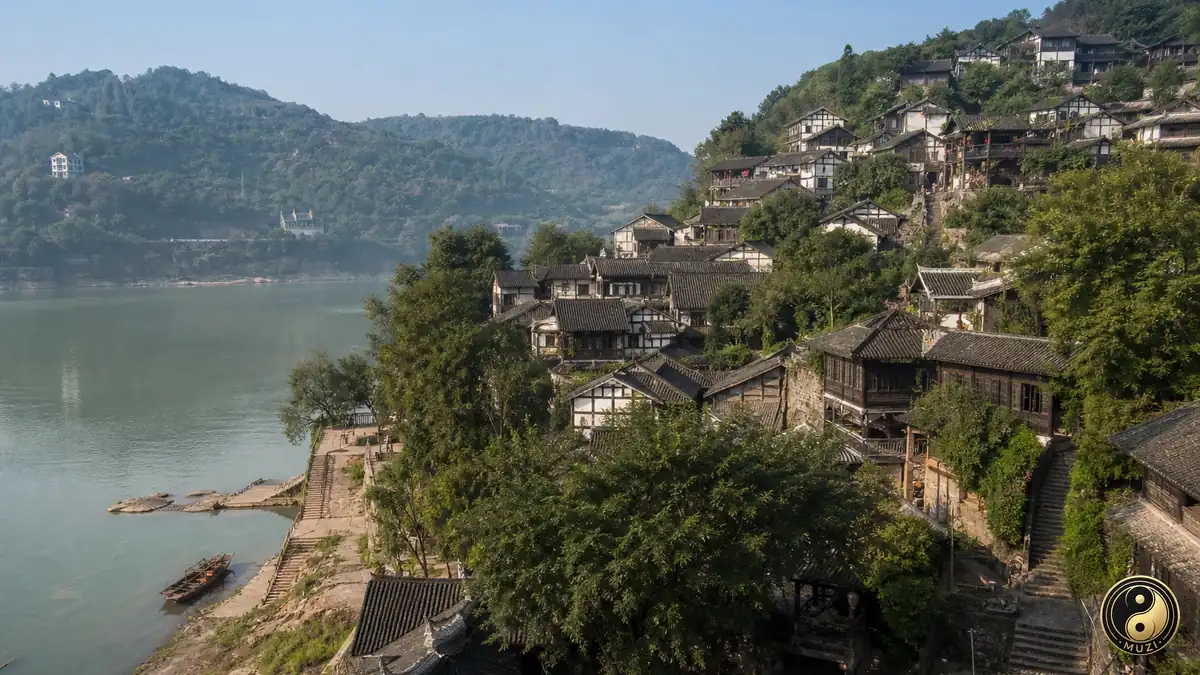
Chongqing's thousand-year-old dock town; Bayu folkways and mountain-city life converge; Chen Mahua twists and Maoxuewang tripe are famous far and wide.
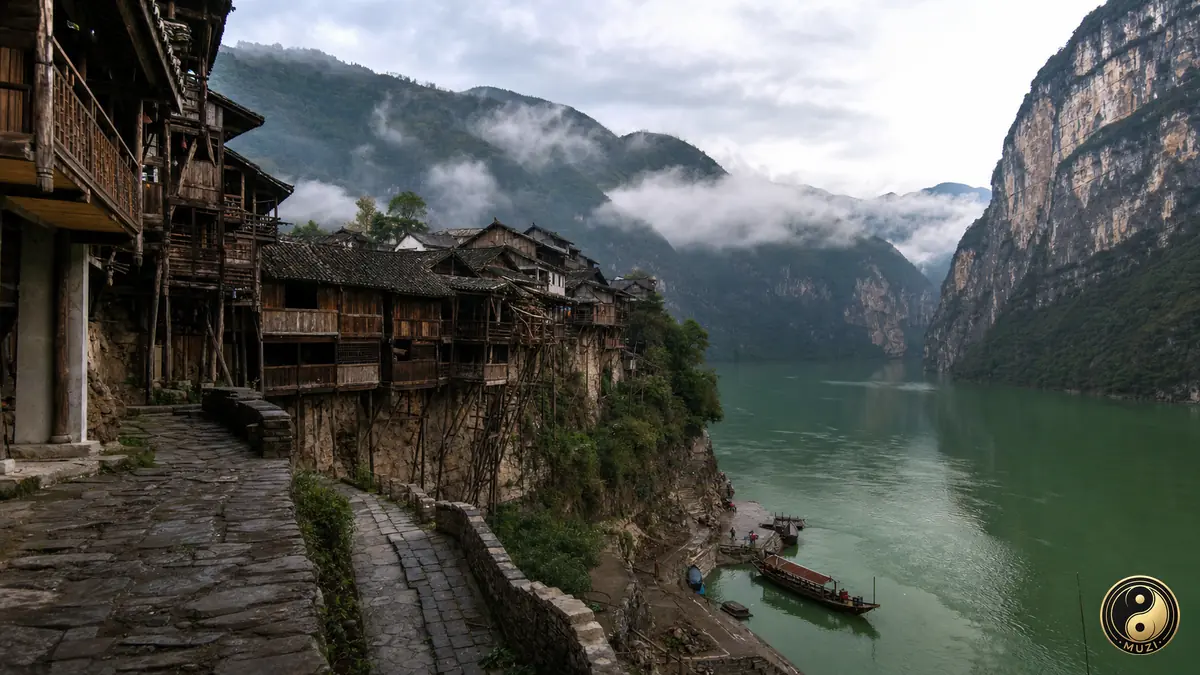
Sheer-cliff town on the Wujiang Gallery; Tujia stilted houses tier down the slope; the flagstone old street continues a salt-trade legacy since Three Kingdoms.