



































 County-level
Er Lian Hao Te City
Cretaceous dinosaur fossil beds reveal prehistoric life in Erenhot, anchored by the iconic border gate and ancient caravan salt trails.
 MUZIChinese Matrix
Xilingol's grasslands hold the Yuan Shangdu ruins of Xanadu, a World Heritage site, and Erenhot, famed for dinosaur fossils on the Mongolian border.
A useful starting point for Xilingol League is the documented fact “Xilingol's grasslands hold the Yuan Shangdu ruins of Xanadu, a World Heritage site, and Erenhot, famed for dinosaur fossils on the Mongolian border.” The natural conditions and social experience of Xilingol League therefore belong to one connected geographic story. Communities responded to surrounding conditions through residence, exchange, and daily practice, giving the spatial pattern a traceable history. The chain from environmental conditions to social practice gives the regional change of Xilingol League a clear real-world expression. Taken together, these clues clarify the position, change, and distinctive contribution of Xilingol League within the larger region.
County-level
Cretaceous dinosaur fossil beds reveal prehistoric life in Erenhot, anchored by the iconic border gate and ancient caravan salt trails.
County-level
Gilded pavilions of Beizi Lamasery overlook the scenic meandering loops of the Xilin River across the vast grasslands of Xilinhot.
County-level
Mount Bogda soars sacred above the ancient Belgetei prince ruins in Abag Banner, celebrated across the steppes for purebred Abag black horses.
County-level
The vast desert steppes of Sonid Left Banner yield prized Sonid mutton, framed by surreal wind-carved granite pillars at Baodeer Stone Forest.
County-level
Cradle of the nomadic Ulan Muqir performing troupes, Sonid Right Banner features pristine Gobi camel reserves at Mount Saihan.
County-level
Endless emerald steppes of East Ujimqin Banner host traditional Boke wrestling champions during sacred oboo gatherings along the Nailin River.
County-level
Majestic white horses thunder across the rolling hills of West Ujimqin Banner, home to traditional yurt palaces at the Mongol Khan Castle.
County-level
The imperial horse breeding pastures of the Qing royal court thrive in Taipusi Banner, bordered by the blooming floral meadows of Gongbaolage.
County-level
Ancestral Chahar customs and artisanal dairy cuisines flourish in Xianghuang Banner, home to historic Buddhist shrines at Mount Hayinharwa.
County-level
Ancestral home of Qing-dynasty astronomer Ming Antu, Zhengxiangbai Banner features sprawling oasis landscapes across the Otindag Sandy Land.
County-level
The UNESCO World Heritage Site of Xanadu stands across the Jinlianchuan Grassland in Zhenglan Banner, traversed by the scenic Shandian River.
County-level
Huizong Temple commemorates the Kangxi-era Prince Assembly in Duolun, surrounded by historic merchant guilds and the turquoise waters of Lake Duolun.
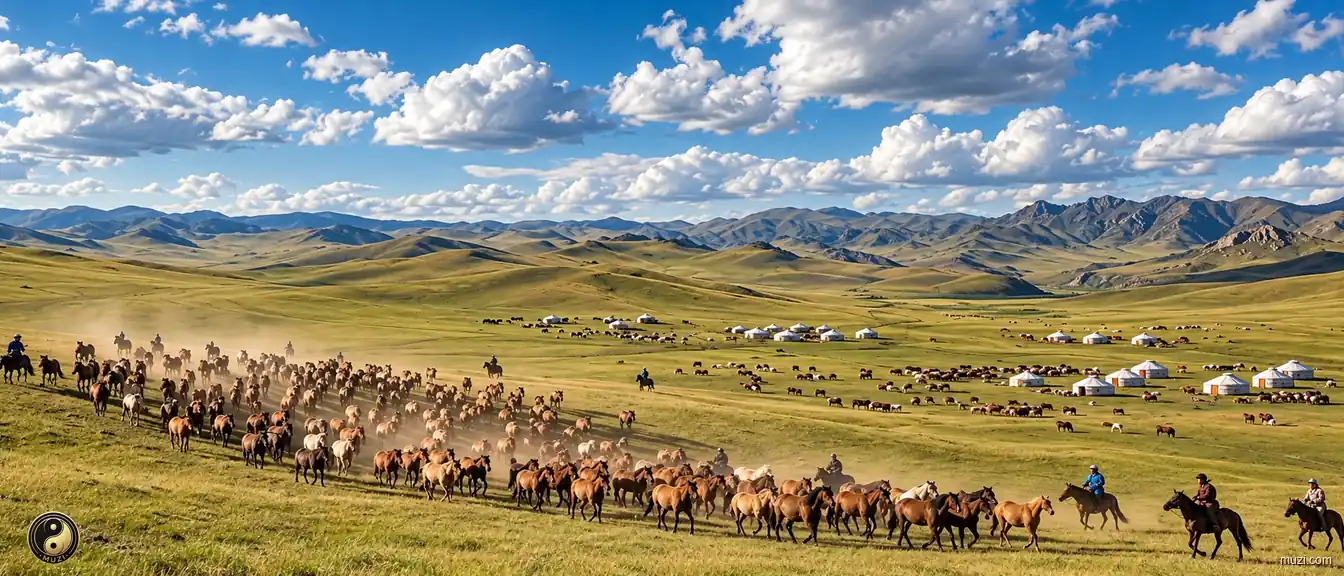
The quintessential temperate steppe of the Inner Mongolian Plateau core — the central stage and geopolitical buffer zone of nomadic courts through Yuan, Ming, and Qing dynasties.
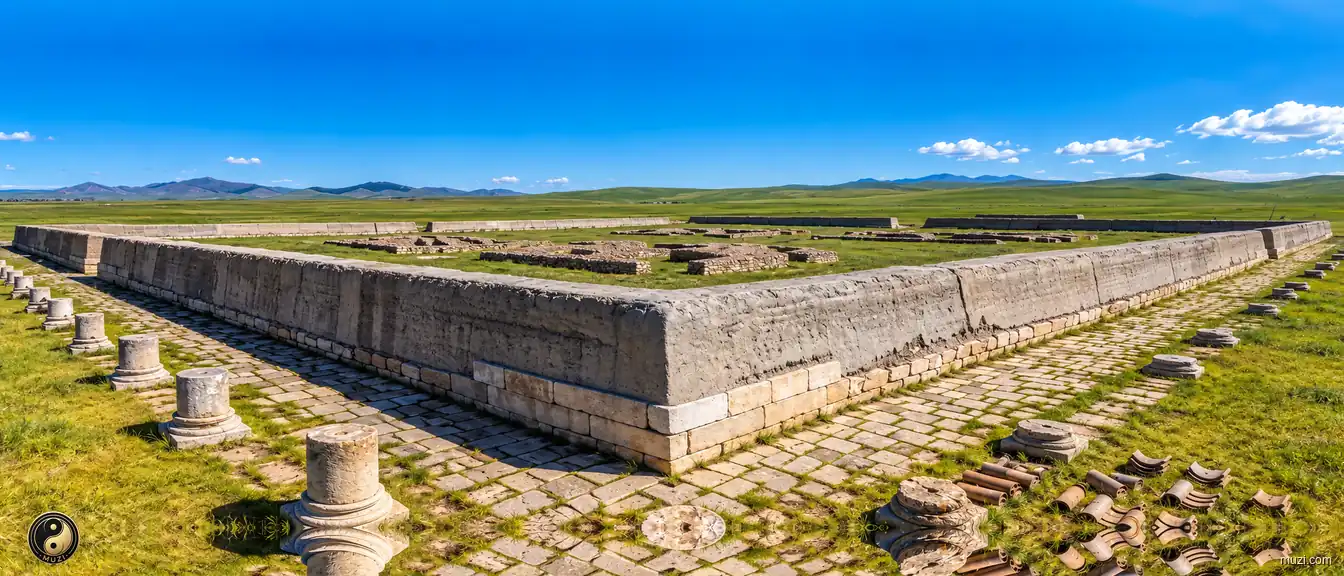
The Yuan Upper Capital ruins — a surreal dual capital nesting the rectangular Han axial grid within the circular nomadic tent ethic on the vast grassland, the northern power gateway of the Mongol empire.
Among China's best-preserved natural meadow steppes, Nalingole is also the breeding homeland of the Ujimqin white horse.
View attraction
Nomadic court culture from the age of Genghis Khan and steppe oboo worship rituals come alive at this folk culture center in Xilingol.
View attraction