



































 County-level
Hun Jiang District
The clear waters of the Hunjiang River cut through Changbai peaks, where the Qing-era Maoershan post welcomed early mountain pioneers.
 MUZIChinese Matrix
Baishan, on the southwestern flanks of Changbai Mountain, is famed for Fusong ginseng and Jingyu mineral water, with the Yalu River flowing past Linjiang.
The spatial setting of Baishan is grounded in the local fact “Baishan, on the southwestern flanks of Changbai Mountain, is famed for Fusong ginseng and Jingyu mineral water, with the Yalu River flowing past Linjiang.” These relationships connect landscape, inherited places, and community experience without reducing Baishan to an administrative label. Over time, these relationships accumulated through residence, exchange, production, and community continuity across successive historical periods. Viewed beside neighboring areas, Baishan also shows how roads, resources, and movement create local distinctions within a wider region. For regional study, Baishan places location, long-term formation, and present meaning within one connected explanation.
County-level
The clear waters of the Hunjiang River cut through Changbai peaks, where the Qing-era Maoershan post welcomed early mountain pioneers.
County-level
Scenic limestone spires at Songshan Stone Forest rise amidst dense Changbai woodlands, bordering the historic Sanchazi river trails.
County-level
The Songjiang River flows from the western alpine slopes of Mount Changbai, nourishing ancient Korean pine forests and prized wild ginseng.
County-level
Deep gorges of the upper Songhua River are fed by natural mineral springs bubbling through pristine Korean pine forests in Jingyu.
County-level
The Tang-era Bohai Kingdom Lingguang Pagoda overlooks the Yalu River, framed by the volcanic crater rim of Changbai Mountain Heavenly Lake.
County-level
Winding crystal waters of the upper Yalu River pass historic river crossings and karst caves beneath the border ridges of Linjiang.
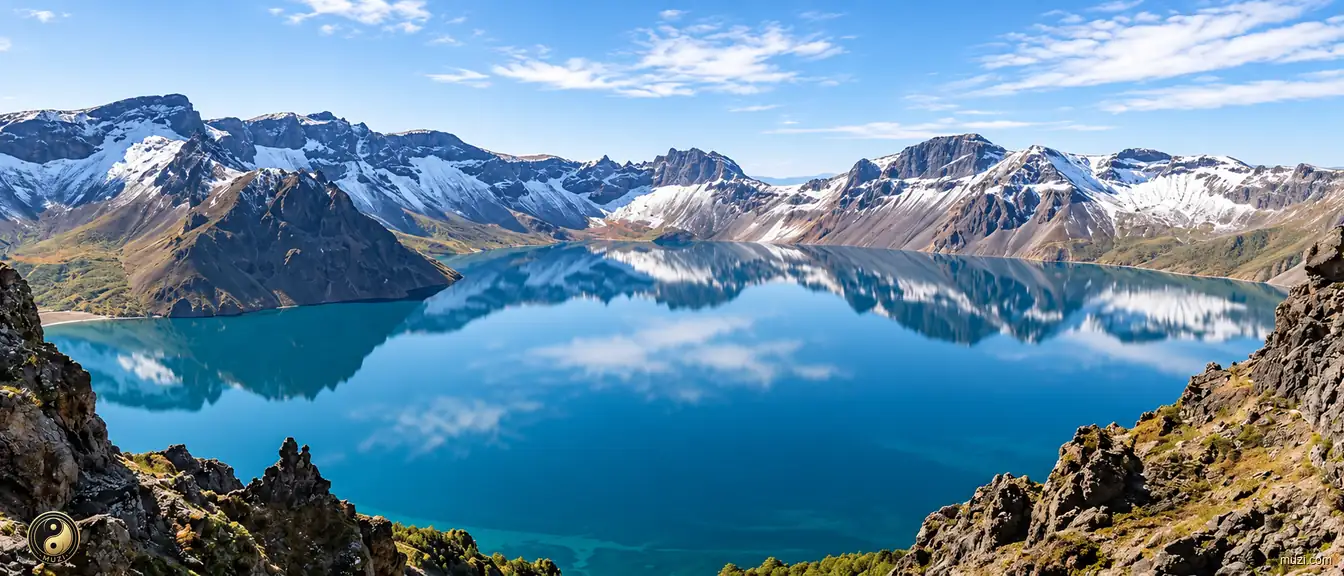
The highest volcano in Northeast Asia — Heaven Lake resting quietly at the summit, one mountain straddling three nations, sacred to both Manchu and Korean peoples.
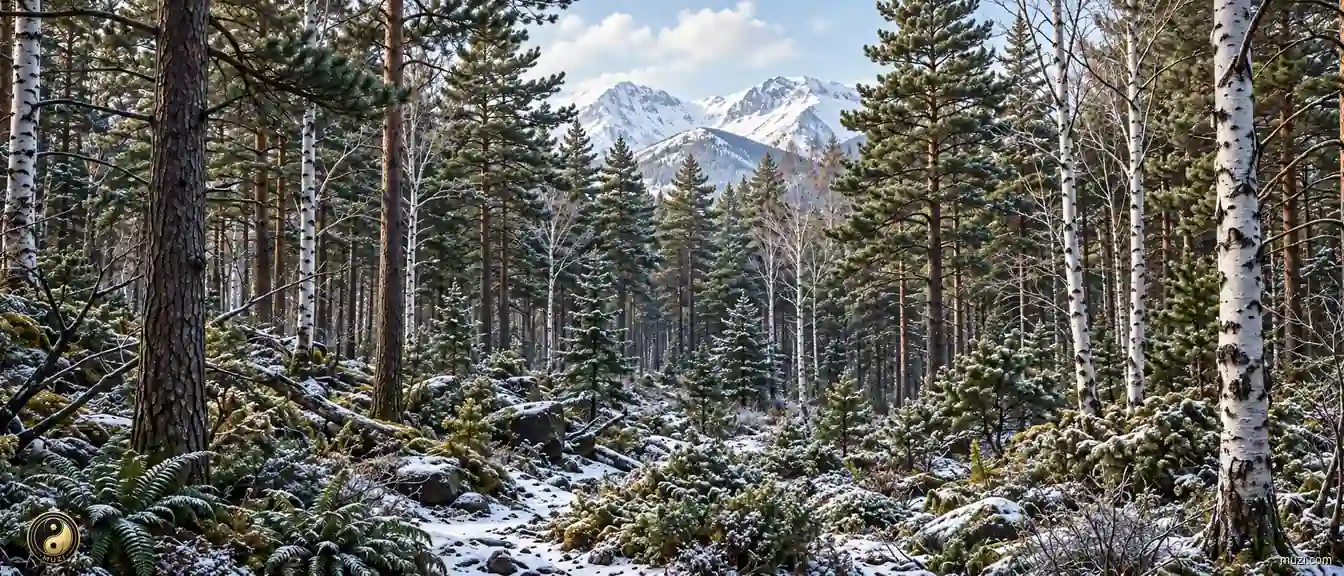
The vast forest sea where the Lesser Khingan and Changbai ranges meet — abundant in Korean pine and premium timber, the lumber mother port for dynastic palaces and naval fleets.
A majestic crater lake (2189m) encircled by 16 jagged volcanic peaks, deepest lake in China.
View attraction
A 100-meter deep volcanic basalt canyon carved by the headwaters of the Yalu River.
View attraction
Korean pine mingles with broadleaf trees across Changbai Mountain in one of the most typical and intact temperate forest ecosystems of eastern Asia.
View attraction
Billed as one of Asia's largest Korean pine seed stands, Lushuihe rolls on for miles as the green heart of the Changbai ecology.
View attraction
Guarding the headwaters of the Yalu River, the Linjiang forests form a natural barrier that holds soil and supports breeding of rare northern cold-water fish.
View attraction