


 Tibet






 Lhasa
County-level
Cheng Guan District
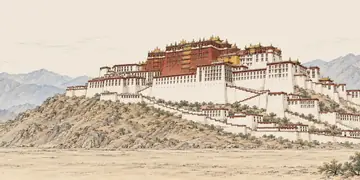
The grand red-and-white Potala Palace crowns Marpo Ri hill in Chengguan, anchoring sacred pilgrimages around Jokhang Temple and ancient Barkhor Street.
 MUZIChinese Matrix
 Lhasa
Lhasa's Potala Palace, Jokhang Temple and Norbulingka form a World Heritage site, while pilgrims circle the Barkhor and Namtso Lake gleams nearby.
 Namtso
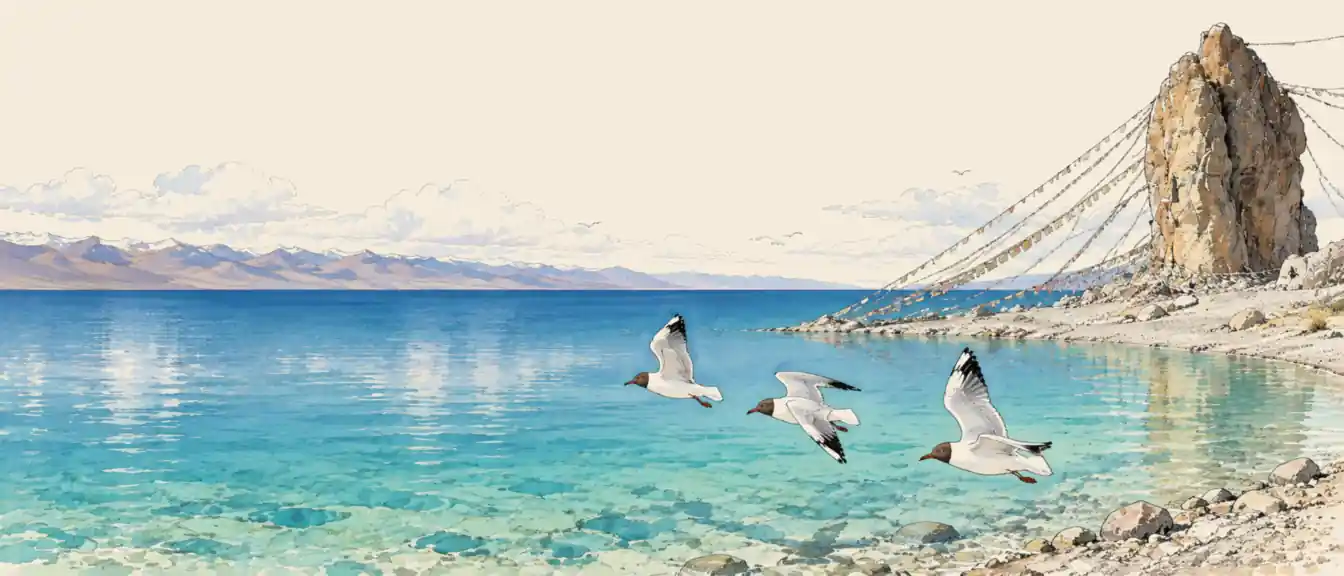
Clear blue-green water stretches away as three gulls skim low; strings of small flags run down from a tall rock on the right shore, with snow-capped hills beyond.
Open the entryThe spatial setting of Lhasa is grounded in the local fact “Lhasa's Potala Palace, Jokhang Temple and Norbulingka form a World Heritage site, while pilgrims circle the Barkhor and Namtso Lake gleams nearby.” These relationships connect landscape, inherited places, and community experience without reducing Lhasa to an administrative label. Over time, these relationships accumulated through residence, exchange, production, and community continuity across successive historical periods. Viewed beside neighboring areas, Lhasa also shows how roads, resources, and movement create local distinctions within a wider region. For regional study, Lhasa places location, long-term formation, and present meaning within one connected explanation.
Lhasa
County-level
The grand red-and-white Potala Palace crowns Marpo Ri hill in Chengguan, anchoring sacred pilgrimages around Jokhang Temple and ancient Barkhor Street.
 Lhasa
County-level
Historic Tsurphu Monastery preserves the Karma Kagyu tradition within green mountain valleys along the meandering Doilung River in Doilungdeqen.
 Lhasa
County-level
Founded by Tsongkhapa on Mount Wangbur, Ganden Monastery anchors the Gelug school in Dagze, complemented by cliffside meditation hermitages at Drak Yerpa.
 Lhasa
County-level
Ancient juniper groves shade historic Reting Monastery in Lhunzhub, where rare black-necked cranes winter across fertile Pengbo wetland valleys.
 Lhasa
County-level
Turquoise waters of Lake Namtso glisten beneath the glaciated spires of Mount Nyenchen Tanglha, across the high alpine pastures of Damxung.
 Lhasa
County-level
Ancestral homeland of script creator Thonmi Sambhota, Nyemo is celebrated for centuries-old artisanal traditions of handmade incense, paper, and woodcarving.
 Lhasa
County-level
The Lhasa River merges with the Yarlung Tsangpo in Quxu, where traditional hide boats float past ancient monastic retreats nestled in rocky ravines.
 Lhasa
County-level
Drigung Til Monastery clings to sheer mountain crags above fertile river gorges in Maizhokunggar, home to the therapeutic hot springs of Tidrum.
 Namtso
One of Tibet's three sacred lakes, the highest salt lake in the world — its waters mirror snow peaks and starry skies, pure as heaven's looking glass.
 Potala Palace
A palace-fortress complex built into the slope of Red Mountain in Lhasa, centered on the White and Red Palaces, rebuilt from 1645 and inscribed on the World Heritage List in 1994.
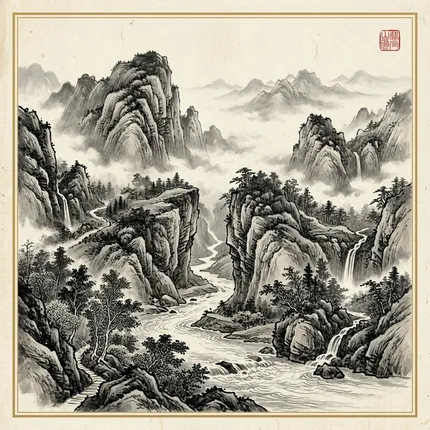
Colossal natural rock towers standing in the form of praying hands against the snowy horizon.
View attraction
The palace core made up of the White and Red Palaces, first inscribed on the World Heritage List in 1994 and later extended to include the Jokhang Temple and Norbulingka.
View attraction