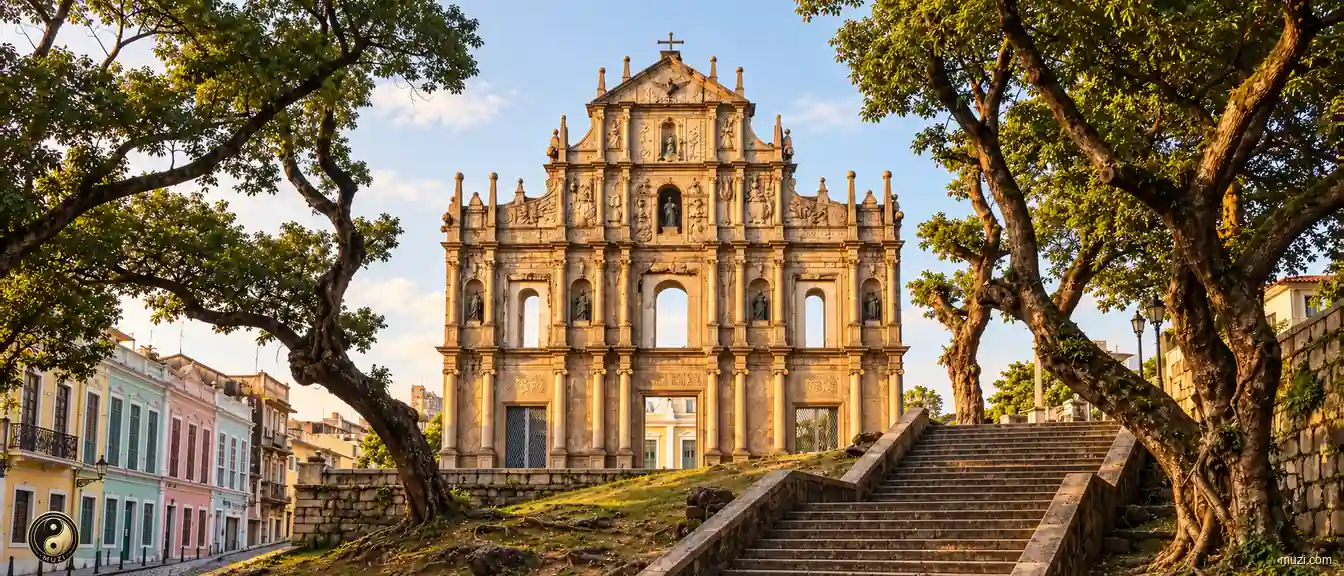
For St. Anthony, the relationship between place and life becomes visible in “The Ruins of St. Paul's, Mount Fortress, Camoes Garden and St. Anthony's Church give St. Anthony parish its place in Macau's historic centre.” This evidence connects landform, movement, settlement, and cultural expression instead of treating them as isolated details. The present profile of St. Anthony reflects environmental adaptation and local stewardship built up over an extended period rather than a short-lived change. This process explains how St. Anthony remains connected to its surrounding region while retaining a recognizable local character. That is why St. Anthony matters: local detail can illuminate environmental setting, social process, and cultural memory together.