


 Hainan
Prefecture-level
Haikou
Haikou blends arcaded qilou streets, the Shishan volcanoes of the Leiqiong Global Geopark, the Five Lords Temple and Hai Rui's tomb.
 MUZIChinese Matrix
 Hainan
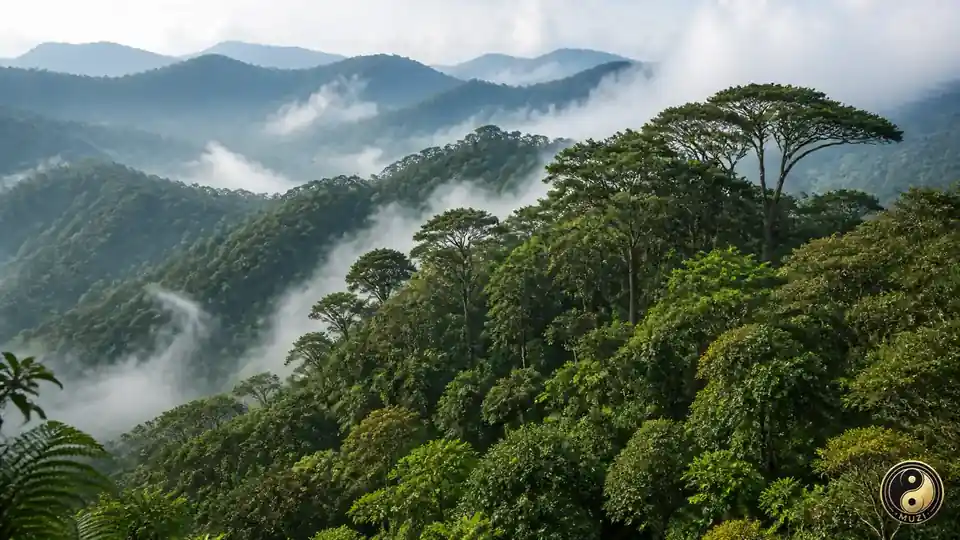
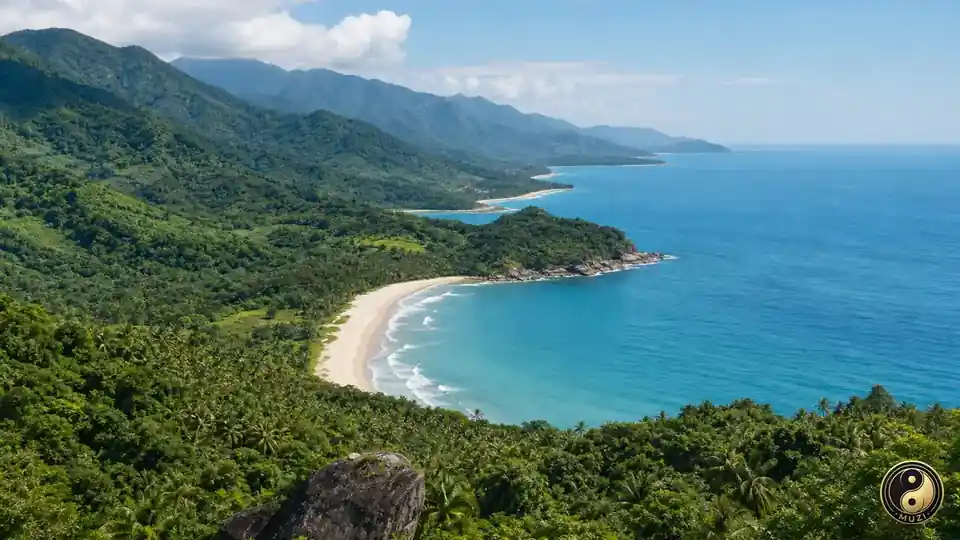
A tropical island on the South China Sea, where palm-lined coasts, tropical crops and old sea routes shape island life.
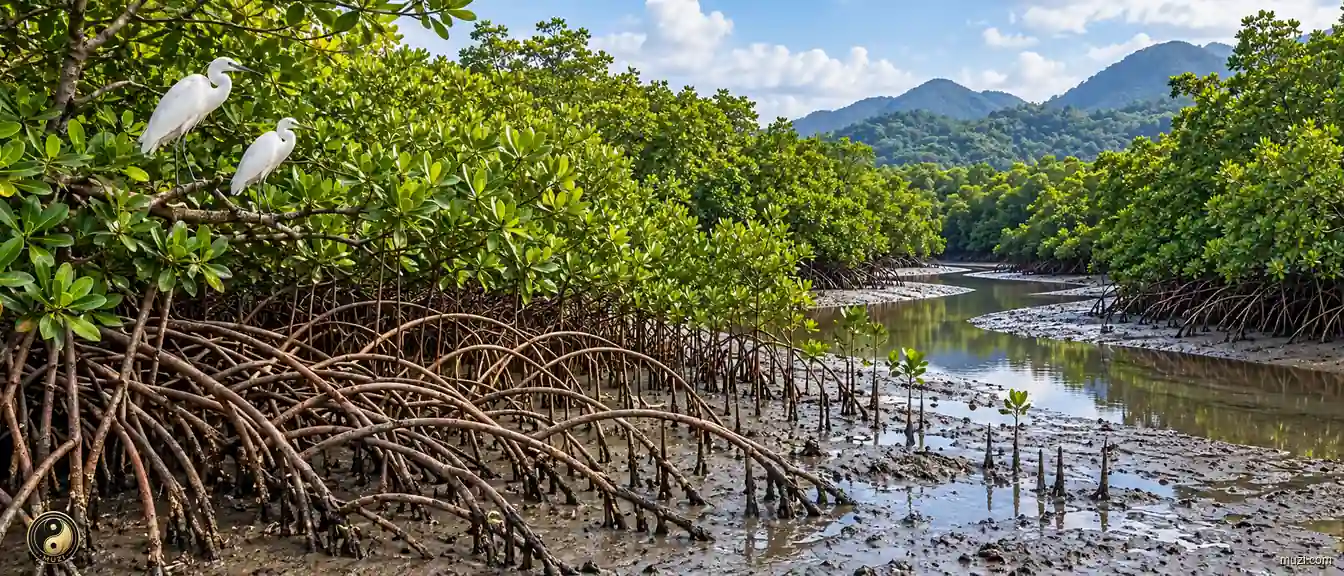
 South China Mangroves
Two white birds perch among South China mangrove branches above intricate prop roots and a winding tidal creek.
Open the entryIn regional terms, the clearest first clue to Hainan is “A tropical island at the southern edge of the region, where coastal ecosystems, tropical crops, and sea routes meet.” Together, environmental, historical, and cultural elements give Hainan a profile that can be distinguished from nearby places. Continuing local life gave inherited spaces new uses and memories, allowing historical layers and contemporary activity to coexist. Today, the interaction between environment and society remains visible in landscape, urban texture, daily activity, and local memory. These details make Hainan a clear case of how a wider region is built from specific places and sustained lives.
Hainan
Prefecture-level
Haikou blends arcaded qilou streets, the Shishan volcanoes of the Leiqiong Global Geopark, the Five Lords Temple and Hai Rui's tomb.
 Prefecture-level
Sanya offers the Tianya Haijiao rocks facing the South China Sea, the beaches of Yalong Bay and Wuzhizhou Island and the old Yazhou town.
 Hainan
Prefecture-level
Sansha is seated on Yongxing Island, among coral reefs and white sands of the Xisha Islands where seabirds gather in great numbers.
 Prefecture-level
Danzhou keeps Dongpo Academy from Su Shi's exile, the Yangpu port on the Beibu Gulf and the call-and-response tiaosheng folk songs.
 Hainan
Prefecture-level
Once called Tongza, Li for a fertile valley, this hill town beneath Hainan's highest peak is where the Wanquan River begins.
 Hainan
Prefecture-level
Coconut country along the lower Wanquan River, which meets the sea at the Boao Jade Belt sandbar, and home of Jiaji duck.
 Hainan
Prefecture-level
Descended from the Han-era Zibei County, this coconut-fringed seaboard town gave Hainan both Wenchang chicken and an old Confucian academy.
 Hainan
Prefecture-level
The old Tang prefecture of Wan'an steps down from Niushang Ridge to the bays and fishing villages of Hainan's southeast shore.
 Hainan
Prefecture-level
Heir to the Han county of Jiulong and Sui county of Gan'en, this Beibu Gulf coast holds Yulinzhou, Hainan's westernmost cape.
 Hainan
Prefecture-level
Known of old as Dingyang, this northern Hainan county honours the Song Daoist Bai Yuchan at Wenbi Peak beside Nanli Lake.
 Hainan
Prefecture-level
Settlers who cleared wasteland here in the late Ming hoped to prosper, giving Tunchang its name; Shixia village keeps Hai Rui's ancestral home.
 Hainan
Prefecture-level
A county since the Sui dynasty, Chengmai saw Su Shi pen verses at the Tongchao Pavilion on his voyage home, and is famed for Fushan coffee.
 Hainan
Prefecture-level
Named in the Kaiyuan reign of the Tang, this northwest Hainan county speaks its own Lingao language at the edge of the Qiongzhou Strait.
 Hainan
Prefecture-level
Baisha takes its name from the Qing garrison of Bosha, and the Nandu River rises in its southern hills before flowing north.
 Hainan
Prefecture-level
On the lower Changhua River since the Sui, Changjiang shelters Hainan gibbons in the Bawangling rainforest and ancient remains in Xinchong Cave.
 Hainan
Prefecture-level
Named after the Ming fort of Le'an on the old Le'an River, Ledong stretches from the Jianfengling rainforest down to the southwest coast.
 Hainan
Prefecture-level
A county since 610 and once seat of Tang Wan'an, Lingshui lines Hainan's southeast coast with monkey island and Tanka fishing rafts.
 Hainan
Prefecture-level
On the southern flank of Wuzhi Mountain, this Li and Miao upland county has hot springs beneath the seven spires of Qixianling and misty rainforest valleys.
 Hainan
Prefecture-level
Hainan's mountainous heartland on the north side of Wuzhi Mountain, where Limu Mountain, sacred to the Li as their ancestral peak, rises above cloud forest.
 South China Mangroves
A green Great Wall in the intertidal zones of the southeast coast — viviparous plants rooting in salt water, a natural coastal buffer against typhoons and storm surges.
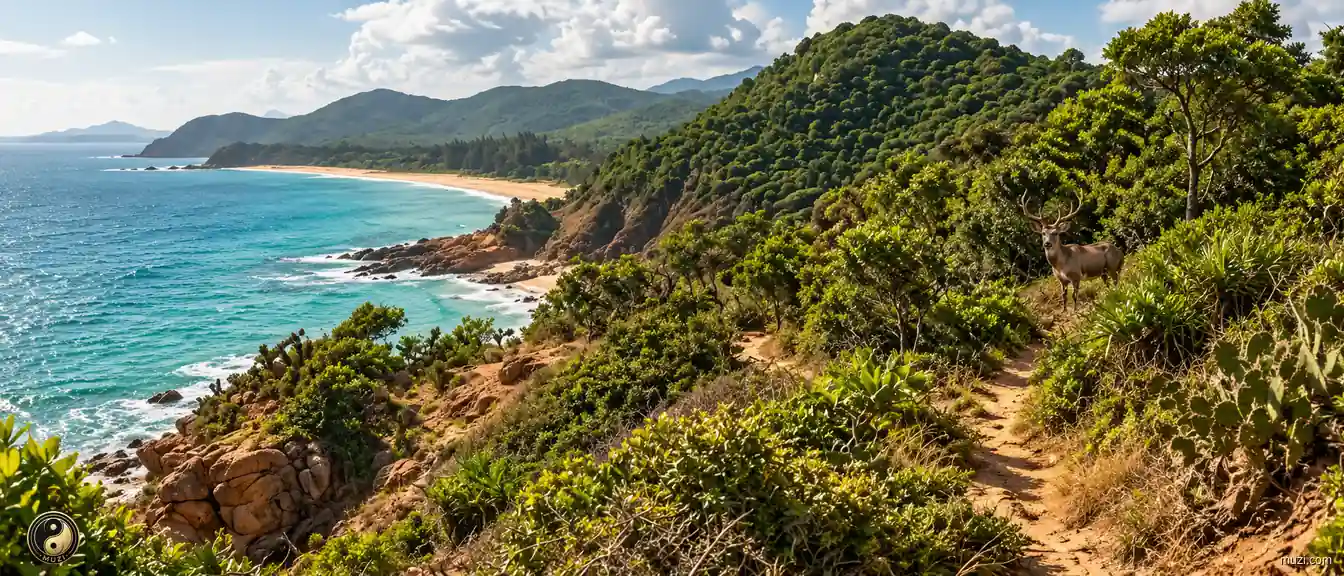
 Hainan Tropical Scrub
A unique savanna-scrub ecosystem on a tropical island — shaped by long-term geographic isolation, nurturing endemic species like the Hainan Eld's deer.
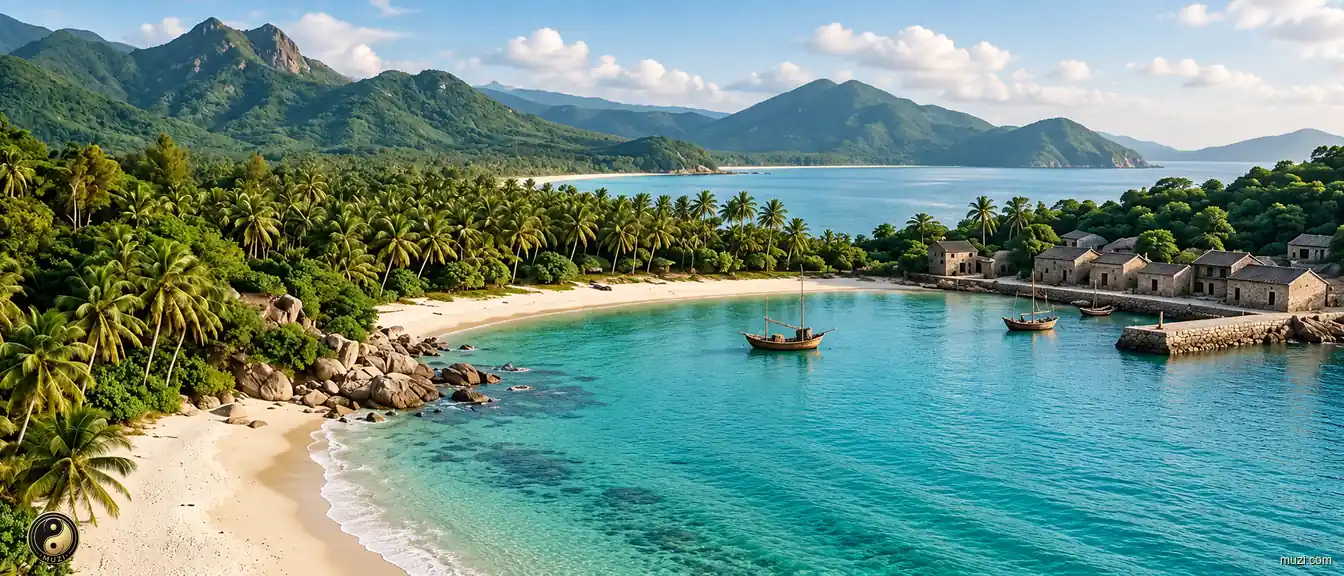
 Hainan Island
Hainan is a large tropical island of coconut breezes and sea, remembered in Su Dongpo's verse as a homeland.
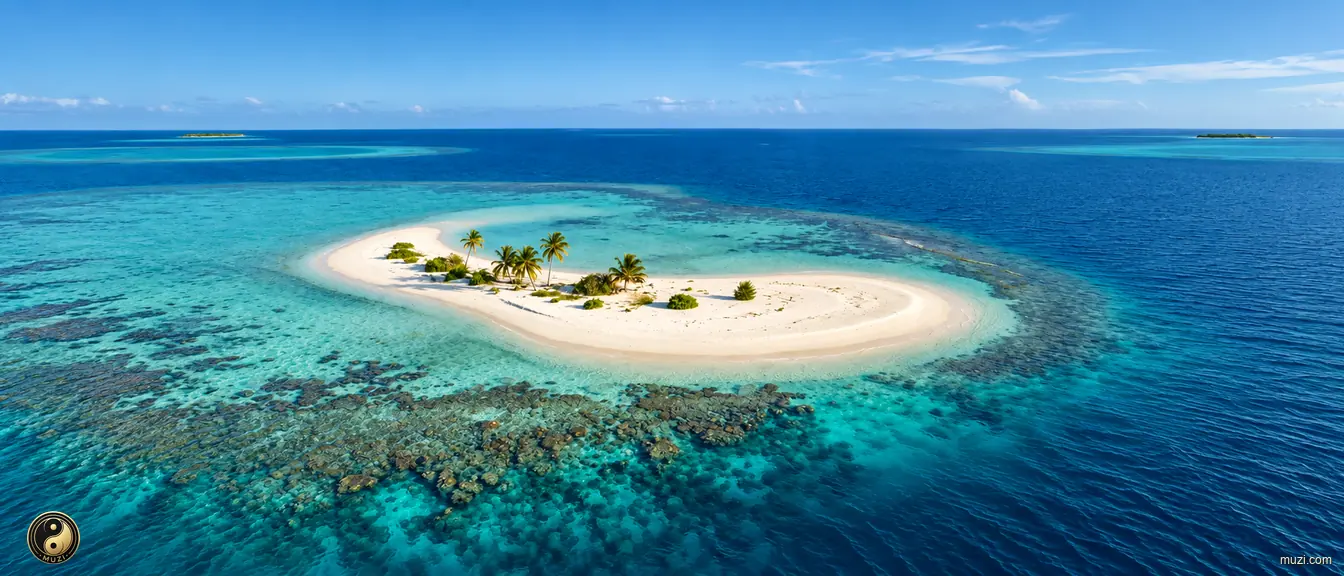
 South China Sea Islands
Coral islands, reefs, and shoals scattered across the South China Sea form a far-reaching marine landscape.