





 Prefecture-level
Our Lady of Fatima
Our Lady of Fatima is readily recognized through river valleys and inherited local memory.
 MUZIChinese Matrix
A compact bay city on the Pearl River estuary, retaining historic districts, Sino-Portuguese architecture, and maritime exchange.
The spatial setting of Macau is grounded in the local fact “A compact bay city on the Pearl River estuary, retaining historic districts, Sino-Portuguese architecture, and maritime exchange.” These relationships connect landscape, inherited places, and community experience without reducing Macau to an administrative label. Over time, these relationships accumulated through residence, exchange, production, and community continuity across successive historical periods. Viewed beside neighboring areas, Macau also shows how roads, resources, and movement create local distinctions within a wider region. For regional study, Macau places location, long-term formation, and present meaning within one connected explanation.
Prefecture-level
Our Lady of Fatima is readily recognized through river valleys and inherited local memory.
 Prefecture-level
Think of St. Anthony, and estuarine routes and port traditions are among the first things that come to mind.
Prefecture-level
highland scenery and pastoral culture offers the clearest regional clue to Cathedral.
Prefecture-level
For St. Lazarus, plain-country farming and old town remains forms an essential setting.
Prefecture-level
mountain corridors and frontier life write a distinctive line into St. Lawrence's urban profile.
Prefecture-level
Through valley settlements and industrial memory, Our Lady of Carmel gains a geographical signature.
Prefecture-level
In St. Francis Xavier, wetland habitats and waterside routines reveal a deeper local trajectory.
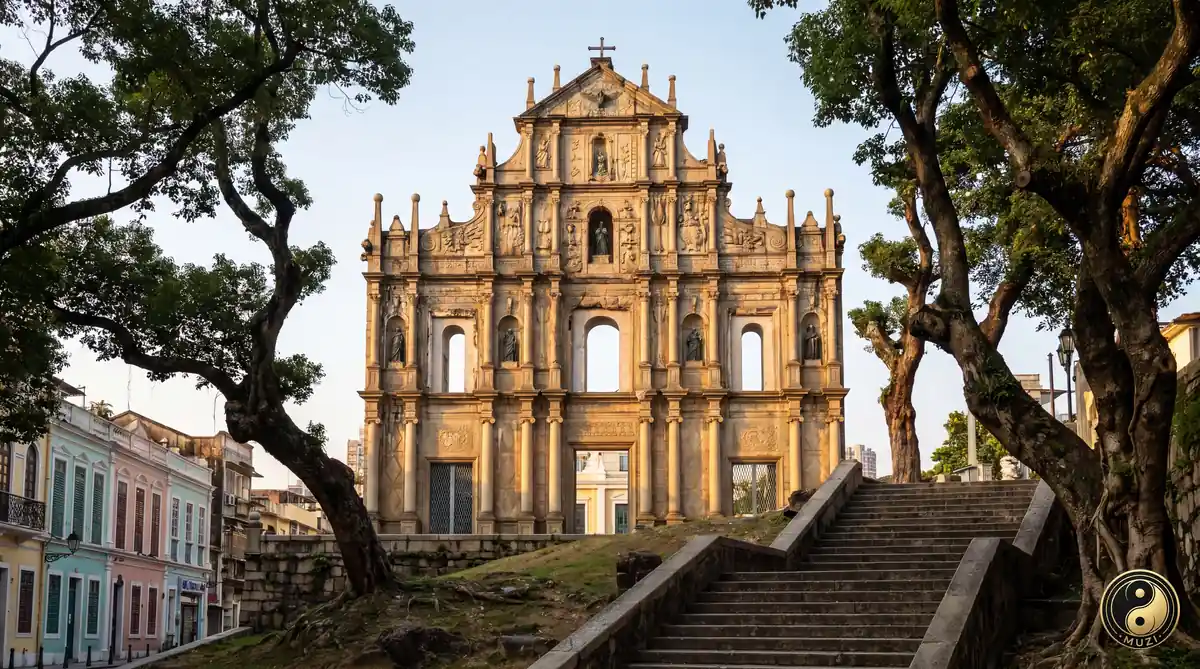
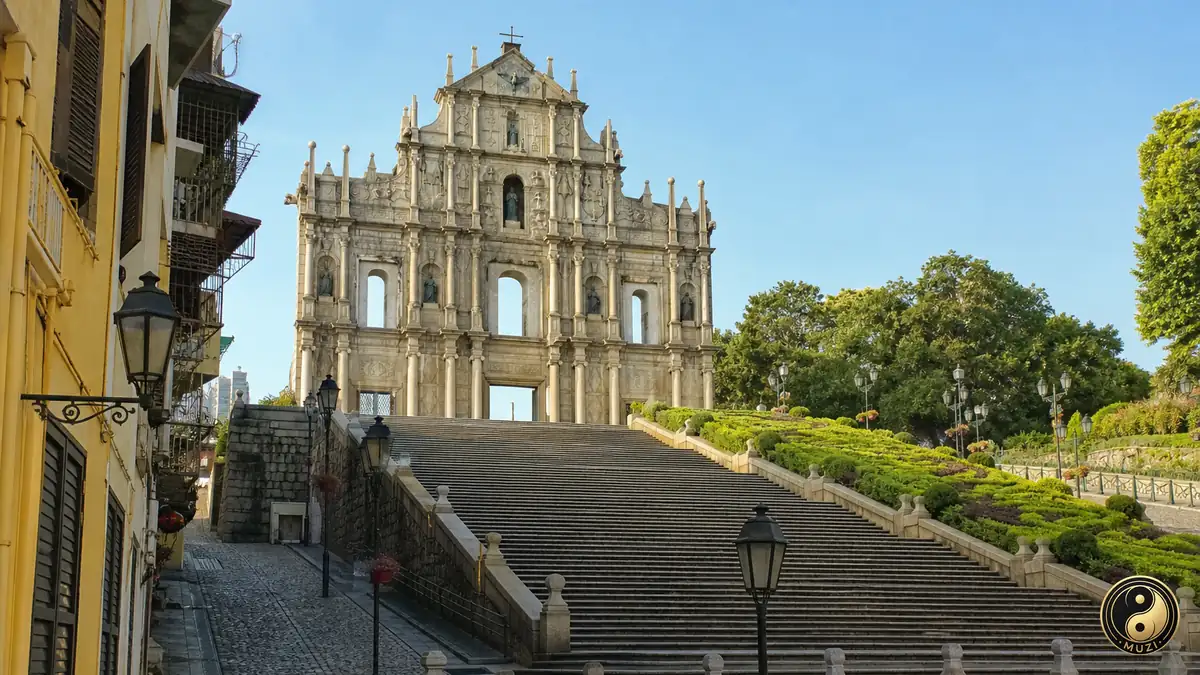
The facade of St. Paul's in Macau — begun by the Jesuits in 1602, the largest Catholic church in the Far East blending Baroque and Eastern motifs, a UNESCO World Heritage landmark and the eternal witness of East-West civilizational dialogue.