





 Prefecture-level
Heping
Heping is readily recognized through river valleys and inherited local memory.
 MUZIChinese Matrix
At the Haihe estuary, maritime trade and modern opening shaped a city of Chinese and international architectural legacies.
The regional profile of Tianjin begins with the concrete evidence “At the Haihe estuary, maritime trade and modern opening shaped a city of Chinese and international architectural legacies.” The clue links spatial form with everyday experience, giving the regional idea a concrete setting and human scale. Long-term change preserved, adjusted, and transmitted these relationships, showing how environmental influence and community action worked together. These interactions provide a factual basis for understanding the connections, distinctions, and continuities between Tianjin and nearby places. Its significance lies in connecting regional geography, historical continuity, and cultural difference through checkable local evidence about Tianjin.
Prefecture-level
Heping is readily recognized through river valleys and inherited local memory.
Prefecture-level
Think of Hedong, and estuarine routes and port traditions are among the first things that come to mind.
Prefecture-level
highland scenery and pastoral culture offers the clearest regional clue to Hexi.
Prefecture-level
For Nankai, plain-country farming and old town remains forms an essential setting.
Prefecture-level
mountain corridors and frontier life write a distinctive line into Hebei's urban profile.
Prefecture-level
Through valley settlements and industrial memory, Hongqiao gains a geographical signature.
Prefecture-level
In Dongli, wetland habitats and waterside routines reveal a deeper local trajectory.
 Prefecture-level
Xiqing finds its regional character in garden landscapes and scholarly traditions.
Prefecture-level
A useful way into Jinnan is through bay shores and fishing practice.
Prefecture-level
Beichen's local story begins with canyon terrain and rural settlements.
Prefecture-level
forest resources and cold-climate life give Wuqing a recognizable regional character.
Prefecture-level
Baodi retains the imprint of steppe pasture and seasonal movement.
Prefecture-level
Follow lakeside wetlands and water-town craft, and Binhai's regional layers come into view.
Prefecture-level
Ninghe turns basin fields and historic post roads into everyday life and local memory.
Prefecture-level
From geography to culture, hill tea country and handcraft history help define Jinghai.
Prefecture-level
island routes and maritime custom leave a double trace of nature and society in Jizhou.
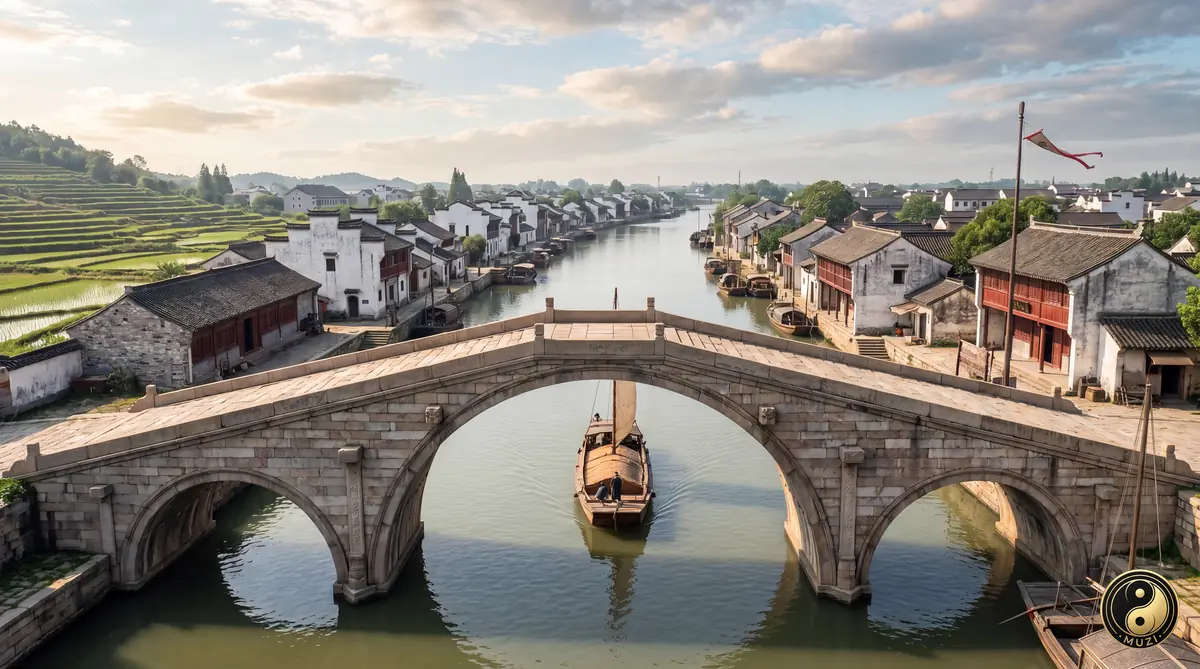
The world's longest man-made waterway — crossing five major river systems to connect north and south, continuously pumping southern grain and wealth into the empire's heart.
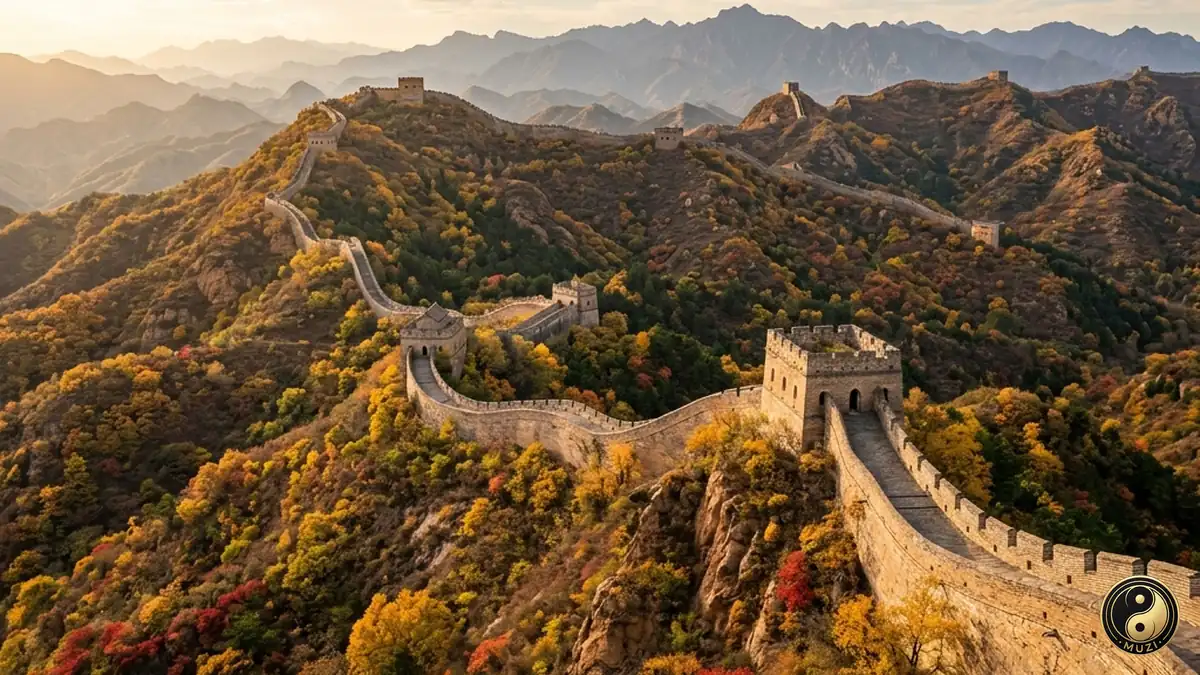
The longest military fortification in human history — winding ten thousand li along the northern ridges, guarding the boundary of agrarian civilization for two millennia.
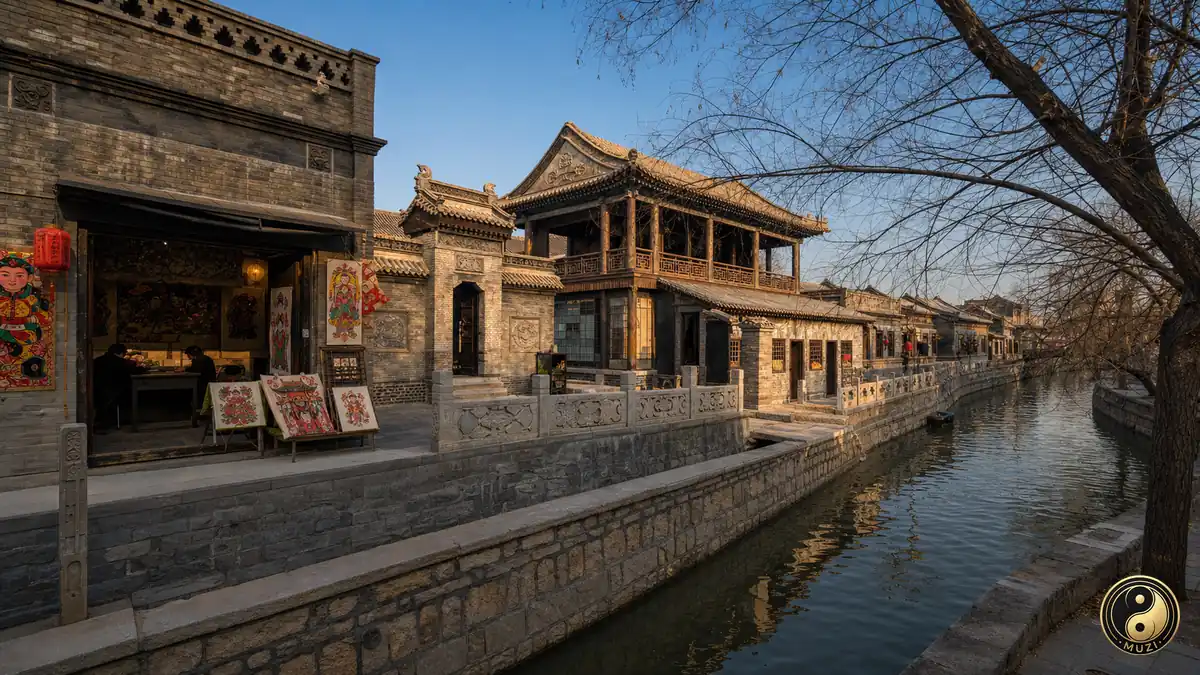
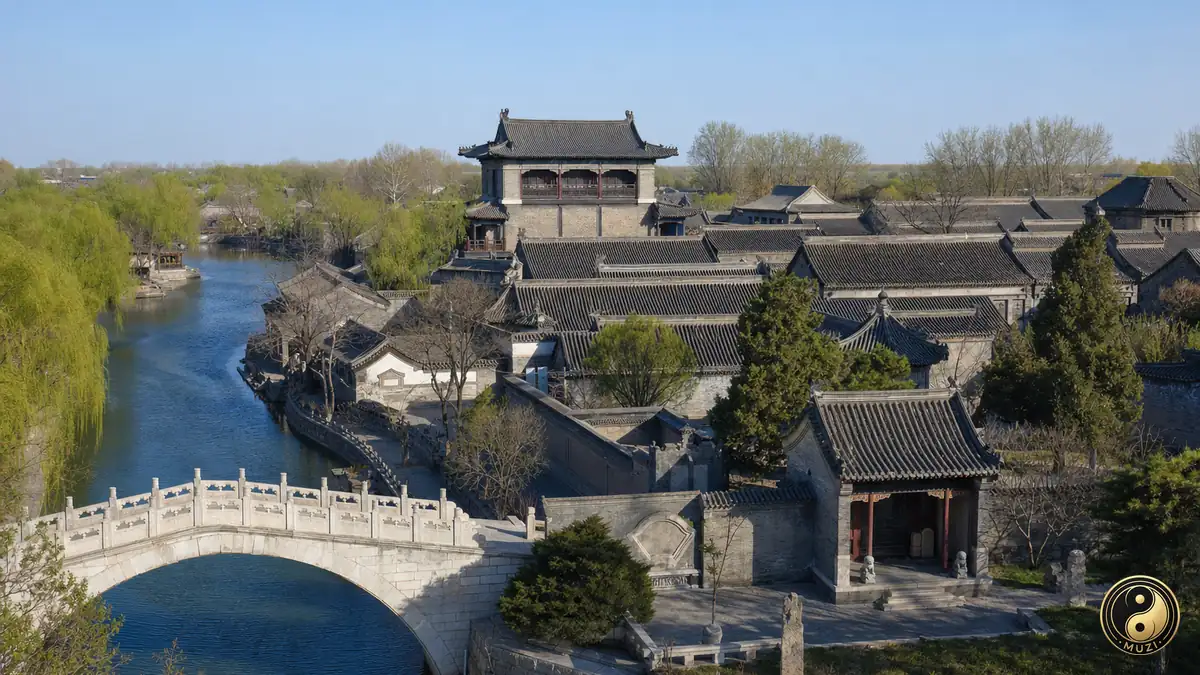
Hometown of China's woodblock New Year prints; northern folk-custom town nourished by the Grand Canal; Shi Family Mansion and opera stage showcase Tianjin merchant refinement.