





 Prefecture-level
Shijiazhuang
Hebei’s capital lies between the eastern Taihang foothills and the North China Plain, serving as a provincial political, commercial, and transport center.
 MUZIChinese Matrix
The North China hinterland beyond Beijing and Tianjin, with the Great Wall crossing mountains and coast amid Yanzhao heritage.
In regional terms, the clearest first clue to Hebei is “The North China hinterland beyond Beijing and Tianjin, with the Great Wall crossing mountains and coast amid Yanzhao heritage.” Together, environmental, historical, and cultural elements give Hebei a profile that can be distinguished from nearby places. Continuing local life gave inherited spaces new uses and memories, allowing historical layers and contemporary activity to coexist. Today, the interaction between environment and society remains visible in landscape, urban texture, daily activity, and local memory. These details make Hebei a clear case of how a wider region is built from specific places and sustained lives.
Prefecture-level
Hebei’s capital lies between the eastern Taihang foothills and the North China Plain, serving as a provincial political, commercial, and transport center.
 Prefecture-level
A Bohai Bay industrial port city known for modern industrial heritage, coastal commerce, and the civic memory of its rebuilding.
 Prefecture-level
A coastal gateway where the eastern Yanshan Mountains descend toward Bohai Bay across hills, plains, and shoreline.
 Prefecture-level
At the eastern Taihang foothills and southern North China Plain, Handan combines ancient Zhao heritage with a transport and industrial role in southern Hebei.
 Prefecture-level
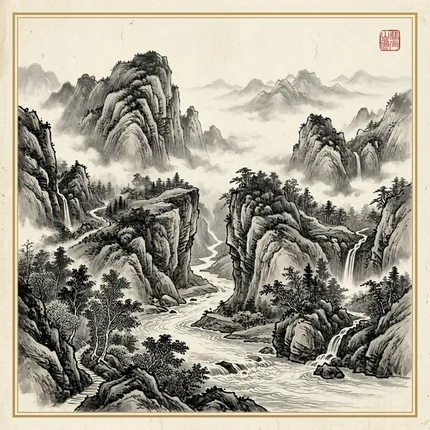
Set between the southern Hebei plain and the Taihang hills, Xingtai pairs Xingsiang historical heritage with manufacturing and agricultural counties.
Prefecture-level
A regional center between Beijing, Tianjin, and Shijiazhuang, combining Taihang piedmont landscapes, capital-region history, and a coordinating role in the Beijing-Tianjin-Hebei region.
Prefecture-level
A mountain-and-plateau city in northwestern Hebei, serving as a capital water-conservation area, ecological barrier, and northern transport corridor.
Prefecture-level
A mountain city north of Beijing and Tianjin between Inner Mongolia and Liaoning, anchored by the Imperial Summer Resort and its temple complex.
Prefecture-level
On the eastern North China Plain near Bohai Bay, Cangzhou is marked by the South Canal, saline coastal environments, and petrochemical industry.
Prefecture-level
A plain city between Beijing and Tianjin north of Xiong’an, whose transport position supports aviation-linked services, commerce, and logistics.
Prefecture-level
A city in the southern Haihe Plain, set within the Fuyang River basin and the wetland landscape of Hengshui Lake.
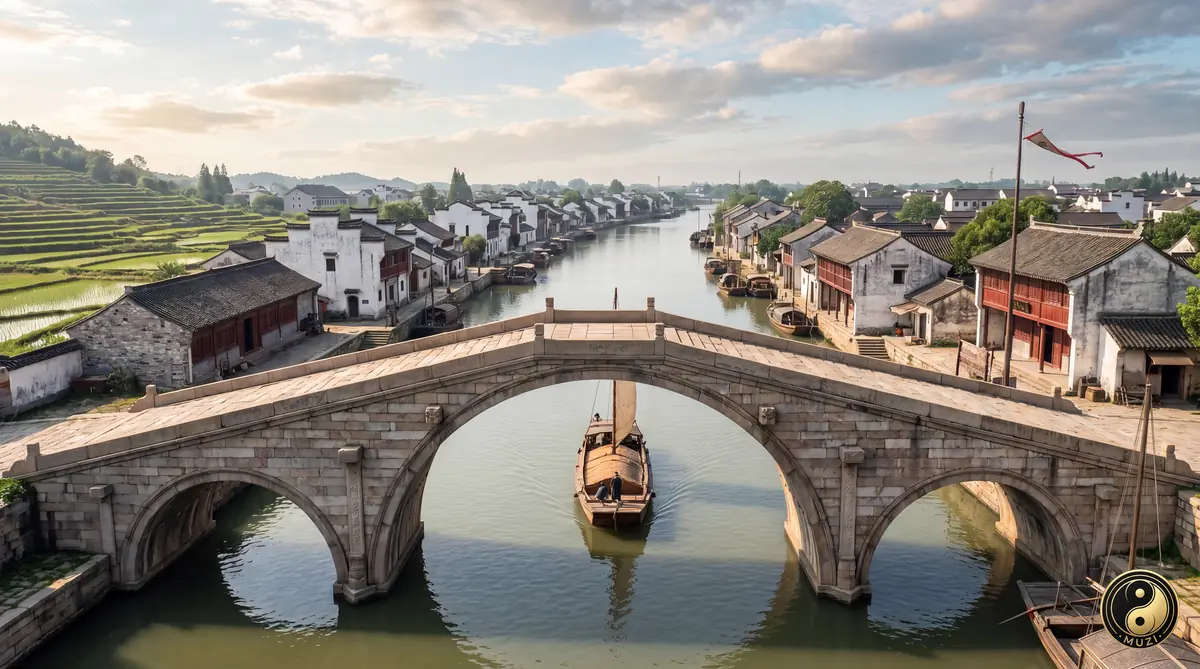
The world's longest man-made waterway — crossing five major river systems to connect north and south, continuously pumping southern grain and wealth into the empire's heart.
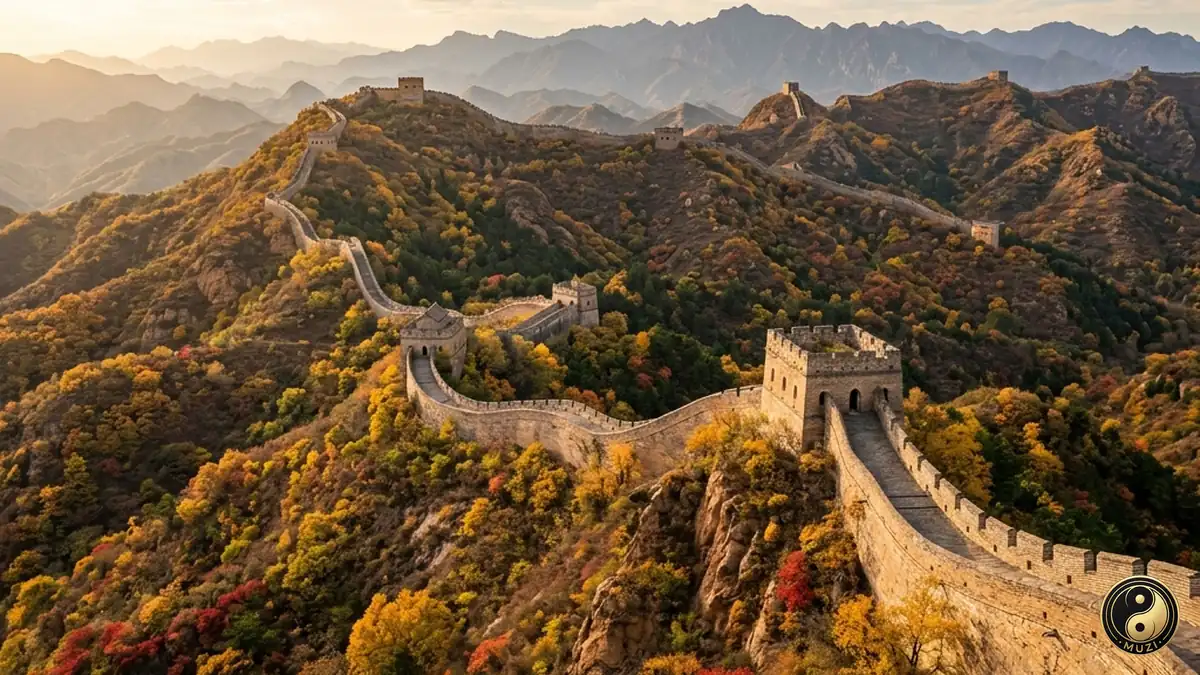
The longest military fortification in human history — winding ten thousand li along the northern ridges, guarding the boundary of agrarian civilization for two millennia.
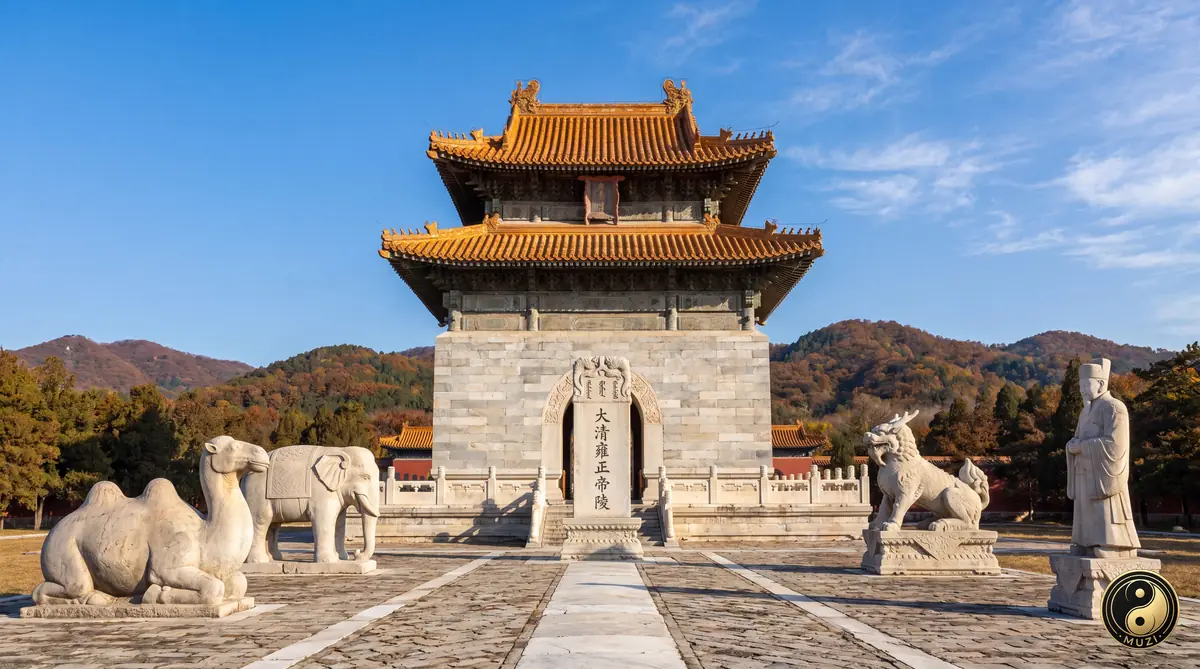
The largest imperial tomb complex inside the Great Wall — a Manchu-Han synthesis wrapping shamanic northern wildness and Confucian ritual order into the dynasty's underground ledger.
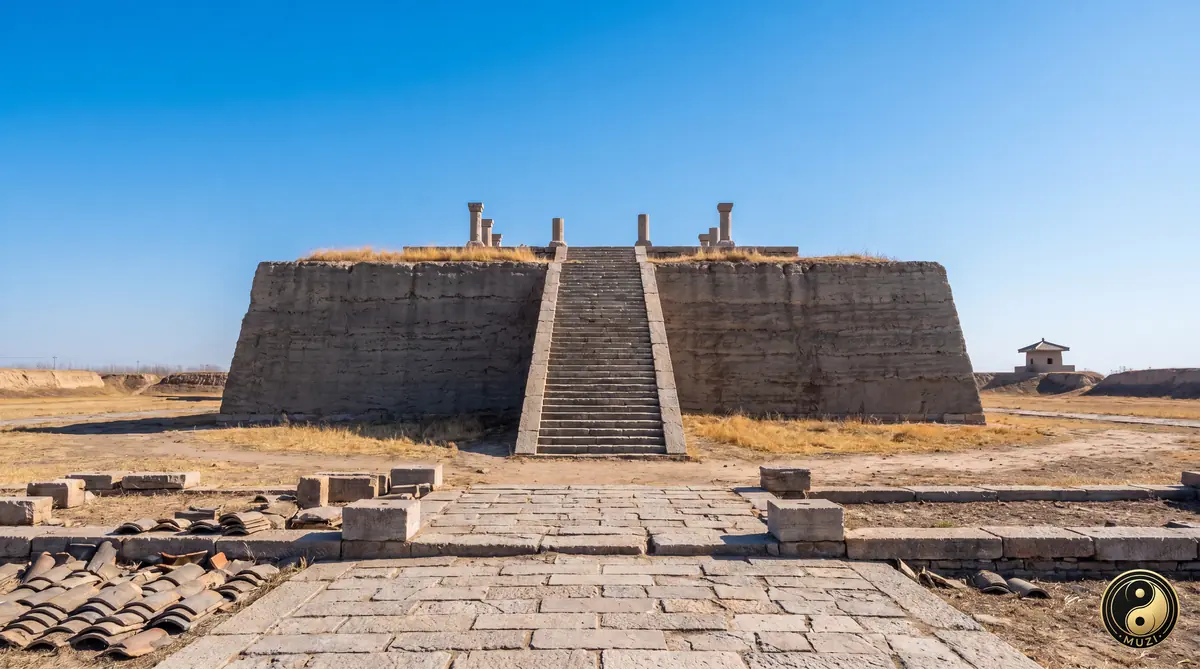
The Cao-Wei Ye City ruins — the first capital to isolate the ruler's core citadel outside the grid of wards, shattering the Han chaos of mixed officials and commoners, the ancestral template for a thousand years of rigidly compartmentalized imperial city planning.
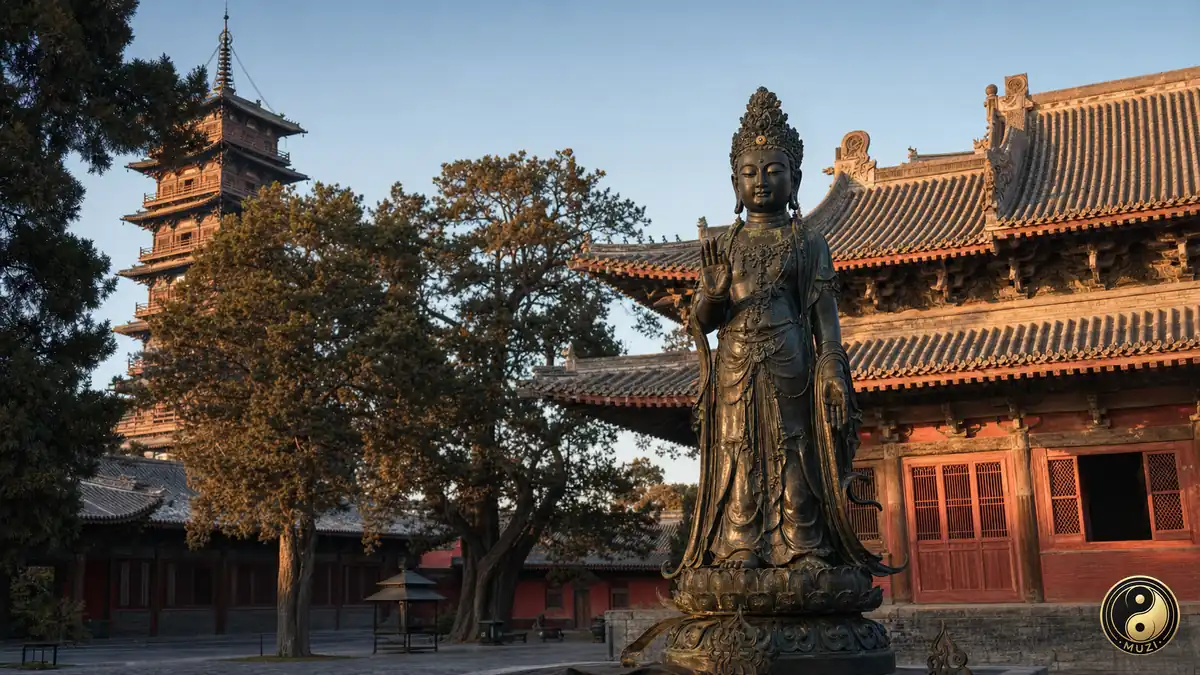
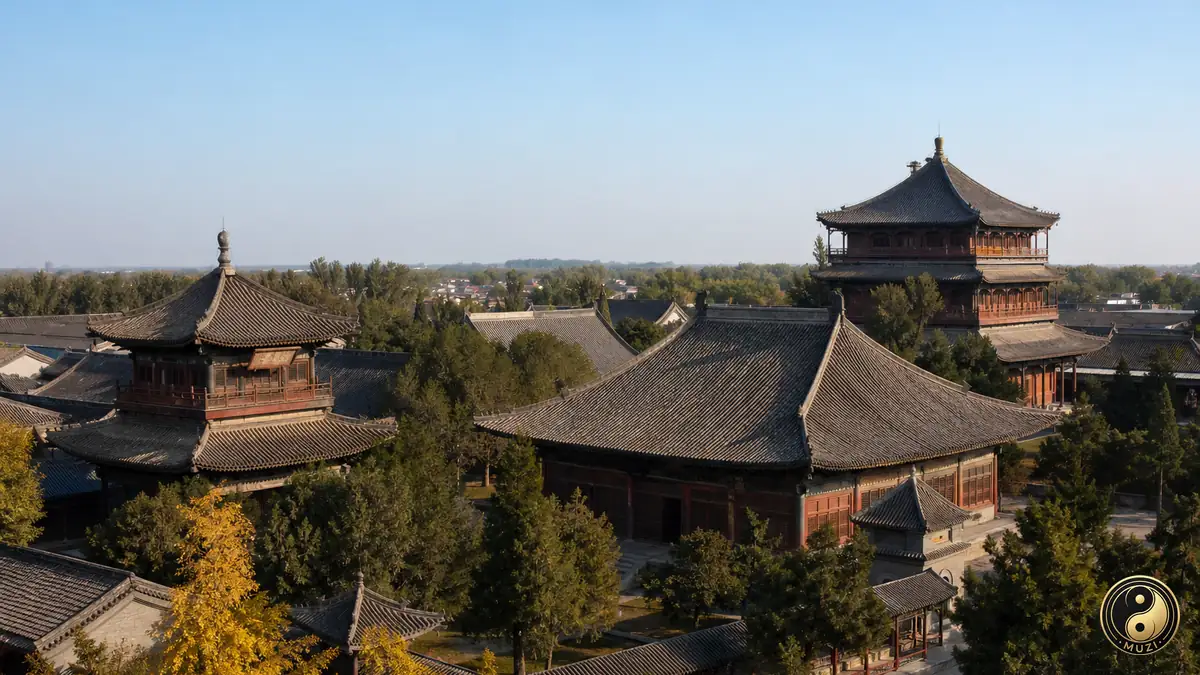
Zhengding preserves an ancient Buddhist landscape, Longxing Temple's cast-bronze Guanyin, Linji Temple heritage, and a Dream of the Red Chamber film set.
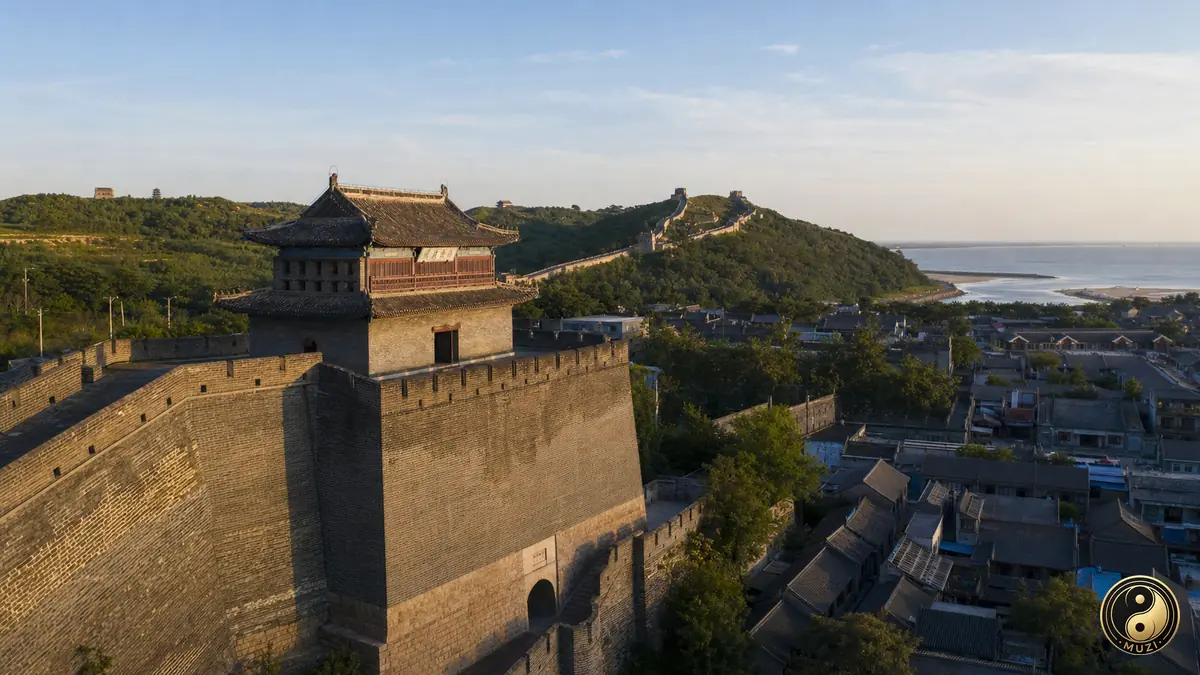
Eastern starting point of the Great Wall; 'No.1 Pass Under Heaven' commands the mountains and sea; Ming-Qing military fortress and city layout preserved intact; iconic Great Wall landmark.