





 County-level
Li Cheng District
The stone twin pagodas of Kaiyuan Temple soar above ancient red-brick alleys on West Street in Licheng, heart of the UNESCO World Heritage maritime emporium.
 MUZIChinese Matrix
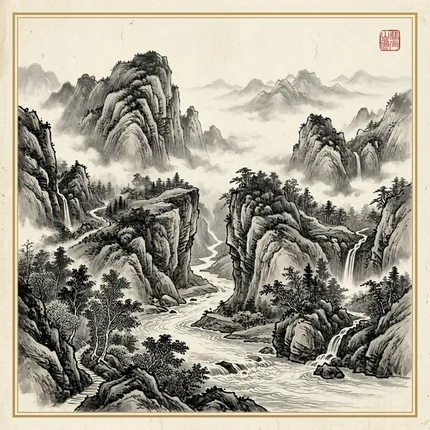
mountain corridors and frontier life write a distinctive line into Quanzhou's urban profile.
For Quanzhou, the relationship between place and life becomes visible in “Mountain corridors and frontier life write a distinctive line into Quanzhou's urban profile.” This evidence connects landform, movement, settlement, and cultural expression instead of treating them as isolated details. The present profile of Quanzhou reflects environmental adaptation and local stewardship built up over an extended period rather than a short-lived change. This process explains how Quanzhou remains connected to its surrounding region while retaining a recognizable local character. That is why Quanzhou matters: local detail can illuminate environmental setting, social process, and cultural memory together.
County-level
The stone twin pagodas of Kaiyuan Temple soar above ancient red-brick alleys on West Street in Licheng, heart of the UNESCO World Heritage maritime emporium.
County-level
The monumental Song-dynasty stone statue of Laozi rests on Mount Qingyuan in Fengze, near traditional oyster-shell houses and floral hair traditions of Xunpu.
County-level
The Song-dynasty Luoyang Bridge spans sea waters in Luojiang as an early maritime stone beam bridge, pioneered by scholar-official Cai Xiang.
County-level
Extensive red-brick Ming and Qing courtyard mansions grace Tukeng village in Quangang, overlooking coastal mangrove wetlands along Meizhou Bay.
County-level
The massive granite walls of Chongwu Ancient City overlook coastal waves in Hui An, famed for the distinctive attire of Hui An women and stone carving.
County-level
Terraced tea gardens in misty mountain valleys cradle Tieguanyin oolong tea in Anxi, home to the hanging Song-dynasty pavilions of Qingshui Rock.
County-level
Traditional aged vinegar brewing traditions anchor Yongchun, complemented by the virgin subalpine forests of Niumulin and White Crane martial arts.
County-level
World-famous Blanc de Chine white porcelain craft thrives in Dehua, where ancient kiln sites at Qudougong echo centuries of maritime Silk Road exports.
County-level
Granite peaks of Mount Taiwu look down upon traditional swallowtail courtyard hamlets in Kinmen, celebrated for protective stone Wind Lion God statues.
County-level
The stone Gusa Pagoda atop Mount Baogai guided ancient Maritime Silk Road navigators in Shishi, beside the Ming fortress of Yongning Ancient City.
County-level
The five-li stone beam Anping Bridge spans tidal flats in Jinjiang, home to the unique Manichaean stone Buddha relief at Caoan Temple.
County-level
Song-dynasty sea prayer cliff carvings at Mount Jiuri record maritime trade ceremonies in Nan An, ancestral home of hero Zheng Chenggong and Cai Clan Mansions.
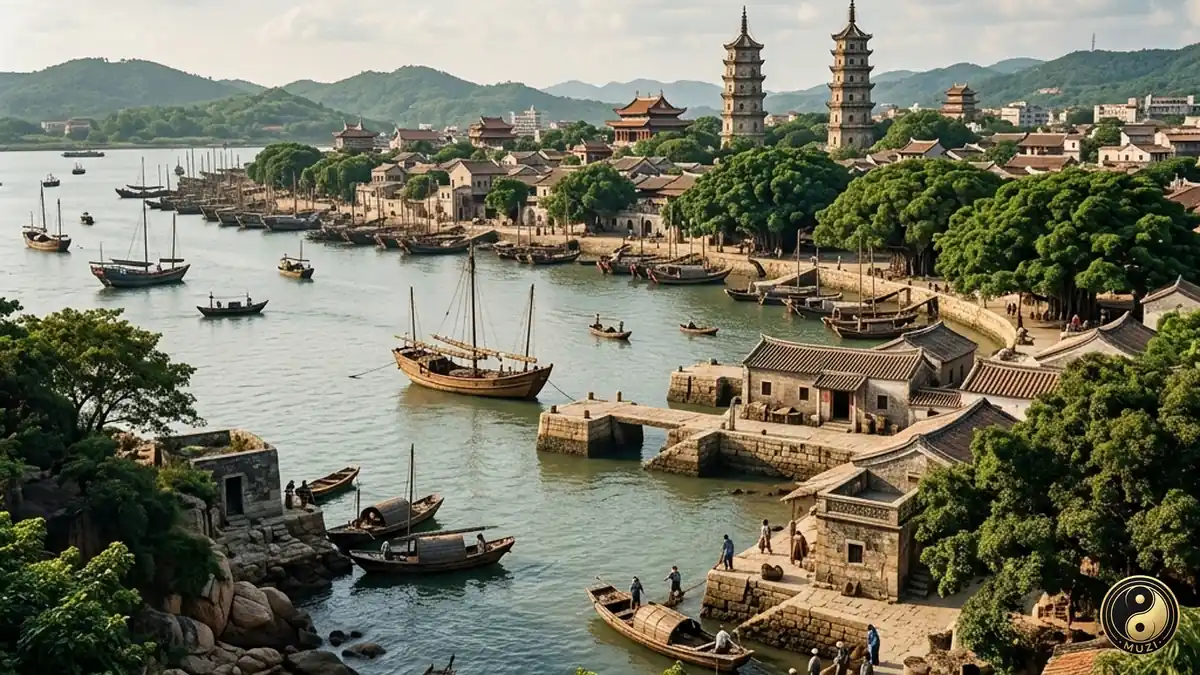
The world's largest port during the Song and Yuan dynasties, the starting point of the Maritime Silk Road — where Marco Polo beheld the Zaytun city in full bloom, the Orient's greatest harbor.
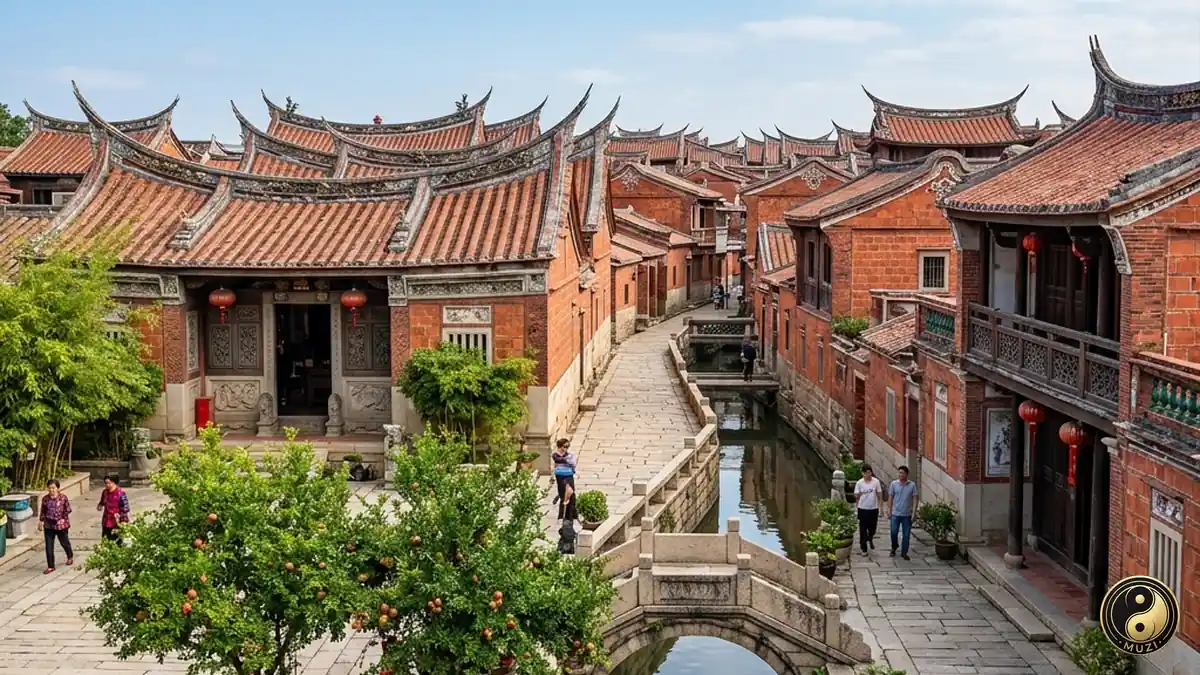
A dense lineage-based red-brick settlement on the southern Fujian coast — swallowtail ridges and brick-in-stone craftsmanship, witnessing the wealth and faith of Minnan clans on the Maritime Silk Road diaspora.