





 County-level
Pu Lan County
Pyramidal Mount Kailash soars above the turquoise waters of sacred Lake Manasarovar in Burang, home to the ancient wooden shrines of Khorzhak Monastery.
 MUZIChinese Matrix
In Ngari Prefecture, wetland habitats and waterside routines reveal a deeper local trajectory.
The spatial setting of Ngari Prefecture is grounded in the local fact “Wetland habitats and waterside routines reveal a deeper local trajectory.” These relationships connect landscape, inherited places, and community experience without reducing Ngari Prefecture to an administrative label. Over time, these relationships accumulated through residence, exchange, production, and community continuity across successive historical periods. Viewed beside neighboring areas, Ngari Prefecture also shows how roads, resources, and movement create local distinctions within a wider region. For regional study, Ngari Prefecture places location, long-term formation, and present meaning within one connected explanation.
County-level
Pyramidal Mount Kailash soars above the turquoise waters of sacred Lake Manasarovar in Burang, home to the ancient wooden shrines of Khorzhak Monastery.
County-level
The dramatic clifftop citadel ruins of the Guge Kingdom rise above the vast canyons of Zanda Earth Forest, beside the historic murals of Tholing Monastery.
County-level
The Sengge Zangbo merges with the Gar River in Gar, anchoring the high transportation crossways of the Western Ngari Plateau.
County-level
Crystal waters of Pangong Tso stretch across mountain frontiers in Rutog, celebrated for prehistoric cliff rock art and the clifftop Rutog Dzong citadel.
County-level
Springs along the upper Sengge Zangbo wind past tamarisk groves in Ge gye, renowned for prized high-altitude cashmere goat pastures.
County-level
The gleaming waters of Lake Dongtso mirror surrounding snowy ridges in Gerze, where ancient rock art reflects deep Zhangzhung nomadic antiquity.
County-level
Vast saline expanses of Lake Zhari Namco shimmer beneath sacred Mount Dago in Coqen, preserving centuries-old nomadic pastoral customs.
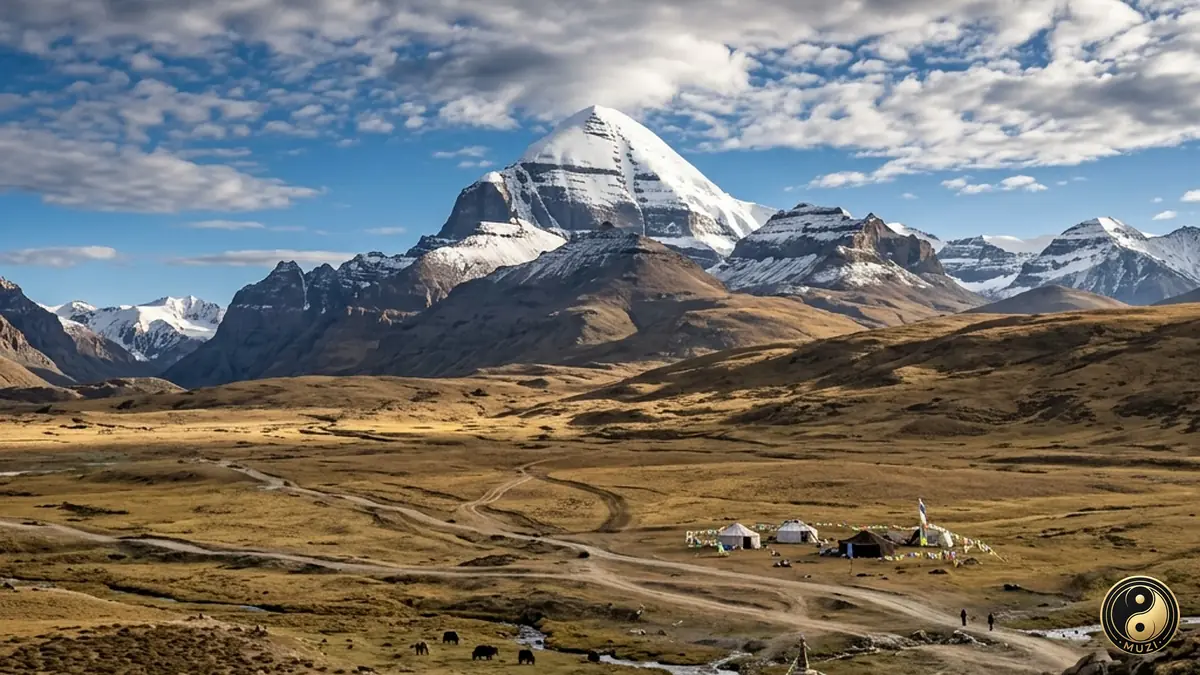
A high-altitude frozen desert of extreme aridity — its absolute physical isolation gave birth to the mysterious Guge Kingdom and Zhangzhung civilization.
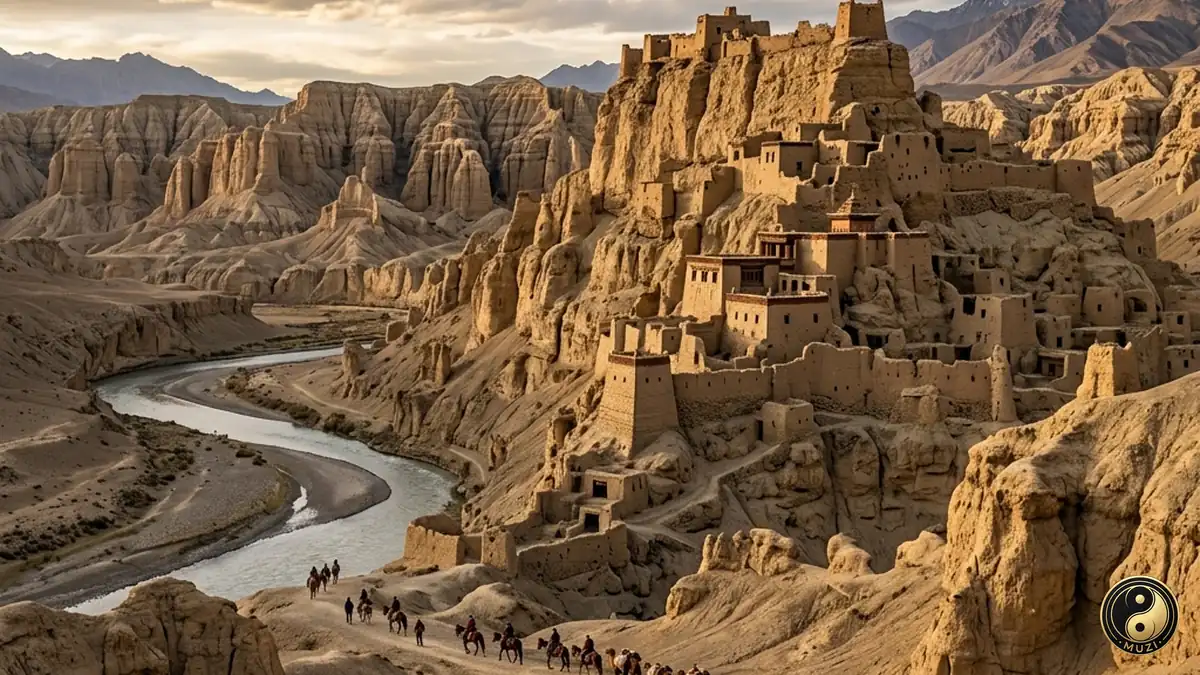
The site of the ancient Guge Kingdom — a colossal forest of yardang earth pillars carved by water erosion, a giant maze of clay geometries secretly hiding a vanished kingdom in extreme desolation.
The sacred mountain (6638m) revered by four world religions as the spiritual center of the universe.
View attraction
One of the highest freshwater lakes in the world (4588m), paired with Mount Kailash as sacred water.
View attraction
A dramatic cliffside fortress city holding rare Buddhist murals, the mysterious capital of Guge Kingdom.
View attraction
The oldest monastery in Western Tibet founded in 996 CE, cradle of the Later Diffusion of Tibetan Buddhism.
View attraction
Vast clay-sand canyons carved over millennia, presenting surreal vistas of ancient earth palaces.
View attraction