





 Prefecture-level
Zhengzhou
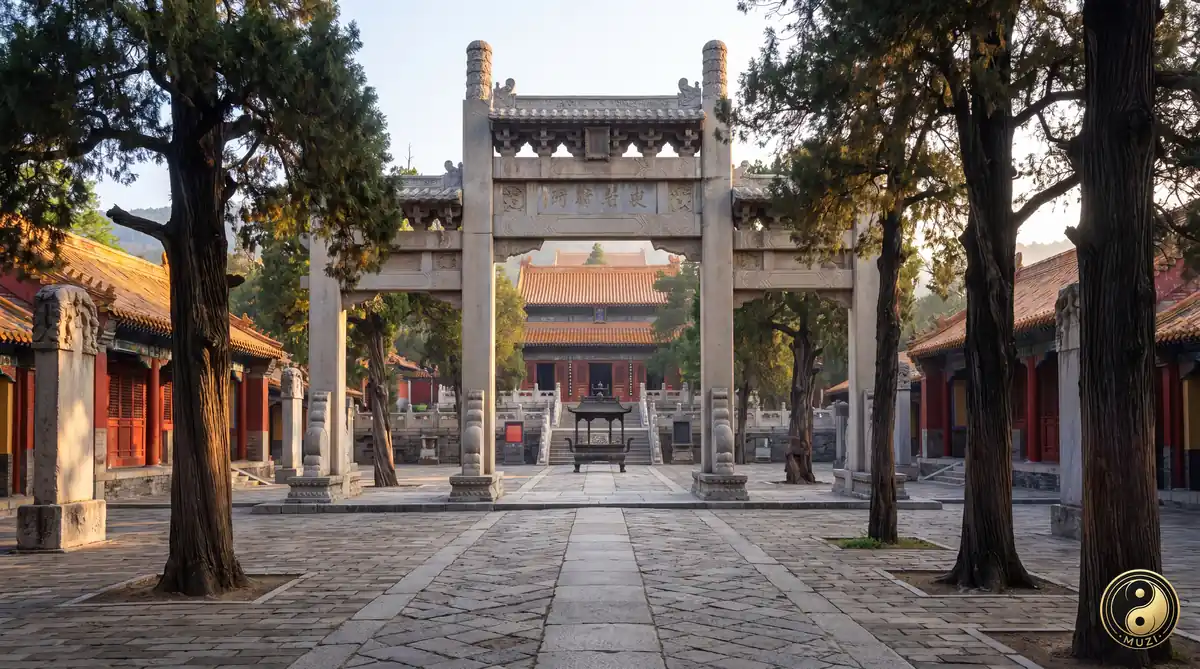
Situated between Mount Song and the Yellow River, Zhengzhou carries early Shang capital memory and a Central Plains crossroads.
 MUZIChinese Matrix
In the Yellow River heartland, ancient capitals and converging transport routes frame a province central to early Chinese civilization.
The spatial setting of Henan is grounded in the local fact “Ancient capitals and converging transport routes frame a province central to early Chinese civilization.” These relationships connect landscape, inherited places, and community experience without reducing Henan to an administrative label. Over time, these relationships accumulated through residence, exchange, production, and community continuity across successive historical periods. Viewed beside neighboring areas, Henan also shows how roads, resources, and movement create local distinctions within a wider region. For regional study, Henan places location, long-term formation, and present meaning within one connected explanation.
Prefecture-level
Situated between Mount Song and the Yellow River, Zhengzhou carries early Shang capital memory and a Central Plains crossroads.
 Prefecture-level
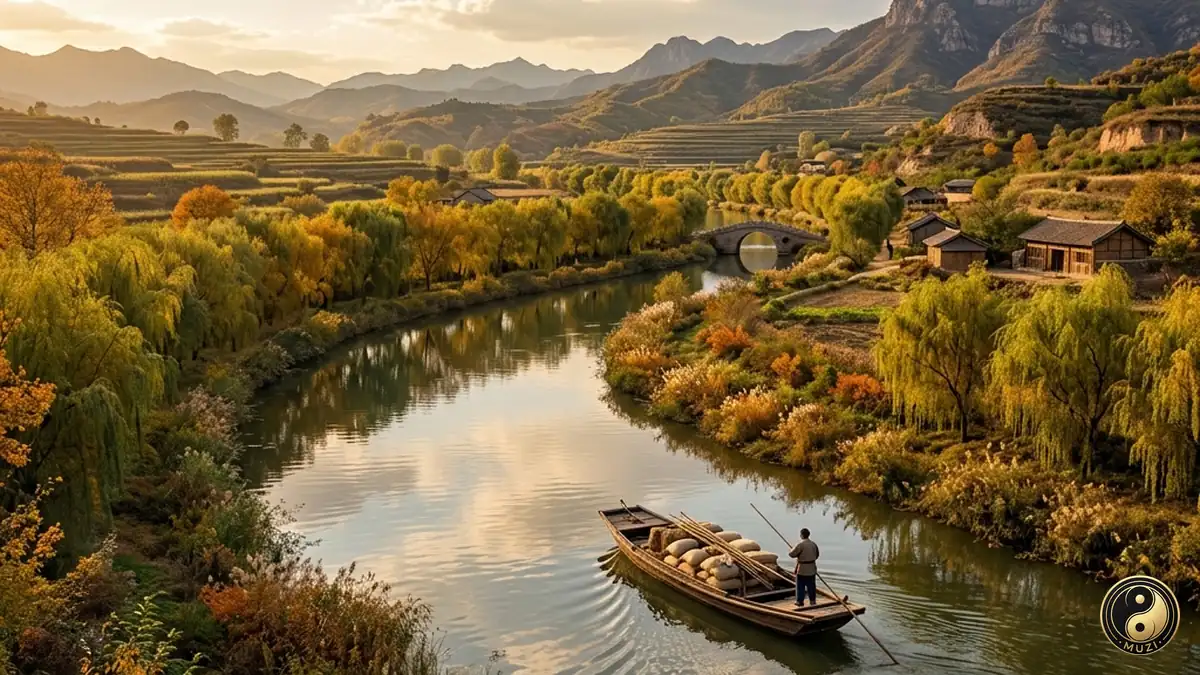
Ancient capital of eight dynasties and Northern Song canal hub along the Bian River, Kaifeng embodies the refinement of Central Plains heritage.
 Prefecture-level
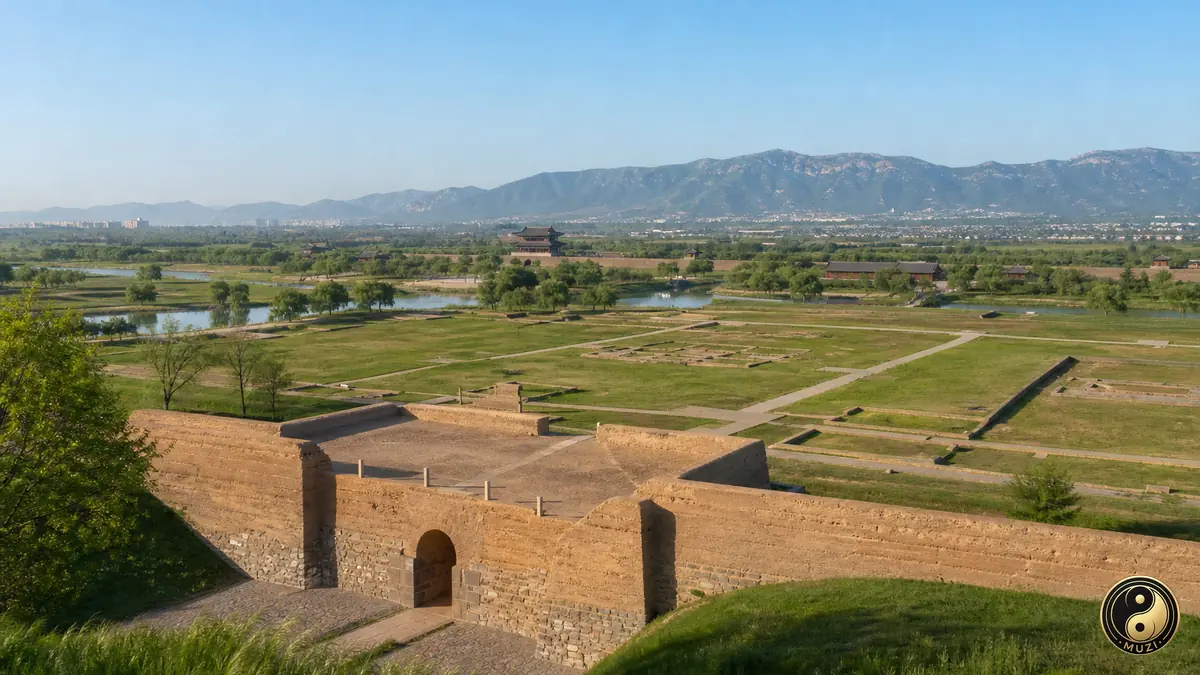
Ancient capital of thirteen dynasties and core of Heluo civilization, Luoyang anchors the Center of All Under Heaven with imperial sites and monumental grotto art.
 Prefecture-level
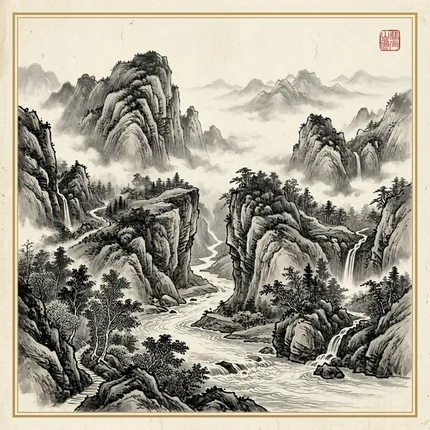
In the eastern foothills of Mount Funiu, Pingdingshan joins ancient Ying state heritage and Ru kiln traditions to fertile Central Plains farming.
 Prefecture-level
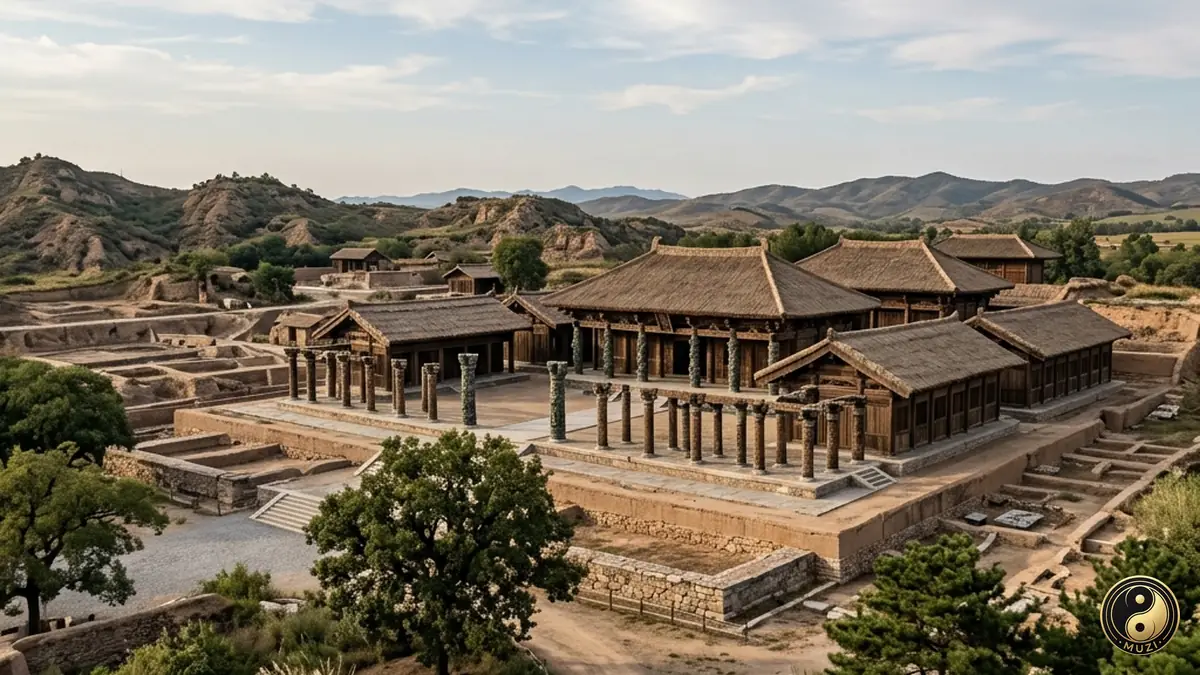
Shang dynasty capital and home of oracle bone script, Anyang opens the recorded history of Chinese civilization at the foot of the Taihang Mountains.
Prefecture-level
Along the historic Qi River celebrated in the Classic of Poetry, Hebi carries ancient settlement traditions along the eastern Taihang slopes.
Prefecture-level
Where the Muye battlefield meets the southern Taihang Mountains, Xinxiang pairs fertile Yellow River farmlands with soaring cliff landscapes.
Prefecture-level
Defined by the Yuntai Mountain gorge and the birthplace of Tai Chi in Chenjiagou, Jiaozuo unites dramatic Taihang escarpments with martial arts heritage.
Prefecture-level
Revered as the Dragon City of ancient Huaxia, Puyang preserves deep prehistoric lineages and historic Wei state culture across the Yellow River plain.
Prefecture-level
Former capital of Cao Wei during the Three Kingdoms and home of Jun porcelain kilns, Xuchang carries rich historical lore and ceramic craft.
Prefecture-level
A historic waterway town and home of dictionary pioneer Xu Shen, Luohe joins river-wharf commerce with a lasting scholarly tradition.
 Prefecture-level
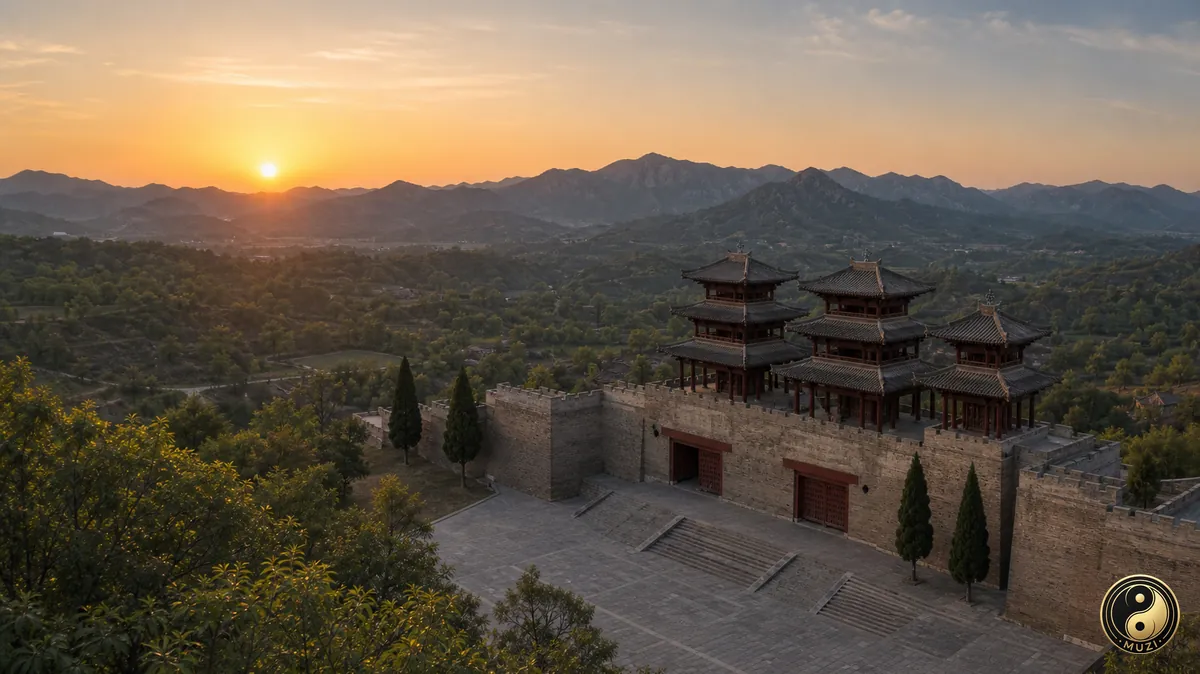
Site of the historic Hangu Pass and the Yellow River gorge where Laozi composed the Dao De Jing, Sanmenxia guards the ancient corridor between East and West.
 Prefecture-level
At the heart of the Nanyang Basin and home of the Sage of Strategy, Nanyang carries Wolonggang shrine history and Zhang Zhongjing's medical legacy.
Prefecture-level
Origin of early Shang civilization and site of the preserved Guide walled city, Shangqiu anchors the fertile eastern Henan plains.
Prefecture-level
Where the Dabie Mountains meet the upper Huai River, Xinyang blends northern and southern landscapes in rolling Maojian tea plantations and scenic mountain valleys.
Prefecture-level
Built around the Zhou family river port and the Fuxi tradition, Zhoukou brings ancient creation stories and Ming–Qing inland navigation into view.
Prefecture-level
A storied post-station crossroads on the southern Central Plains, Zhumadian unites Chaya Mountain granite landscapes with ancient relay-route history.
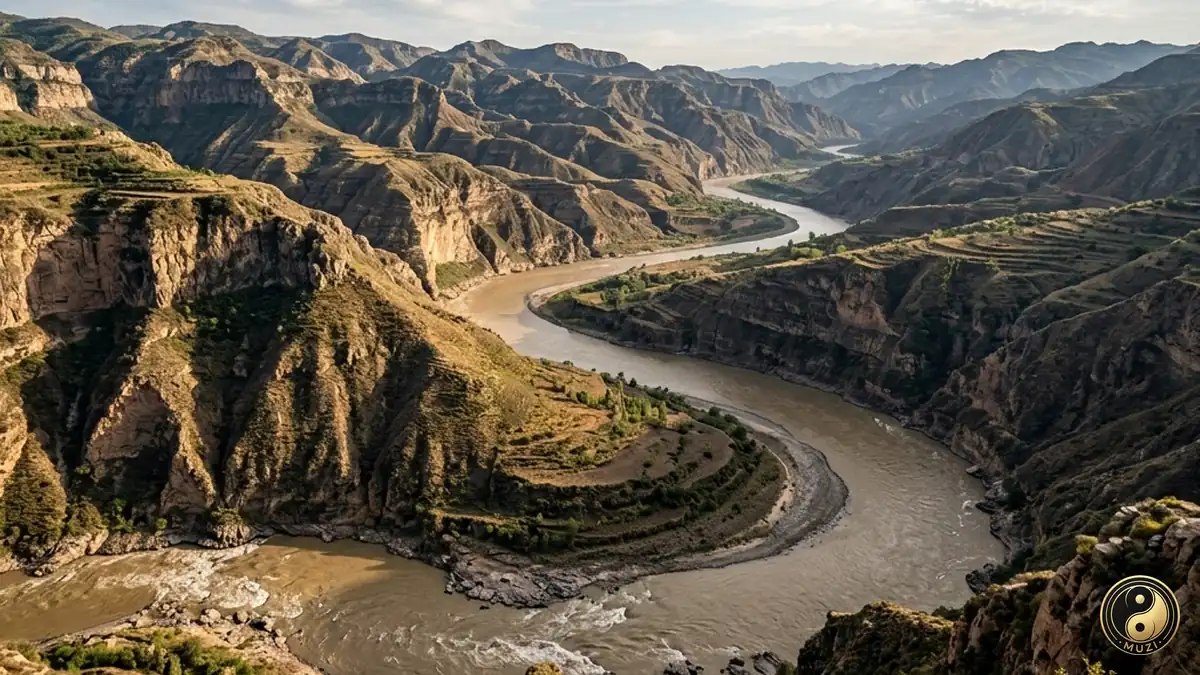
The Yellow River carries loess to the sea and remains a major river in the history of Chinese agrarian civilization.
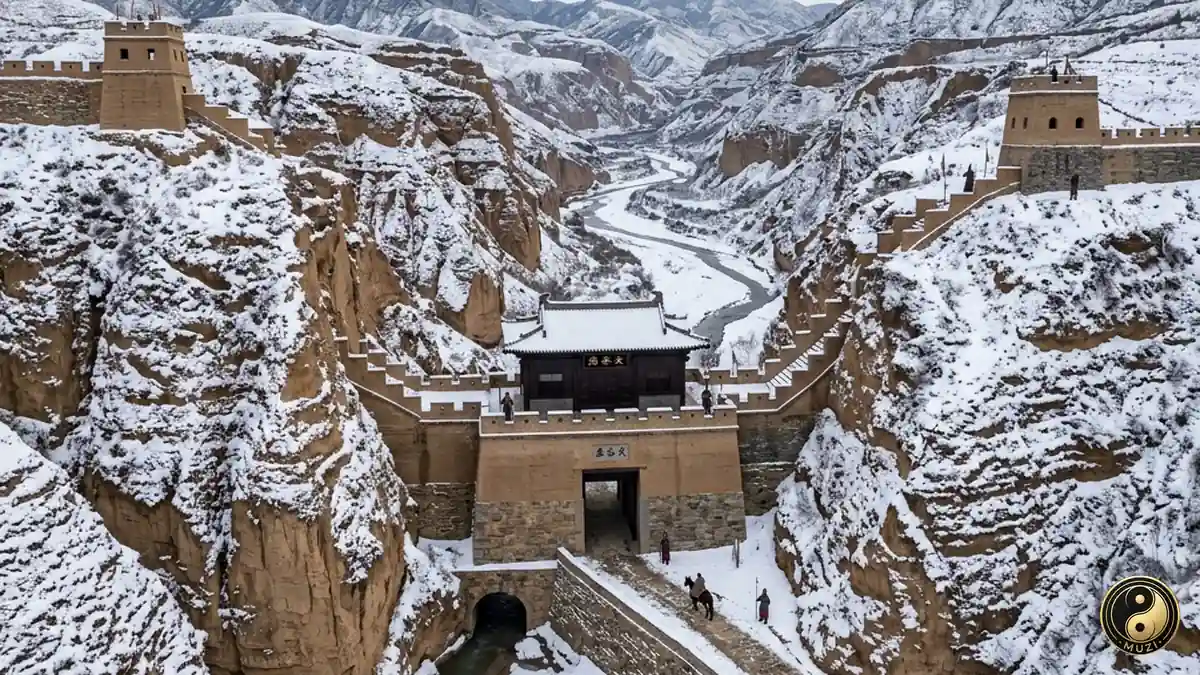
The natural choke point between the Xiao Mountains and the Yellow River — one man holding the pass against ten thousand, the most vital strategic gateway between ancient Guanzhong and the Central Plains.
Emperor Yang of Sui's super waterway network — a herringbone pattern connecting the entire empire, maximizing the bandwidth for pumping Jiangnan wealth to the imperial center.
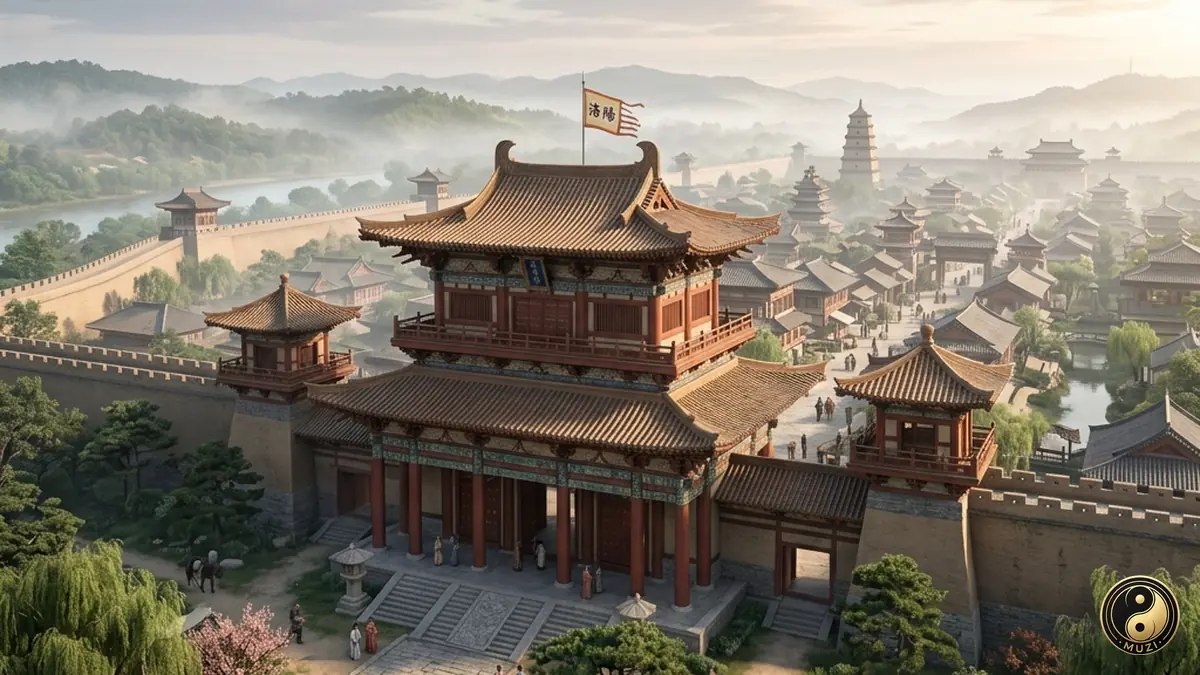
Luoyang, Center of All Under Heaven — the survey benchmark established at the Gaocheng Observatory, capital of thirteen dynasties, the orthodox capital coordinate every emperor dreamed of anchoring legitimacy to.
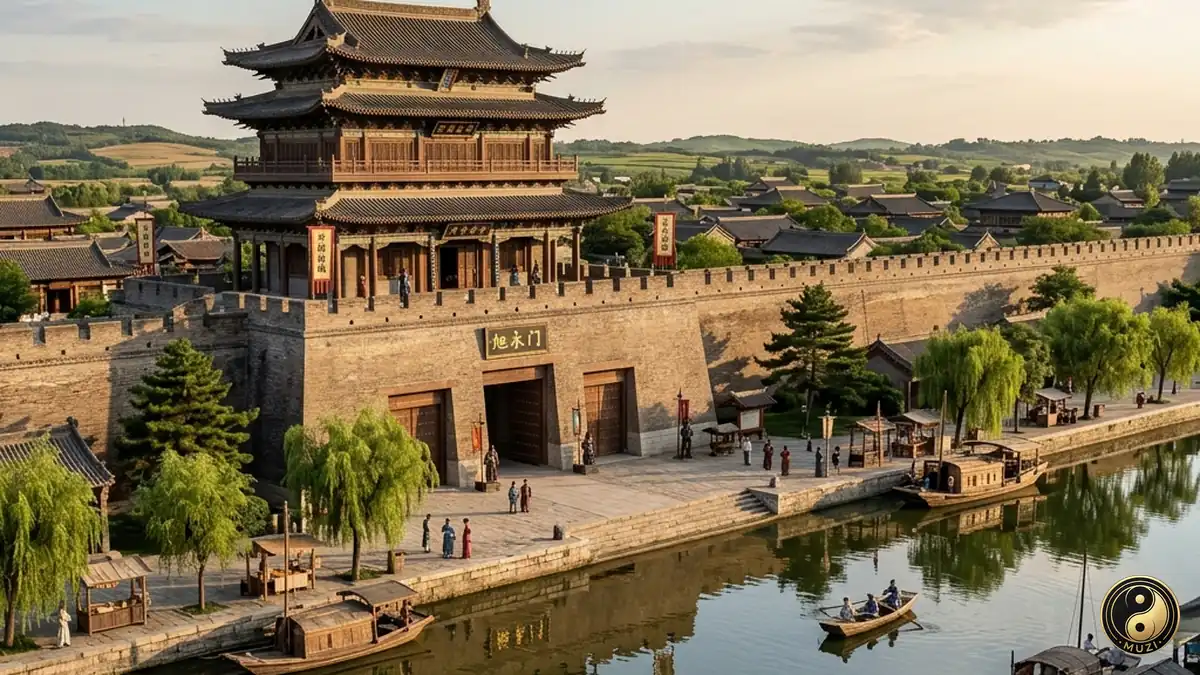
Northern Song Kaifeng's waterways opened space for night markets and urban life beyond the ward walls.
The ruins of Yin at Anyang — where oracle bones were unearthed, the Shang ancestral temples and bronze foundries, the dawn of Chinese written history and the pinnacle of the Bronze Age.
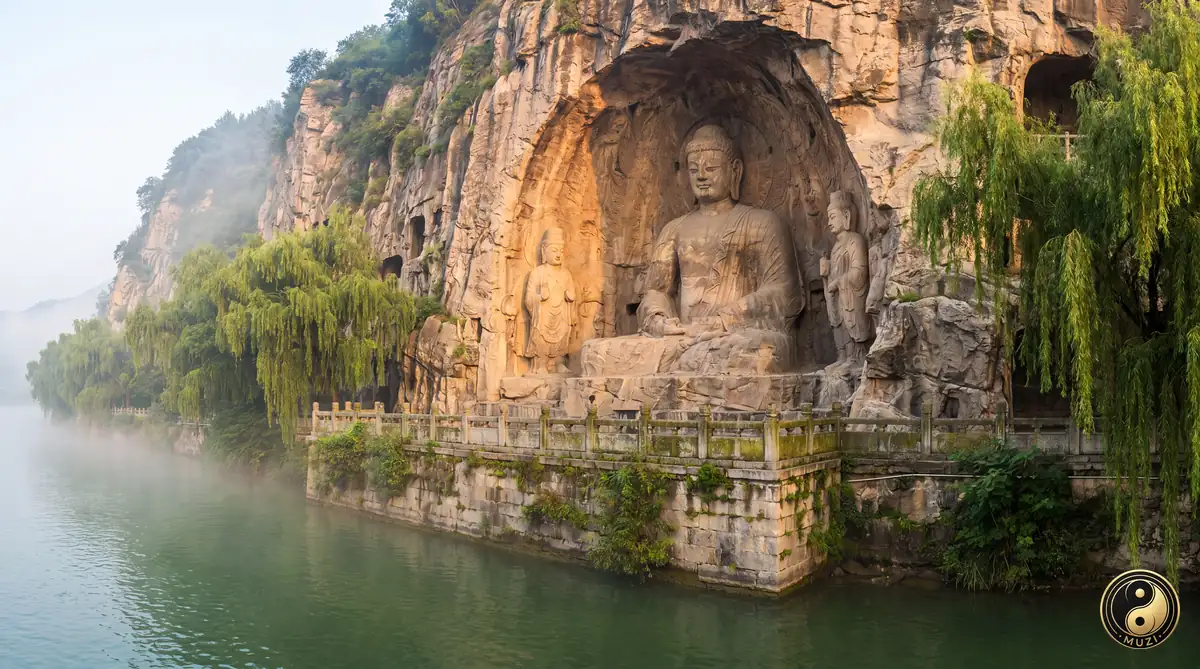
Longmen's Fengxian Temple — the Vairocana Buddha seated serenely above the Yi River, the eternal solidification of Wu Zetian's countenance and the supreme confidence of the High Tang.
The Zhongyue Temple on Mount Song — situated at the very survey benchmark of the Center of Heaven and Earth, an ancient Daoist complex that formatted raw mountain worship into a state-sanctioned orthodox ritual order.
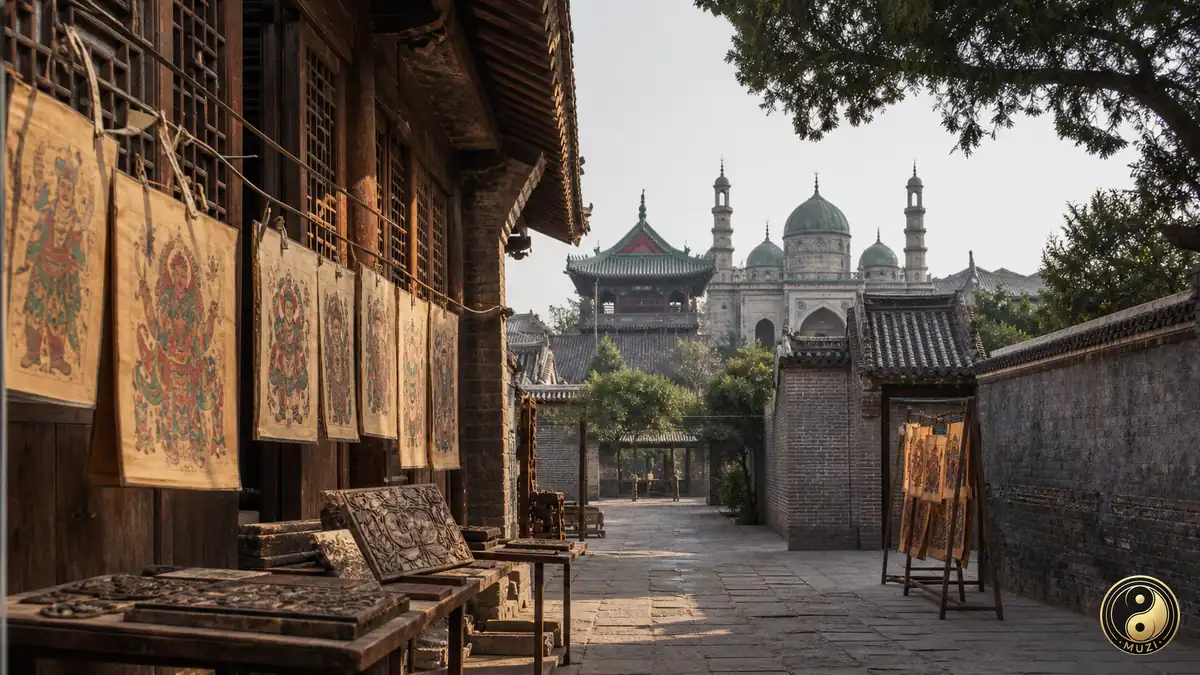
Zhuxian Town preserves woodblock New Year prints, Yue Fei-era military history, and multi-ethnic trade heritage around its mosque and ancient temple.
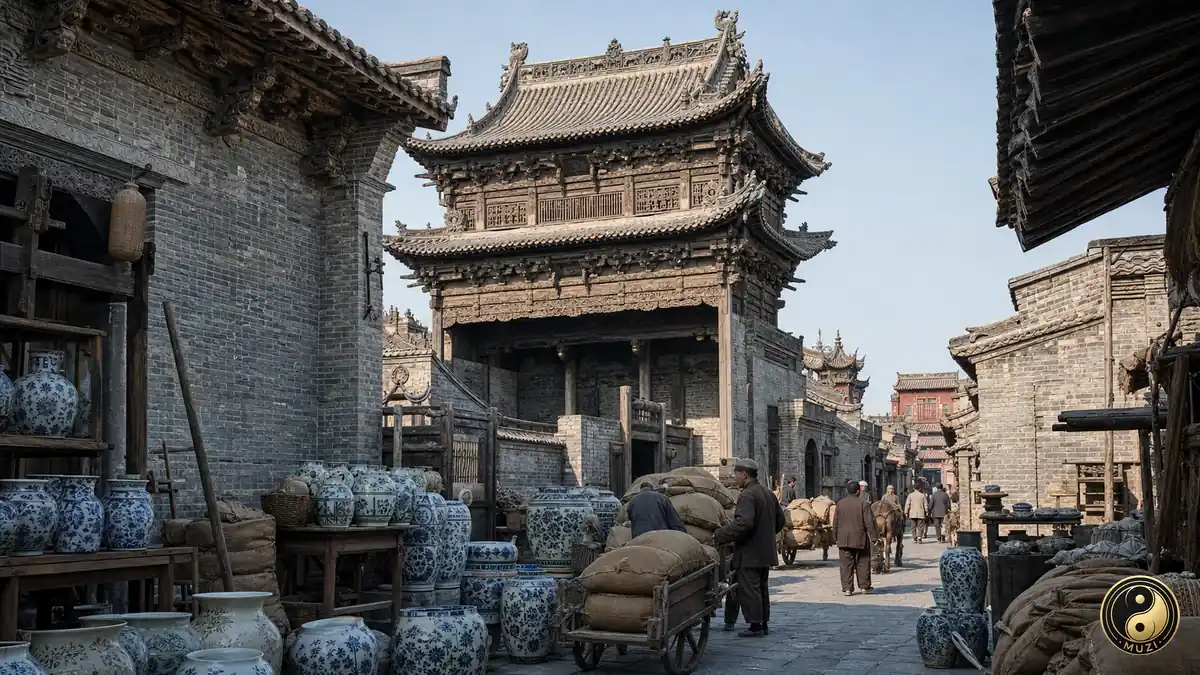
Key transfer station on the Ten-Thousand-Mile Tea Road and porcelain trade hub; the Shaanxi-Shanxi Guildhall and Fire God Temple preserve exquisite commercial architecture unrivaled in central China.