


 Taiwan
Prefecture-level
Taipei
Taipei 101 towers over the basin, the Palace Museum holds imperial treasures, and Taipei is known for Shilin Night Market and Yangmingshan hot springs.
 MUZIChinese Matrix
 Taiwan
A mountainous island region with varied southeastern coasts, layered local societies, and a rich cultural landscape.
 Sun Moon Lake
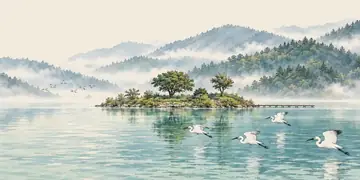
Mist hangs over the calm water of Sun Moon Lake, where a small island with a few trees sits mid-lake, four egrets fly low, and a wooden jetty reaches toward forested hills.
Open the entryThe regional profile of Taiwan begins with the concrete evidence “A mountainous island region with varied southeastern coasts, layered local societies, and a rich cultural landscape.” The clue links spatial form with everyday experience, giving the regional idea a concrete setting and human scale. Long-term change preserved, adjusted, and transmitted these relationships, showing how environmental influence and community action worked together. These interactions provide a factual basis for understanding the connections, distinctions, and continuities between Taiwan and nearby places. Its significance lies in connecting regional geography, historical continuity, and cultural difference through checkable local evidence about Taiwan.
abandoning the people of Taiwan is a small matter, but scattering the people of the realm is a great one; ceding land is a small matter, but losing the state is a great one
He was made the son and heir of Wenzong, to enter and continue the great line as the succeeding emperor.
Today there is nothing but death! But though we die, if the navy's honour does not fail, that is how we repay our country!
Taiwan
Prefecture-level
Taipei 101 towers over the basin, the Palace Museum holds imperial treasures, and Taipei is known for Shilin Night Market and Yangmingshan hot springs.
 Taiwan
Prefecture-level
Kaohsiung, the great harbor city of southern Taiwan, offers the lantern-lit Love River, Cijin's seaside and the Dragon and Tiger Pagodas on Lotus Pond.
 Prefecture-level
New Taipei holds the lantern-lit hill town of Jiufen, Tamsui's sunset waterfront, Yehliu's Queen's Head rock and the sky lanterns of Pingxi.
 Taiwan
Prefecture-level
Taichung pairs sunset wind turbines at Gaomei Wetlands with the curving Taichung Opera House, Tunghai University's Luce Chapel and the bustling Fengjia Night Market.
 Prefecture-level
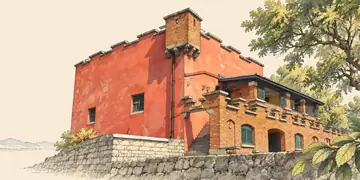
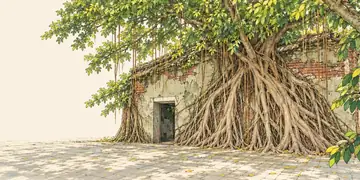
Tainan, the old prefectural capital, keeps Chihkan Tower, the seventeenth-century Anping Fort and the Confucius Temple honored as Taiwan's first school.
 Taiwan
Prefecture-level
Taoyuan hosts Taiwan's main international airport, the ornate shophouse facades of Daxi Old Street and the reservoir lake behind Shimen Dam.
 Prefecture-level
Keelung, the rainy harbor city, is known for its Miaokou night market, the sculpted rocks of Heping Island and colorful houses at Zhengbin fishing port.
 Taiwan
Prefecture-level
Hsinchu, the Windy City, is famed for rice noodles and meatballs around the City God Temple and for its semiconductor science park.
 Taiwan
Prefecture-level
Chiayi City is the gateway to Alishan, famed for turkey rice and the Hinoki Village of preserved Japanese-era wooden houses.
 Taiwan
Prefecture-level
Hakka villages fill Hsinchu County, from Beipu's lei cha tea houses to Neiwan's railway town, with the giant cypresses of Smangus deep in the mountains.
 Taiwan
Prefecture-level
Miaoli, a Hakka hill county, offers Sanyi's woodcarving, the ruined brick arches of Longteng Bridge and slopes white with tung blossoms in spring.
 Prefecture-level
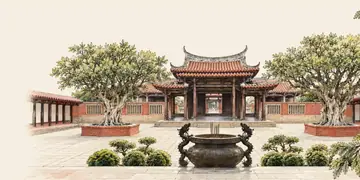
Changhua is watched over by the Great Buddha of Baguashan, while Lukang's Longshan Temple and Mazu temple recall a busy Qing-era trading port.
 Prefecture-level
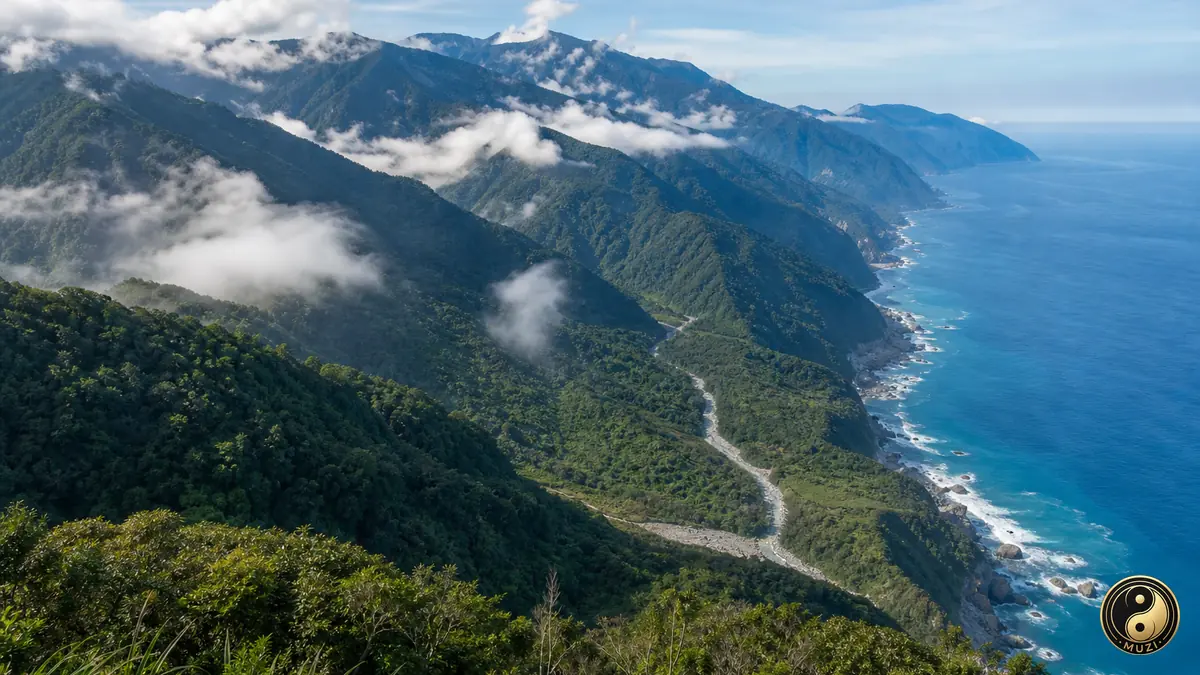
Sun Moon Lake crowns Nantou, Taiwan's only landlocked county, alongside the highland pastures of Cingjing Farm and the forests of Xitou.
 Taiwan
Prefecture-level
Yunlin centers on the pilgrimage temple of Beigang Chaotian, broad farmland and the red Xiluo Bridge spanning the Zhuoshui River.
 Taiwan
Prefecture-level
Chiayi County is home to Alishan's sunrise sea of clouds and forest railway, plus the Southern Branch of the Palace Museum at Taibao.
 Taiwan
Prefecture-level
Pingtung holds Kenting's coral coast, the Eluanbi Lighthouse near Taiwan's southern tip, Dapeng Bay lagoon and Donggang's bluefin tuna.
 Taiwan
Prefecture-level
Yilan spreads across the Lanyang Plain, known for Guishan Island offshore, the Jiaoxi hot springs and the children's folk festival on Dongshan River.
 Taiwan
Prefecture-level
Hualien is the realm of Taroko Gorge's marble walls, the Qingshui Cliffs plunging into the Pacific and the pebbled curve of Qixingtan Bay.
 Taiwan
Prefecture-level
Taitung offers the eight-arch footbridge of Sanxiantai, hot-air balloons over Luye Highland and the Tao people's culture on Orchid Island.
 Prefecture-level
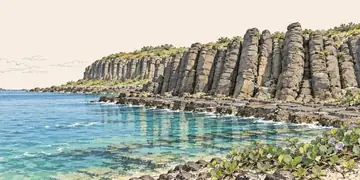
Penghu's islands display columnar basalt, the Penghu Great Bridge linking Baisha and Xiyu, and the Twin Hearts Stone Weir on Qimei.
 Taiwan
Prefecture-level
Kinmen keeps villages of Minnan-style courtyard houses, Juguang Tower as its landmark, and well-known sorghum liquor and peanut candy.
 Taiwan
Prefecture-level
Lienchiang County covers the Matsu Islands, with granite houses of Qinbi Village climbing hillsides and glowing blue tears along summer shores.
 Sun Moon Lake
Taiwan's largest natural lake, a sapphire jewel embraced by mountains — gauzy morning mist, fiery sunset glow, the sacred waters where the Thao ancestral spirits rest.
 Taiwan Island
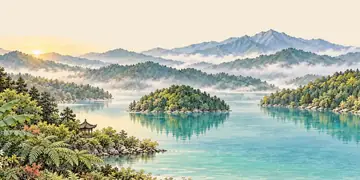
Huaxia's largest island, an emerald western-Pacific screen where ecosystems run from tropical rainforest to alpine tundra.
 Penghu Islands
A chain of basalt islets in the middle of the Taiwan Strait — fishing lights and ancient village houses, the historic relay station and forward fortress between the two shores.
 Jiufen
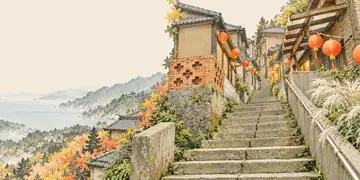
A mountainside mining town in Taiwan — narrow stone steps and red lanterns sketching a Spirited Away fantasy of mountain-and-sea nightscape.
 Lukang Old Street
Taiwan's most historic port town; officially opened for trade during the Qing era; dense temples and southern Fujian-style old houses bear witness to its golden age as 'one government, two deer, three Monga'.
 Tamsui Old Street
Port town at the mouth of the Tamsui River; Fort Santo Domingo and consulate buildings tell the story of modern Taiwan's international trade; Dr. George Mackay preached and practiced medicine here.
 Anping Old Street
The earliest Han Chinese settlement in Taiwan; Sword Lion tablets and Anping Fort carry Ming-Zheng-era memories; narrow lanes and old walls are living fossils of Taiwan's pioneering history.