





 Prefecture-level
Taipei
Taipei is readily recognized through river valleys and inherited local memory.
 MUZIChinese Matrix
A mountainous island region with varied southeastern coasts, layered local societies, and a rich cultural landscape.
The regional profile of Taiwan begins with the concrete evidence “A mountainous island region with varied southeastern coasts, layered local societies, and a rich cultural landscape.” The clue links spatial form with everyday experience, giving the regional idea a concrete setting and human scale. Long-term change preserved, adjusted, and transmitted these relationships, showing how environmental influence and community action worked together. These interactions provide a factual basis for understanding the connections, distinctions, and continuities between Taiwan and nearby places. Its significance lies in connecting regional geography, historical continuity, and cultural difference through checkable local evidence about Taiwan.
Prefecture-level
Taipei is readily recognized through river valleys and inherited local memory.
Prefecture-level
Think of Kaohsiung, and estuarine routes and port traditions are among the first things that come to mind.
 Prefecture-level
highland scenery and pastoral culture offers the clearest regional clue to New Taipei.
Prefecture-level
For Taichung, plain-country farming and old town remains forms an essential setting.
 Prefecture-level
mountain corridors and frontier life write a distinctive line into Tainan's urban profile.
Prefecture-level
Through valley settlements and industrial memory, Taoyuan gains a geographical signature.
 Prefecture-level
In Keelung, wetland habitats and waterside routines reveal a deeper local trajectory.
Prefecture-level
Hsinchu City finds its regional character in garden landscapes and scholarly traditions.
Prefecture-level
A useful way into Chiayi City is through bay shores and fishing practice.
Prefecture-level
Hsinchu County's local story begins with canyon terrain and rural settlements.
Prefecture-level
forest resources and cold-climate life give Miaoli County a recognizable regional character.
 Prefecture-level
Changhua County retains the imprint of steppe pasture and seasonal movement.
 Prefecture-level
Follow lakeside wetlands and water-town craft, and Nantou County's regional layers come into view.
Prefecture-level
Yunlin County turns basin fields and historic post roads into everyday life and local memory.
Prefecture-level
From geography to culture, hill tea country and handcraft history help define Chiayi County.
Prefecture-level
island routes and maritime custom leave a double trace of nature and society in Pingtung County.
Prefecture-level
In any account of Yilan County, desert oases and irrigation knowledge is hard to overlook.
Prefecture-level
Hualien County's identity rests on the setting opened by river-bend farmland and waterworks.
Prefecture-level
volcanic landforms and hot-spring scenery outline the local profile of Taitung County.
 Prefecture-level
Penghu County reads its landscapes and lived experience through karst peaks and mountain villages.
Prefecture-level
river ports and modern factory memory give Kinmen County a distinct regional rhythm.
Prefecture-level
Lienchiang County's regional expression grows from border gateways and multi-ethnic exchange.
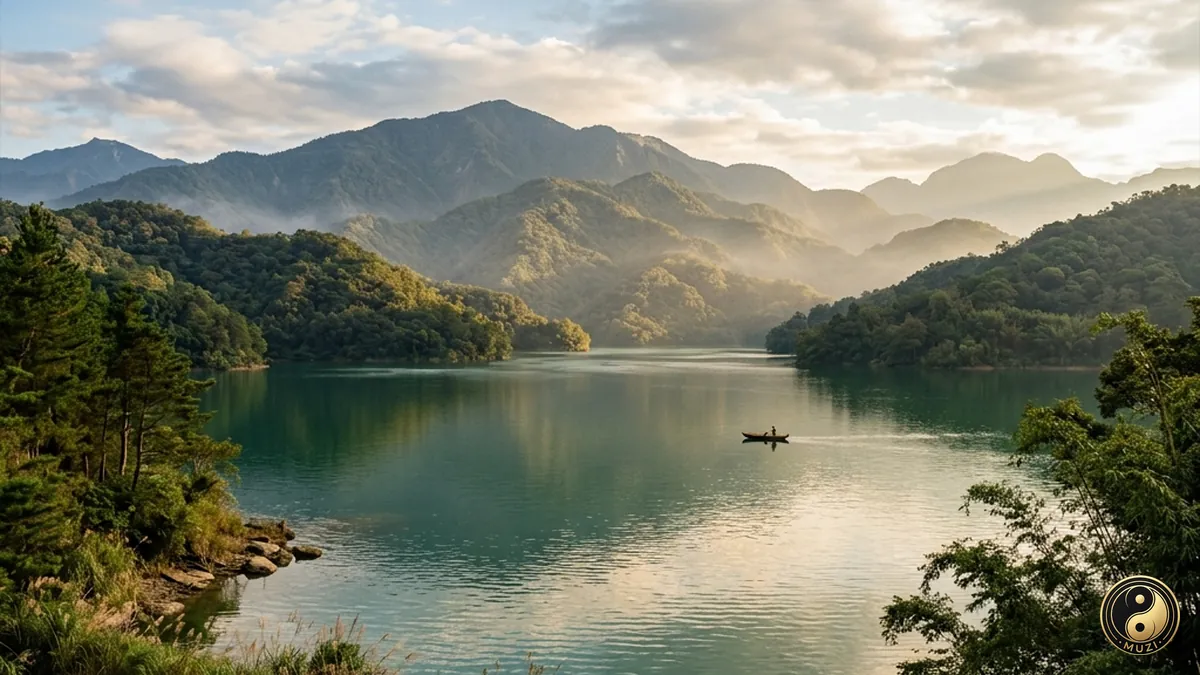
Taiwan's largest natural lake, a sapphire jewel embraced by mountains — gauzy morning mist, fiery sunset glow, the sacred waters where the Thao ancestral spirits rest.
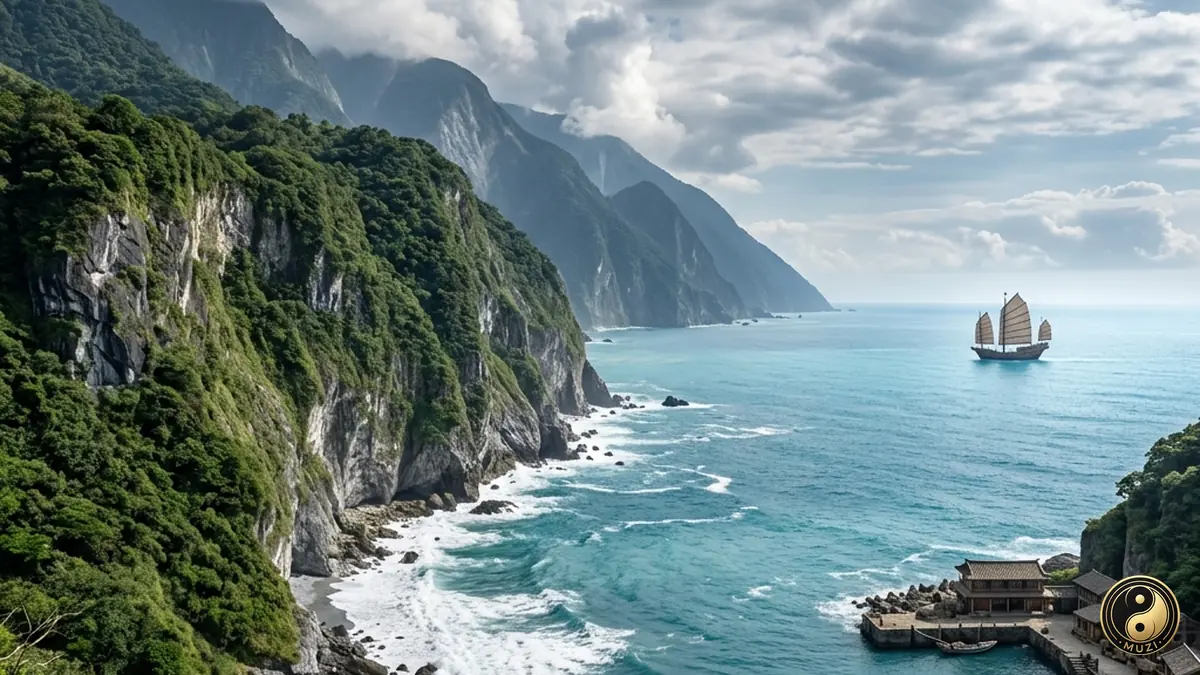
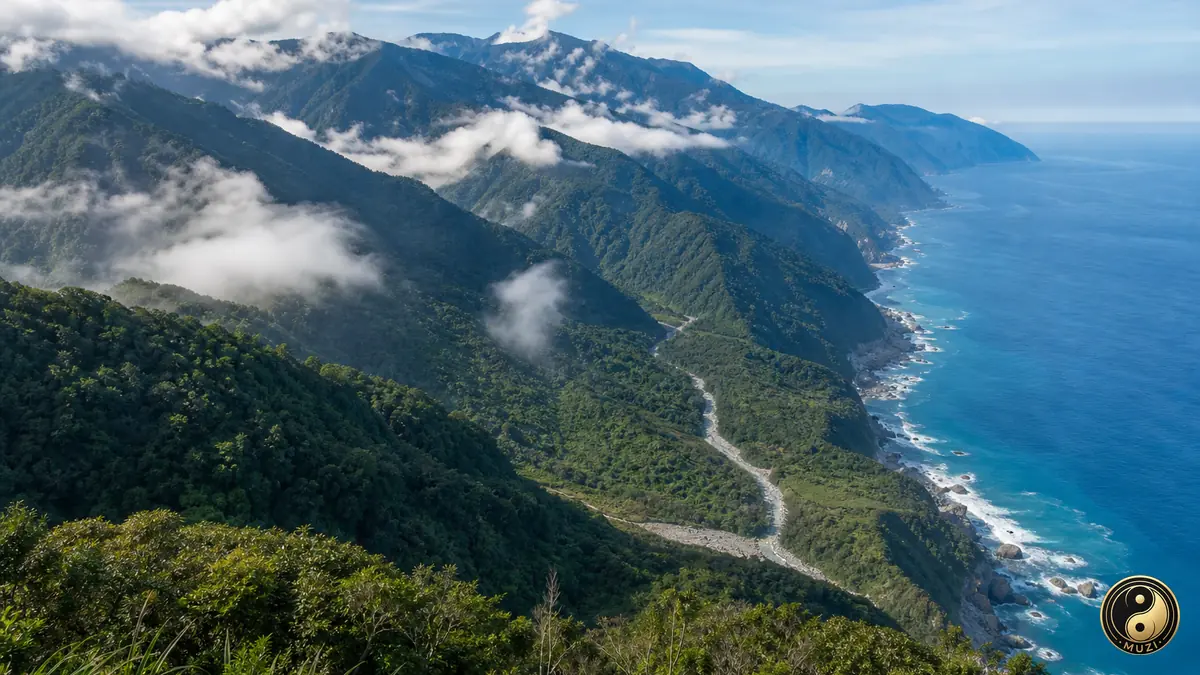
Huaxia's largest island, an emerald western-Pacific screen where ecosystems run from tropical rainforest to alpine tundra.
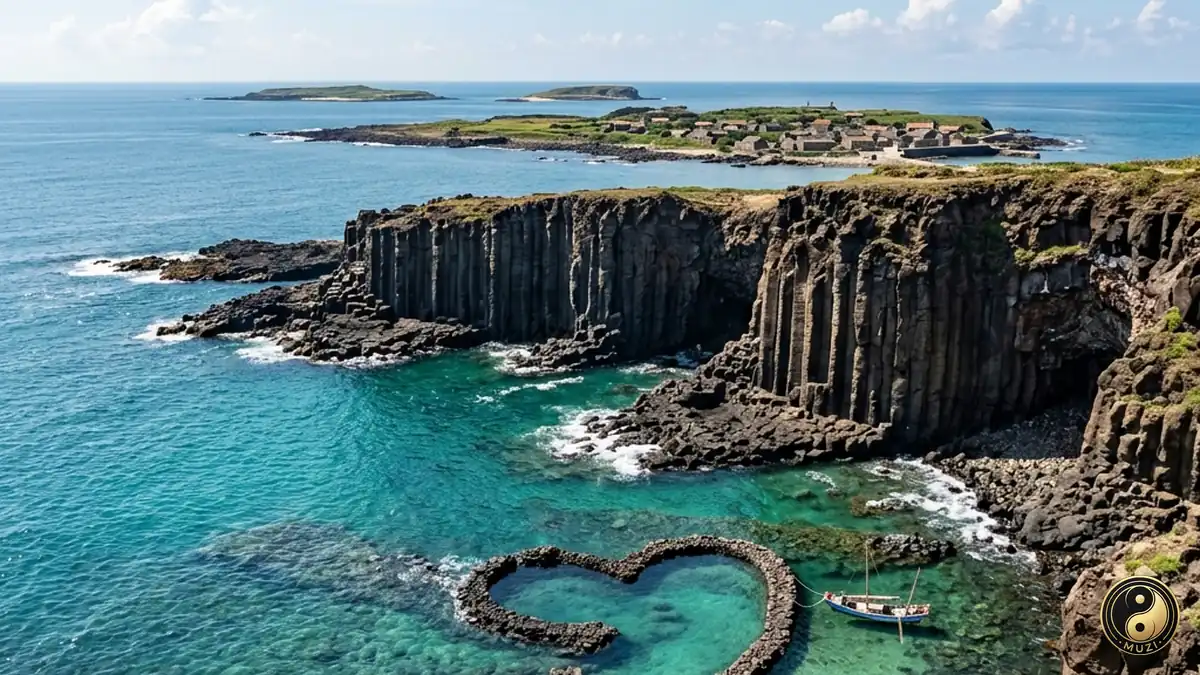
A chain of basalt islets in the middle of the Taiwan Strait — fishing lights and ancient village houses, the historic relay station and forward fortress between the two shores.
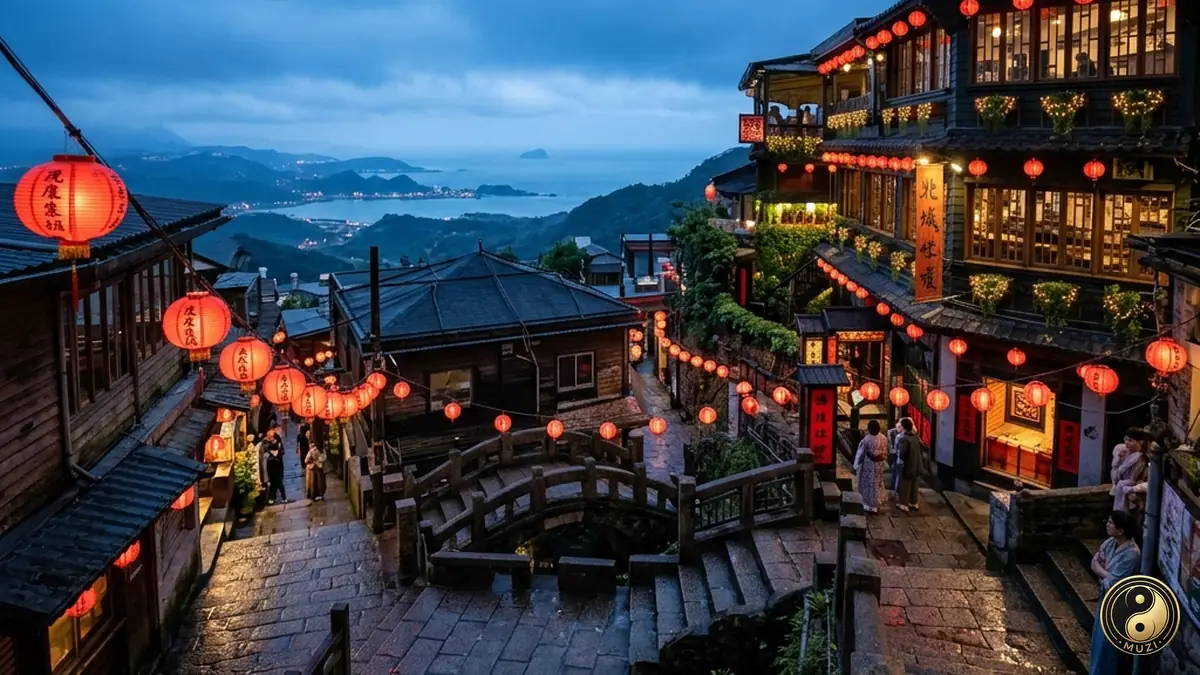
A mountainside mining town in Taiwan — narrow stone steps and red lanterns sketching a Spirited Away fantasy of mountain-and-sea nightscape.
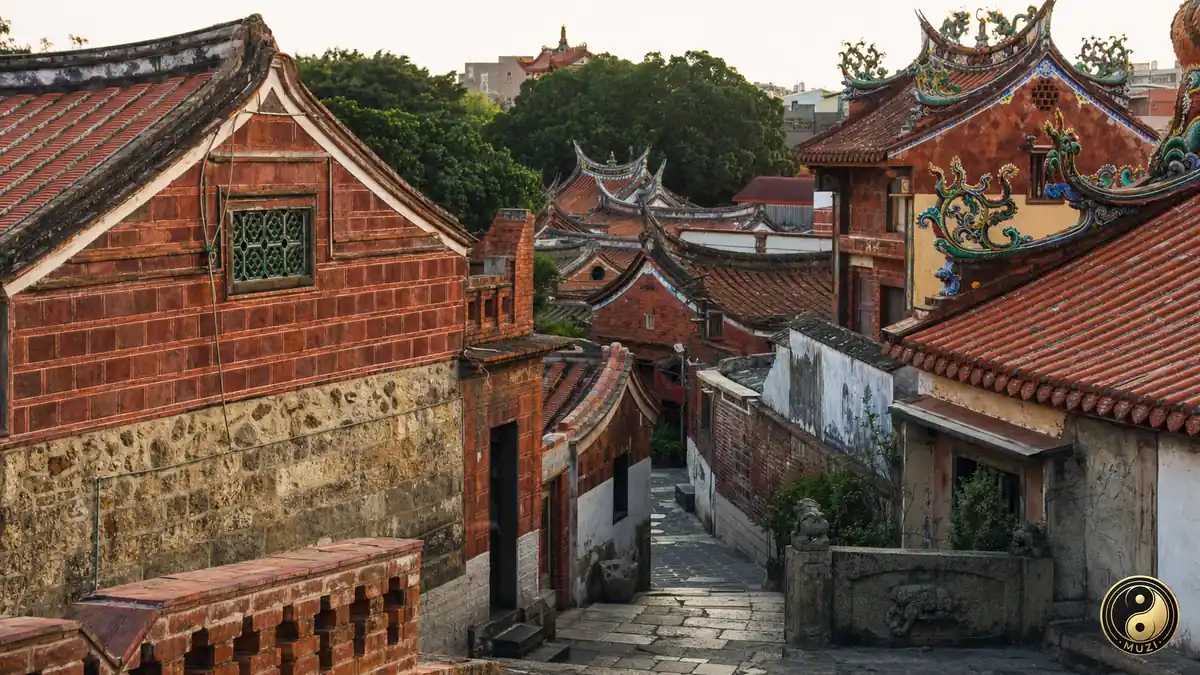
Taiwan's most historic port town; officially opened for trade during the Qing era; dense temples and southern Fujian-style old houses bear witness to its golden age as 'one government, two deer, three Monga'.
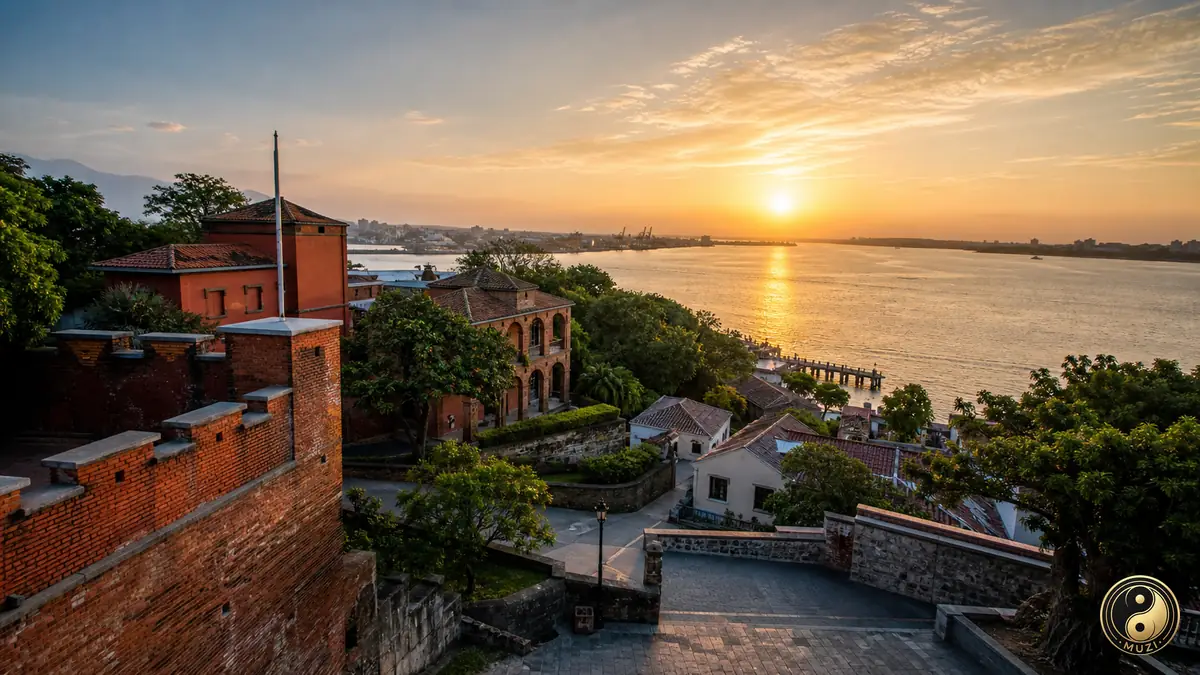
Port town at the mouth of the Tamsui River; Fort Santo Domingo and consulate buildings tell the story of modern Taiwan's international trade; Dr. George Mackay preached and practiced medicine here.
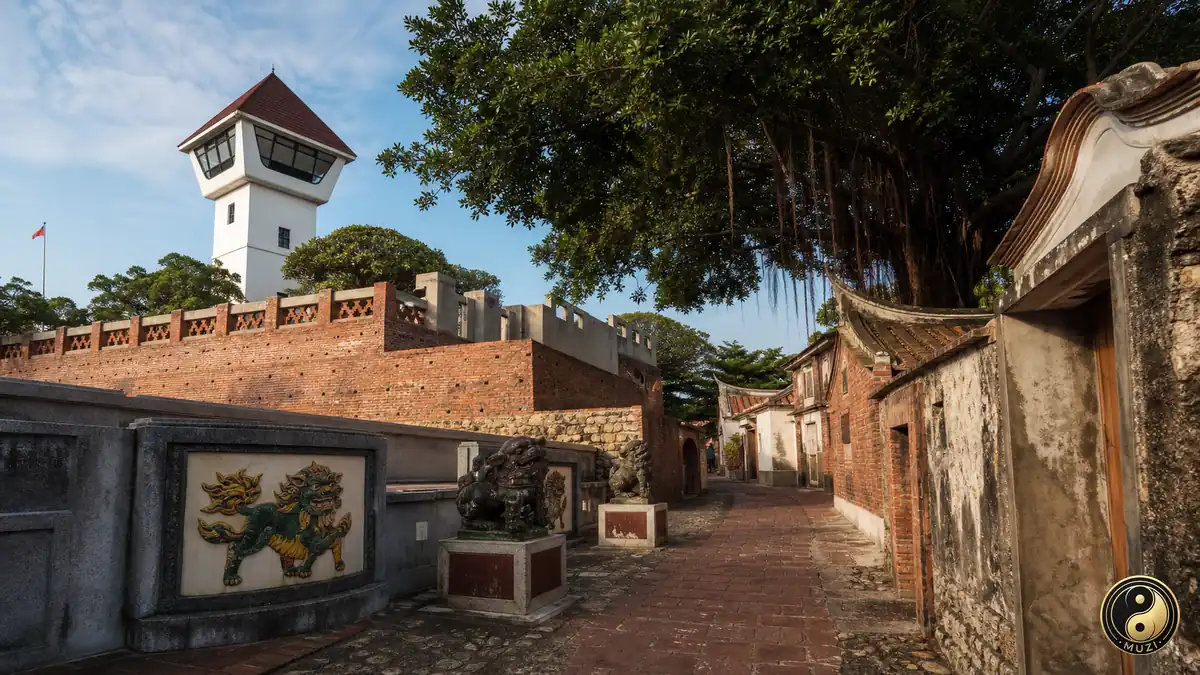
The earliest Han Chinese settlement in Taiwan; Sword Lion tablets and Anping Fort carry Ming-Zheng-era memories; narrow lanes and old walls are living fossils of Taiwan's pioneering history.