





 Prefecture-level
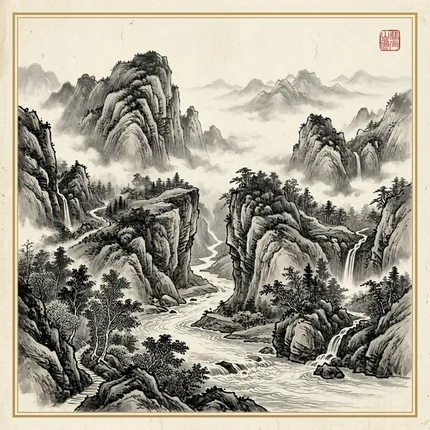
Taiyuan
The Fen River runs through Shanxi’s capital, where Jinyang heritage meets modern industry, education, and urban services.
 MUZIChinese Matrix
West of the Taihang Mountains, enclosed basins, deep valleys, and historic Jin architecture preserve a long civilizational record.
The spatial setting of Shanxi is grounded in the local fact “West of the Taihang Mountains, enclosed basins, deep valleys, and historic Jin architecture preserve a long civilizational record.” These relationships connect landscape, inherited places, and community experience without reducing Shanxi to an administrative label. Over time, these relationships accumulated through residence, exchange, production, and community continuity across successive historical periods. Viewed beside neighboring areas, Shanxi also shows how roads, resources, and movement create local distinctions within a wider region. For regional study, Shanxi places location, long-term formation, and present meaning within one connected explanation.
Prefecture-level
The Fen River runs through Shanxi’s capital, where Jinyang heritage meets modern industry, education, and urban services.
 Prefecture-level
A historic city on the northern Shanxi plateau, marked by Yungang Grottoes, an old-city structure, and an energy-industrial legacy.
Prefecture-level
A city in eastern Shanxi’s Taihang hills, shaped by mountain transport, coal industry, and its gateway position toward Hebei.
Prefecture-level
The Shangdang Basin opens into the Taihang Mountains, combining historic Shangdang heritage with coal industry and mountain ecology.
Prefecture-level
A southeastern Shanxi mountain city where Taihang gorges and historic villages stand alongside a coal and chemicals industrial base.
 Prefecture-level
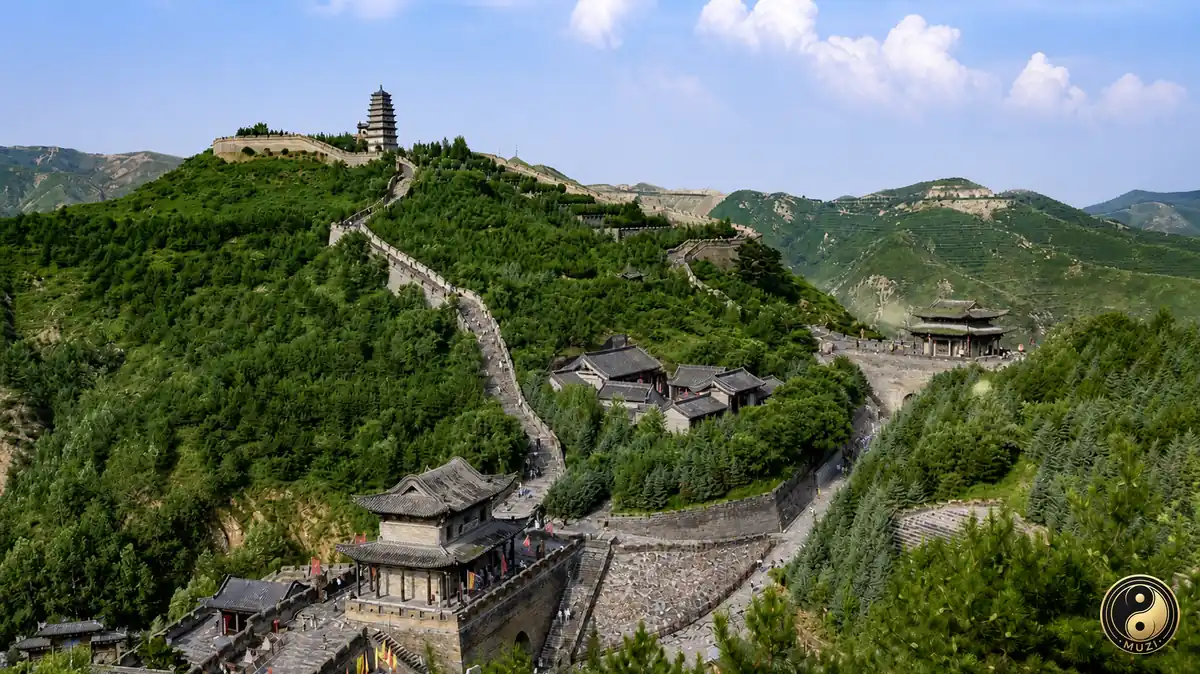
An energy and farming-pastoral city on the northern Shanxi plateau, with frontier remains and loess landscapes along the Great Wall corridor.
 Prefecture-level
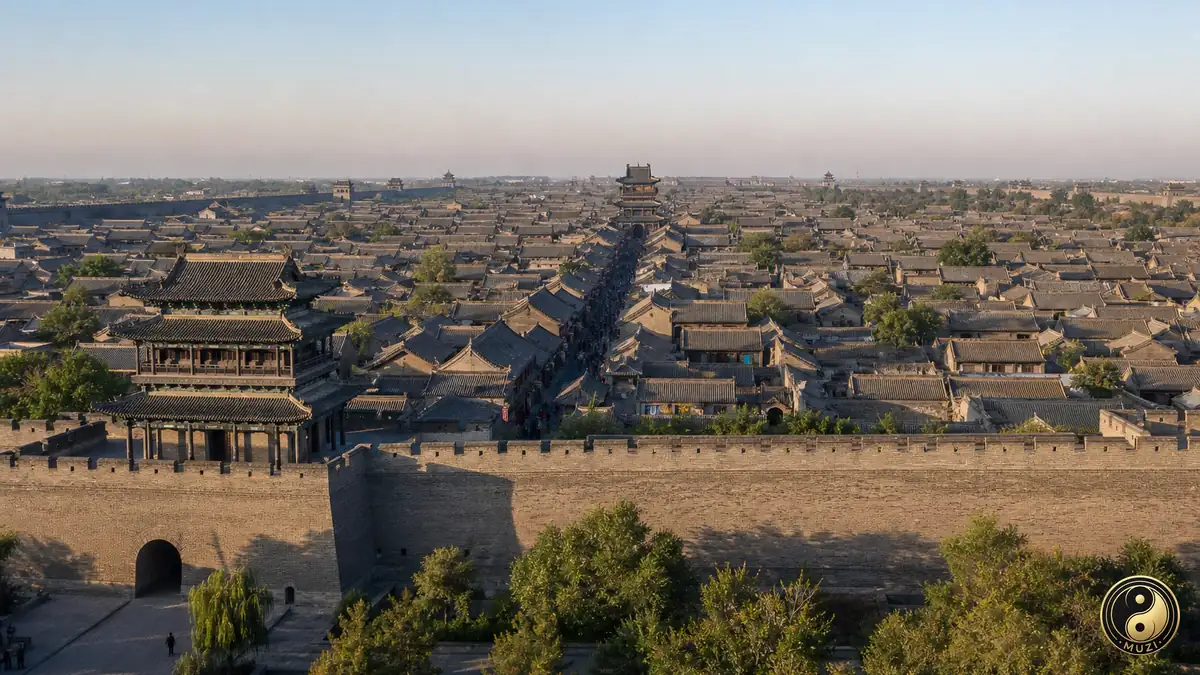
The Jinzhong Basin along the middle Fen River preserves heritage such as Pingyao, alongside traditional settlements and modern industry.
Prefecture-level
A historic city in southern Shanxi near the Yellow River, known through its salt lake, Guan Gong heritage, and Hedong cultural legacy.
Prefecture-level
A mountain city between northern and central Shanxi, associated with Mount Wutai’s cultural landscape and the upper Fen River environment.
Prefecture-level
A southern Shanxi city in the Fen River valley, combining Yao-era historical memory, cultivated plains, and an energy-industrial background.
 Prefecture-level
The Lüliang Mountains define western Shanxi, where Yellow River hills, coal resources, and forest-grassland ecology shape the regional setting.
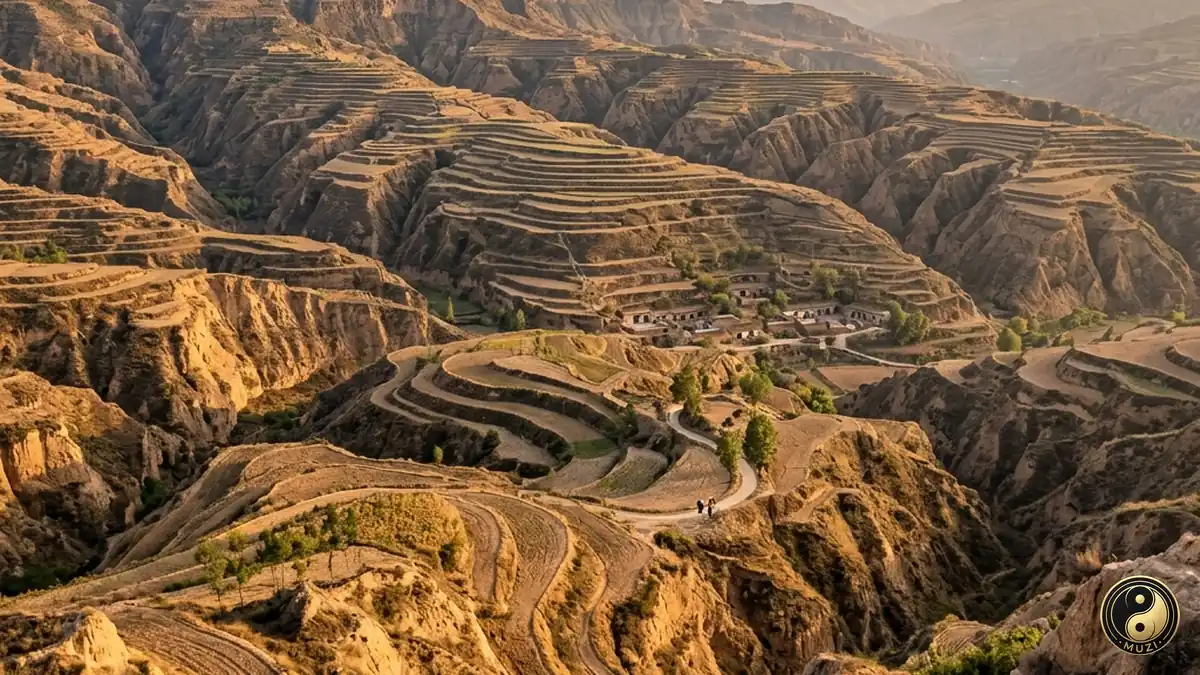
The Loess Plateau's windblown soils are fertile and workable, supporting early agrarian communities.
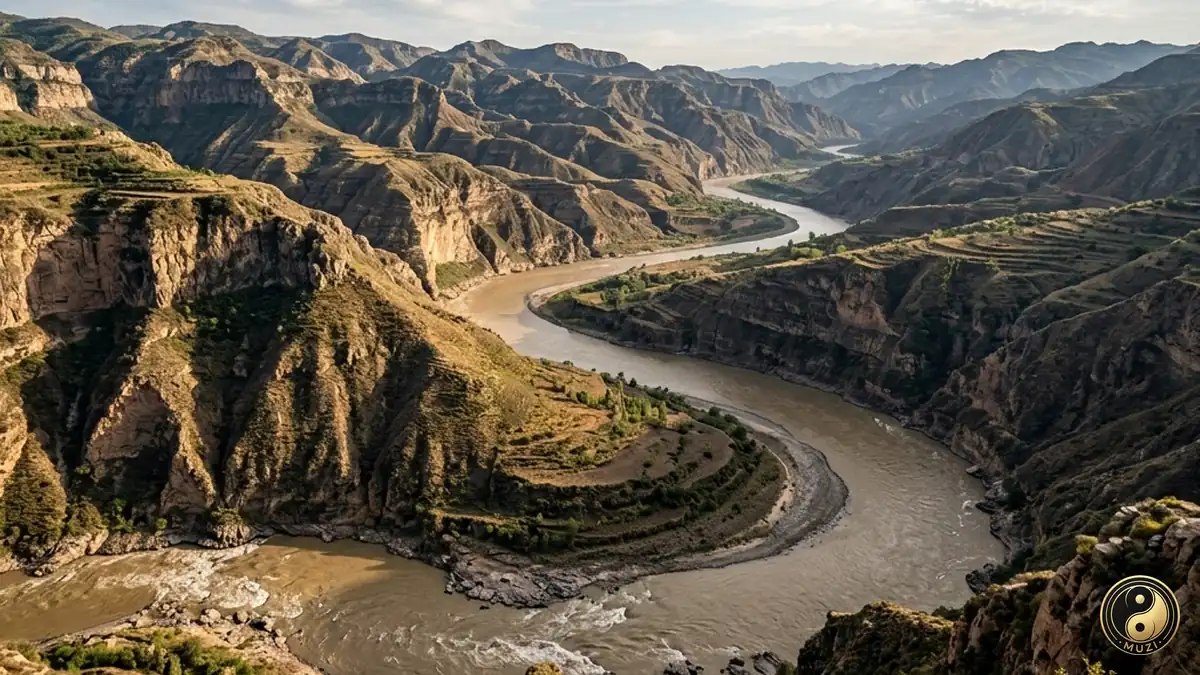
The Yellow River carries loess to the sea and remains a major river in the history of Chinese agrarian civilization.
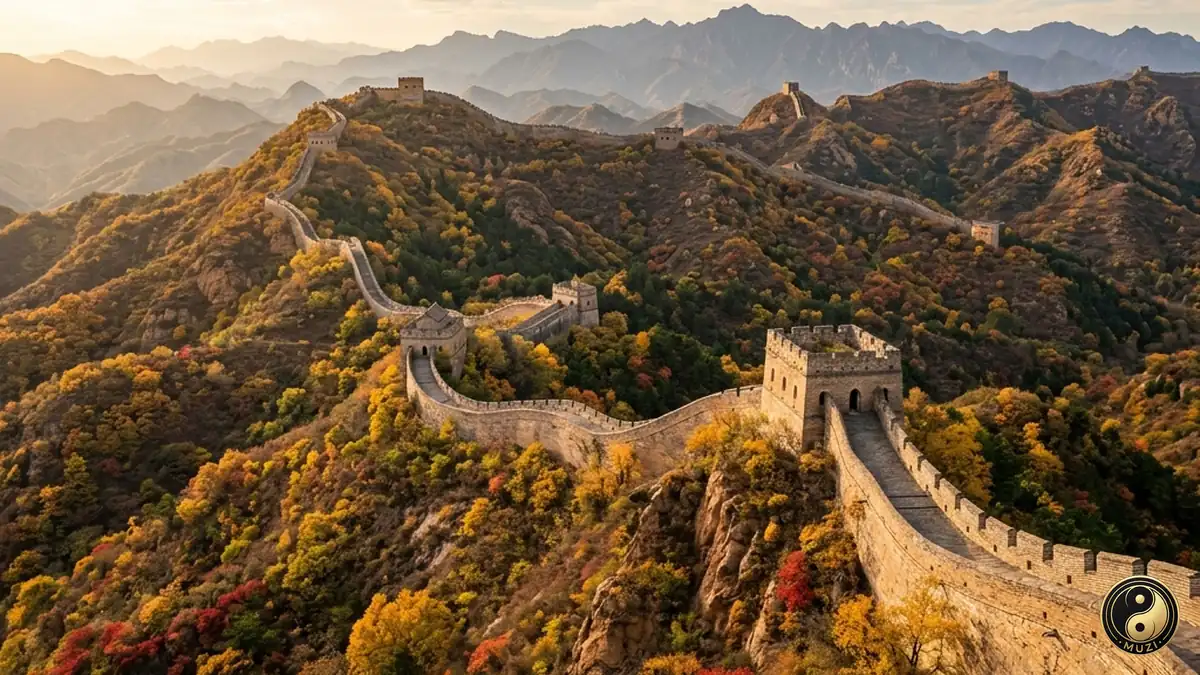
The longest military fortification in human history — winding ten thousand li along the northern ridges, guarding the boundary of agrarian civilization for two millennia.
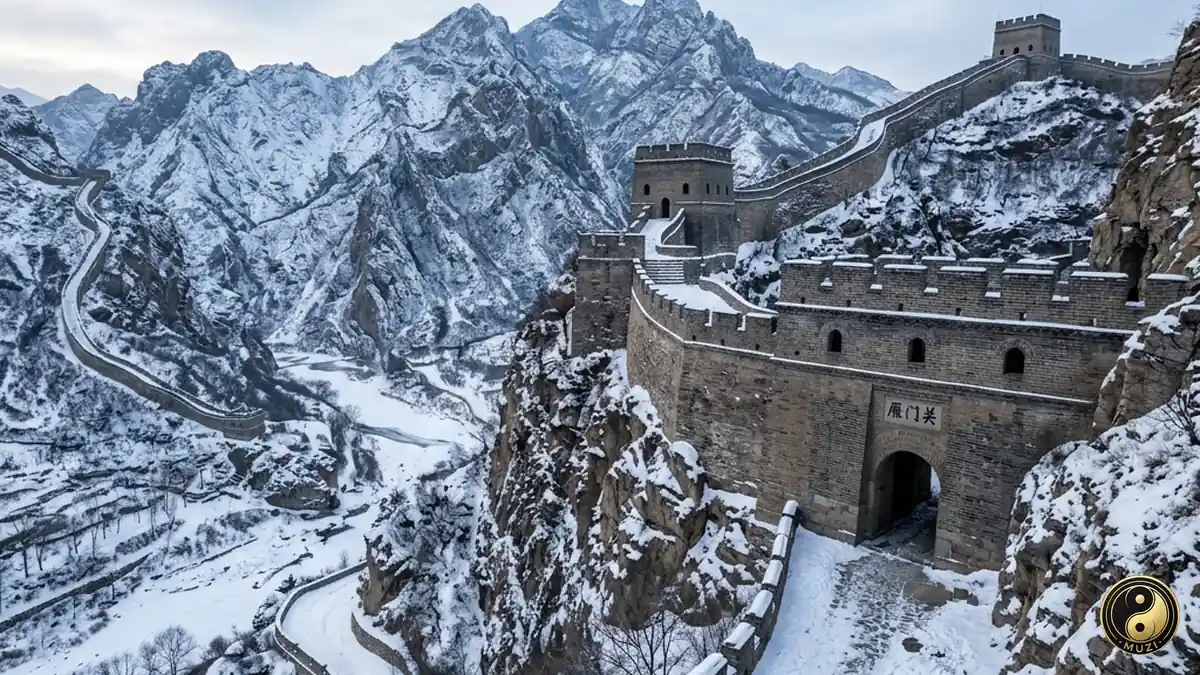
The perilous pass in the Heng Mountains — for millennia, one of the core defense lines where agrarian civilization withstood the high-intensity shock of northern nomadic cavalry.
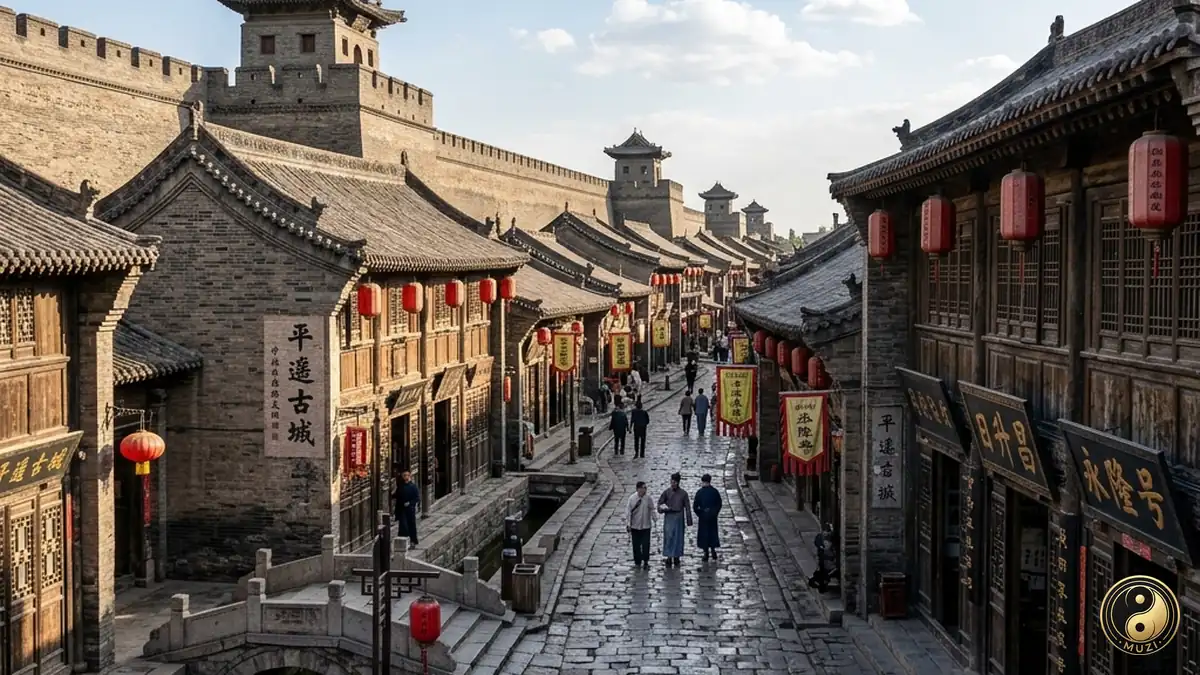
Pingyao is one of the best-preserved Ming-Qing walled cities, with Shanxi merchant finance and inland silver routes embedded in its urban fabric.
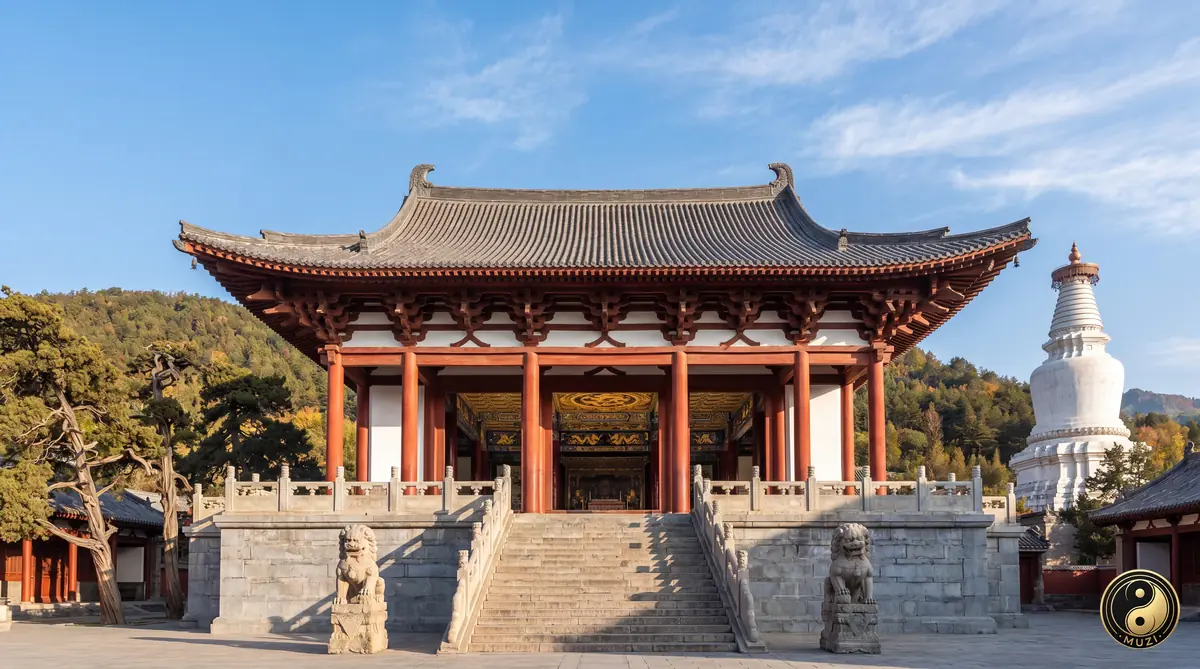
Mount Wutai, the bodhimanda of Manjusri — where Han, Tibetan, and Mongolian Buddhism converge, a vast ancient architectural complex built by successive dynasties through imperial patronage.
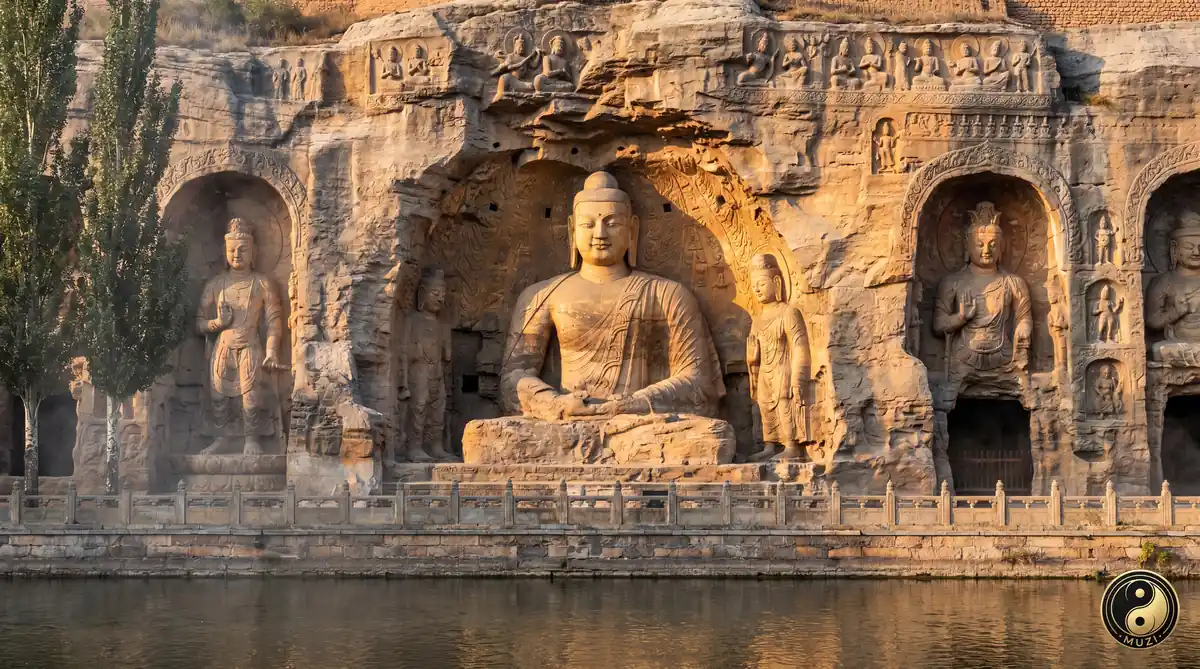
The Yungang Grottoes — colossal Buddha statues carved in stone by the Northern Wei Xianbei, a grand fusion of Indian, Persian, and Chinese artistry, a stone monument legitimizing nomadic rule through Buddhist authority.
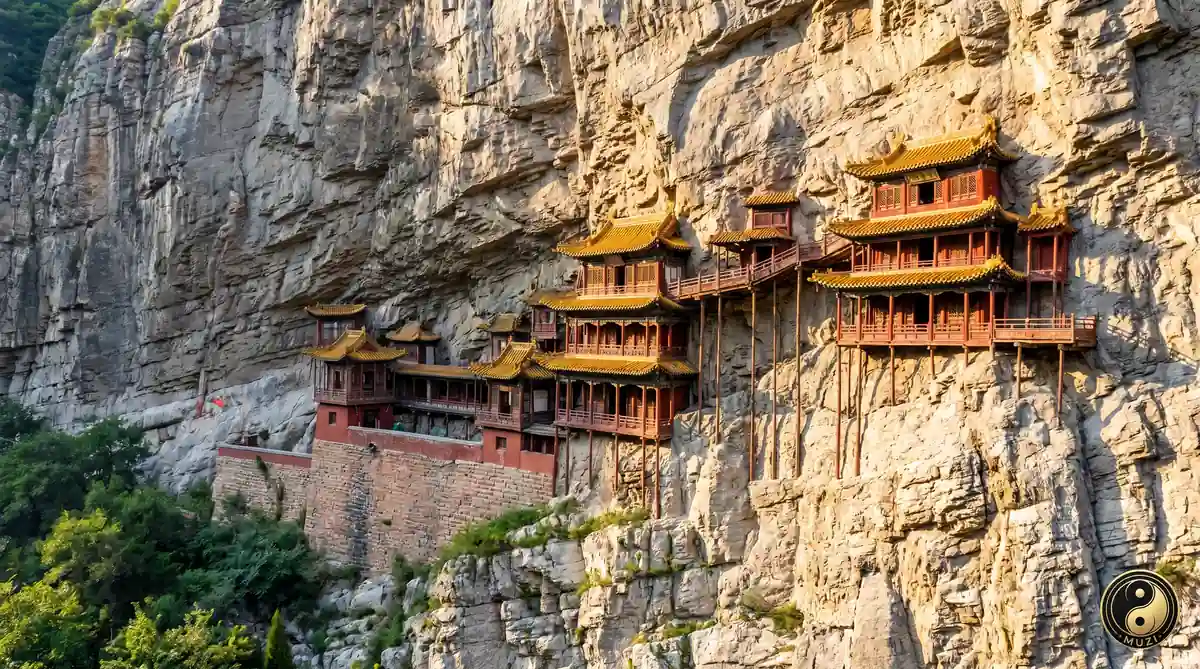
The Hanging Temple on Mount Heng — a three-teachings-in-one pavilion suspended on a vertical cliff by slender wooden pillars, a structural-mechanics miracle that has hung in midair for over a thousand years without falling.
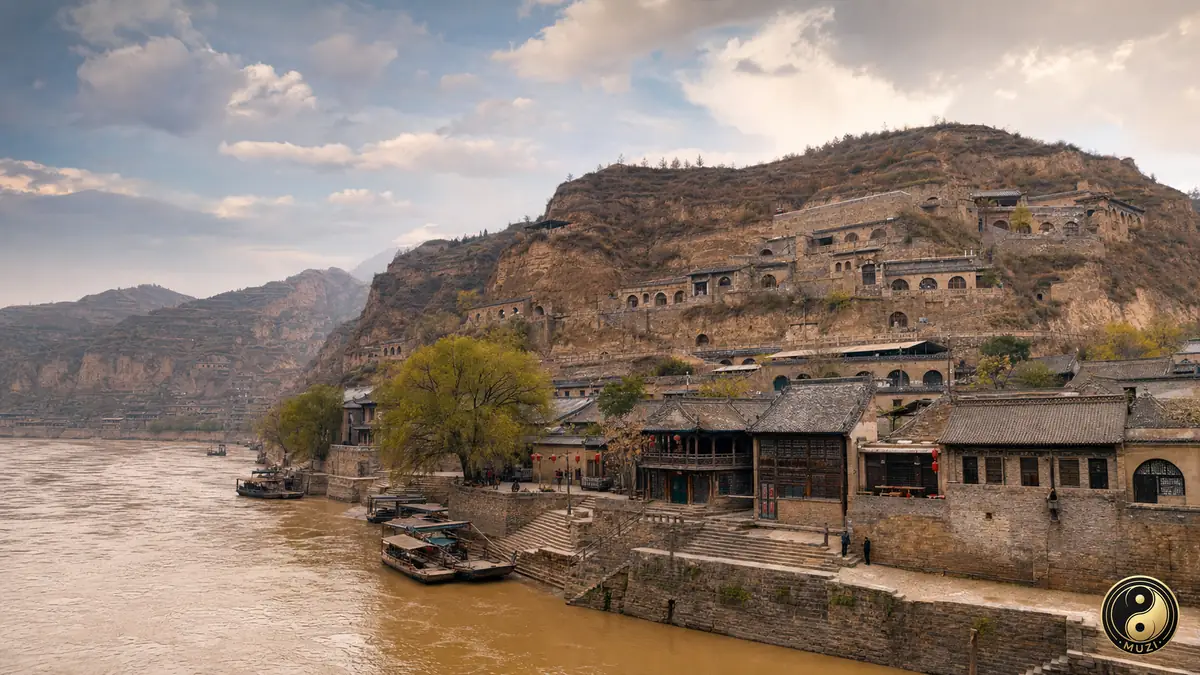
No.1 town on the Yellow River's nine bends; key ferry port for western Shanxi merchants; Lijiashan cave dwellings are the Potala Palace of the Loess Plateau.