





 Prefecture-level
Fuzhou
Fuzhou is readily recognized through river valleys and inherited local memory.
 MUZIChinese Matrix
A mountain-and-sea gateway to the Taiwan Strait, carrying Minnan traditions, maritime exchange, and overseas-Chinese networks.
A useful starting point for Fujian is the documented fact “A mountain-and-sea gateway to the Taiwan Strait, carrying Minnan traditions, maritime exchange, and overseas-Chinese networks.” The natural conditions and social experience of Fujian therefore belong to one connected geographic story. Communities responded to surrounding conditions through residence, exchange, and daily practice, giving the spatial pattern a traceable history. The chain from environmental conditions to social practice gives the regional change of Fujian a clear real-world expression. Taken together, these clues clarify the position, change, and distinctive contribution of Fujian within the larger region.
Prefecture-level
Fuzhou is readily recognized through river valleys and inherited local memory.
 Prefecture-level
Think of Xiamen, and estuarine routes and port traditions are among the first things that come to mind.
Prefecture-level
highland scenery and pastoral culture offers the clearest regional clue to Putian.
Prefecture-level
For Sanming, plain-country farming and old town remains forms an essential setting.
 Prefecture-level
mountain corridors and frontier life write a distinctive line into Quanzhou's urban profile.
 Prefecture-level
Through valley settlements and industrial memory, Zhangzhou gains a geographical signature.
 Prefecture-level
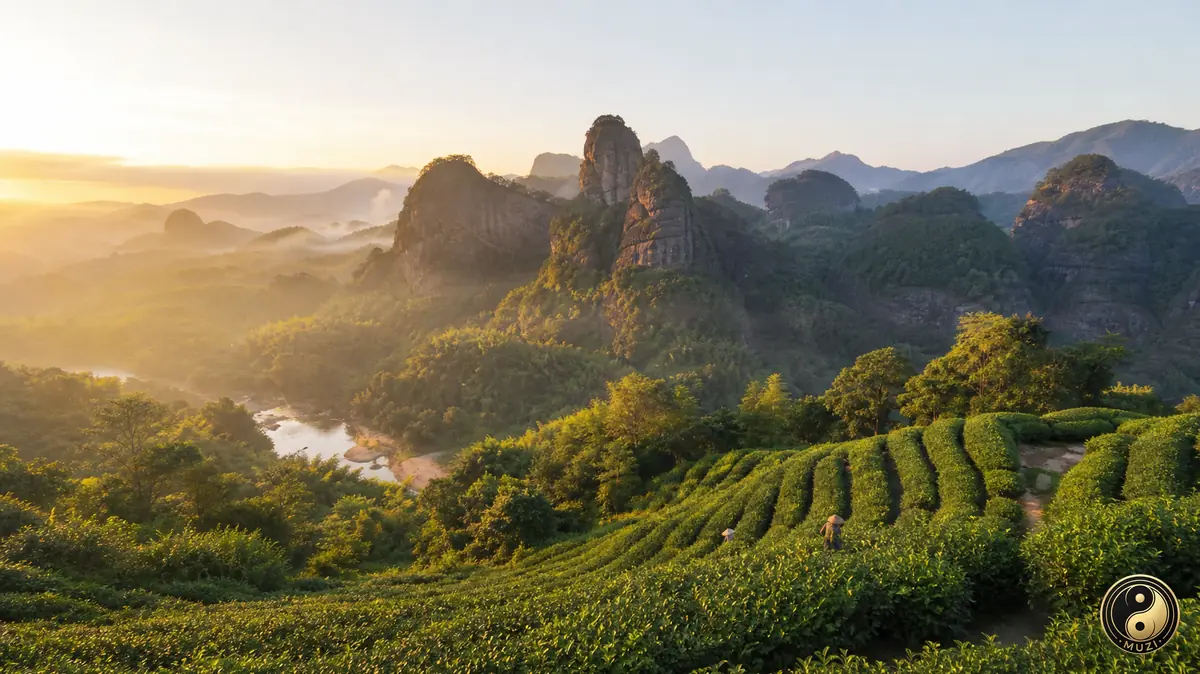
In Nanping, wetland habitats and waterside routines reveal a deeper local trajectory.
Prefecture-level
Longyan finds its regional character in garden landscapes and scholarly traditions.
Prefecture-level
A useful way into Ningde is through bay shores and fishing practice.
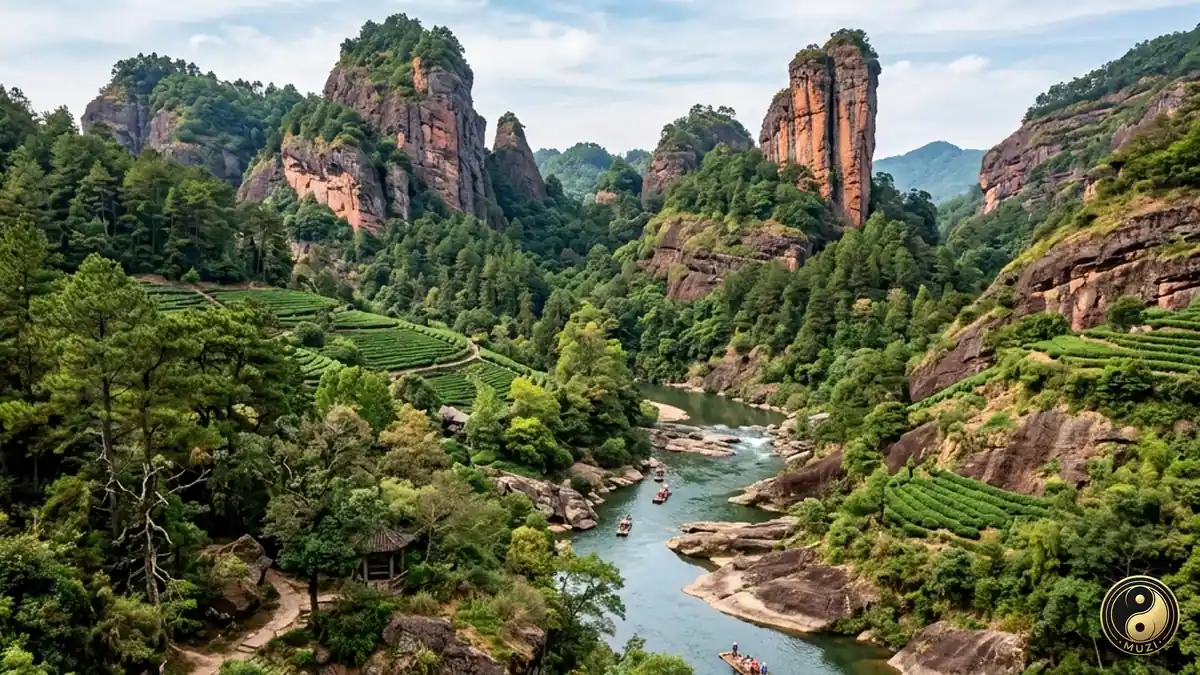
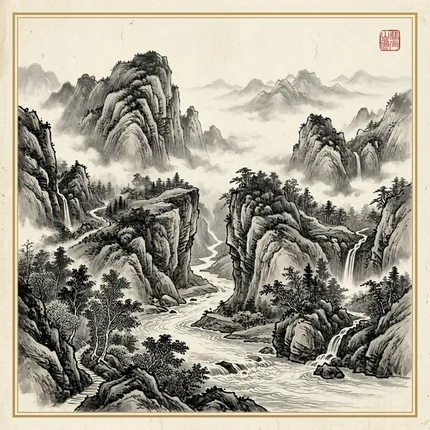
The birthplace of black tea and oolong — the Danxia microclimate and mineral-saturated soil of the authentic rock-tea zone perfectly transcode geology into the world's finest tea aromas.
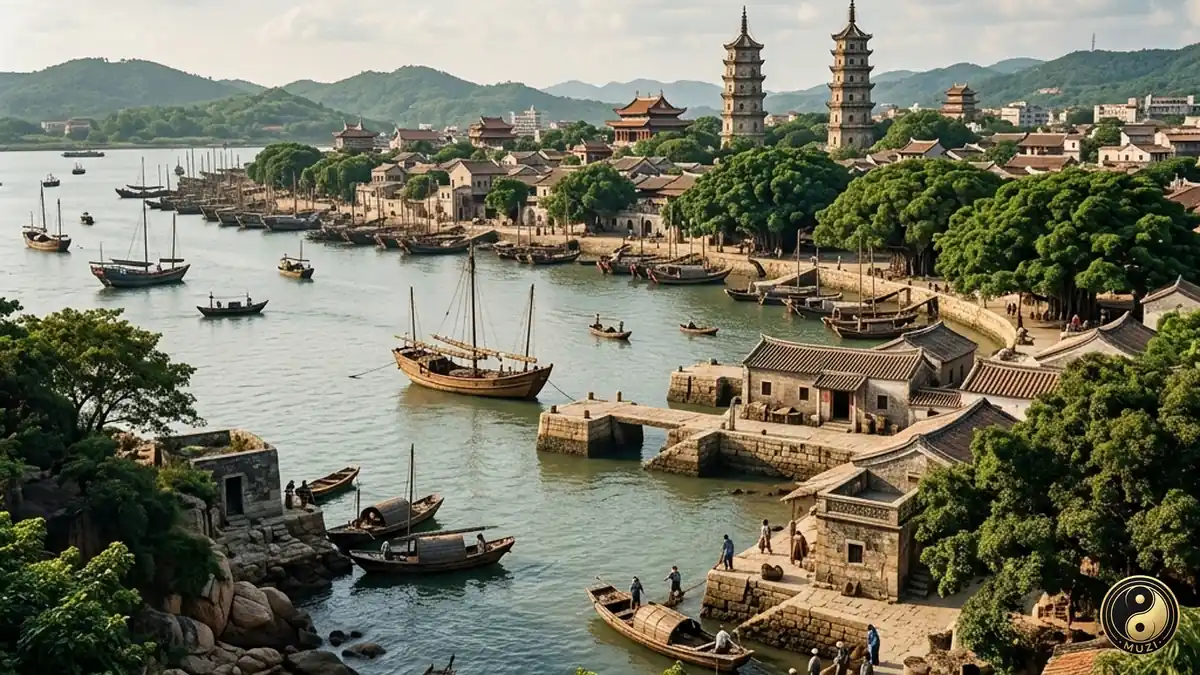
The world's largest port during the Song and Yuan dynasties, the starting point of the Maritime Silk Road — where Marco Polo beheld the Zaytun city in full bloom, the Orient's greatest harbor.
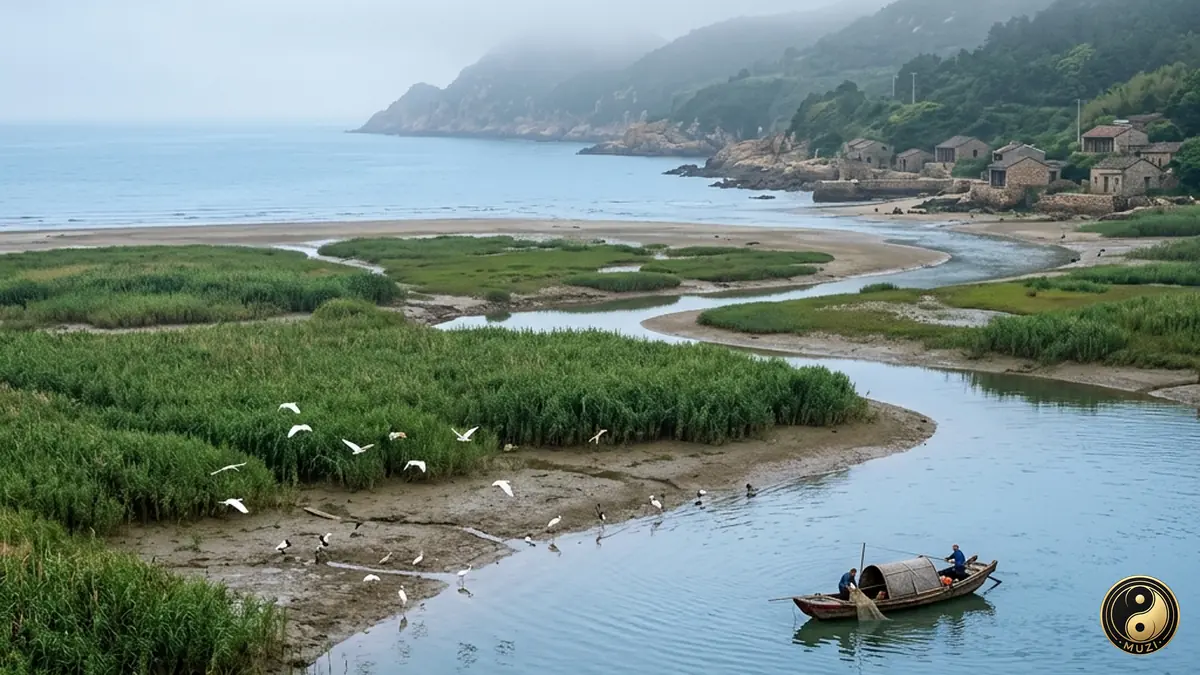
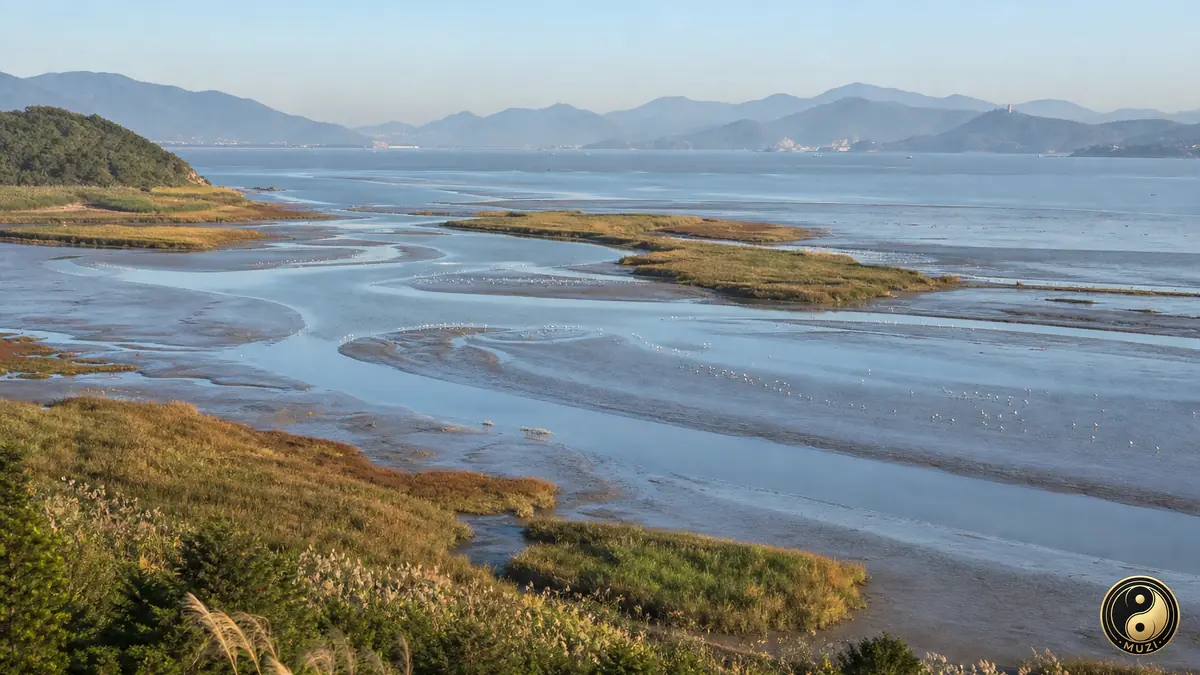
The winding waterway where the Min River breaks through the Zhejiang-Fujian hills to strike the East China Sea — rugged terrain that birthed the unofficial private maritime trade and pirate legends of the Ming-Qing era.
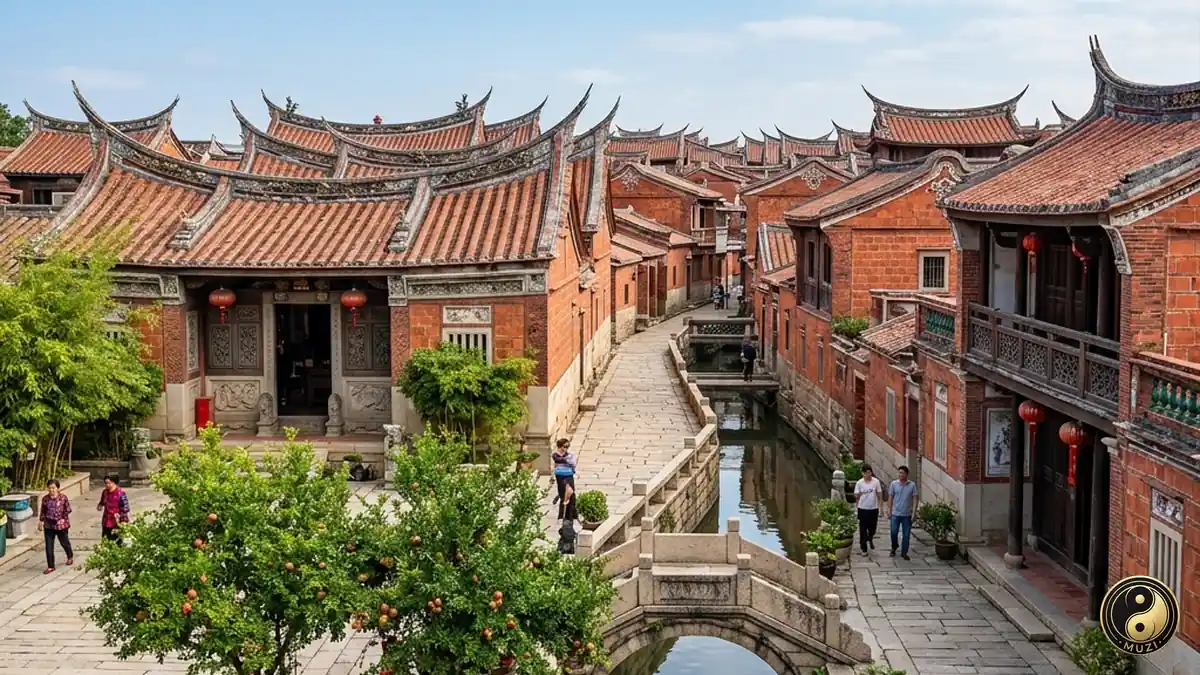
A dense lineage-based red-brick settlement on the southern Fujian coast — swallowtail ridges and brick-in-stone craftsmanship, witnessing the wealth and faith of Minnan clans on the Maritime Silk Road diaspora.
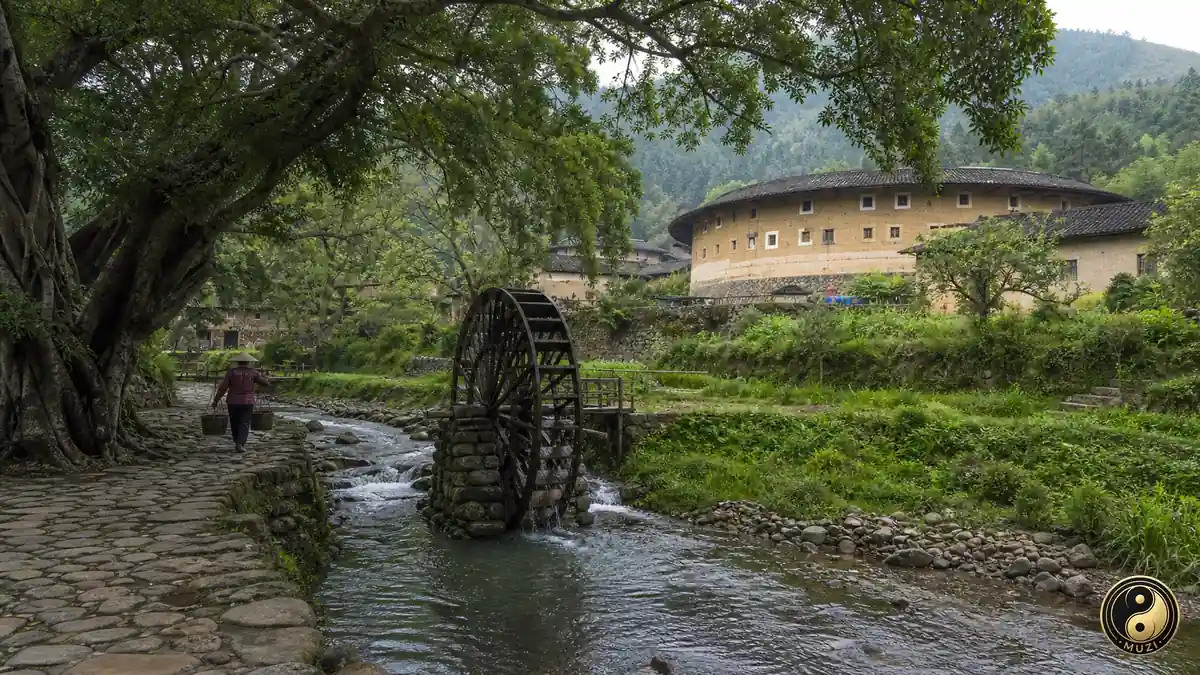
Part of the UNESCO Fujian Tulou World Heritage site; Yunshuiyao ancient path and waterwheels compose a pastoral idyll.
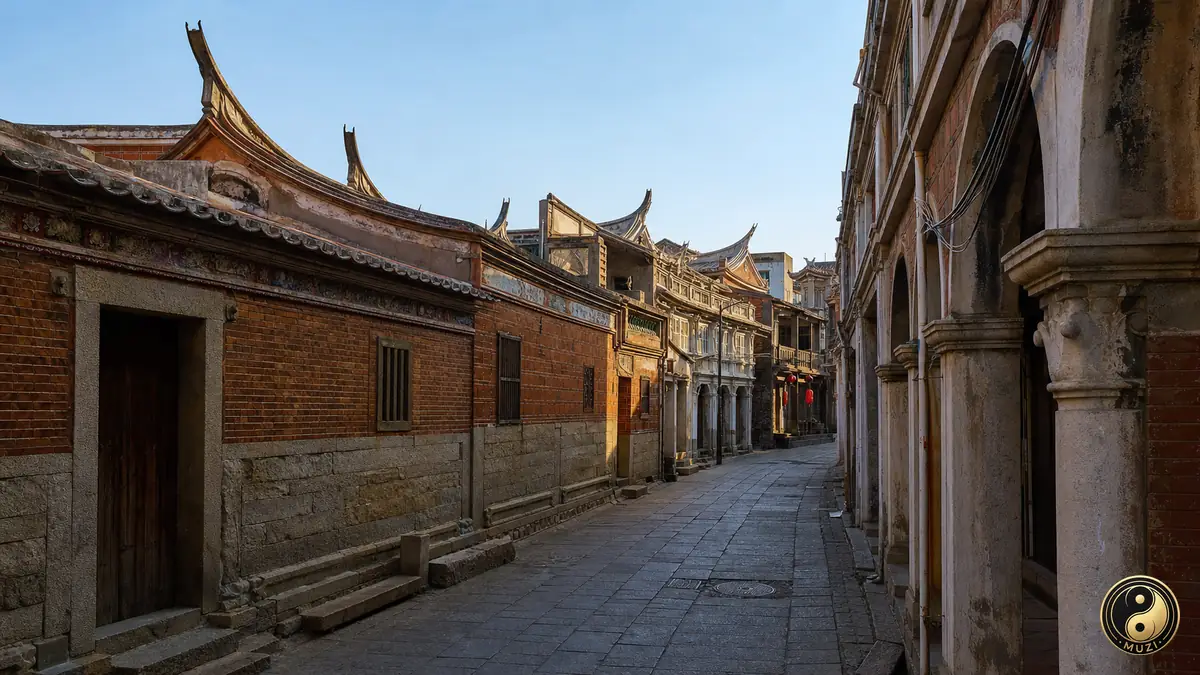
Core region of southern Fujian culture; Tang-Song city layout coexists with Ming-Qing arcade buildings; Taiwan Road old street testifies to Fujian-Taiwan kinship.