





 Prefecture-level
Ürümqi
Ürümqi is readily recognized through river valleys and inherited local memory.
 MUZIChinese Matrix
The Tianshan and Kunlun ranges surround the Tarim and Junggar basins, with Silk Road sites recording a multi-ethnic history.
A useful starting point for Xinjiang is the documented fact “The Tianshan and Kunlun ranges surround the Tarim and Junggar basins, with Silk Road sites recording a multi-ethnic history.” The natural conditions and social experience of Xinjiang therefore belong to one connected geographic story. Communities responded to surrounding conditions through residence, exchange, and daily practice, giving the spatial pattern a traceable history. The chain from environmental conditions to social practice gives the regional change of Xinjiang a clear real-world expression. Taken together, these clues clarify the position, change, and distinctive contribution of Xinjiang within the larger region.
Prefecture-level
Ürümqi is readily recognized through river valleys and inherited local memory.
 Prefecture-level
Think of Karamay, and estuarine routes and port traditions are among the first things that come to mind.
 Prefecture-level
highland scenery and pastoral culture offers the clearest regional clue to Turpan.
 Prefecture-level
For Hami, plain-country farming and old town remains forms an essential setting.
Prefecture-level
mountain corridors and frontier life write a distinctive line into Changji Hui Autonomous Prefecture's urban profile.
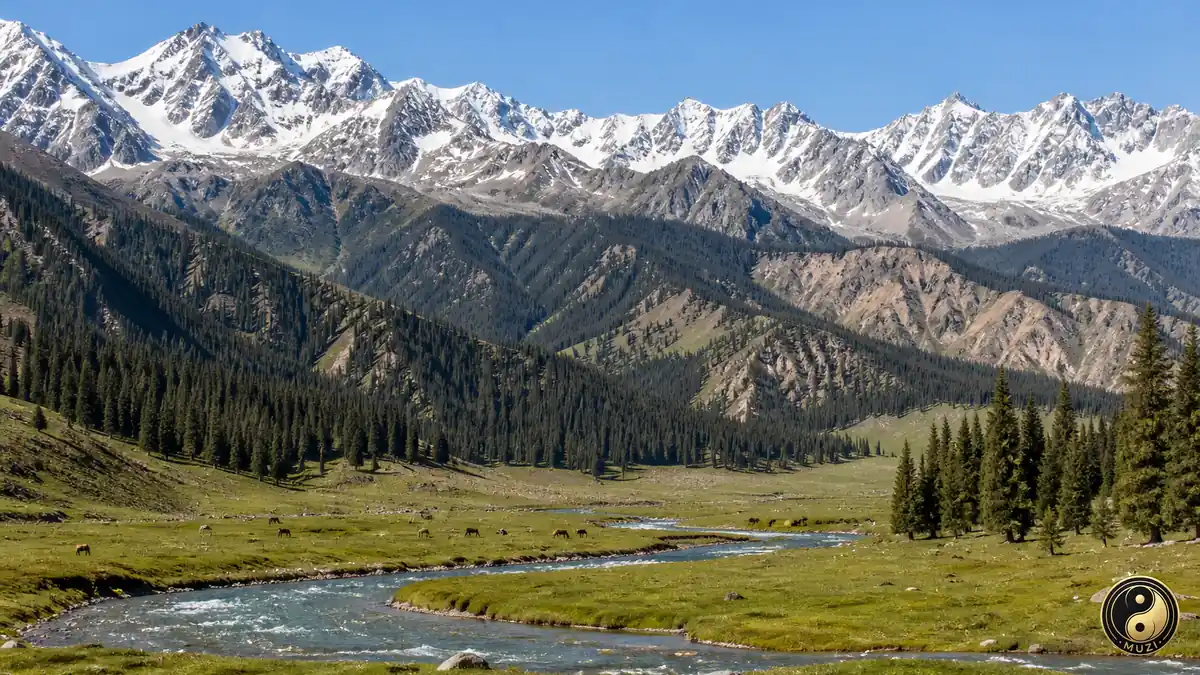 Prefecture-level
Through valley settlements and industrial memory, Bortala Mongol Autonomous Prefecture gains a geographical signature.
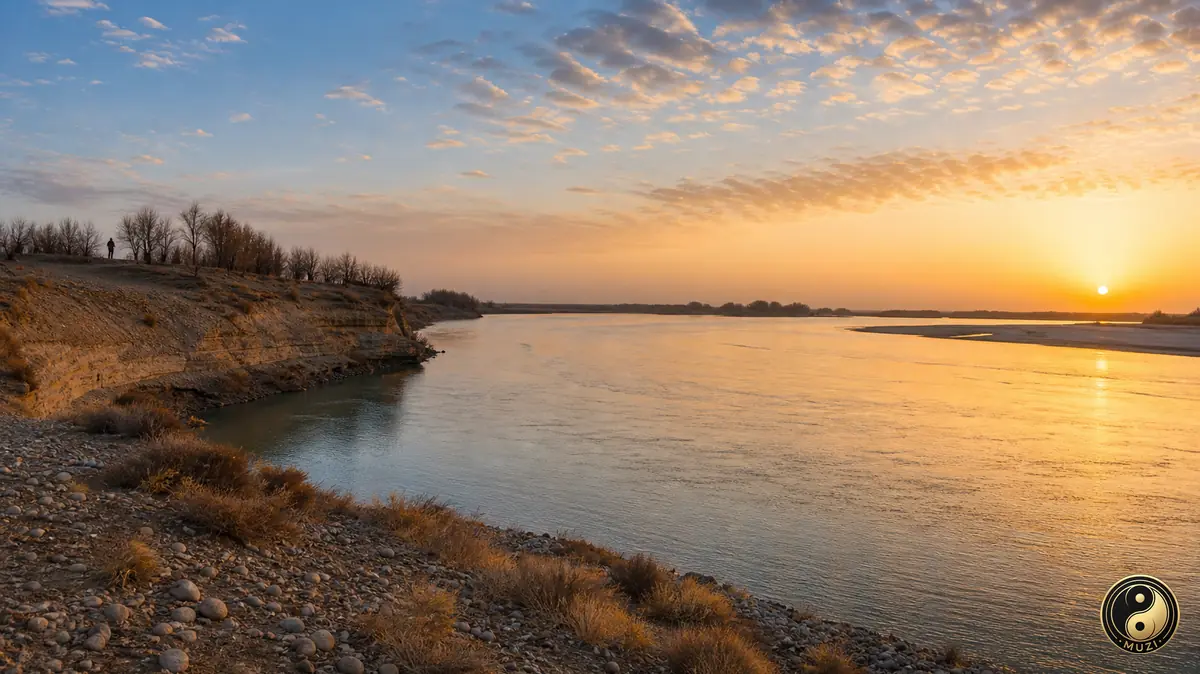 Prefecture-level
In Bayingolin Mongol Autonomous Prefecture, wetland habitats and waterside routines reveal a deeper local trajectory.
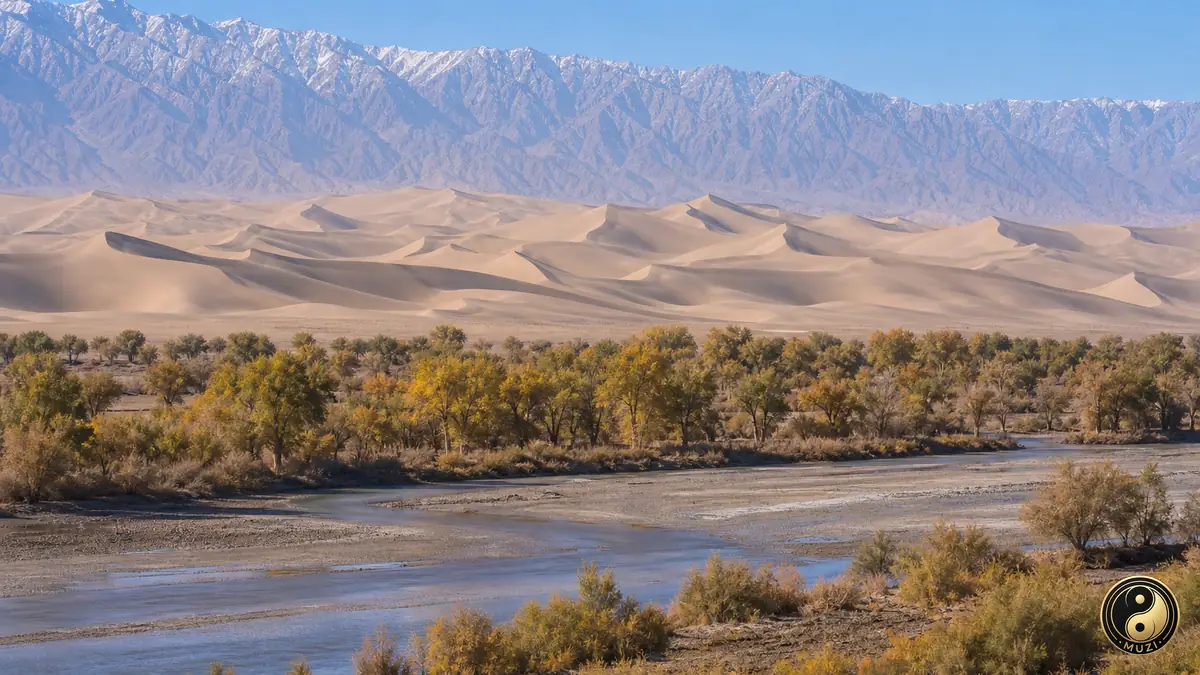 Prefecture-level
Aksu Prefecture finds its regional character in garden landscapes and scholarly traditions.
Prefecture-level
A useful way into Kizilsu Kyrgyz Autonomous Prefecture is through bay shores and fishing practice.
Prefecture-level
Kashgar Prefecture's local story begins with canyon terrain and rural settlements.
Prefecture-level
forest resources and cold-climate life give Hotan Prefecture a recognizable regional character.
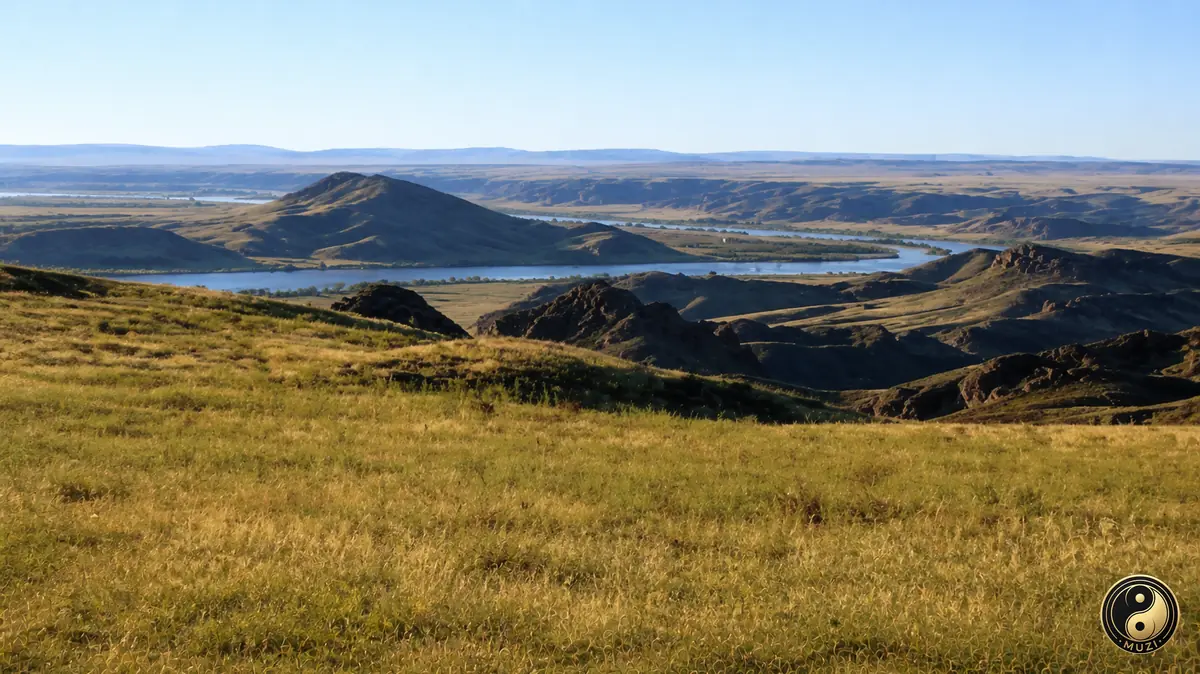 Prefecture-level
Ili Kazakh Autonomous Prefecture retains the imprint of steppe pasture and seasonal movement.
Prefecture-level
Follow lakeside wetlands and water-town craft, and Tacheng Prefecture's regional layers come into view.
 Prefecture-level
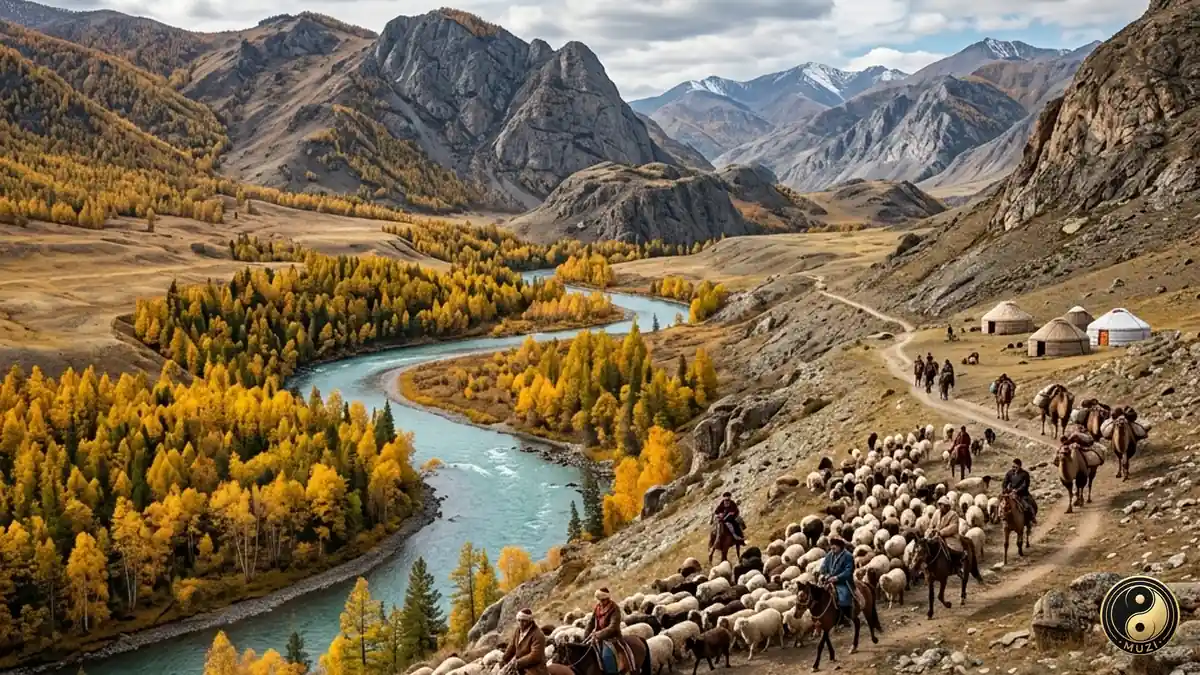
Altay Prefecture turns basin fields and historic post roads into everyday life and local memory.
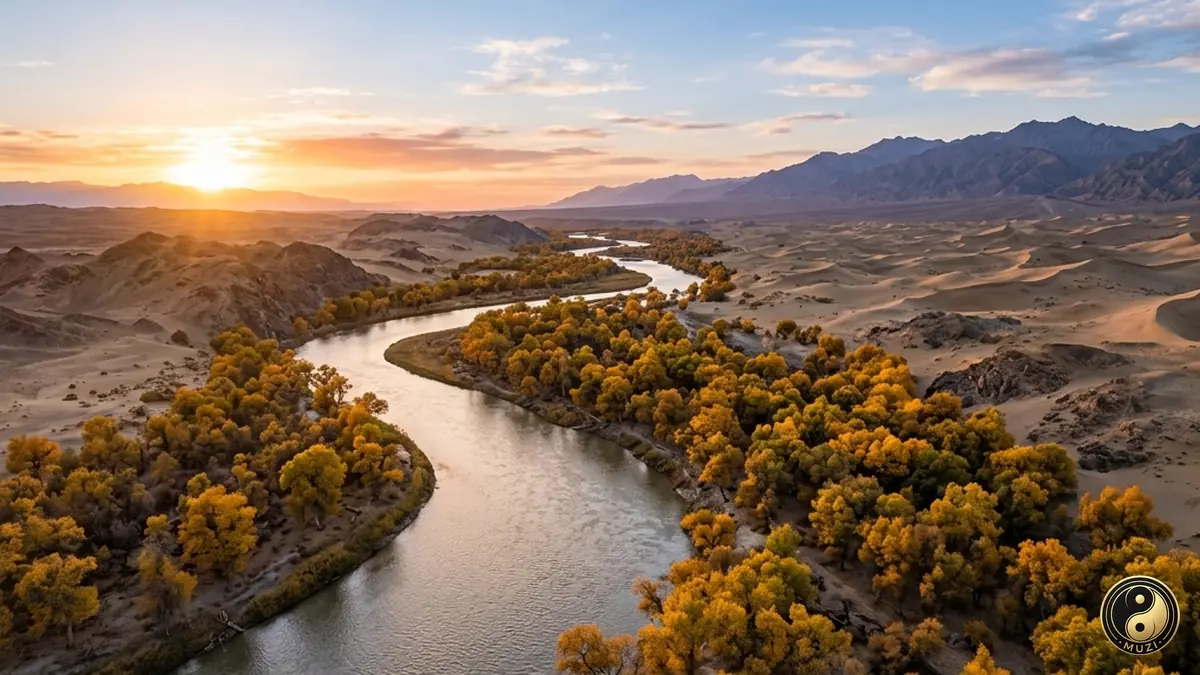
A hidden river flowing silently beneath the Taklamakan Desert — fed by Tianshan snowmelt, the underground lifeline sustaining desert oases.
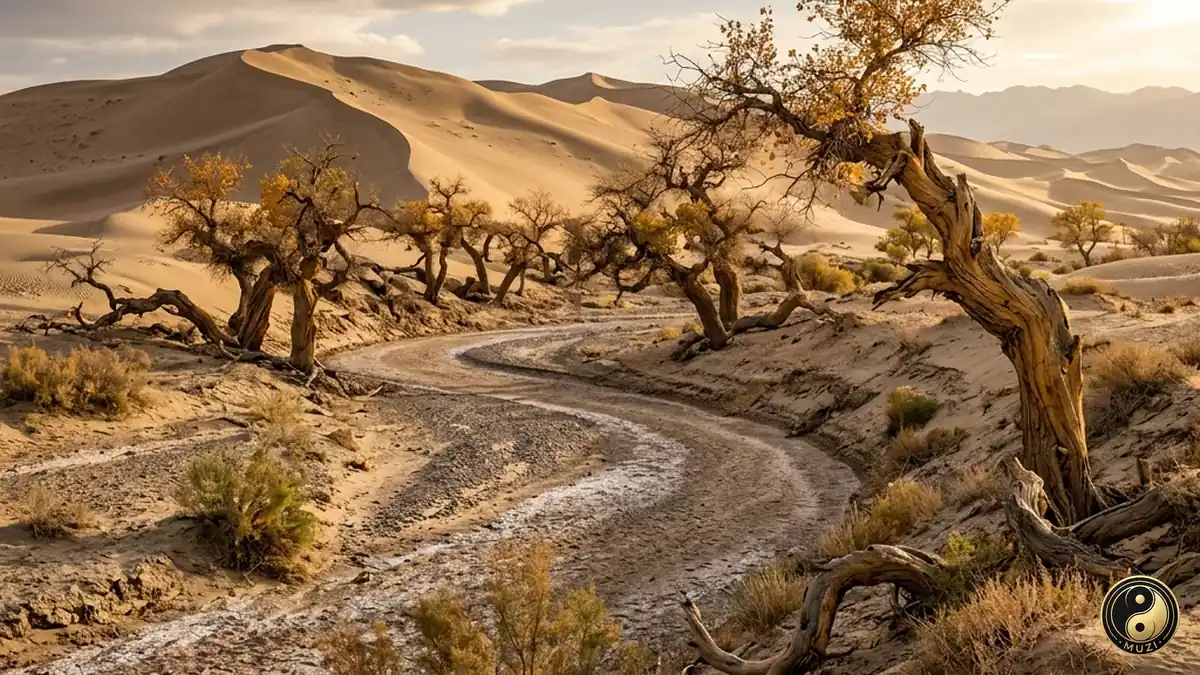
The Tarim Basin is a vast desert basin, arid at the surface yet rich in buried oil, gas, and Silk Road history.
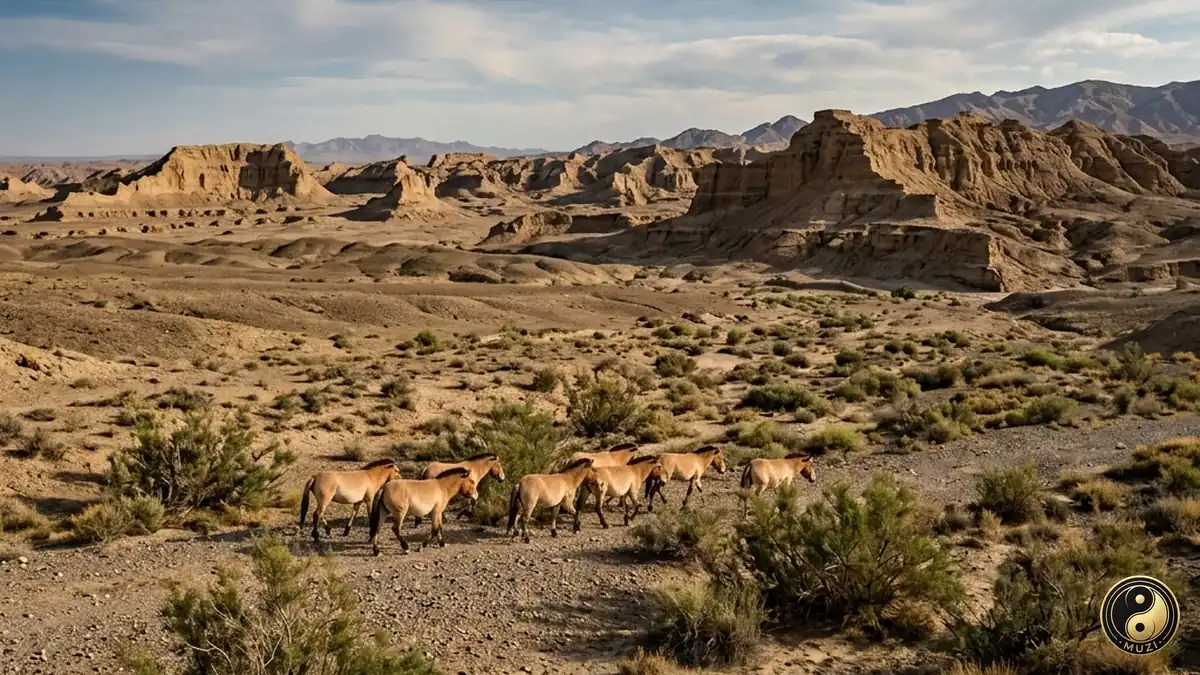
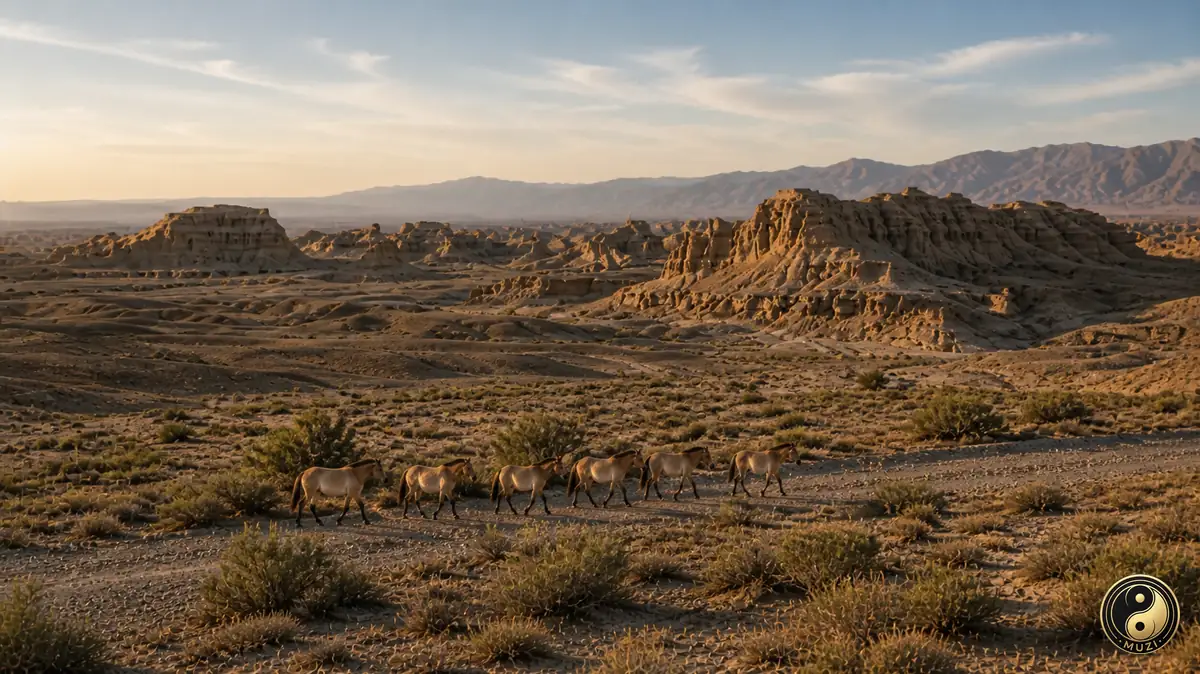
The vast gobi desert stretching from the Junggar Basin to the Mongolian Plateau — once the ancestral homeland where Przewalski's horses galloped free.
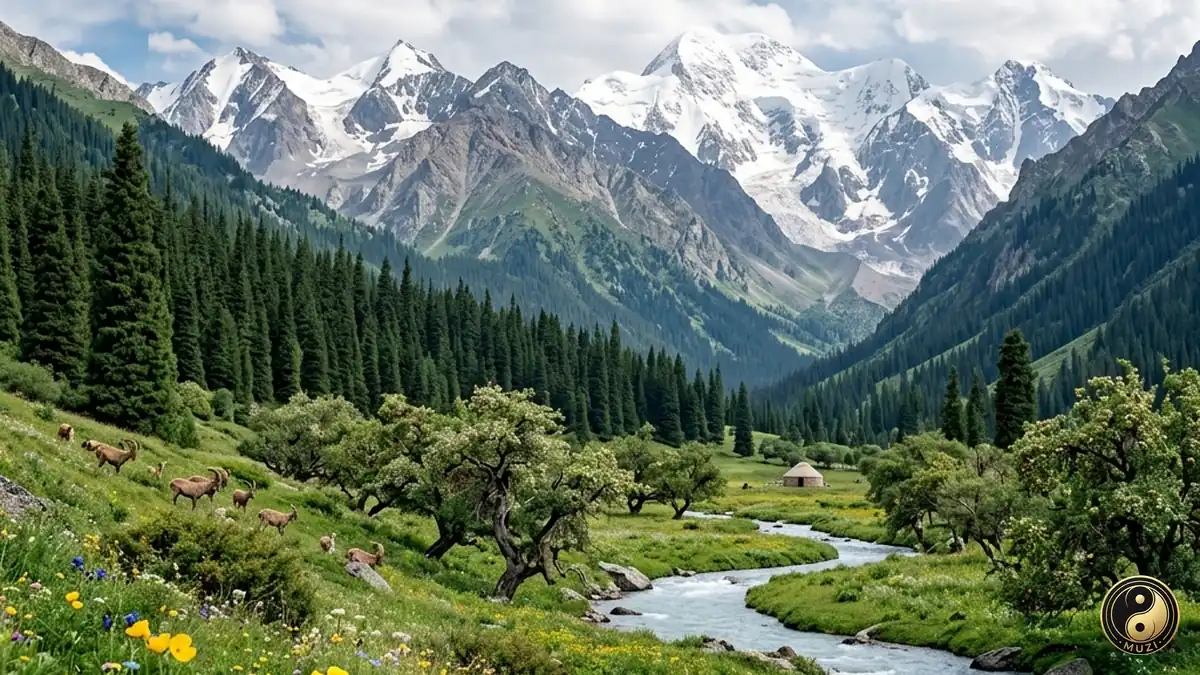
Deep in the arid continental interior, a miracle of spruce forests clings to mountain slopes thousands of kilometers from any ocean — a high-altitude green reservoir suspended in the desert.
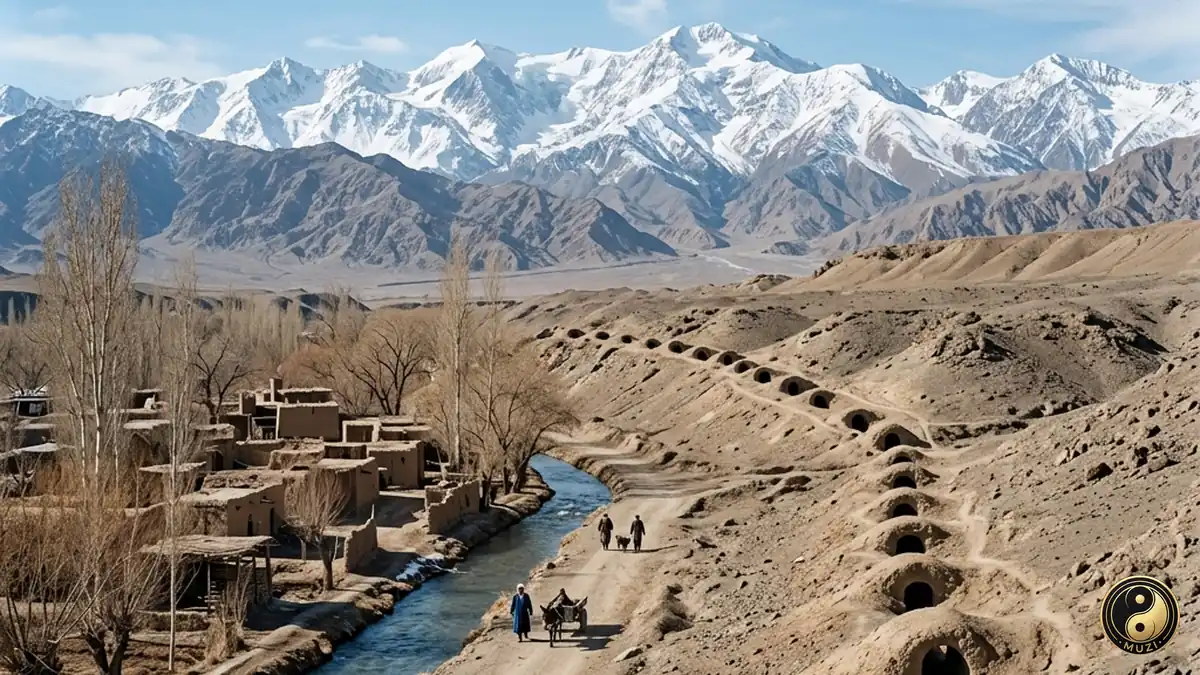
Turpan's Karez channels carry Tianshan snowmelt to oases with little evaporation, an enduring feat of underground water engineering.
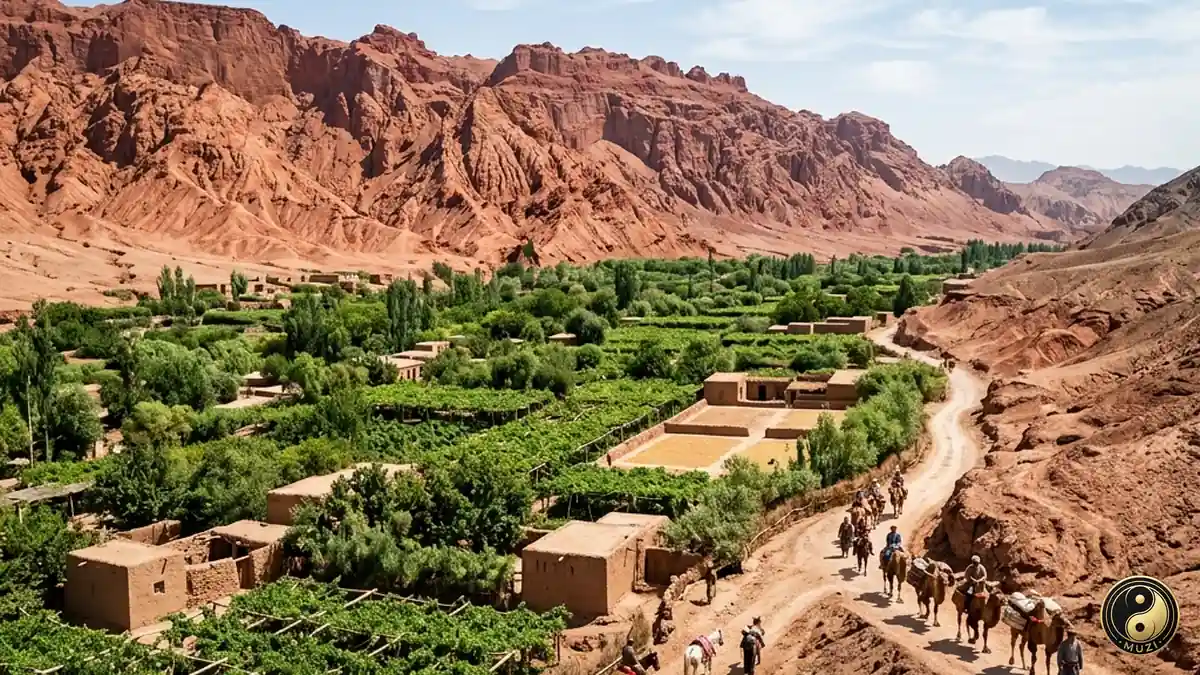
Turpan's low basin is exceptionally hot and dry, producing prized melons and sustaining the Karez canal tradition.
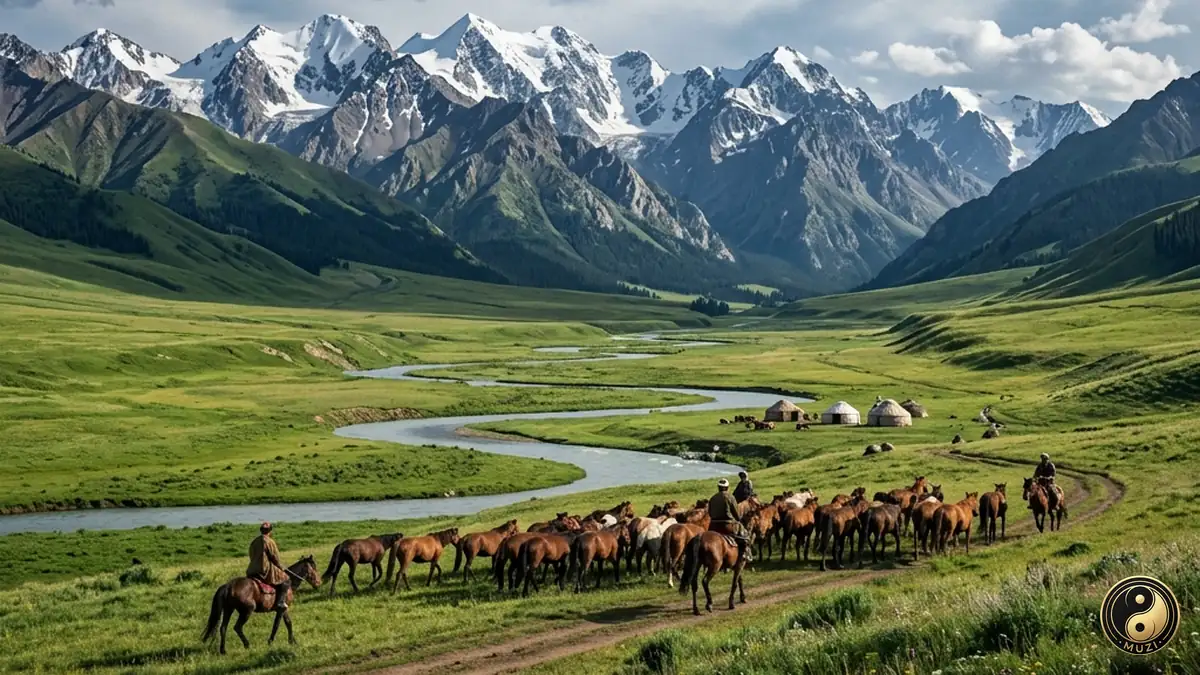
Where the Tianshan tears open a gap to capture Atlantic westerly moisture — a miraculous 'Jiangnan beyond the frontier' flourishing in the heart of the continent's extreme arid zone.
A semi-enclosed basin pinched between the Altai and Tianshan ranges — with lush pastures and a strategic position, the core base of successive nomadic empires.
The Irtysh is a rare river that flows north toward the Arctic Ocean, cutting a green corridor through the Altai interior.
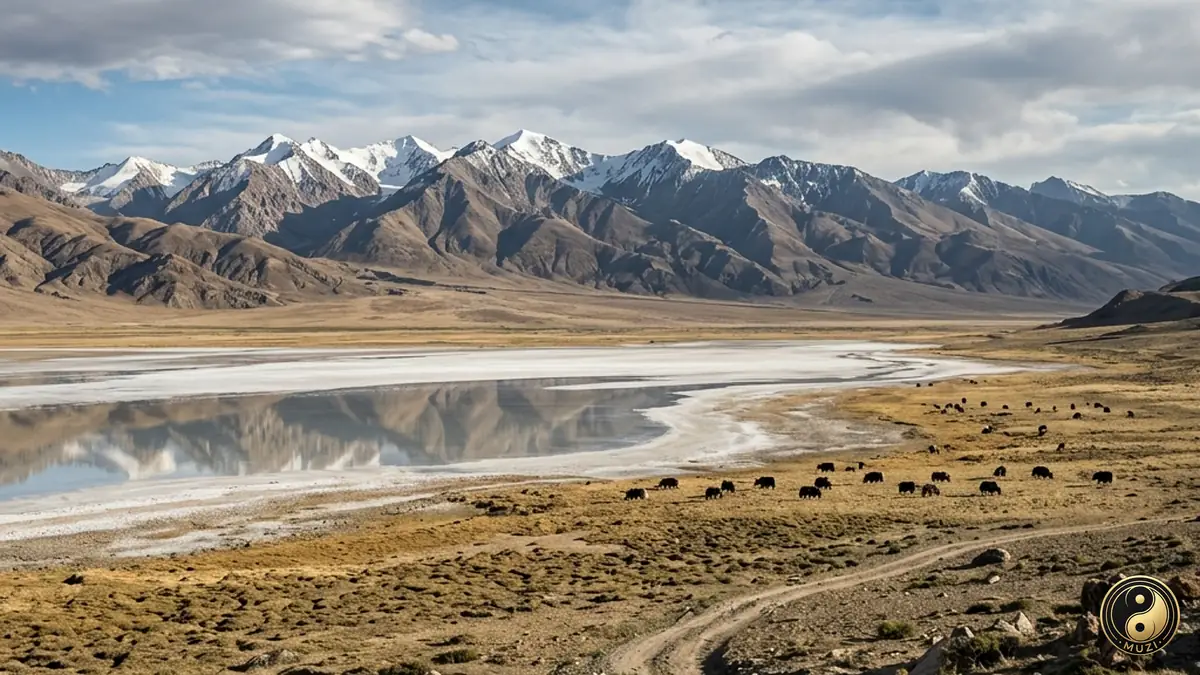
The hyper-enclosed uninhabited zone at the junction of the Kunlun and Qilian ranges — extreme altitudinal isolation creating a forbidden zone of life and the ultimate backup vault for Tibetan antelope and wild yak.
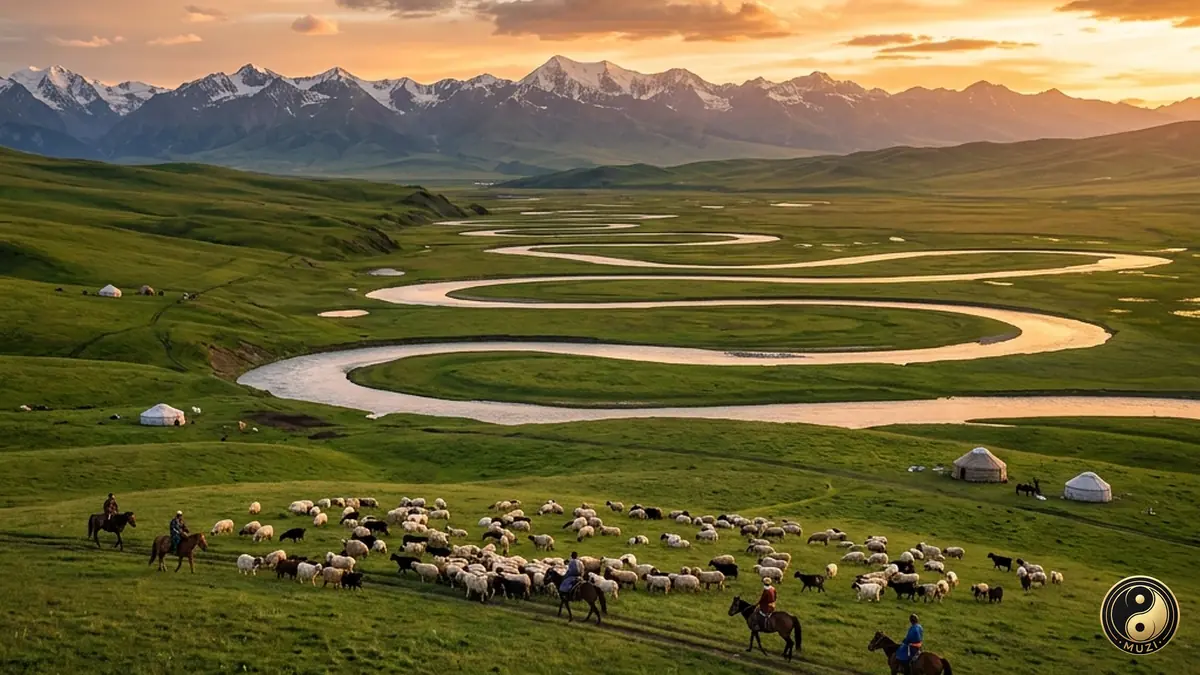
Alpine wetlands deep in the Tianshan, formed by the nine bends and eighteen meanders of the Kaidu River — the swans' homeland and the nomadic high-altitude liquid pasture.
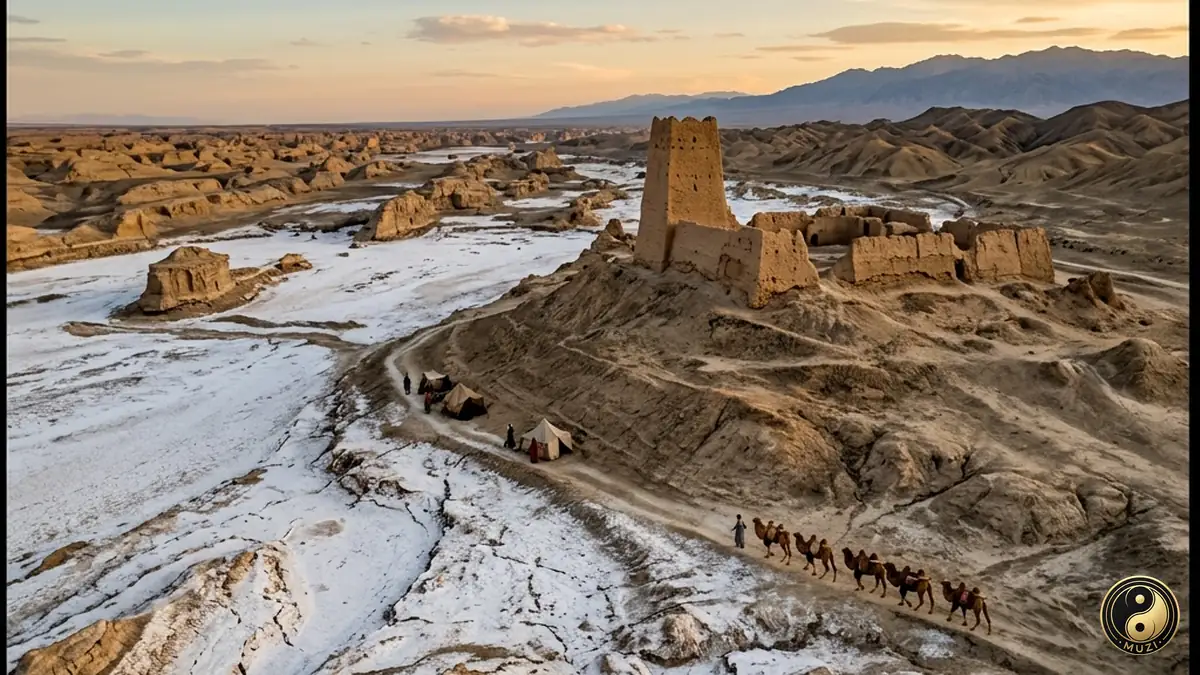
The burial ground of the Loulan Kingdom — a once-vast lake desiccated entirely into a giant ear-shaped salt crust, sealing and encrypting a thousand years of Silk Road exploration memory.