





 Prefecture-level
Nanjing
Nanjing is readily recognized through river valleys and inherited local memory.
 MUZIChinese Matrix
Canals and waterways spread across the lower Yangtze plain, punctuated by garden cities and a dense cultural inheritance.
The spatial setting of Jiangsu is grounded in the local fact “Canals and waterways spread across the lower Yangtze plain, punctuated by garden cities and a dense cultural inheritance.” These relationships connect landscape, inherited places, and community experience without reducing Jiangsu to an administrative label. Over time, these relationships accumulated through residence, exchange, production, and community continuity across successive historical periods. Viewed beside neighboring areas, Jiangsu also shows how roads, resources, and movement create local distinctions within a wider region. For regional study, Jiangsu places location, long-term formation, and present meaning within one connected explanation.
Prefecture-level
Nanjing is readily recognized through river valleys and inherited local memory.
 Prefecture-level
Think of Wuxi, and estuarine routes and port traditions are among the first things that come to mind.
 Prefecture-level
highland scenery and pastoral culture offers the clearest regional clue to Xuzhou.
Prefecture-level
For Changzhou, plain-country farming and old town remains forms an essential setting.
 Prefecture-level
mountain corridors and frontier life write a distinctive line into Suzhou's urban profile.
Prefecture-level
Through valley settlements and industrial memory, Nantong gains a geographical signature.
Prefecture-level
In Lianyungang, wetland habitats and waterside routines reveal a deeper local trajectory.
Prefecture-level
Huai'an finds its regional character in garden landscapes and scholarly traditions.
 Prefecture-level
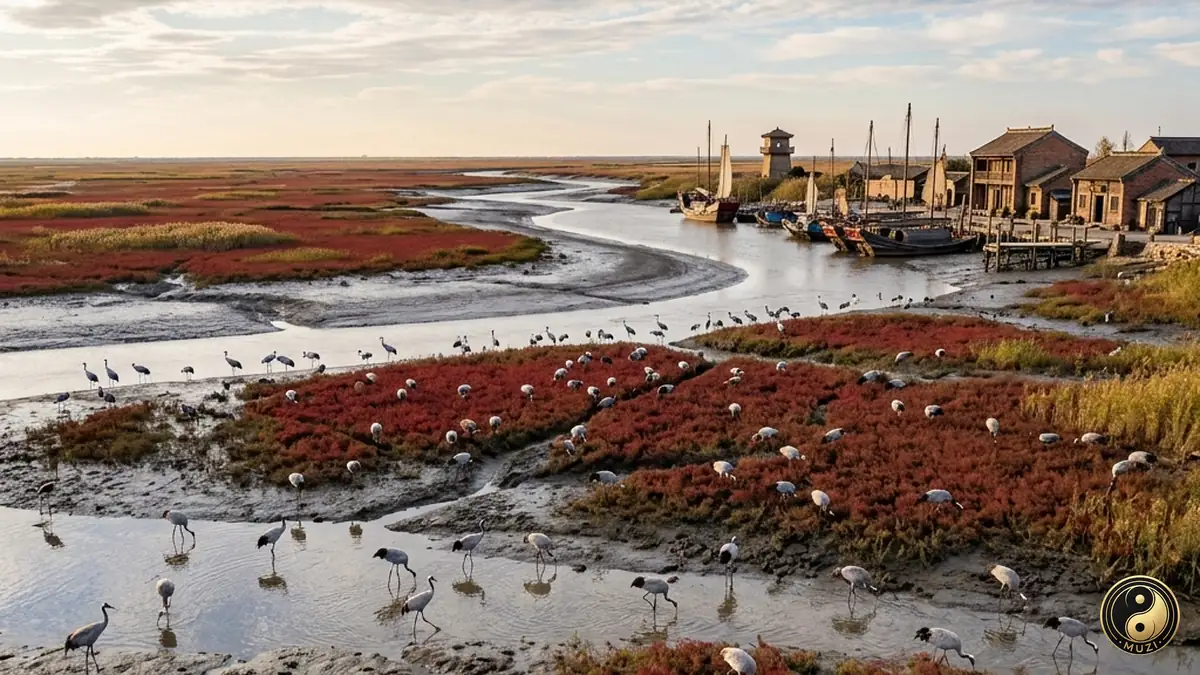
A useful way into Yancheng is through bay shores and fishing practice.
 Prefecture-level
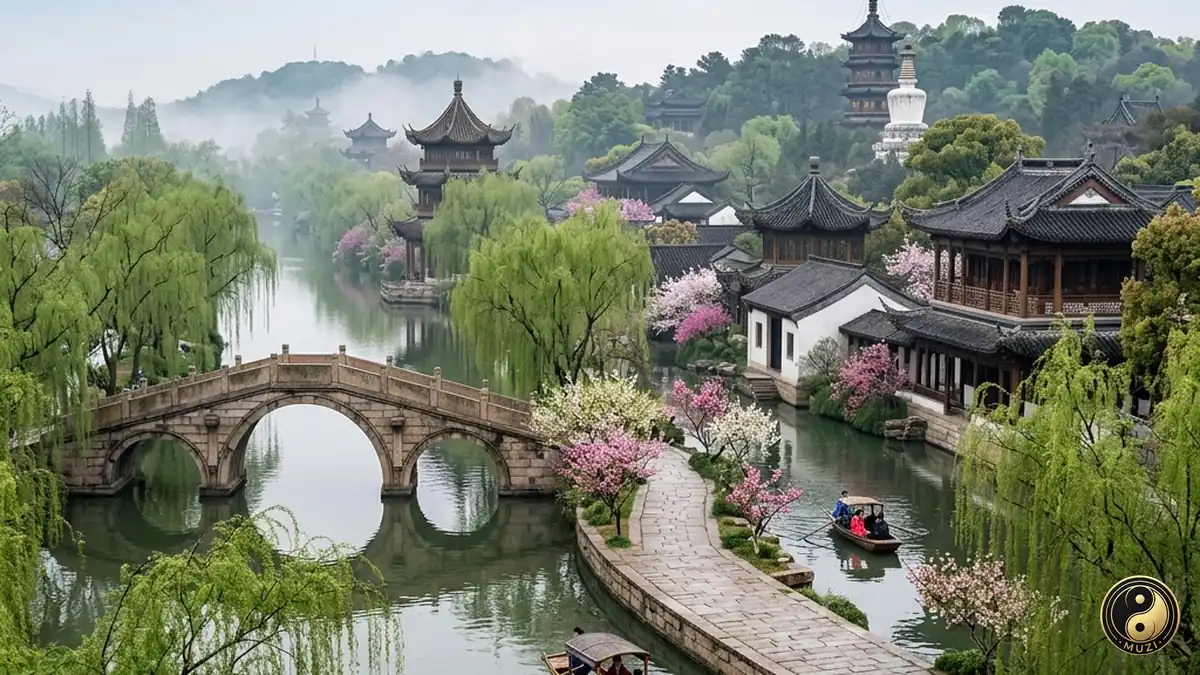
Yangzhou's local story begins with canyon terrain and rural settlements.
Prefecture-level
forest resources and cold-climate life give Zhenjiang a recognizable regional character.
Prefecture-level
Taizhou retains the imprint of steppe pasture and seasonal movement.
Prefecture-level
Follow lakeside wetlands and water-town craft, and Suqian's regional layers come into view.
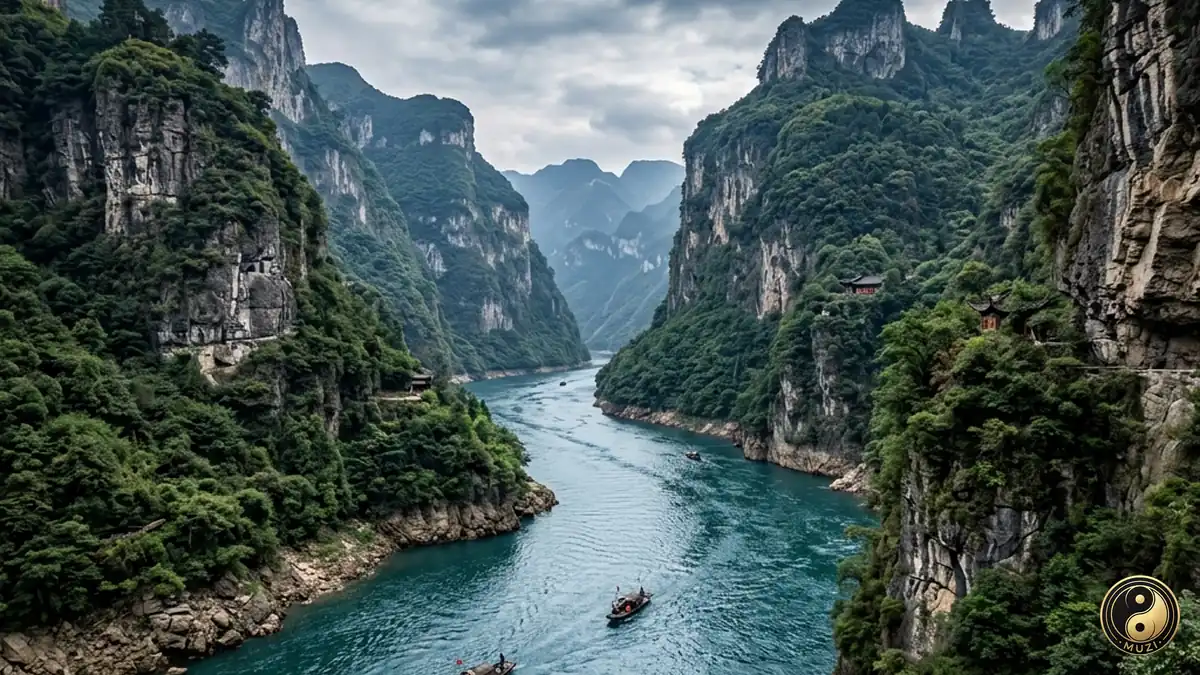
Asia's longest river, flowing six thousand kilometers from the Tibetan Plateau to the East China Sea — the aorta and golden waterway of Chinese civilization.
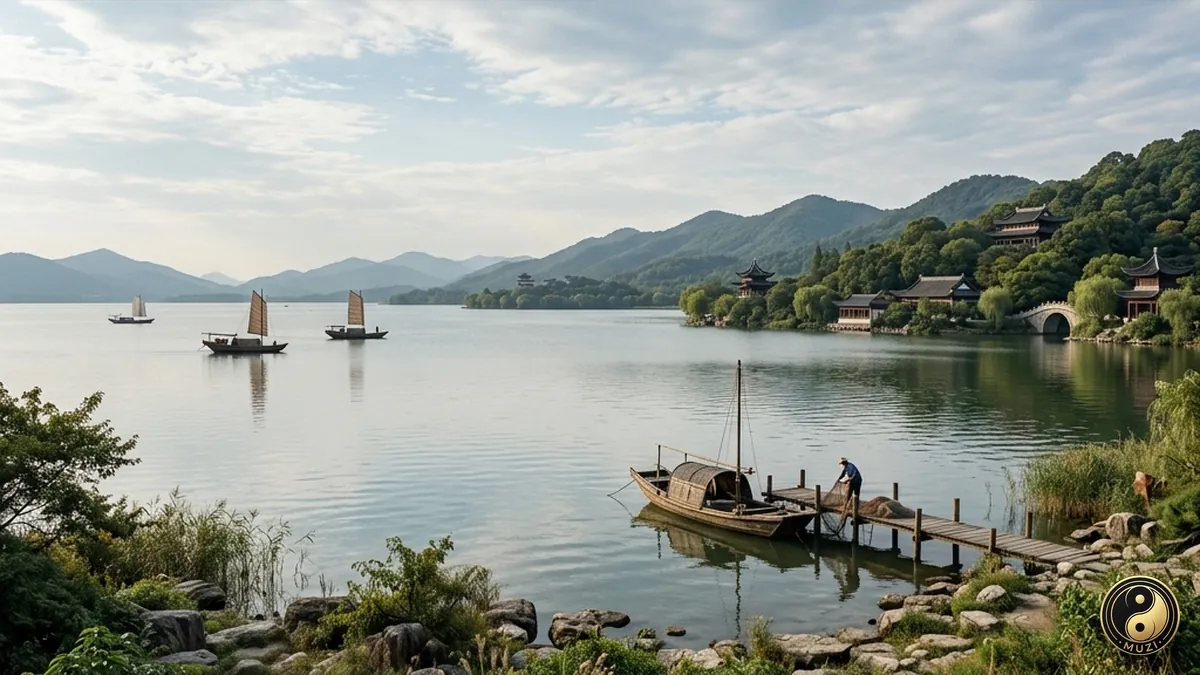
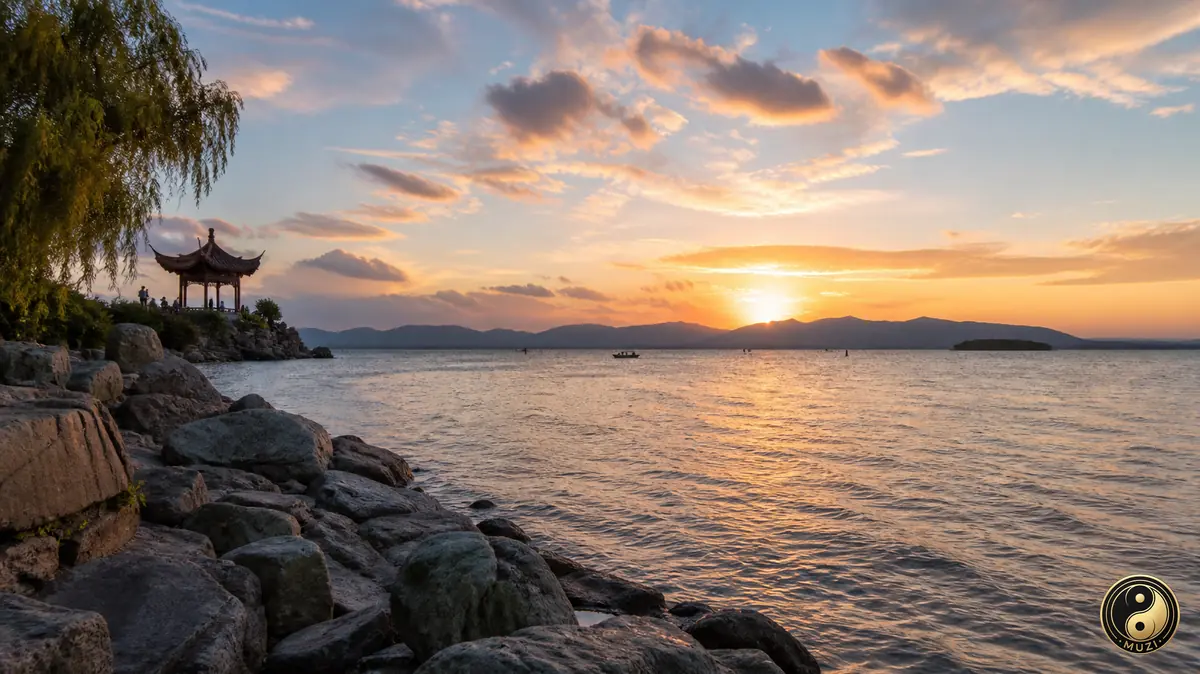
The heart of the Jiangnan water country — thirty-six thousand hectares of misty expanse, nourishing the richest land of fish and rice around Suzhou, Wuxi, Changzhou, Hangzhou, and Jiaxing.
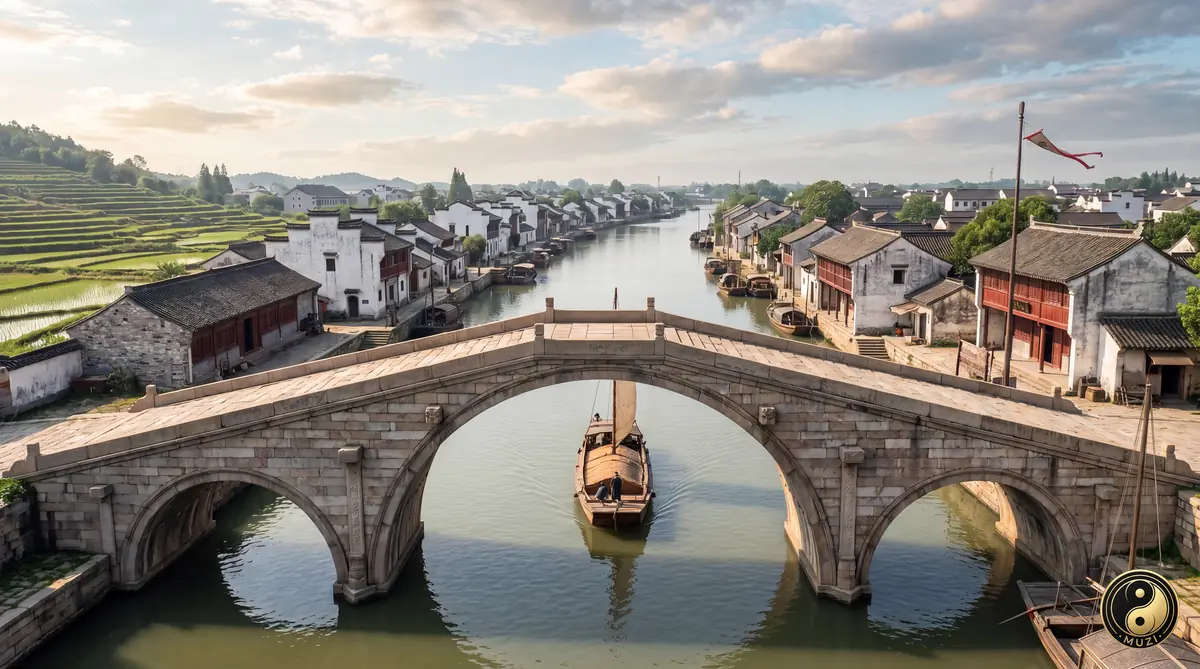
The world's longest man-made waterway — crossing five major river systems to connect north and south, continuously pumping southern grain and wealth into the empire's heart.
Yancheng's coastal tidal flats support a major sea-salt industry and recall the ancient salt-and-iron economy.
The wealth crossroads where the Grand Canal meets the Yangtze — the center of the imperial salt monopoly, birthing Yangzhou's extravagant salt-merchant culture and aesthetics.
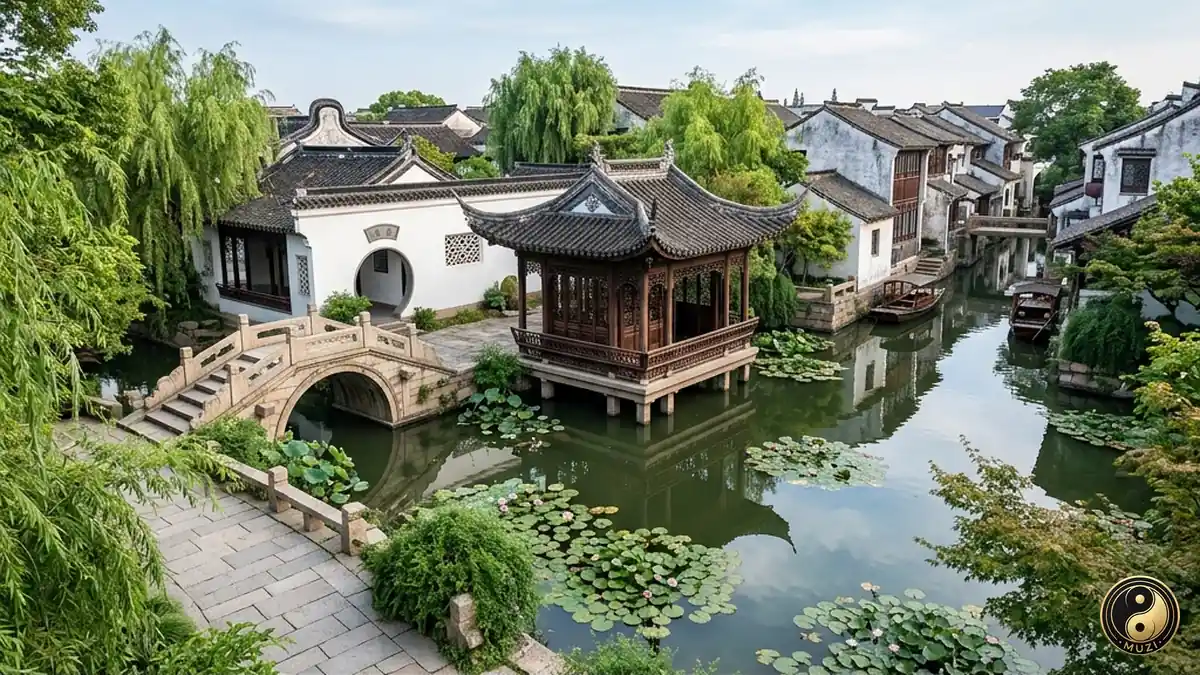
A dual-chessboard ancient city of parallel waterways and streets — precision hydraulic logistics networks seamlessly embedded with literati refinement into the urban fabric.
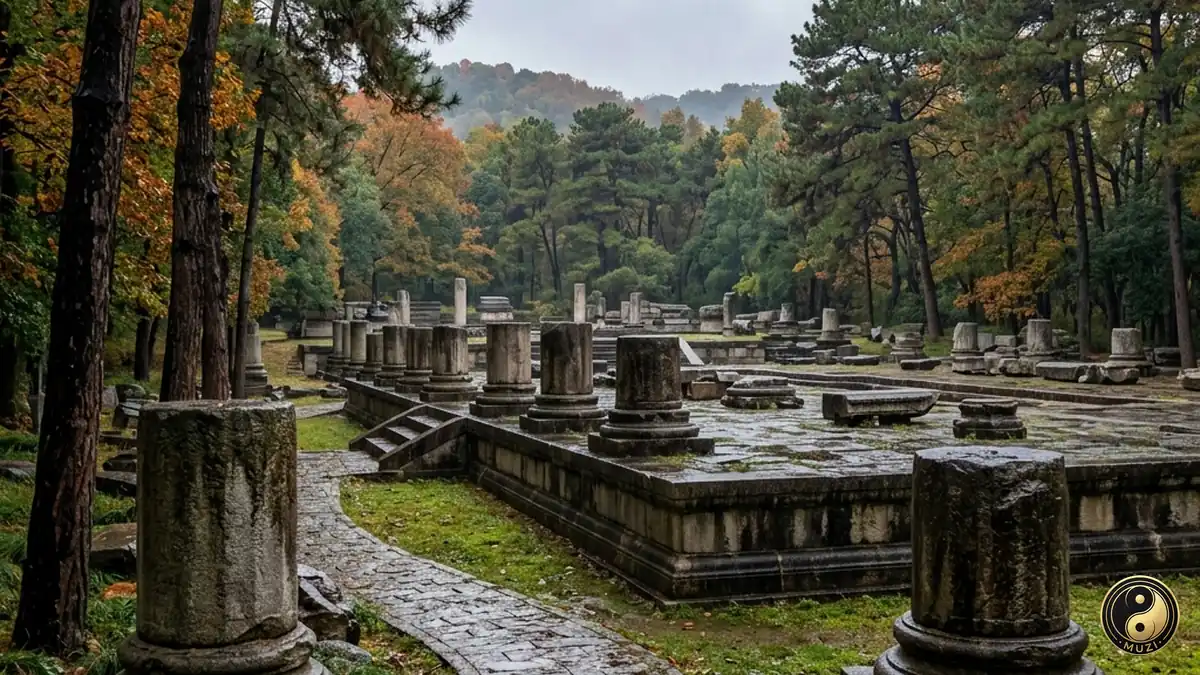
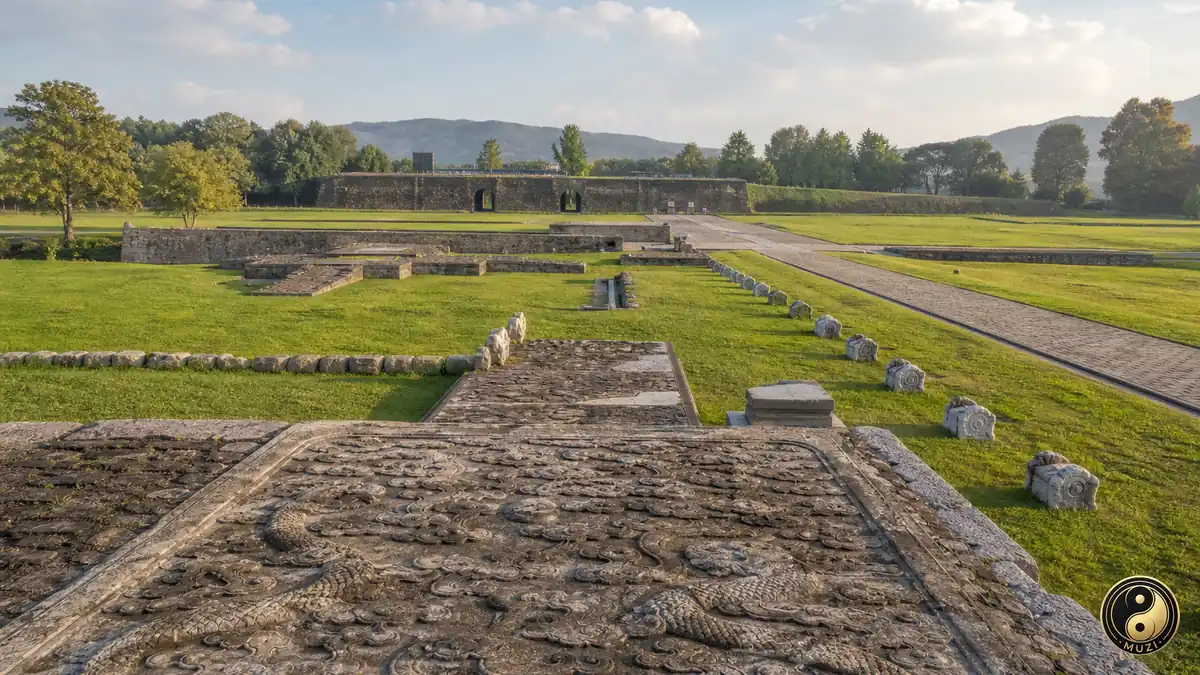
The Ming Palace ruins of Nanjing — capital of six dynasties and ten kingdoms, where every time the north fell, Han regimes retreated here to continue the mantle of Chinese civilization.
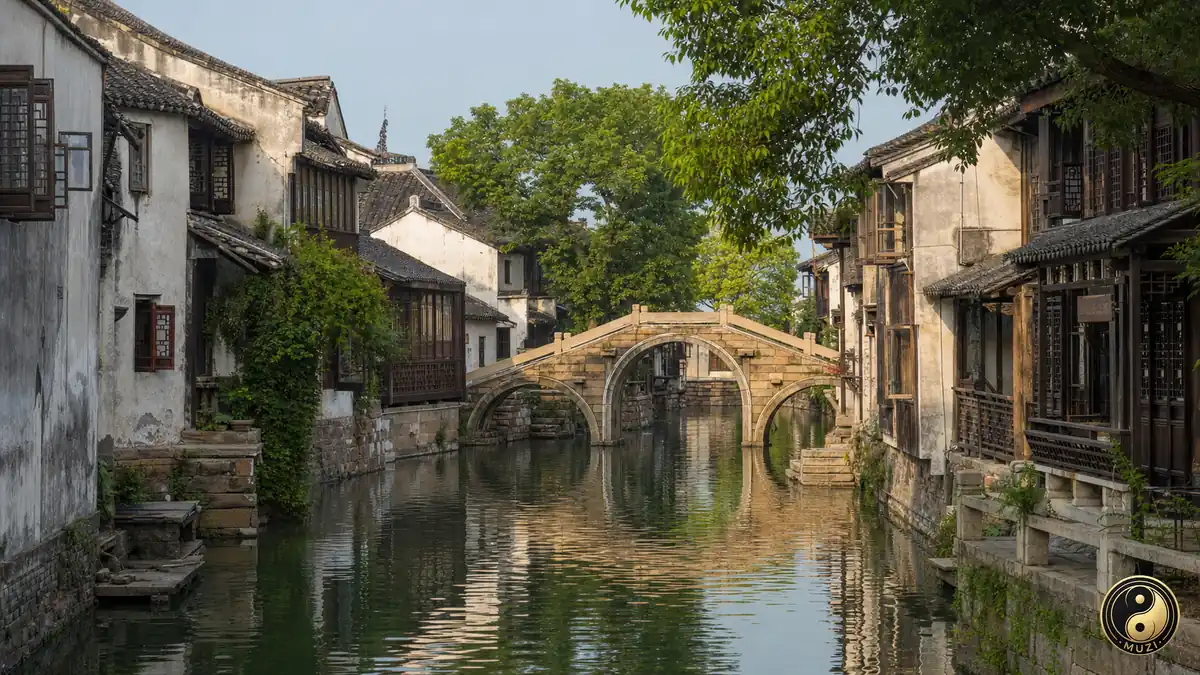
Zhouzhuang's Double Bridges, Shen Hall, and Zhang Hall preserve a millennium of Jiangnan water-town and merchant history.
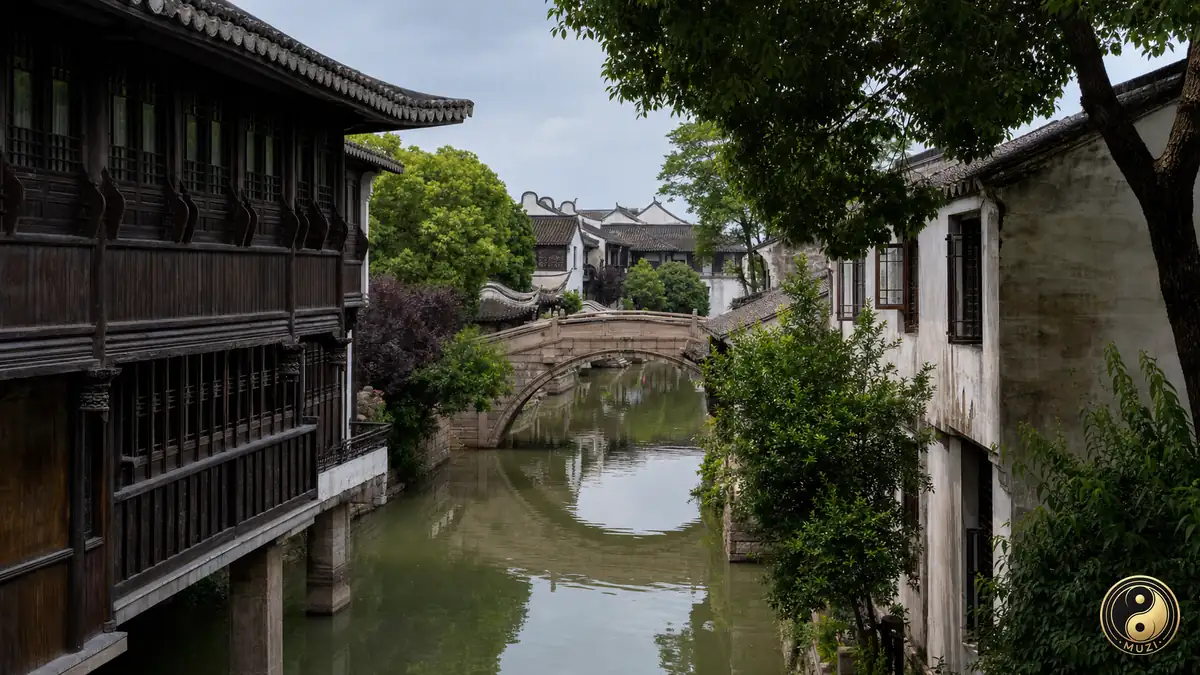
Foremost garden town of central Wu; Emperor Qianlong visited six times; Yan's Garden and Hongyin Mountain House epitomize Jiangnan refinement.
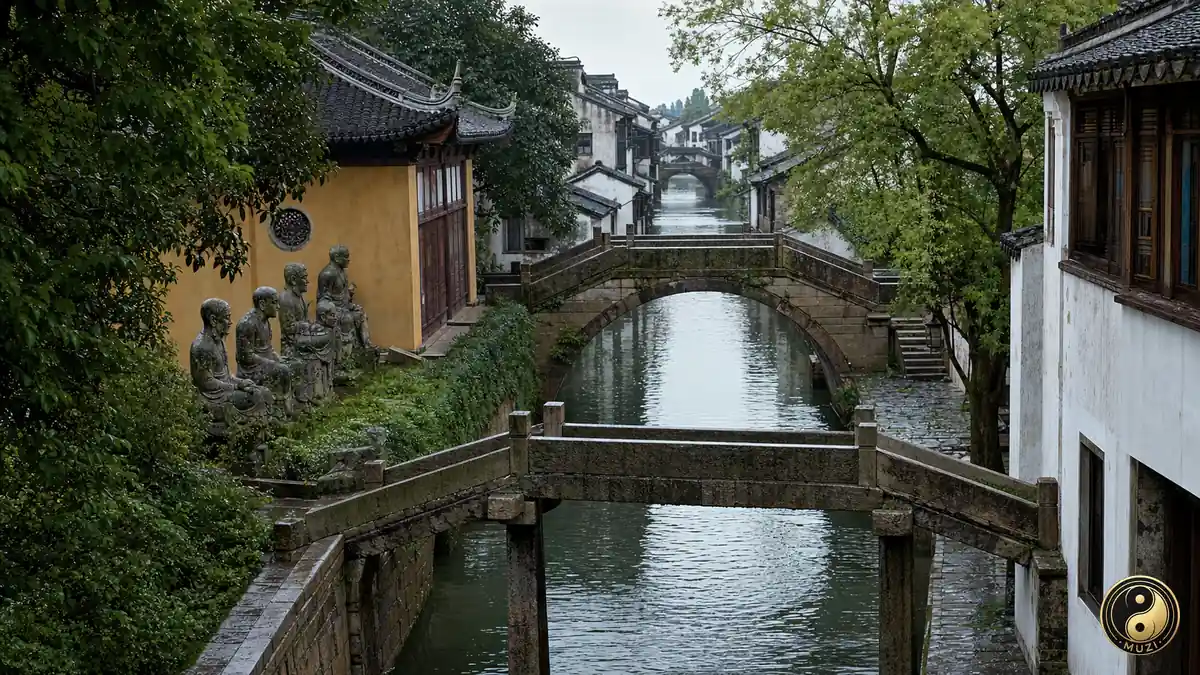
Tang-dynasty arhat sculptures at Baosheng Temple are national treasures; a bridge every few steps in this water town; Ye Shengtao taught and wrote here.
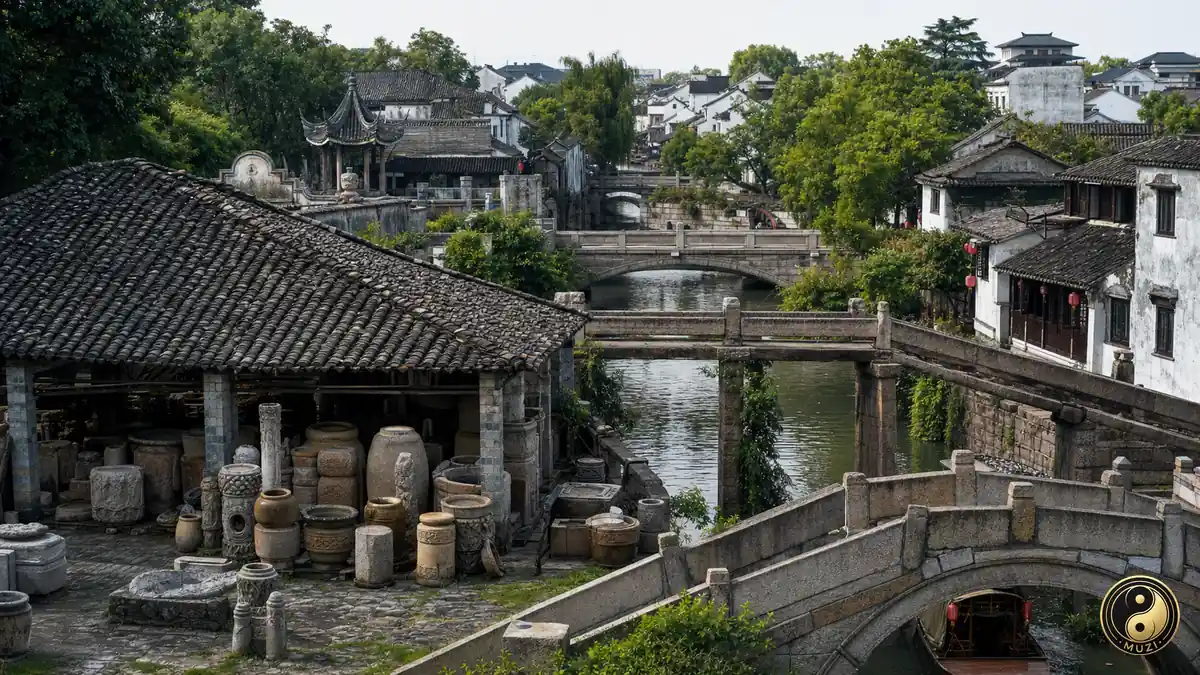
Jinxi's folk museums, ancient kilns, and Southern Song heritage give the town a distinctive cultural profile.
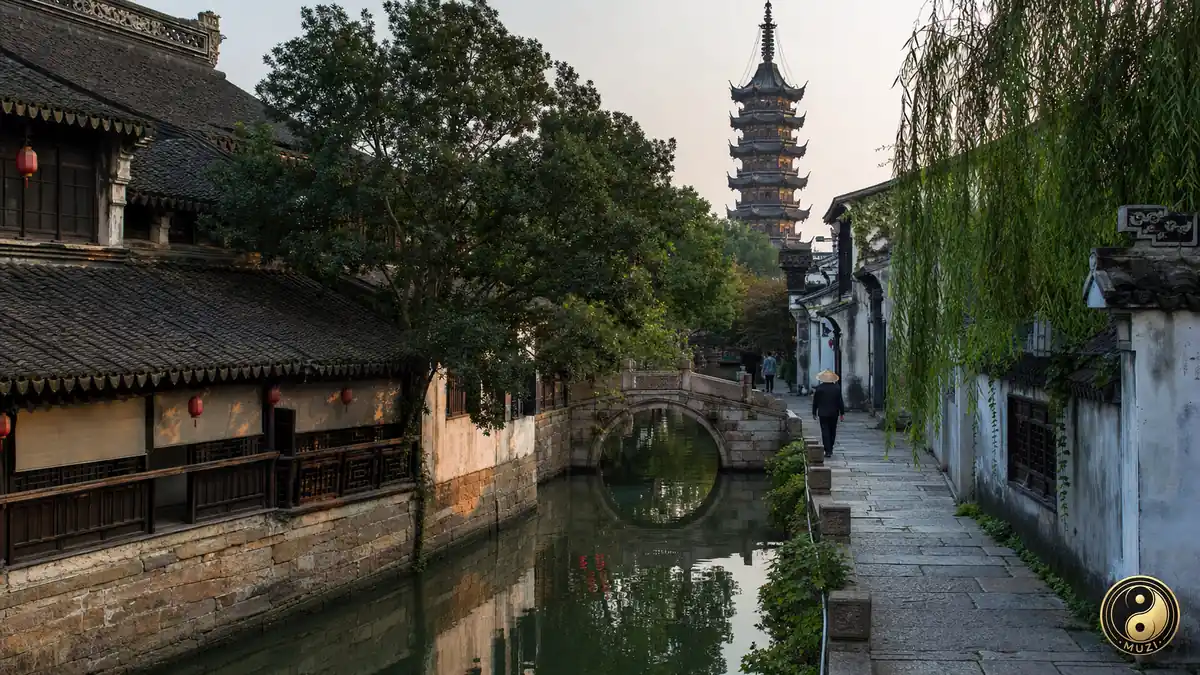
Birthplace of Kunqu opera and hometown of Gu Yanwu; Qinfeng Pagoda and the flagstone street witness 2,500 years of Wu-region heritage.